You rub your eyes for the fifth time before lunch. They feel gritty, like sand landed in them. Screens have become torture. Wind makes you tear up, ironically, even though your eyes feel perpetually dry. Contact lenses used to be comfortable and now they hurt. You assume it is just aging, or allergies, or too much screen time, and you reach for another bottle of drops that barely helps.
Dry eye syndrome is one of the most common yet most undertreated conditions in eye care. Estimates suggest somewhere between five and thirty percent of adults deal with it, with prevalence climbing as the population ages and screen use increases. Beyond the daily discomfort, untreated dry eye can damage the cornea and cause lasting vision problems. The good news is that modern understanding of dry eye has advanced dramatically, and effective treatments now exist for nearly every underlying cause.
What Dry Eye Actually Means
Calling it dry eye suggests a simple lack of tears. The reality is more complex. Tears are not just water. They are a sophisticated three layer structure with an oily outer layer, a watery middle layer, and a mucin layer closest to the eye surface. Each layer does specific work. When any layer is deficient or imbalanced, the whole tear film fails, and the eye surface suffers.
Most dry eye is actually evaporative, not aqueous deficient. The eye produces enough tears, but the oil layer is inadequate, so tears evaporate too quickly. This is a crucial distinction because traditional artificial tears do little for evaporative dry eye. You need treatments that address the oil problem, which means treating the meibomian glands in the eyelids.
A minority of dry eye cases are true aqueous deficiency, where the lacrimal glands simply do not produce enough watery tear component. Autoimmune conditions like Sjogren syndrome fall into this category. These cases need different treatment strategies.
Many people have mixed dry eye, with elements of both evaporative and aqueous deficient mechanisms. Accurate diagnosis of which type you have shapes what treatment will actually work.
The Typical Symptoms
Dryness is the obvious symptom but rarely the first one patients notice. Burning and stinging, especially later in the day, are classic. Gritty or foreign body sensation, as if something is in the eye when nothing is, is another hallmark. Stringy mucus in or around the eyes appears in some people.
Paradoxically, excessive tearing is a common symptom of dry eye. The eye surface gets irritated, the nervous system responds with reflex tearing, but these emergency tears lack the proper composition to actually coat the eye well. They roll off cheeks while the underlying dryness persists.
Blurred vision that fluctuates, improving with blinking, strongly suggests dry eye. The tear film is part of the eye optical system, and when it becomes uneven or breaks up too quickly between blinks, vision wavers.
Light sensitivity develops in many dry eye patients. Driving at night becomes difficult. Sunshine feels harsh even through sunglasses. This is related to the cornea being irritated and the tear film distorting incoming light.
Contact lens intolerance is sometimes the first clue. Lenses that were comfortable become uncomfortable within hours. Some people abandon contacts entirely because of dry eye.
Difficulty with visual tasks, especially prolonged screen work or reading, develops as the day progresses. Blink rate drops significantly during focused visual tasks, causing tears to evaporate. This is why nearly everyone has some dry eye symptoms when using screens for hours.
What Causes It
Dry eye results from an interplay of factors rather than a single cause in most cases. Age tops the list. Tear production naturally declines with age, and meibomian gland function deteriorates. By age sixty five, most people have some degree of dry eye.
Hormonal changes matter significantly. Menopause triggers or worsens dry eye for many women. Testosterone and estrogen both affect tear production. Hormonal contraceptives, pregnancy, and menopause all can shift dry eye status.
Medications are a huge cause that gets overlooked. Antihistamines, decongestants, antidepressants, blood pressure medications, hormonal contraceptives, retinoid acne medications, and many others reduce tear production. Review your medication list with your eye doctor if you have dry eye.
Screen use reduces blink rate dramatically. Normal blinking happens around fifteen times per minute. Looking at a screen can drop that to five or less. Each missed blink means more evaporation. Add the constant focusing at a fixed distance and eyes work harder with less lubrication.
Autoimmune diseases attack tear glands. Sjogren syndrome is the classic, producing severe dry eyes and dry mouth together. Lupus, rheumatoid arthritis, and other connective tissue diseases also affect tear production.
Environmental factors intensify symptoms. Dry indoor air from heating and air conditioning, wind, smoke, dust, allergens, all contribute. Airplane cabins are famously drying.
Eyelid problems cause evaporative dry eye. Blepharitis, inflammation along the eyelid margins, impairs meibomian gland function. Demodex mite infestations in eyelashes contribute to gland blockage. Rosacea affects facial skin including eyelids and is strongly linked to dry eye.
LASIK and other refractive surgery damage corneal nerves, causing dry eye in a significant percentage of patients. Usually this improves over six to twelve months but sometimes it becomes chronic.
Contact lens wear, especially prolonged use, contributes to chronic dry eye by disrupting normal tear film.
Getting a Proper Evaluation
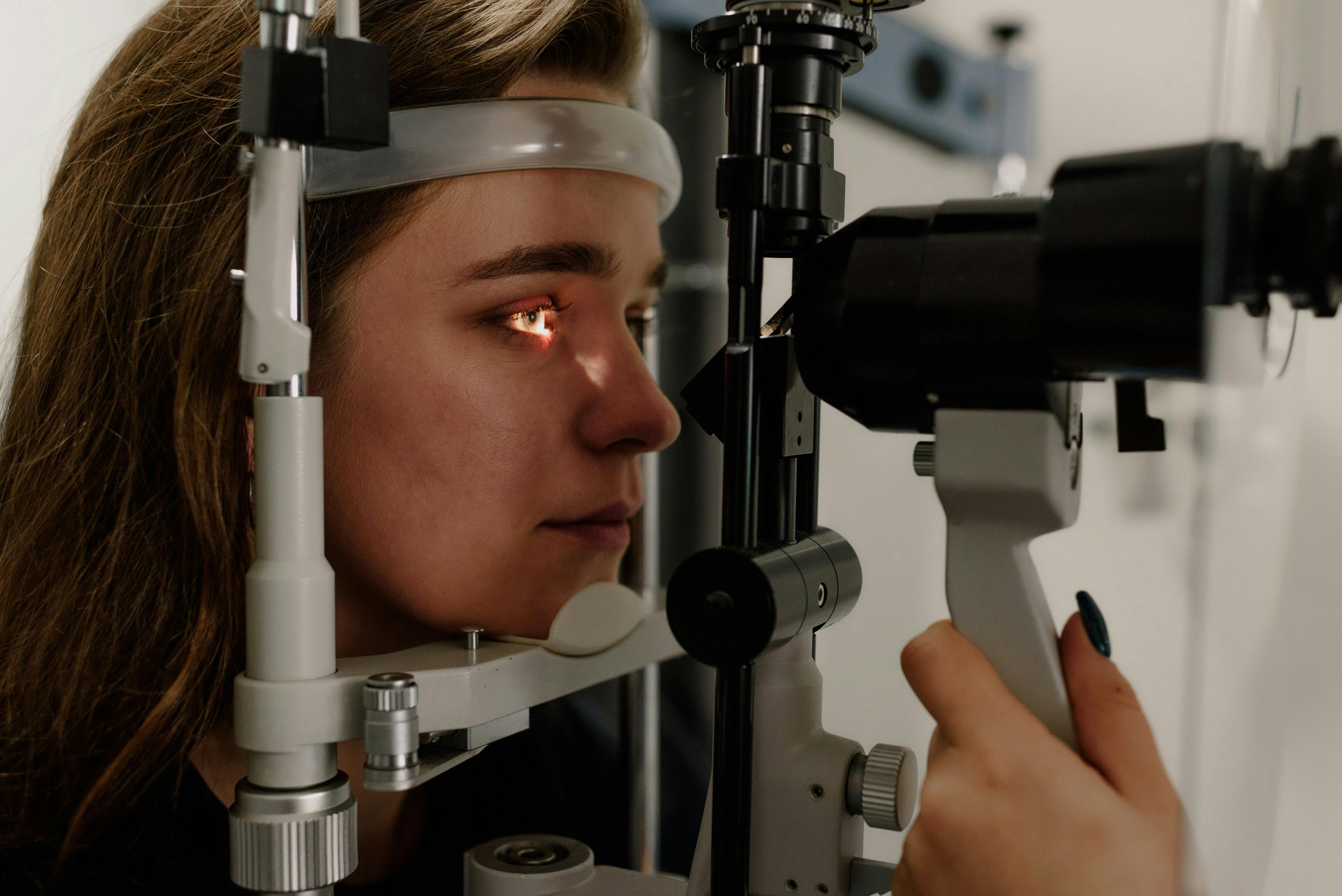
If you have persistent dry eye symptoms, a comprehensive evaluation goes well beyond the basic vision check. Your eye doctor should examine the tear film, assess meibomian gland function by expressing them gently, check for blepharitis, evaluate for signs of Demodex mites, measure tear production with a Schirmer test or equivalent, assess tear break up time to gauge evaporation rate, and look for corneal surface damage using special dyes.
Meibography, imaging of the meibomian glands, shows whether glands have atrophied or become dysfunctional. This guides treatment decisions because atrophied glands cannot be fully restored, while dysfunctional but intact glands can often be rehabilitated.
Blood work may be appropriate if autoimmune dry eye is suspected. Antibodies specific to Sjogren syndrome, general markers of autoimmune disease, and inflammation markers all provide information.
A thorough medication review catches offenders that might be adjusted or replaced. A careful symptom history helps distinguish dry eye from other surface problems like allergies, infection, or computer vision syndrome, which often coexist.
Treatment Strategies That Actually Work
Artificial tears are the cornerstone of basic treatment, but product selection matters. Preservative free drops are worth the extra cost for anyone using them more than four times a day, since preservatives irritate the eye surface with frequent use. Gel drops or ointments for nighttime provide longer coverage. Lipid containing drops help evaporative dry eye by supplementing the oil layer.
Warm compresses on the eyelids for ten to fifteen minutes daily liquefy meibomian gland oil and help it flow. This is surprisingly effective for evaporative dry eye but requires consistency. Modern mask style heating devices make the routine easier.
Eyelid hygiene removes debris, bacteria, and demodex that clog meibomian glands. Dedicated eyelid cleansers work better than just water or baby shampoo. For Demodex specifically, tea tree oil based products or the newer prescription lotilaner are highly effective.
In office procedures have revolutionized treatment for many patients. Lipiflow uses heat and massage to unclog meibomian glands. Intense pulsed light therapy reduces inflammation and improves gland function. These treatments are not covered by most insurance but can provide significant relief when conservative care is inadequate.
Prescription medications address specific aspects. Cyclosporine eye drops reduce inflammation in the tear glands, helping many people produce better tears over time. Lifitegrast works similarly through a different mechanism. Tacrolimus drops are sometimes used. Short courses of topical steroids calm flares. Oral omega three supplementation helps meibomian gland health.
Punctal plugs block the tiny drainage holes in the eyelids, keeping natural and artificial tears on the eye longer. They are reversible, affordable, and often very helpful for aqueous deficient dry eye.
Autologous serum tears, made from your own blood, provide growth factors that synthetic tears lack. These are expensive and require a compounding pharmacy but can rescue severe cases that fail other treatments.
Scleral lenses, large contacts that vault over the cornea and hold fluid against the eye surface, transform life for the most severely affected patients. They require specialist fitting but are increasingly available.
Environmental and Lifestyle Changes
Small adjustments compound over time. Follow the twenty twenty twenty rule during screen work. Every twenty minutes, look at something twenty feet away for twenty seconds. Blink consciously and completely during focused tasks.
Humidify dry indoor environments. A bedroom humidifier running at night keeps tears intact during sleep when natural production drops. Avoid air vents blowing directly at the face.
Wear wraparound sunglasses or moisture chamber glasses in windy or dry conditions. These reduce evaporation dramatically.
Omega three fatty acids from diet or supplements support meibomian gland function. Fatty fish, flax seed, and quality supplements all provide them. Look for products with high EPA and DHA content.
Stay well hydrated. Systemic dehydration worsens tear volume.
Evaluate sleep quality. Incomplete eyelid closure during sleep, called nocturnal lagophthalmos, causes severe morning symptoms for many people. A simple test by your eye doctor identifies this, and overnight ointment or moisture goggles resolve it.
When Dry Eye Means Something More
Sudden severe dry eye, especially with other systemic symptoms, warrants workup for Sjogren syndrome. Dry mouth, joint pain, fatigue, and dental decay alongside dry eye should prompt rheumatology referral.
Dry eye with persistent vision changes, pain, or light sensitivity needs prompt evaluation. Corneal ulcers, severe keratitis, and other sight threatening conditions can mimic or complicate dry eye.
Unilateral dry eye, affecting only one eye, is unusual and suggests something localized like a blocked tear duct, eyelid abnormality, or nerve issue.
The Bigger Picture
Dry eye is not simply an annoyance. Chronic surface inflammation damages the cornea over time. Vision quality suffers in ways that can become permanent. Quality of life effects compound too, with many sufferers limiting activities they used to enjoy.
Getting comprehensive evaluation and treating dry eye properly is worth the effort. The days of shrugging off dry eye or relying solely on generic artificial tears are behind us. Modern care targets the underlying mechanisms and often produces dramatic improvement.
If your symptoms are persistent, if drops no longer help, or if you have never had a thorough evaluation, make that appointment. The right diagnosis guides the right treatment, and comfort plus clear vision are very much achievable goals.
Sources and Further Reading
Health and Beyond uses reputable medical and scientific sources where possible. These links support or expand on the topics discussed above.
- National Eye Institute: Eye Healthnei.nih.gov
- MedlinePlus: Eyes and Visionmedlineplus.gov