Dry eye disease is one of the most common eye conditions in the developed world, and one of the most misunderstood. People try every brand of artificial tears, sleep with humidifiers, and eat fish oil supplements, yet the burning, grittiness, blurry vision, and paradoxical watery eyes continue. Others bounce between eye doctors without ever getting a clear diagnosis or treatment plan. Meanwhile their screen time is climbing, their contact lens tolerance is dropping, and the discomfort is eating into work, driving, and reading.
This article explains what dry eye actually is, why standard drops often fail, the two main subtypes that require different treatments, and the real protocol for getting your eyes comfortable again. If you have been told dry eye is just something you have to live with, think again. Modern treatment is far better than it was a decade ago.
What Dry Eye Actually Is
The tear film that covers your eye is not just water. It is a three layer liquid with specific components that work together to lubricate, nourish, and protect the cornea. The innermost layer is mucin, produced by goblet cells in the conjunctiva, which helps the tear film stick evenly to the eye. The middle and largest layer is water with dissolved salts, proteins, and growth factors, produced mainly by the lacrimal gland above the eye. The outermost layer is a thin film of lipid, produced by small oil glands called meibomian glands along the eyelid margins, which slows evaporation and keeps the water layer stable.
Dry eye disease happens when any of these layers is compromised. The result is a tear film that either does not form a stable coat over the eye or evaporates too quickly between blinks. Symptoms include burning, stinging, grittiness or a sensation of sand in the eye, redness, blurred vision that clears momentarily after blinking, fatigue with reading or screen use, reduced contact lens tolerance, and paradoxically, watery eyes. The watering is a reflex response to the surface irritation and does nothing to solve the underlying problem.
Two Main Subtypes
Modern eye care divides dry eye into two main types. Most people have a combination of both, but one usually dominates.
Aqueous deficient dry eye means the lacrimal gland is not producing enough of the watery middle layer. This is more common in older adults, people with autoimmune conditions like Sjogren syndrome, lupus, and rheumatoid arthritis, and those on certain medications. It tends to produce low tear volume findings on eye exams.
Evaporative dry eye means the tear film evaporates too quickly because the oily outer layer is inadequate. This is far more common and is usually driven by meibomian gland dysfunction, where the small oil glands in the lids become clogged, inflamed, or atrophic. Screen use, aging, hormonal changes, certain medications, rosacea, and sleep apnea masks all contribute.
Distinguishing the subtype matters because treatments differ. Artificial tears help both, but evaporative dry eye responds especially well to treatments targeting the oil glands, while aqueous deficient dry eye responds to tear production stimulation and blockage of tear drainage.
Getting Evaluated Correctly
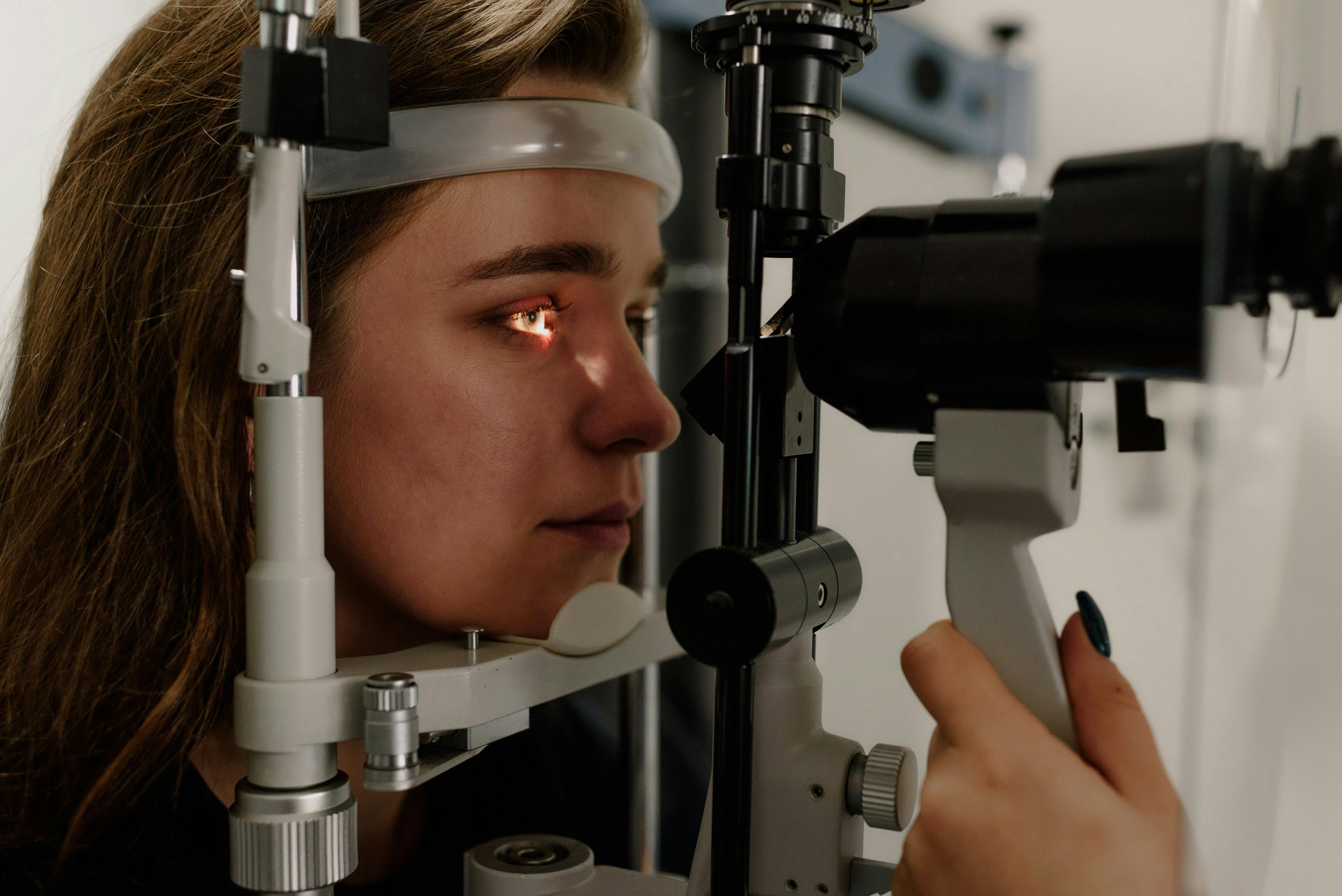
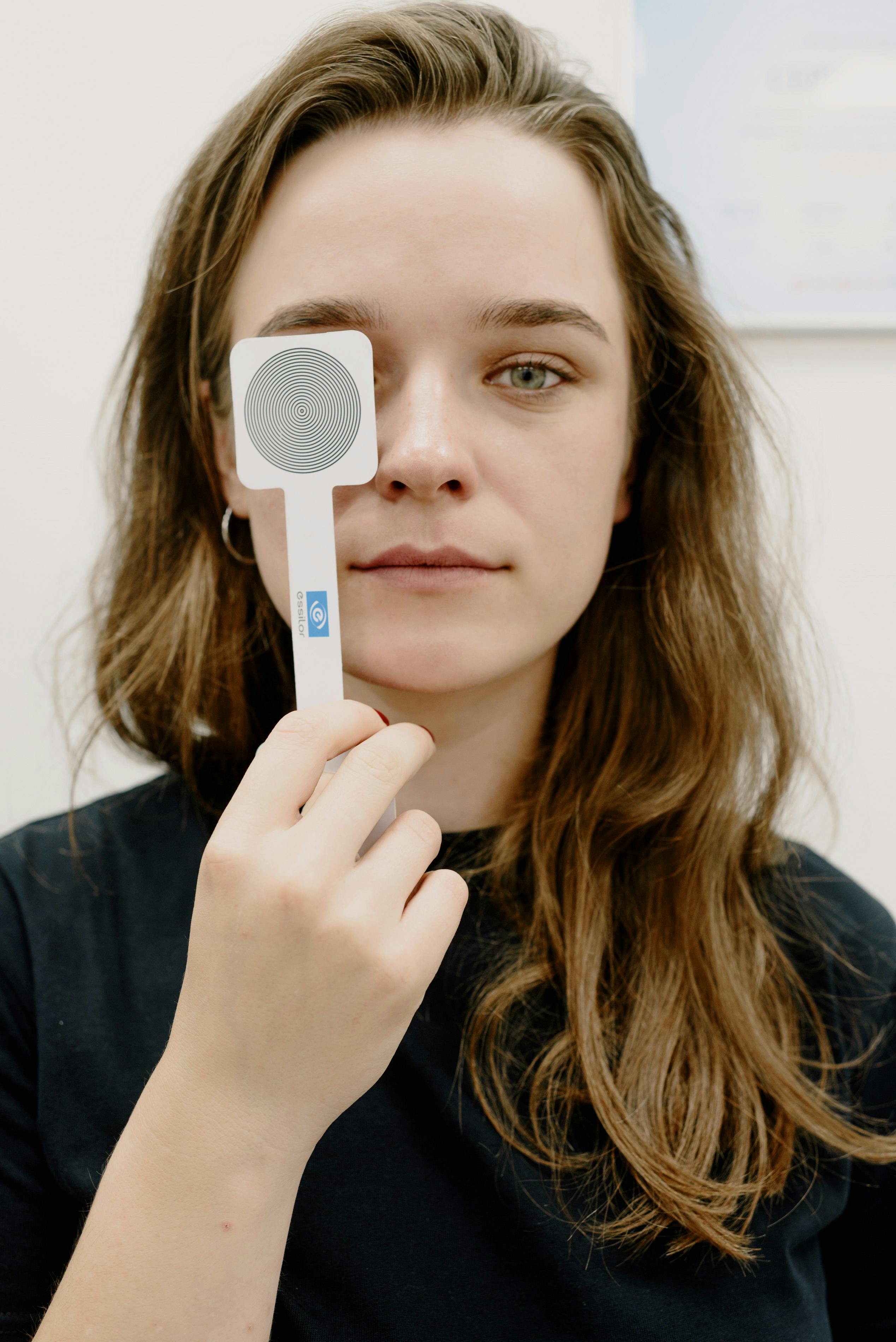
A good dry eye workup goes beyond asking if your eyes feel dry and handing over a bottle of drops. It should include a detailed symptom questionnaire, examination of the lid margins and meibomian glands, assessment of tear volume, measurement of tear film stability, staining of the ocular surface to identify damaged tissue, and evaluation of tear osmolarity. Some advanced clinics perform meibography, a specialized imaging of the oil glands that shows whether they are still present, atrophic, or clogged.
Many primary care eye exams skip most of this. If you have persistent symptoms and have been bouncing between drops without improvement, seek out a dry eye specialist, often a cornea specialist, who will perform a comprehensive workup.
Why Over The Counter Drops Often Fail
Not all artificial tears are equal. Basic tears replace fluid volume briefly. They do nothing for inflammation, meibomian gland dysfunction, or underlying causes.
Tears with preservatives can themselves irritate the eye when used more than four times daily. Preservative free single use vials are better for frequent users. Tears with lipid components help evaporative dry eye by temporarily bolstering the oil layer. Gel based tears provide longer lasting relief but briefly blur vision. Nighttime ointments protect the eye during sleep, which is often when surface damage accumulates.
If you are using artificial tears more than four times a day, you likely need something beyond drops. Persistent symptoms despite frequent drop use are a sign to escalate care.
Treating Meibomian Gland Dysfunction
Because MGD drives most dry eye, addressing it directly changes outcomes dramatically.
Warm compresses melt the thickened oil in clogged glands. Done correctly, they require a warm cloth or dedicated heating mask applied to closed lids for ten minutes, with the cloth rewarmed as it cools. Most people do this inadequately, using too little heat or too little time. The result is partial benefit. Dedicated heating masks with consistent temperature work better than cloths.
Lid hygiene removes debris and crusting that blocks gland openings. Commercial lid wipes or diluted baby shampoo applied with a cotton pad work well. Done nightly for a few weeks, lid hygiene can produce meaningful improvement.
Omega 3 supplementation with high dose EPA and DHA, usually two to three grams daily of combined EPA plus DHA, improves oil quality from within over two to three months. This is different from general fish oil doses used for heart health.
In office treatments have transformed MGD care in recent years. Intense pulsed light therapy reduces inflammation around the lids and improves gland function. Thermal pulsation devices heat and express the oil glands mechanically. Manual gland expression by a specialist clears stubborn blockages. These treatments are not covered by most insurance plans but are worth considering for moderate to severe cases unresponsive to home care.
Treating Aqueous Deficient Dry Eye
When tear production is low, several options work.
Punctal plugs are small inserts placed in the tear drainage openings at the inner corner of the eye. By blocking drainage, they keep your natural and artificial tears on the eye surface longer. Dissolvable plugs test the response. Permanent plugs provide long term benefit for responders.
Prescription anti inflammatory drops such as cyclosporine and lifitegrast reduce surface inflammation and over months increase tear production in many patients. They require patience. Benefits often do not appear for two to three months and can be preceded by burning or stinging initially.
Short courses of low dose steroid drops can calm acute inflammation. Long term steroid use has risks and is not a routine strategy.
Serum tears, made from your own blood serum, are used for severe cases. They contain growth factors and proteins that commercial tears cannot match.
Scleral lenses, large specialty contact lenses that vault over the cornea and create a fluid reservoir against the eye surface, provide remarkable relief for severe dry eye and corneal surface problems. They are expensive and require fitting by a specialist but can transform quality of life.
For severe aqueous deficient cases, tear stimulating nasal sprays recently entered the market. They activate the trigeminal nerve pathway that triggers tear production and offer a novel approach.
Environmental And Behavioral Factors
Screens are a major driver of modern dry eye symptoms. Blink rate drops by more than half during focused screen work, giving tears more time to evaporate between blinks. The twenty twenty twenty rule helps. Every twenty minutes, look at something twenty feet away for twenty seconds. This forces blinks and gives the cornea a rest.
Air conditioning, heating, fans aimed at the face, and low humidity environments accelerate evaporation. Humidifiers in bedrooms and offices help. Avoiding direct airflow to the face helps more than most people realize.
Contact lens wear contributes to dry eye. Silicone hydrogel lenses with good oxygen transmission, daily disposables, and reduced wearing time all improve comfort. Switching to glasses for part of the day gives the eye surface time to recover.
Makeup and skincare can irritate. Waterproof mascara, eyeliner applied to the lid margin, and skincare products that migrate into the eye all worsen symptoms. Gentler alternatives reduce load.
Poor sleep worsens dry eye. Nocturnal lagophthalmos, meaning eyelids not closing fully during sleep, is a common and often missed contributor. A quick assessment by a specialist with a slit lamp and history helps identify it.
Medications That Make Dry Eye Worse
Many common medications have dry eye as a side effect. Antihistamines, decongestants, tricyclic antidepressants, some SSRIs, beta blockers, diuretics, hormone therapy in some patients, and certain acne medications including isotretinoin all reduce tear function.
Reviewing your medication list with your doctor and pharmacist can sometimes identify alternatives. Do not stop medications without medical guidance.
Associated Conditions Worth Ruling Out
Systemic autoimmune disease often presents with dry eye. If you have dryness in the mouth, joint pain, fatigue, or Raynaud symptoms along with dry eye, ask for a rheumatology evaluation. Sjogren syndrome in particular is frequently underdiagnosed and warrants specific workup.
Rosacea of the skin is commonly associated with meibomian gland dysfunction. Treating rosacea actively often helps the eyes.
Thyroid eye disease causes a specific form of dry eye with lid retraction and incomplete blinks. Treating the thyroid condition helps but ocular care may still be needed.
Allergic conjunctivitis mimics dry eye and frequently coexists with it. Treatment of allergy components improves overall symptoms.
A Realistic Expectation
Dry eye is usually a chronic condition that is managed rather than cured. With good care, most people achieve comfort that allows normal activities. Flares happen, particularly during seasonal changes, travel, illness, or periods of heavy screen use. Having a plan for flares, such as increased drop use, extra warm compresses, and reduced screen exposure, helps you respond quickly.
Expecting a single intervention to solve dry eye usually leads to disappointment. Combinations work. A typical successful regimen might involve warm compresses and lid hygiene every evening, omega 3 supplementation daily, preservative free tears as needed, a prescription anti inflammatory drop, screen breaks during the day, and periodic in office treatments. This sounds like a lot, and it is. But many people who follow a structured routine find their eyes far more comfortable than they believed possible after years of struggle.
When To Seek Help
Persistent eye symptoms for more than a few weeks deserve evaluation. Sudden severe eye pain, loss of vision, or light sensitivity require urgent care to rule out more serious conditions. If your usual drops are no longer helping, if you cannot tolerate contact lenses anymore, if you struggle to complete a workday on the computer, or if you have repeatedly tried different drops without relief, you need a comprehensive dry eye workup by a specialist.
Looking Forward
Dry eye research has accelerated over the past decade. New anti inflammatory drops, specialized devices, regenerative therapies, and better diagnostic tools are reaching clinics every few years. Treatment that was experimental five years ago is now standard. If past treatments failed, current options may succeed.
Dry eye is annoying, real, and fixable in most cases. The starting point is a clear diagnosis, and the path forward combines consistent home care with modern professional treatment when needed. You do not have to accept burning, grittiness, and blurred vision as the price of screens and aging. Help is available, and it works.
Sources and Further Reading
Health and Beyond uses reputable medical and scientific sources where possible. These links support or expand on the topics discussed above.
- National Eye Institute: Eye Healthnei.nih.gov
- MedlinePlus: Eyes and Visionmedlineplus.gov