Your eyelids feel heavy in the morning. There is crusting along the lash line that was not there a decade ago. Your eyes burn, itch, and sometimes your lashes fall out more than they should. You might have noticed your eyelids looking a little red, a little inflamed, a little irritated all the time. Artificial tears do not help much. Nothing seems to help much.
What you likely have is blepharitis, inflammation of the eyelid margins. It is one of the most common eye conditions in adults, affecting a significant percentage of older adults in particular. Despite how common it is, blepharitis remains poorly understood by patients and even underdiagnosed by general practitioners. Proper treatment transforms symptoms for most sufferers. Here is what you need to know.
What Blepharitis Really Is
Blepharitis is a chronic inflammatory condition of the eyelid margins. Two main types exist, though they often coexist. Anterior blepharitis affects the outside front of the eyelid where eyelashes attach. Posterior blepharitis involves the inner eyelid where the meibomian glands open and secrete their oily contribution to the tear film.
Anterior blepharitis often involves bacterial colonization, particularly Staphylococcus species, and sometimes seborrheic issues similar to dandruff of the scalp. Posterior blepharitis typically involves meibomian gland dysfunction, where the glands that produce tear oil become blocked, inflamed, and dysfunctional.
Most patients with chronic blepharitis have a mixed picture, with elements of both anterior and posterior disease. This explains why simple treatments often fail. You need to address multiple mechanisms.
Rosacea, the skin condition that causes facial redness and pimples, frequently involves the eyelids in what is called ocular rosacea. This is essentially blepharitis driven by rosacea related inflammation. If you have facial rosacea and blepharitis, treating them together produces better results than treating either alone.
Demodex mites, microscopic creatures that naturally live in hair follicles, are increasingly recognized as important contributors to blepharitis. Heavy Demodex infestation causes a characteristic appearance with waxy collarettes around lash bases. Treatment specifically for mites transforms these cases.
The Symptoms You Should Not Ignore
Blepharitis symptoms are typically worse in the morning and improve slightly through the day. This pattern is almost opposite to simple dry eye, which often worsens as the day wears on. Both conditions coexist in many people, producing symptoms all day.
Crusting along the lashes, especially on waking, is highly characteristic. The crusts may be dandruff like, yellowish, or sometimes greasier in appearance. Some people notice tiny cylinders around lash bases, which suggest Demodex involvement.
Burning and itching of the eyelid margins are common. The itching is often worse than with simple allergies and does not respond to antihistamines. Redness along the lid margin, visible when you pull the lid down gently and look closely, is another key finding.
Your eyelashes may thin or fall out excessively. They may point in odd directions as follicles get damaged over time. Styes and chalazia, the lumps that form on eyelids, become more frequent because the meibomian glands are already inflamed and prone to blockage.
Dry eye symptoms overlap heavily with blepharitis symptoms. Since the meibomian glands produce the oil layer of the tear film, their dysfunction in posterior blepharitis leads to evaporative dry eye. Grittiness, burning that worsens with screen use, and tearing all occur.
Vision can fluctuate throughout the day as the tear film becomes unstable between blinks. Contact lens wear becomes uncomfortable or impossible.
The Underlying Causes
Blepharitis rarely has one simple cause. Multiple factors usually combine.
Bacterial overgrowth on the eyelid margin contributes to anterior blepharitis. Staphylococcus species produce toxins and inflammation directly. The normal skin flora shift with age, medications, and other changes.
Seborrheic dermatitis, the skin condition that causes scalp dandruff and flaking of the face, often extends to eyelids. If you have flaky eyebrows, behind the ears, or in the nasolabial folds, and also have blepharitis, the conditions are likely related.
Rosacea, as mentioned, drives ocular involvement in many patients. The same inflammatory pathways that produce facial flushing and visible blood vessels affect eyelid tissue.
Meibomian gland dysfunction develops with age, hormonal shifts, contact lens wear, prolonged screen time, and various medications. The glands stop secreting healthy oil, their contents thicken, and the gland openings become blocked.
Demodex infestation increases with age. Most people have some Demodex, but when the population overgrows, problems develop. Immunocompromised states, poor lid hygiene, and rosacea all predispose to heavier infestation.
Hormonal changes, particularly around menopause, shift the entire environment of the eyelid and often trigger or worsen blepharitis.
Certain medications contribute. Isotretinoin for acne, many antihistamines, some blood pressure medications, and hormone therapies all can affect meibomian gland function or tear production.
Why Treatment Often Fails Initially
Many blepharitis patients have tried warm compresses on and off, used over the counter eyelid wipes occasionally, and maybe gotten a prescription or two, yet never really improved. This happens because blepharitis treatment requires consistency, correct technique, and often a combination of approaches.
Warm compresses for thirty seconds do nothing. The glands need ten to fifteen minutes of sustained heat to liquefy their contents. Mask style heating devices make this practical where washcloths are frustrating.
Eyelid scrubs once a week when you remember do not work. This is daily hygiene, like brushing teeth. Once you start, you keep going for life, or the condition returns.
Generic baby shampoo is not ideal. Dedicated lid cleansers contain ingredients targeted at the specific problems. Tea tree oil products attack Demodex. Hypochlorous acid products reduce bacterial load. Different problems need different solutions.
Missing the Demodex component is extremely common. If you have been treating blepharitis for years without improvement, ask specifically about Demodex and whether you have been tested or treated for it.
Not addressing the meibomian gland component leaves posterior blepharitis untreated. Warm compresses plus gland expression, either at home or in office, addresses this. Office based treatments like Lipiflow, iLux, or IPL have transformed outcomes for many patients.
A Treatment Approach That Works
The foundation of blepharitis care is daily lid hygiene. Start with ten to fifteen minutes of warm compress to the closed eyelids. Follow with gentle massage of the eyelid margins, either with clean fingers or with lid massage tools. Then clean the lid margins with a dedicated cleanser. Do this consistently for weeks before judging results.
For Demodex, specific treatments make a major difference. Tea tree oil based cleansers and lid scrubs are available over the counter. Prescription lotilaner eye drops, approved specifically for Demodex blepharitis, are highly effective for stubborn cases. In office microblepharoexfoliation procedures deep clean the lid margins.
Antibiotic treatment helps many patients with anterior blepharitis. Topical antibiotic ointments applied to the lid margins at bedtime reduce bacterial load. Oral low dose doxycycline or azithromycin works through anti inflammatory effects, particularly helpful for rosacea related blepharitis. These treatments typically continue for two to three months before tapering.
For meibomian gland dysfunction, office treatments have revolutionized care. Lipiflow applies heat and pulsed pressure to unclog glands. IPL uses intense pulsed light to reduce inflammation and improve gland function. BlephEx exfoliates the lid margins mechanically. These are not covered by most insurance but can produce dramatic improvement when conservative care is inadequate.
Omega three supplementation supports meibomian gland function. Look for products with high EPA and DHA content, typically two to three grams daily.
Short courses of topical corticosteroids break inflammatory cycles in severe flares. These must be used under ophthalmologist supervision due to side effects with prolonged use.
Artificial tears address the dry eye component. Preservative free options are best for frequent use. Lipid containing tears help with evaporative dry eye.
Address coexisting conditions. Treat facial rosacea with your dermatologist. Control scalp seborrheic dermatitis. Review medications that might contribute.
Long Term Management
Blepharitis is chronic. You do not cure it, you manage it. The consistency of daily hygiene determines whether it stays controlled or flares. This is frustrating but important to accept. Patients who commit to the routine usually do well. Those who try it for a few weeks and give up cycle through ongoing symptoms.
Flares happen even with good care. Increased irritation, new crusting, or worsening dry eye symptoms usually respond to intensifying hygiene temporarily and sometimes a short course of antibiotic or anti inflammatory therapy.
Recheck with your eye doctor periodically. Things change. Gland atrophy progresses if untreated. New treatments emerge. Medication lists change. Regular monitoring catches issues while they are still reversible.
What Not to Do
Skip the aggressive scrubbing. Rough cleaning damages delicate lid tissues and actually worsens inflammation. Gentle is the word.
Do not use makeup on inflamed lids. Eyeliner inside the lash line, heavy mascara, and extensions all contribute to blepharitis. Give lids a break during active flares.
Avoid sleeping in makeup ever. This is bad for lids in general and terrible with blepharitis.
Do not expect overnight improvement. Blepharitis takes weeks to months to respond to treatment. Patience and consistency win.
Do not rely on drops alone. Artificial tears help symptoms but do not address the underlying inflammation.
When to See a Specialist
If you have been treating blepharitis unsuccessfully for months, see an ophthalmologist, ideally one with a dry eye or ocular surface focus. They have tools and treatments general eye doctors may not offer.
New onset blepharitis with unusual features, marked vision changes, or corneal involvement needs prompt specialist evaluation. Rarely, tumors or other conditions mimic blepharitis, and persistent atypical cases deserve thorough investigation.
The Bigger Picture
Blepharitis is one of those conditions that is minor in severity but major in impact because it is so common and so chronic. Getting it under control improves daily comfort, preserves vision quality, and prevents complications like recurrent styes, corneal damage from poor tear film, and permanent gland loss.
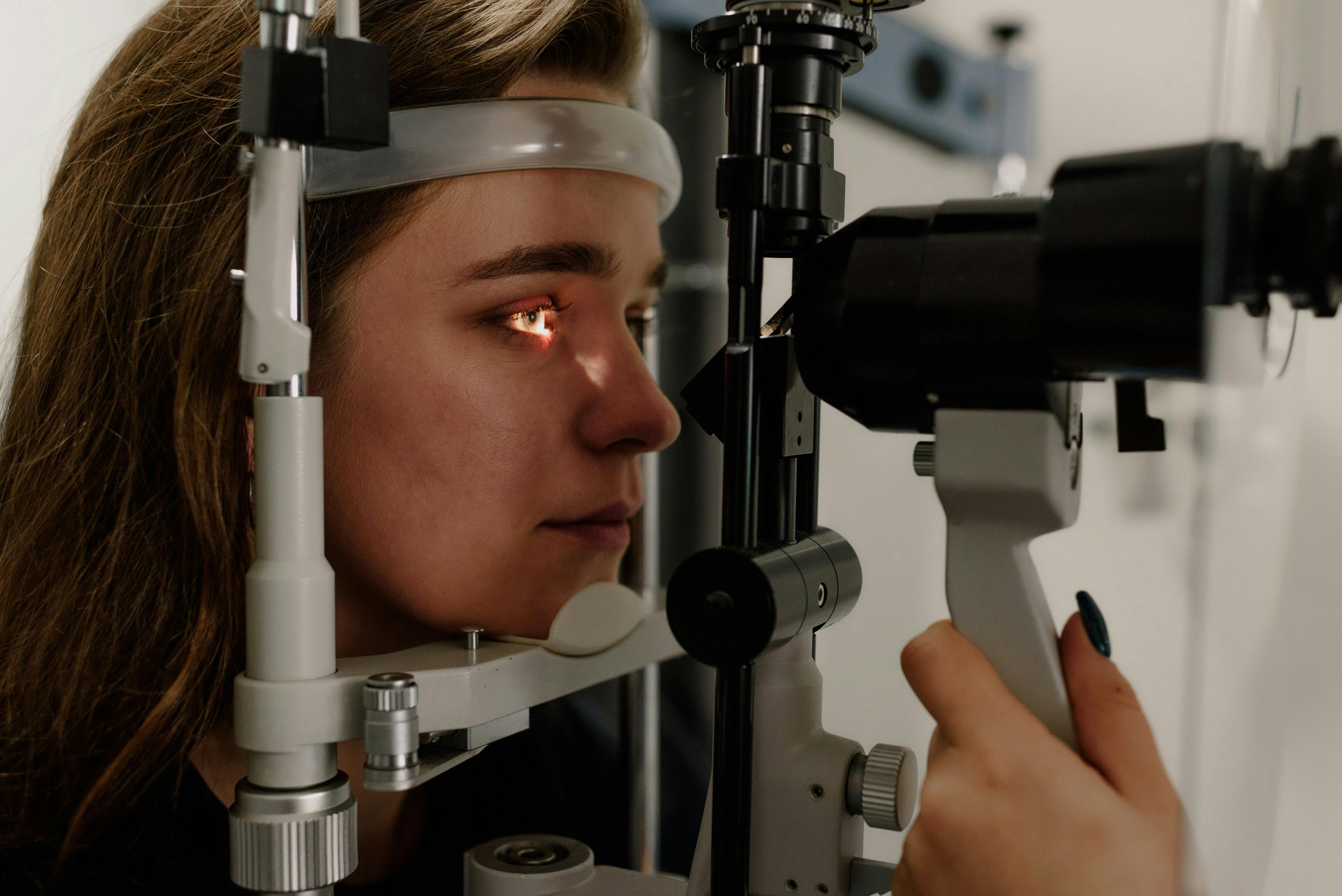
The key message is that modern blepharitis treatment is more effective than many people realize. If you have been struggling with chronic lid irritation, consider whether your current approach is actually treating all the mechanisms involved. With proper evaluation and consistent multimodal treatment, most people achieve significant improvement and keep it.
Sources and Further Reading
Health and Beyond uses reputable medical and scientific sources where possible. These links support or expand on the topics discussed above.
- National Eye Institute: Eye Healthnei.nih.gov
- MedlinePlus: Eyes and Visionmedlineplus.gov