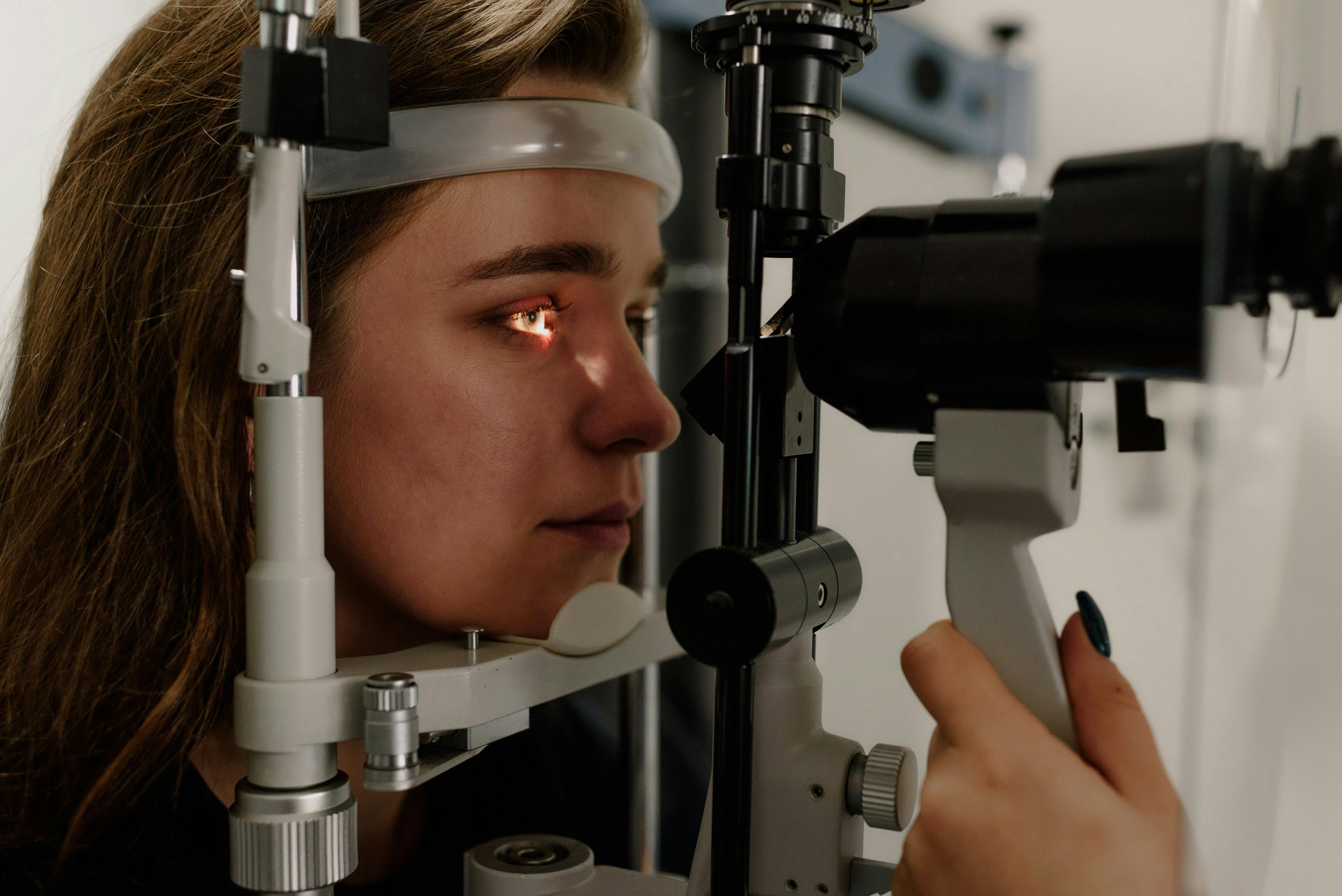
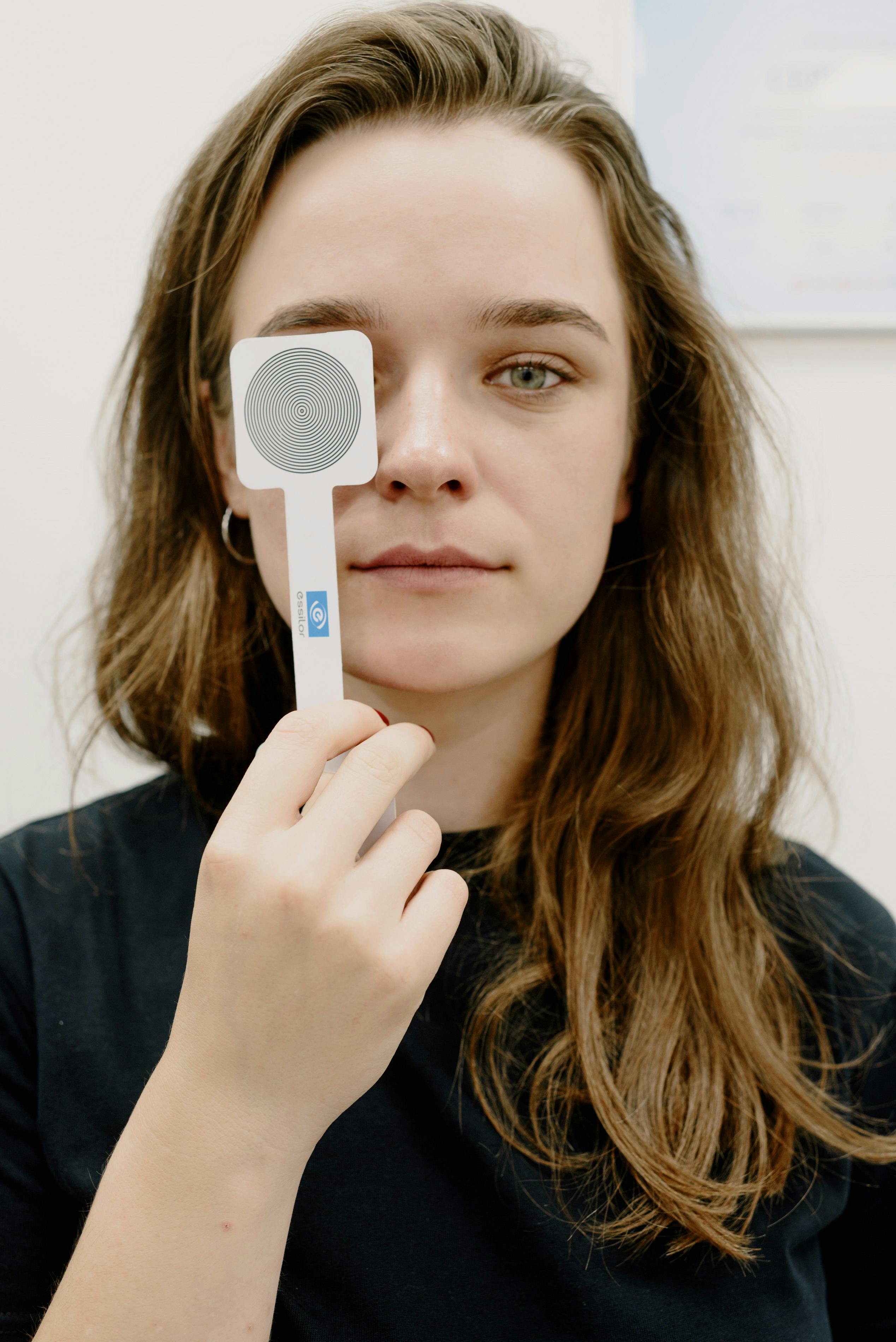
You notice your night driving is not what it used to be. Oncoming headlights produce halos and glare that make staying in your lane harder. Colors seem a little faded, like a layer of yellow film coats everything. Reading in dim light is becoming difficult. Your eye doctor mentions cataracts. Suddenly you are facing decisions about surgery, and you wonder if you really need it or if you can wait a few more years.
Cataract surgery is the most commonly performed surgical procedure in the world, with millions done annually. The technology has advanced dramatically, with outcomes better than ever and recovery faster than most patients expect. Still, the decision of when to have surgery remains personal, influenced by how much your vision affects daily life, your specific lens options, and your overall health. Here is a clear guide to understanding cataracts and making good decisions about them.
What a Cataract Really Is
The eye has a natural lens sitting behind the pupil, focusing light onto the retina. In youth this lens is clear and flexible. With age, proteins in the lens gradually clump together, creating opacities that scatter and block light. A cataract is simply a clouded lens.
This process begins in most people by the fifties, becoming clinically significant in many by the sixties and seventies, and affecting most adults by age eighty. Nearly everyone who lives long enough develops cataracts. The question is when they become advanced enough to affect vision meaningfully.
Cataracts develop in different patterns that produce different symptoms. Nuclear sclerotic cataracts form in the center of the lens and usually progress slowly, causing yellowing of vision and nearsighted shift. Cortical cataracts form spoke like opacities from the edge inward and tend to produce glare and scatter. Posterior subcapsular cataracts form on the back surface of the lens and often cause dramatic glare problems and reading difficulty even when the rest of the lens remains clear.
Some people develop combinations of these types. The specific pattern affects both symptoms and surgical considerations.
Symptoms to Watch For
Cataracts rarely hurt. They just gradually steal visual quality in subtle then more noticeable ways.
Blurred or cloudy vision affecting distance, reading, or both is the most common symptom. The blur is not corrected fully by stronger glasses because the problem is in the lens itself rather than focus.
Glare and halos around lights, especially at night, are classic cataract symptoms. Oncoming headlights become painful or disabling. Streetlights have rainbows around them. Driving at night becomes limited or avoided.
Colors appear faded or yellowed. Whites look cream. Blues look washed out. Many patients are amazed after surgery at how vivid colors had quietly faded without their noticing.
Double vision in one eye, where closing the other eye still shows doubled images, can occur with certain cataract patterns.
A need for more light to read, difficulty with facial recognition, and trouble seeing road signs early enough while driving all suggest cataracts affecting function.
Frequent prescription changes sometimes happen as cataracts progress. Second sight, a temporary improvement in near vision because of nearsighted shift from a nuclear cataract, is common but does not reflect actual eye health improvement.
Eventually, if untreated, cataracts advance to the point where vision is severely compromised. This is rare in developed countries because surgery is accessible, but it remains a major cause of blindness worldwide where surgery is not available.
Risk Factors
Age is the dominant risk factor. All the other risk factors affect when cataracts develop and how quickly they progress, layered onto the unavoidable aging process.
UV light exposure over a lifetime accelerates cataract formation. This is why sunglasses with UV protection worn consistently over decades matter for eye health, not just comfort.
Smoking doubles cataract risk. The oxidative damage from smoking affects the lens along with many other tissues. Quitting at any age helps going forward.
Diabetes accelerates cataract formation, particularly in younger patients. Poor glycemic control makes it worse.
Long term steroid use, especially oral and eye drop forms, contributes to cataracts. People who must take steroids for other conditions should be monitored for cataract development.
Previous eye surgery, particularly for complicated retinal conditions, can contribute to cataract progression.
Eye trauma can cause cataracts immediately or years later, sometimes in unusual patterns.
High myopia and other structural eye conditions can be associated with earlier cataract development.
Certain medications beyond steroids, including some antipsychotics and amiodarone, have been associated with cataract formation.
Alcohol use in heavy amounts may accelerate cataracts. Genetics influence timing and pattern.
Preventing or Slowing Cataracts
While you cannot fully prevent age related cataracts, you can slow their development through reasonable measures.
Quality sunglasses with UV protection worn whenever outdoors during sunny hours protect the lens. Wraparound styles are best. Start these habits young since the damage accumulates over decades.
Stop smoking. The benefits extend well beyond cataract prevention.
Eat a diet rich in antioxidants, particularly vitamin C, vitamin E, lutein, and zeaxanthin. Colorful fruits and vegetables, leafy greens, nuts, and seeds all contribute. The same dietary pattern that benefits macular degeneration prevention and general health applies.
Control diabetes tightly. Good glycemic control slows diabetic cataract progression.
Manage other health conditions that accelerate cataracts.
Get regular eye exams, especially after fifty, so cataracts are monitored appropriately.
When Surgery Is Right
Cataract surgery used to be delayed until the cataract was very advanced. That thinking is outdated. Current practice is to recommend surgery when cataracts are significantly affecting your daily life, even if the cataract is not technically advanced.
Signs that surgery makes sense include difficulty driving at night, struggle with reading despite good glasses, problems recognizing faces or reading signs, glare that limits outdoor activities, and overall dissatisfaction with visual quality.
The decision is personal. Someone who rarely drives at night and mostly reads on a tablet with adjustable contrast may tolerate cataracts longer than someone who drives for work and reads small print constantly.
Your vision is measured both for clarity at distance and near, and in some cases for glare sensitivity, contrast sensitivity, and function in low light. Surgery recommendations consider all of these rather than just the standard eye chart acuity.
Waiting is reasonable when cataracts are mild and symptoms minor. Waiting too long is also fine from a surgical safety standpoint, though quality of life often suffers needlessly.
Some medical conditions shift the timing. If you develop another eye condition where clear visualization of the retina is needed for treatment or monitoring, cataract surgery may be recommended earlier. If other health issues require intervention, you might time surgery around them.
What Surgery Actually Involves
Modern cataract surgery is remarkably refined. Under local anesthesia with mild sedation, the surgeon makes tiny incisions in the cornea, breaks up the cloudy lens using ultrasound in a process called phacoemulsification, removes the fragments, and implants a clear artificial lens. The whole procedure typically takes fifteen to thirty minutes.
You are awake but comfortable. Most patients feel some pressure or movement but no pain. The eye is numb from drops and injection. Many patients are surprised at how straightforward the experience turns out to be.
Recovery is usually rapid. Most patients see improvement within a day or two. Final visual result stabilizes over weeks. Eye drops are used for a few weeks to prevent infection and inflammation. Most normal activities resume quickly, with some restrictions on heavy lifting or eye rubbing during initial healing.
Choosing an Intraocular Lens
The artificial lens implanted during surgery has major implications for your post surgical vision. Several categories exist.
Monofocal lenses provide clear vision at one focal point, usually distance. You will still need reading glasses afterward. These are covered by insurance and produce excellent quality vision at their chosen focal point.
Multifocal lenses provide vision at multiple distances, reducing or eliminating reading glasses. They involve trade offs including some glare, halos, or slight reduction in contrast. Patient satisfaction is high when the lenses are a good fit for lifestyle and expectations.
Extended depth of focus lenses aim for a broader range of clear vision with fewer optical side effects than traditional multifocals.
Toric lenses correct astigmatism at the time of surgery, reducing glasses dependence.
Monovision, with one eye set for distance and the other for near, is another option using monofocal lenses.
New lens designs continue to emerge, with light adjustable lenses allowing tuning of prescription after surgery in some cases.
The right choice depends on your visual needs, personality, other eye conditions, and budget. Have this conversation in detail with your surgeon well before the procedure.
Complications and Risks
Cataract surgery is remarkably safe, but no surgery is risk free. Serious complications are uncommon.
Infection occurs in about one in a few thousand cases and can be serious. Modern antiseptic protocols have made this very rare.
Swelling of the cornea or retina can affect vision temporarily and occasionally longer term.
Posterior capsule opacification, where the membrane behind the implant becomes cloudy, is the most common late issue. This is treated easily in the office with a laser procedure that takes minutes.
Retinal detachment occurs in a small percentage of patients, particularly those with high myopia. Awareness of warning signs like new floaters, flashes, or a curtain over vision allows prompt treatment.
IOL dislocation, glare or halos from certain lens types, refractive surprises, and others occur at low but real rates.
Overall outcomes are excellent for the great majority of patients, with visual improvement and satisfaction the norm.
After Surgery
Most patients need glasses for some tasks even after cataract surgery, depending on the lens chosen and baseline prescription. Readers, distance glasses, or computer glasses may still be useful.
Most patients see significantly better than before surgery. Colors are vibrant again. Night driving often improves dramatically. Reading is easier. The world simply looks better.
Regular eye exams continue after cataract surgery. Other eye conditions like glaucoma and macular degeneration still need monitoring.
Cataracts do not grow back after surgery. The posterior capsule opacification mentioned earlier is different and easily treated.
The Bottom Line
Cataracts are an almost universal aspect of aging. They do not have to limit your life. When they begin affecting activities you care about, surgery is a safe, effective, and often life enhancing option. Modern techniques and lens options allow customization to your specific needs.
The right time for surgery is when your symptoms are meaningfully affecting your quality of life, not when some test hits a specific number. Have honest conversations with your eye doctor about your visual needs and limitations. When the time comes, you are very likely to be thrilled with the results. Clear vision is worth prioritizing.
Sources and Further Reading
Health and Beyond uses reputable medical and scientific sources where possible. These links support or expand on the topics discussed above.
- National Eye Institute: Eye Healthnei.nih.gov
- MedlinePlus: Eyes and Visionmedlineplus.gov