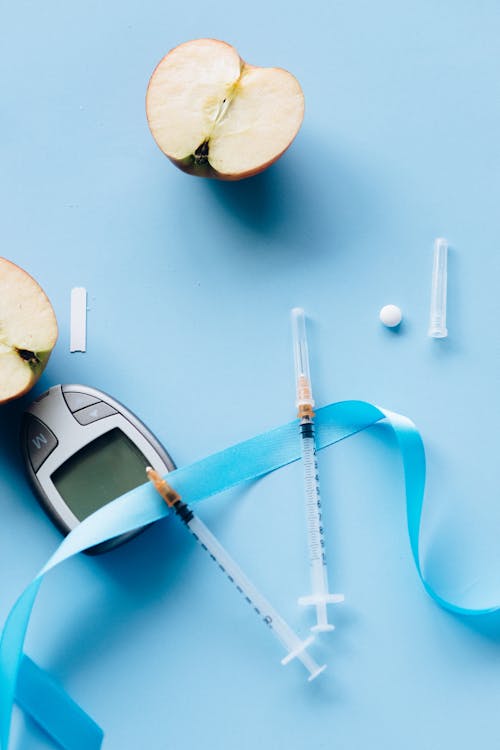
Approximately 96 million American adults—more than one in three—have prediabetes, and 80 percent of them do not know it. If you have just been told that your blood sugar is "borderline" or that you have prediabetes, you are standing at one of the most important crossroads in your health journey. The path you take over the next ninety days can determine whether you progress toward type 2 diabetes or reverse course entirely.
Here is the essential truth that should give you both urgency and hope: prediabetes is reversible. Not theoretically, not sometimes, but consistently and reliably when addressed with the right interventions. The landmark Diabetes Prevention Program study demonstrated that lifestyle intervention reduced the risk of progressing from prediabetes to type 2 diabetes by 58 percent—nearly twice as effective as the medication metformin at 31 percent. In adults over 60, lifestyle intervention was even more powerful at 71 percent risk reduction.
This is not a vague suggestion to "eat better and exercise more." This is a structured, 90-day protocol based on the interventions that clinical trials have proven most effective, organized into actionable phases that build on each other.
Understanding Your Starting Point
Prediabetes is diagnosed when blood sugar levels are elevated above normal but have not yet reached the threshold for type 2 diabetes. The specific criteria are a fasting blood glucose between 100 and 125 mg/dL, an HbA1c between 5.7 and 6.4 percent, or a two-hour oral glucose tolerance test result between 140 and 199 mg/dL.
These numbers represent a transitional state. Your pancreas is still producing insulin, but your cells are becoming increasingly resistant to its effects, forcing your pancreas to work harder. Depending on which direction you push your metabolism, you will either cross into diabetes territory or restore normal glucose regulation.
The 90-day timeframe is not arbitrary. It corresponds to the lifespan of red blood cells, meaning that a new HbA1c test after 90 days of consistent lifestyle change will reflect your improved metabolic state. It is also enough time for measurable improvements in insulin sensitivity, body composition, and metabolic biomarkers to occur and stabilize.
Phase 1: Foundation (Days 1-30)
The first month focuses on establishing the core habits that drive prediabetes reversal, starting with the changes that produce the quickest measurable results.
Dietary Restructuring
The single most impactful dietary change for prediabetes reversal is reducing refined carbohydrates and added sugars. This does not mean eliminating carbohydrates entirely—it means replacing processed carbohydrates that spike blood sugar rapidly with whole-food carbohydrates that release glucose gradually.
Eliminate or dramatically reduce white bread, white rice, white pasta, pastries, cookies, sweetened beverages (including juice), breakfast cereals, and foods with added sugars. Replace them with whole grains (oats, quinoa, brown rice, whole wheat), legumes (lentils, chickpeas, black beans), vegetables, and moderate amounts of whole fruit.
Restructure your plate using the diabetes prevention plate method: fill half your plate with non-starchy vegetables, one quarter with lean protein, and one quarter with whole-grain or starchy carbohydrates. This simple visual framework automatically controls carbohydrate portions while ensuring adequate nutrition.
Add protein and healthy fat to every meal and snack. This combination slows glucose absorption and promotes satiety, reducing the blood sugar spikes that stress your insulin-producing cells. Eggs, Greek yogurt, nuts, seeds, fish, poultry, olive oil, and avocado are excellent options.
Reduce portion sizes moderately rather than drastically. The goal is a sustainable caloric deficit of 500 to 750 calories per day, which produces the 5 to 7 percent body weight loss that research shows is sufficient to significantly improve insulin sensitivity.
Movement Initiation
Begin with walking—the most accessible and consistently effective exercise for prediabetes reversal. Start with a daily 15 to 20 minute walk, ideally after your largest meal when blood sugar is highest. Post-meal walking has been shown to reduce glucose spikes by 20 to 30 percent, providing immediate metabolic benefit.
If you are currently sedentary, fifteen minutes daily is a legitimate starting point. The research is clear that any movement is dramatically better than none, and that building a consistent habit matters more than achieving a specific intensity or duration in the first month.
Add two sessions per week of basic resistance training—bodyweight squats, wall push-ups, seated rows with a resistance band, or whatever your current fitness allows. Skeletal muscle is your body's largest glucose disposal site, and increasing muscle mass and muscle quality directly improves insulin sensitivity.
Sleep Optimization
Chronic sleep deprivation is a direct driver of insulin resistance that is frequently overlooked in diabetes prevention conversations. Research shows that sleeping fewer than six hours per night increases diabetes risk by approximately 28 percent, independent of other risk factors.
During Phase 1, establish a consistent sleep schedule—going to bed and waking at the same times seven days a week. Aim for seven to eight hours of total sleep time. Create a sleep-supportive environment by keeping your bedroom dark, cool, and quiet, and by reducing screen exposure in the hour before bed.
If you snore, experience daytime sleepiness despite adequate sleep hours, or have been told you stop breathing during sleep, discuss sleep apnea screening with your healthcare provider. Untreated sleep apnea significantly worsens insulin resistance and can undermine your other reversal efforts.
Phase 2: Acceleration (Days 31-60)
With foundational habits established, the second month intensifies the interventions to accelerate metabolic improvement.
Dietary Refinement
Build on Phase 1 dietary changes by incorporating specific foods with demonstrated blood-sugar-lowering properties. Add daily servings of legumes (which improve insulin sensitivity through the "second meal effect"), berries (whose anthocyanins activate glucose uptake pathways), leafy greens (rich in magnesium that supports insulin signaling), and nuts and seeds (whose combination of healthy fats, fiber, and minerals stabilizes blood sugar).
Implement time-restricted eating if it suits your lifestyle—compressing your daily eating window to approximately 10 hours (for example, eating between 8 AM and 6 PM). A randomized controlled trial published in Cell Metabolism found that time-restricted eating improved insulin sensitivity and reduced fasting glucose in people with prediabetes and metabolic syndrome, independent of caloric reduction.
Begin tracking your carbohydrate intake if you have not already. Aim for approximately 130 to 150 grams of carbohydrate daily, prioritizing sources with low glycemic index values. This moderate carbohydrate approach has consistently outperformed both very low carbohydrate and high carbohydrate diets for insulin sensitivity improvement in clinical trials.
Exercise Progression
Increase your daily walking to 30 minutes, or approximately 7,000 to 8,000 steps per day as measured by a pedometer or smartphone. This target corresponds to the range where research shows the most significant metabolic benefit relative to effort.
Increase resistance training to three sessions per week and begin progressively increasing resistance or difficulty. If you started with bodyweight exercises, consider adding light dumbbells or resistance bands. Focus on compound movements that engage large muscle groups—squats, deadlifts, rows, presses—as these recruit the most muscle tissue and have the greatest impact on glucose disposal capacity.
Add one to two sessions per week of moderate-intensity aerobic exercise beyond walking—swimming, cycling, elliptical training, or whatever you enjoy. The American Diabetes Association recommends at least 150 minutes of moderate-intensity aerobic activity per week for diabetes prevention.
Stress Management Integration
Chronic stress elevates cortisol, which directly promotes insulin resistance through increased hepatic glucose production and reduced peripheral glucose uptake. During Phase 2, implement a daily stress management practice.
Choose one approach and commit to daily practice: 10 minutes of guided meditation using an app like Headspace or Calm, 15 minutes of gentle yoga focusing on breathing and relaxation, progressive muscle relaxation before bed, or a daily nature walk (which combines movement with the well-documented stress-reducing effects of natural environments).
The specific technique matters less than consistency. Research shows that even brief daily stress management practice produces measurable reductions in cortisol levels and improvements in insulin sensitivity within four to six weeks.
Phase 3: Consolidation (Days 61-90)
The final month focuses on cementing the habits that will sustain your metabolic improvement long-term and fine-tuning your approach based on your body's response.
Dietary Sustainability
Shift your mindset from "following a program" to "this is how I eat." Review the dietary changes you have made over the past sixty days and identify which ones feel sustainable for the long term. The most effective diet for prediabetes reversal is the one you will actually maintain for years, not the one that produces the most dramatic short-term results before being abandoned.
Develop a repertoire of 10 to 15 meals that you enjoy, that are easy to prepare, and that support your blood sugar goals. Having reliable go-to meals eliminates the decision fatigue that leads to impulse eating during busy or stressful periods.
If you have not already, consider meeting with a registered dietitian for personalized guidance. A single consultation can identify specific adjustments to your dietary approach based on your food preferences, cultural background, schedule, and metabolic response patterns.
Exercise as Identity
By day 61, exercise should be transitioning from something you do to something you are. You are a person who walks daily. You are a person who lifts weights three times a week. This identity shift is critical for long-term adherence because it removes the daily negotiation of "should I exercise today?" The answer is simply yes, because that is who you are.
If you have been consistent with Phase 2 exercise recommendations, consider adding variety to prevent boredom and further challenge your body. Try a group fitness class, a sport, hiking, or a new form of exercise that appeals to you. The novelty supports motivation, and different movement patterns challenge your muscles in ways that can further improve insulin sensitivity.
Monitoring and Adjustment
Schedule a follow-up appointment with your healthcare provider at or near the 90-day mark. Request repeat testing of fasting glucose, HbA1c, and fasting insulin levels. Compare these results to your baseline to quantify your improvement.
Many people achieve normal blood sugar levels within 90 days of consistent lifestyle intervention. If your numbers have improved but have not yet normalized, that improvement is still significant—every point of HbA1c reduction decreases your diabetes risk and the risk of future complications. Continue your current approach and retest in another 90 days.
If your numbers have not improved despite consistent effort, discuss the possibility of adding metformin to your lifestyle changes. Metformin is not a failure—it is a tool that can complement lifestyle intervention, and the combination of both is more effective than either alone.
The Science of Why This Works
This protocol works because it targets every major modifiable driver of insulin resistance simultaneously.
Dietary changes reduce the glucose load that insulin-resistant cells struggle to manage while providing nutrients that support insulin signaling. Weight loss—even the modest 5 to 7 percent targeted here—reduces visceral fat, which is the primary source of inflammatory cytokines that impair insulin action. Exercise activates glucose transporters in muscle independent of insulin and reverses the intramuscular lipid accumulation that impairs insulin signaling. Sleep optimization restores the hormonal environment that supports insulin sensitivity. Stress management reduces cortisol-mediated insulin resistance and improves the psychological sustainability of the other interventions.
Each intervention amplifies the others. Better sleep makes exercise easier and reduces stress eating. Exercise improves sleep quality and mood. Better nutrition provides sustained energy that supports physical activity and emotional stability. The whole is genuinely greater than the sum of its parts.
Beyond 90 Days
Reversing prediabetes is an achievement worth celebrating, but it is not a finish line. The genetic and metabolic predisposition that led to prediabetes does not disappear when your blood sugar normalizes. Without sustained lifestyle practices, prediabetes can return.
Think of your new habits as ongoing maintenance rather than a temporary program. The lifestyle changes that reversed your prediabetes are the same ones that protect your cardiovascular health, support your mental wellbeing, maintain your physical function, and improve your quality of life across every dimension. You are not maintaining these habits just to avoid diabetes. You are maintaining them because they make your life measurably better.
The 90-day protocol gives you the structure to establish these habits. The rest of your life gives you the opportunity to benefit from them—every day, every meal, every walk, every night of good sleep, one healthy choice building on the one before it.
Sources and Further Reading
Health and Beyond uses reputable medical and scientific sources where possible. These links support or expand on the topics discussed above.
- Diabetes Prevention Programniddk.nih.gov
- American Diabetes Associationdiabetes.org