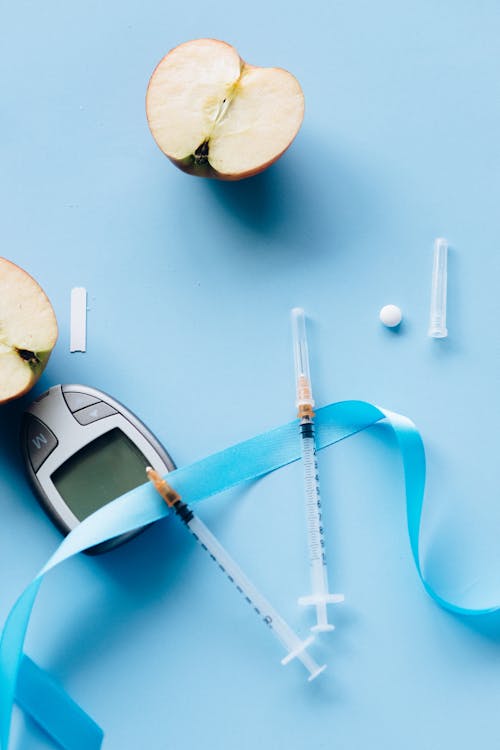
A gestational diabetes diagnosis can feel overwhelming for expectant mothers who are already navigating the physical and emotional demands of pregnancy. The condition affects approximately 6 to 9 percent of pregnancies in the United States, and that number has been rising steadily. While the diagnosis carries real implications that require attention and management, the reassuring truth is that gestational diabetes is one of the most treatable pregnancy complications when properly managed.
Understanding what gestational diabetes is, why it develops, and how to manage it effectively empowers expectant mothers to maintain healthy blood sugar levels, protect their baby's development, and reduce the risk of complications during delivery and beyond.
What Gestational Diabetes Actually Is
Gestational diabetes mellitus (GDM) is a form of diabetes that develops during pregnancy in women who did not have diabetes before becoming pregnant. It typically appears in the second or third trimester — usually between weeks 24 and 28 — when hormonal changes significantly alter how the body processes glucose.
During pregnancy, the placenta produces hormones including human placental lactogen, cortisol, estrogen, and progesterone that progressively increase insulin resistance. This is actually a normal physiological adaptation designed to ensure adequate glucose delivery to the growing fetus. In most women, the pancreas compensates by producing two to three times more insulin than normal.
Gestational diabetes develops when the pancreas cannot keep up with the increased insulin demand. The resulting insulin insufficiency allows blood sugar levels to rise above normal ranges. The condition is not caused by eating too much sugar during pregnancy, though dietary patterns influence blood sugar management after diagnosis.
According to the American College of Obstetricians and Gynecologists, risk factors include being overweight or obese before pregnancy, having a family history of type 2 diabetes, previous gestational diabetes in an earlier pregnancy, being over age 25, belonging to certain ethnic groups with higher diabetes prevalence (Hispanic, African American, Asian, Pacific Islander, and Native American), and having polycystic ovary syndrome.
However, many women who develop gestational diabetes have no identifiable risk factors. The condition can affect anyone, which is why universal screening between 24 and 28 weeks of pregnancy is standard practice.
Diagnosis and Screening
Gestational diabetes screening follows one of two approaches, depending on your healthcare provider's preference and practice guidelines.
The two-step approach is most common in the United States. The first step is a glucose challenge test (GCT) — a non-fasting screening where you drink a 50-gram glucose solution and have your blood sugar measured one hour later. If the result exceeds a threshold (typically 130 or 140 mg/dL, depending on the laboratory), you proceed to the second step: a three-hour oral glucose tolerance test (OGTT). This fasting test involves drinking a 100-gram glucose solution and measuring blood sugar at one, two, and three hours. Gestational diabetes is diagnosed if two or more values exceed established thresholds.
The one-step approach involves a 75-gram two-hour OGTT performed in a fasting state. This method is recommended by the International Association of Diabetes and Pregnancy Study Groups and diagnoses gestational diabetes if any single value exceeds the threshold: fasting glucose of 92 mg/dL or higher, one-hour glucose of 180 mg/dL or higher, or two-hour glucose of 153 mg/dL or higher.
Failing the initial glucose challenge test does not guarantee a gestational diabetes diagnosis. Many women who fail the one-hour screening pass the follow-up three-hour test. Conversely, passing the screening at 24 to 28 weeks does not guarantee that gestational diabetes will not develop later, particularly in high-risk women.
Blood Sugar Management: The Foundation of Treatment
The cornerstone of gestational diabetes management is maintaining blood sugar levels within target ranges. These targets are tighter than those for non-pregnant individuals with diabetes because fetal development is particularly sensitive to maternal glucose levels.
Standard blood sugar targets for gestational diabetes are fasting glucose below 95 mg/dL, one-hour post-meal glucose below 140 mg/dL, and two-hour post-meal glucose below 120 mg/dL. Your healthcare provider may adjust these targets based on your individual clinical picture.
Blood sugar monitoring typically involves checking fasting glucose first thing in the morning and one or two hours after each main meal — four times daily in most protocols. This frequent monitoring may feel burdensome initially but provides the data needed to identify which foods and meals cause problematic spikes and whether management adjustments are needed.
Recording blood sugar readings, meals, physical activity, and any symptoms in a log helps both you and your healthcare team identify patterns and make informed decisions. Many women discover that certain foods consistently spike their blood sugar while others they expected to be problematic are well-tolerated.
The majority of women with gestational diabetes — approximately 70 to 85 percent — can manage their blood sugar through diet and exercise alone without medication. This statistic is empowering because it means dietary and lifestyle modifications are genuinely effective, not merely supportive add-ons.
Meal Planning for Gestational Diabetes
Dietary management does not mean eating less during pregnancy or eliminating entire food groups. It means eating strategically to maintain stable blood sugar while providing the calories and nutrients needed for a healthy pregnancy.
Carbohydrate distribution is the most important dietary principle. Rather than eliminating carbohydrates, distribute them evenly throughout the day across three moderate meals and two to three snacks. Most gestational diabetes meal plans include approximately 30 to 45 grams of carbohydrate per main meal and 15 to 30 grams per snack. This distribution prevents the large glucose spikes that accompany carbohydrate-heavy meals while ensuring adequate energy intake.
Carbohydrate quality matters as much as quantity. Complex carbohydrates from whole grains, legumes, vegetables, and fruits produce gentler blood sugar responses than refined carbohydrates from white bread, sugary cereals, juice, and processed snacks. Brown rice, quinoa, steel-cut oats, sweet potatoes, and whole grain bread are generally better tolerated than their refined counterparts.
Protein and fat pairing with every carbohydrate-containing meal or snack blunts the glycemic response. An apple alone may spike blood sugar, but an apple with almond butter produces a more gradual, manageable rise. This pairing principle is one of the most practical and effective strategies for gestational diabetes management.
Breakfast is often the most challenging meal because insulin resistance is highest in the morning due to cortisol and other hormones. Many women find that breakfast requires the most carbohydrate restriction — sometimes as low as 15 to 30 grams — and benefits most from high-protein options. Eggs with vegetables, Greek yogurt with nuts, or a small portion of whole grain toast with avocado and eggs are commonly well-tolerated breakfasts.
The Centers for Disease Control and Prevention recommends working with a registered dietitian to develop a personalized meal plan. A dietitian experienced with gestational diabetes can tailor recommendations to your cultural food preferences, schedule, and individual glucose responses.
Exercise During Pregnancy With Gestational Diabetes
Physical activity is a powerful blood sugar management tool that works synergistically with dietary modifications. Exercise increases insulin sensitivity, helping muscle cells absorb glucose from the bloodstream without requiring additional insulin.
Walking for 15 to 30 minutes after meals is one of the simplest and most effective strategies. Post-meal walking can reduce peak glucose levels by 20 to 40 mg/dL — often the difference between an in-range and out-of-range reading. This effect is immediate and consistent, making post-meal walking the single most impactful exercise habit for gestational diabetes management.
Beyond post-meal walking, the American College of Obstetricians and Gynecologists recommends at least 150 minutes of moderate-intensity aerobic activity per week during pregnancy, spread across most days. Swimming, stationary cycling, prenatal yoga, and brisk walking are all appropriate options that carry minimal injury risk.
Exercise should feel moderately challenging but comfortable. You should be able to carry on a conversation during exercise (the talk test). Stop immediately if you experience vaginal bleeding, regular contractions, fluid leakage, dizziness, chest pain, or calf pain or swelling.
Certain exercises should be avoided during pregnancy: contact sports, activities with fall risk (horseback riding, downhill skiing), exercises performed flat on the back after the first trimester (which can compress the vena cava), and high-altitude activities if not previously acclimated.
When Medication Becomes Necessary
When diet and exercise do not maintain blood sugar within target ranges, medication is the next step. This is not a failure — it reflects the biological reality that some women's pancreatic capacity simply cannot meet the insulin demands of pregnancy regardless of dietary perfection.
Insulin is the gold standard medication for gestational diabetes and is considered safe for the fetus because it does not cross the placenta. Insulin therapy is typically administered via injection and can be tailored precisely to address specific problem areas — morning fasting highs, post-meal spikes, or both.
Oral medications, particularly metformin and glyburide, are sometimes used as alternatives to insulin. Metformin has an established safety profile in pregnancy and may be preferred by women who are resistant to injections. However, both oral medications do cross the placenta, and long-term outcomes for exposed children are still being studied. According to Harvard Health, insulin remains the preferred first-line pharmacological treatment for gestational diabetes.
Medication doses often increase as pregnancy progresses because insulin resistance naturally intensifies through the third trimester. Dose adjustments are normal and expected — an increasing dose does not mean the diabetes is worsening uncontrollably.
Monitoring Baby's Health
Gestational diabetes increases certain risks to the developing baby, which is why additional monitoring is standard practice.
The most common fetal concern is macrosomia — a baby that grows larger than average due to excess glucose crossing the placenta and stimulating fetal insulin production and fat storage. Macrosomia increases the risk of birth complications including shoulder dystocia, birth injury, and the need for cesarean delivery.
Additional risks include neonatal hypoglycemia (low blood sugar in the baby after delivery), preterm birth, respiratory distress syndrome, and jaundice. Well-managed blood sugar levels significantly reduce all of these risks — the complications are primarily associated with poorly controlled gestational diabetes.
Extra monitoring typically includes more frequent ultrasounds to track fetal growth, non-stress tests in the third trimester to assess fetal well-being, and careful monitoring of amniotic fluid levels. These additional appointments can feel overwhelming but serve the important purpose of ensuring both mother and baby remain healthy.
Delivery Planning and What to Expect
Gestational diabetes influences delivery planning, though many women with well-controlled GDM have normal vaginal deliveries at term.
If blood sugar is well-controlled and there are no complications, your provider may allow pregnancy to continue to 39 to 40 weeks with close monitoring. If blood sugar control is suboptimal, the baby is measuring large, or other complications arise, induction at 37 to 39 weeks may be recommended to reduce the risk of macrosomia-related delivery complications.
During labor, blood sugar is monitored and managed to maintain stable levels. Women on insulin may receive intravenous insulin during labor. Maintaining normal blood sugar during delivery reduces the risk of neonatal hypoglycemia — a condition where the baby's blood sugar drops too low after birth because their pancreas is still producing high levels of insulin in response to the previously elevated glucose supply.
After delivery, blood sugar levels typically normalize rapidly as placental hormones disappear. Blood sugar monitoring continues for 24 to 48 hours postpartum to confirm resolution. Insulin or medication is usually discontinued immediately after delivery.
After Delivery: Long-Term Considerations
While gestational diabetes resolves after pregnancy for most women, the diagnosis carries important long-term implications.
Women who had gestational diabetes have a 50 percent risk of developing type 2 diabetes within 5 to 10 years after delivery. This elevated risk makes postpartum screening and ongoing monitoring essential. The American Diabetes Association recommends a 75-gram oral glucose tolerance test at 4 to 12 weeks postpartum, followed by screening every one to three years thereafter.
The lifestyle habits developed during gestational diabetes management — balanced meals, regular physical activity, blood sugar awareness — serve as powerful protective factors against future type 2 diabetes development. Maintaining these habits postpartum is one of the most effective preventive strategies available.
Breastfeeding offers additional benefits for women with a history of gestational diabetes. Research shows that breastfeeding improves insulin sensitivity and glucose metabolism in the postpartum period and may reduce long-term diabetes risk. Breastfeeding also helps with gradual, healthy weight loss after pregnancy.
Future pregnancies carry a 30 to 70 percent chance of gestational diabetes recurrence. Early screening in subsequent pregnancies — often at the first prenatal visit rather than waiting until 24 to 28 weeks — allows earlier detection and management.
A gestational diabetes diagnosis, while challenging, can become a catalyst for lasting positive health changes. The dietary awareness, exercise habits, and metabolic understanding gained during pregnancy management serve as a foundation for long-term health that benefits both mother and child for years to come.
Sources and Further Reading
Health and Beyond uses reputable medical and scientific sources where possible. These links support or expand on the topics discussed above.
- American College of Obstetricians and Gynecologistsacog.org
- Centers for Disease Control and Preventioncdc.gov
- Harvard Healthhealth.harvard.edu