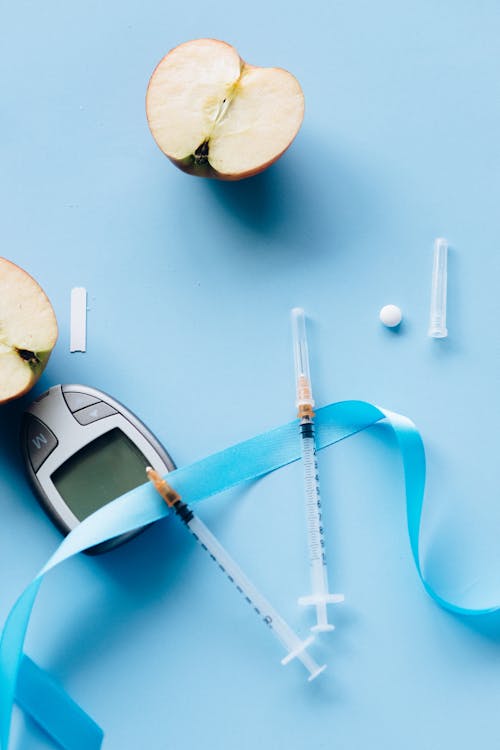
Continuous glucose monitoring technology has undergone a revolution in the past five years. What was once a clunky, expensive tool reserved for people with type 1 diabetes has become a sleek, accessible device that millions of people use daily to understand their metabolic health. The global CGM market exceeded 10 billion dollars in 2025, and adoption continues to accelerate as devices become smaller, more accurate, and more affordable.
A continuous glucose monitor is a small sensor, typically worn on the back of the upper arm or the abdomen, that measures glucose levels in the interstitial fluid just beneath the skin every one to five minutes. Unlike fingerstick blood glucose testing, which gives you a single snapshot in time, a CGM provides a continuous stream of data showing how your glucose levels rise and fall throughout the day and night.
This continuous data fundamentally changes how people understand and manage their blood sugar. Instead of wondering what happened between infrequent fingerstick tests, CGM users can see in real time how specific foods, exercise, stress, sleep, and medications affect their glucose levels.
How Continuous Glucose Monitors Work
The technology behind CGMs is elegantly simple in concept, though sophisticated in execution. A tiny filament, thinner than a human hair and typically 5 to 7 millimeters long, is inserted just below the skin surface into the interstitial space. This filament is coated with glucose oxidase, an enzyme that reacts with glucose to generate a small electrical current.
The strength of that electrical current is directly proportional to the glucose concentration in the surrounding interstitial fluid. A transmitter attached to the sensor converts this electrical signal into a digital glucose reading, which is sent wirelessly to a receiver, smartphone app, or both.
One important distinction that CGM users need to understand is that the sensor measures interstitial glucose, not blood glucose. There is a physiological lag of approximately 5 to 15 minutes between changes in blood glucose and corresponding changes in interstitial glucose. This lag means that during rapidly changing glucose levels, such as right after a meal or during intense exercise, the CGM reading may not perfectly match a simultaneous fingerstick blood glucose reading.
Modern CGMs have dramatically improved accuracy despite this inherent limitation. Current-generation sensors achieve a mean absolute relative difference of 8 to 10 percent compared to laboratory reference measurements. For practical purposes, this level of accuracy is more than sufficient for the vast majority of diabetes management and metabolic health decisions.
Sensor Application and Wear
Applying a CGM sensor takes approximately 30 seconds and is generally painless. The sensor comes pre-loaded in an applicator that looks similar to a large stamp. You press the applicator against your skin, click the button, and the sensor is inserted and adhered in one motion. Most people feel a brief pressure but no significant pain, as the filament is too thin to stimulate pain receptors.
Sensors are designed to be worn continuously for 10 to 16 days depending on the device. They are waterproof, allowing you to shower, swim, and exercise normally. Most sensors are held in place by a medical-grade adhesive that maintains contact through sweat, water exposure, and physical activity. Some people with sensitive skin or very active lifestyles use additional adhesive patches over the sensor for extra security.
After the sensor's designated wear period, you remove it and apply a new sensor. The used sensor is discarded as medical waste. Some devices require a separate transmitter that transfers from old to new sensors, while others integrate the transmitter into the disposable sensor unit.
Current CGM Devices Compared
The CGM market in 2026 is dominated by three major manufacturers, each offering devices with distinct advantages and trade-offs.
Dexcom G7 and G8
Dexcom has long been considered the gold standard in CGM accuracy. The G7, widely available since 2023, features a small, all-in-one sensor that lasts 10 days with a 30-minute warmup period. The G8, released in late 2025, extends sensor life to 15 days and incorporates improved accuracy algorithms that reduce the impact of the interstitial lag.
Dexcom sensors communicate with a dedicated smartphone app and are compatible with multiple insulin pumps for automated insulin delivery systems. The real-time alert system allows customizable high and low glucose alarms, making Dexcom particularly valuable for people with type 1 diabetes who need to respond quickly to dangerous glucose excursions.
Abbott FreeStyle Libre 3 and Libre 4
Abbott's Libre line pioneered the concept of affordable, accessible CGM. The FreeStyle Libre 3 offers a 14-day sensor life at a lower price point than competing devices. The Libre 4, available in early 2026, improved accuracy and added real-time streaming to match Dexcom's continuous data transmission rather than requiring users to scan the sensor.
The Libre sensors are notably thinner and lighter than competing devices, making them popular among people who prefer minimal awareness of the sensor during daily activities. The trade-off historically has been slightly lower accuracy compared to Dexcom during rapid glucose changes, though the gap has narrowed significantly with each generation.
Stelo by Dexcom
Stelo represents Dexcom's entry into the non-prescription, general wellness CGM market. Designed specifically for people without diabetes who want to understand their metabolic health, Stelo provides glucose data through a simplified app interface that focuses on patterns and trends rather than moment-to-moment management.
Stelo does not require a prescription in the United States and is marketed directly to health-conscious consumers. The sensor technology is identical to medical-grade Dexcom devices, but the app experience is designed for people who want actionable insights about their diet and lifestyle rather than clinical diabetes management.
Who Benefits from CGM Technology
The traditional answer was simple: people with diabetes, particularly those using insulin. That answer remains true, but the circle of people who meaningfully benefit from CGM data has expanded considerably.
Type 1 Diabetes
For people with type 1 diabetes, CGM is no longer optional. It is the standard of care. The ability to see glucose trends in real time and receive alerts for dangerous highs and lows has dramatically reduced the incidence of severe hypoglycemia and diabetic ketoacidosis. When paired with an insulin pump in an automated insulin delivery system, CGM enables a degree of glucose control that was impossible with fingerstick testing alone.
Type 2 Diabetes
People with type 2 diabetes benefit from CGM in ways that extend beyond glucose management. Seeing the real-time glucose impact of specific foods creates a powerful feedback loop that drives dietary behavior change more effectively than any nutrition education program. When you watch your glucose spike to 220 after eating white rice but stay flat at 130 after eating the same meal with brown rice, the lesson is immediate and unforgettable.
CGM data also helps people with type 2 diabetes optimize their exercise timing. A 15-minute walk after a meal can reduce the post-meal glucose spike by 30 to 50 percent, and seeing this effect on your CGM in real time motivates consistent post-meal movement.
Pre-Diabetes and Metabolic Health
The fastest-growing segment of CGM users is people without diabetes who want to understand and optimize their metabolic health. An estimated 96 million American adults have pre-diabetes, and most of them do not know it. CGM provides early warning of metabolic dysfunction long before fasting blood glucose or A1C tests become abnormal.
For health-conscious non-diabetics, CGM reveals individual glycemic responses that are impossible to predict from food labels or nutritional databases alone. Identical meals produce different glucose responses in different people due to variations in gut microbiome composition, insulin sensitivity, meal timing, sleep quality, and stress levels. CGM is the only tool that shows you your personal response.
Understanding Your CGM Data
Raw glucose numbers are useful, but the real value of CGM comes from understanding patterns and trends. Several key metrics help translate continuous data into actionable insights.
Time in Range
Time in range measures the percentage of time your glucose stays within a target zone. For people with diabetes, the standard target range is 70 to 180 milligrams per deciliter, with a goal of spending at least 70 percent of the time in range. For non-diabetics focused on metabolic optimization, a tighter range of 70 to 140 is often used.
Time in range is now considered a more meaningful metric than hemoglobin A1C for day-to-day diabetes management because it captures glucose variability that A1C misses entirely. Two people can have identical A1C values of 7.0 while having dramatically different glucose patterns, one with stable glucose and the other with dangerous swings between highs and lows.
Glucose Variability
Glucose variability, measured by the coefficient of variation, reflects how much your glucose fluctuates throughout the day. A coefficient of variation below 36 percent indicates stable glucose, while higher values indicate problematic variability. Reducing glucose variability is associated with lower cardiovascular risk, better energy levels, improved cognitive function, and reduced inflammation.
Ambulatory Glucose Profile
The ambulatory glucose profile compiles two to four weeks of CGM data into a single visual summary that shows your typical glucose patterns across a 24-hour period. This visualization makes it easy to identify recurring patterns like consistent morning glucose spikes, post-lunch crashes, or nighttime variability that might be missed by looking at daily data alone.
Using CGM Data to Improve Your Health
The purpose of CGM is not to generate data for its own sake but to drive specific behavior changes that improve metabolic health. Here are the most impactful strategies based on what CGM data commonly reveals.
Optimize Meal Composition
Most people discover that the same number of calories from different food sources produce dramatically different glucose responses. Protein and fat slow gastric emptying and reduce glucose spikes, so adding healthy fats or protein to carbohydrate-rich meals flattens the glucose curve. Fiber has a similar effect, which is why whole fruits produce lower glucose spikes than fruit juice despite containing the same sugars.
The order in which you eat foods within a meal also matters. Research shows that eating vegetables and protein before carbohydrates at the same meal can reduce the post-meal glucose spike by up to 40 percent. CGM allows you to test and verify this effect with your own meals.
Time Your Exercise
Exercise is the most powerful non-pharmaceutical tool for blood sugar management, and CGM reveals the optimal timing. Walking for even 10 to 15 minutes after eating significantly blunts the post-meal glucose spike. Resistance training improves insulin sensitivity for 24 to 48 hours after the workout. Morning exercise on an empty stomach may help improve metabolic flexibility, the ability to efficiently switch between burning glucose and fat for fuel.
CGM also reveals the glucose impact of intense exercise. High-intensity workouts can temporarily raise blood glucose due to stress hormone release, a normal response that should not cause concern. Understanding this pattern prevents people from misinterpreting a post-exercise glucose rise as a sign of poor metabolic health.
Improve Sleep Quality
CGM frequently reveals the profound impact of sleep on blood sugar control. Poor sleep and sleep deprivation consistently worsen glucose responses to the same meals, sometimes increasing post-meal spikes by 20 to 30 percent. Seeing this relationship in your own data is powerful motivation for prioritizing sleep hygiene.
Overnight glucose patterns also provide insights into sleep quality. Nighttime glucose drops followed by sharp rises may indicate stress hormone surges from sleep disruption. Consistently elevated overnight glucose may suggest insulin resistance or late-night eating habits that warrant attention.
Manage Stress
Acute and chronic stress both raise blood glucose through cortisol and adrenaline release, even without eating. CGM users frequently discover that stressful meetings, arguments, or anxiety episodes produce glucose spikes comparable to eating a high-carbohydrate meal. This visible connection between mental state and metabolic response motivates stress management practices that might otherwise feel abstract.
Practical Considerations
CGM technology is accessible but not without considerations that potential users should weigh.
Cost and Insurance Coverage
Insurance coverage for CGM varies significantly. For people with type 1 diabetes or insulin-dependent type 2 diabetes, most insurance plans now cover CGM devices. For people with non-insulin-dependent type 2 diabetes, coverage depends on the specific plan and may require documentation of medical necessity. For non-diabetics using CGM for general wellness, insurance typically does not cover the cost.
Out-of-pocket costs range from approximately 75 to 150 dollars per month depending on the device and purchasing channel. Some manufacturers offer subscription models for the wellness market that reduce costs, and prices continue to trend downward as competition increases and manufacturing scales up.
Accuracy Limitations
While modern CGMs are remarkably accurate, certain situations can produce misleading readings. Compression lows occur when sleeping on the arm where the sensor is placed, causing temporary pressure on the sensor that produces artificially low readings. Acetaminophen and high-dose vitamin C can interfere with some older sensor chemistry, though newer devices have largely solved this issue.
During the first 24 hours after sensor insertion, accuracy is typically lower as the sensor equilibrates with the surrounding tissue. Most manufacturers recommend confirming critical treatment decisions with a fingerstick blood glucose test during this initial period.
The Future of Continuous Glucose Monitoring
The CGM industry is moving toward smaller, less invasive sensors with longer wear times and expanded capabilities. Non-invasive CGM, which would measure glucose without breaking the skin, is the holy grail of the industry and several companies are approaching commercialization of optical or electromagnetic sensing technologies.
Integration with other health metrics is another frontier. Combining CGM data with continuous heart rate, activity, sleep, and stress measurements creates a comprehensive picture of metabolic health that no single data source can provide alone. This multi-sensor approach is already available through platforms that aggregate data from CGMs and smartwatches.
Whether you have diabetes, pre-diabetes, or simply want to understand how your body responds to food and lifestyle, continuous glucose monitoring provides insights that are available from no other source. The technology has matured to the point where it is accurate, affordable, and easy to use. For anyone serious about metabolic health, spending even a few weeks with a CGM is one of the most educational health investments you can make.
Sources and Further Reading
Health and Beyond uses reputable medical and scientific sources where possible. These links support or expand on the topics discussed above.
- CDC: About Diabetescdc.gov
- CDC: PCOS and Diabetes Riskcdc.gov
- NIDDK: Diabetes Overviewniddk.nih.gov