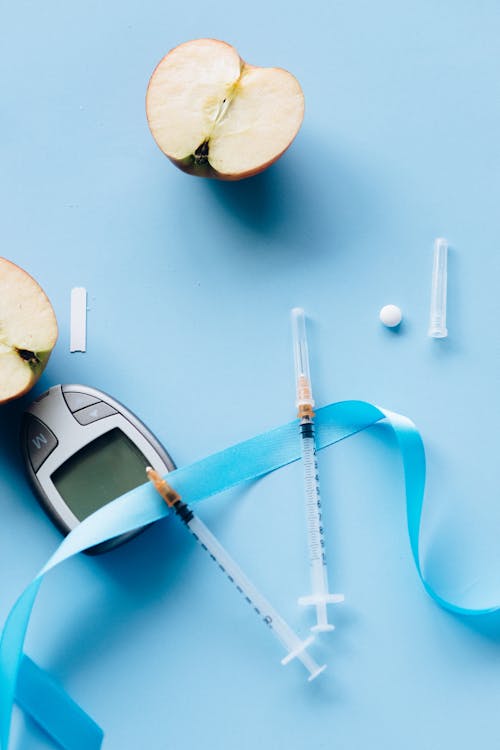
Hearing that you have gestational diabetes during what should be a joyful time can feel like a punch to the gut. You are already navigating morning sickness, fatigue, body changes, and a thousand decisions about nursery colors and car seats. Now add blood sugar monitoring, dietary restrictions, and the anxiety of wondering whether your baby is okay. It feels like a lot because it is a lot.
But here is what matters most right now: gestational diabetes is manageable, and with proper care, the vast majority of women with gestational diabetes have healthy pregnancies and deliver healthy babies. This is not a failure on your part. It is not caused by eating too much sugar during pregnancy. It is a metabolic condition driven primarily by hormonal changes that are completely beyond your control, and understanding it fully is the first step toward managing it confidently.
What Gestational Diabetes Actually Is
Gestational diabetes mellitus, or GDM, is diabetes that develops during pregnancy in women who did not have diabetes before becoming pregnant. It affects approximately 2 to 10 percent of pregnancies in the United States annually, making it one of the most common pregnancy complications.
During pregnancy, the placenta produces hormones essential for fetal development—human placental lactogen, progesterone, cortisol, and growth hormone among them. These hormones serve critical roles in supporting your baby's growth, but they also have an insulin-antagonizing effect. They make your cells less responsive to insulin, creating a state of physiological insulin resistance.
In most pregnancies, the pancreas compensates by producing significantly more insulin—sometimes two to three times the pre-pregnancy amount. For women who develop gestational diabetes, the pancreas cannot produce enough extra insulin to overcome the placental hormone-induced resistance. Blood sugar rises above normal levels, creating the condition diagnosed as gestational diabetes.
This is why gestational diabetes typically develops in the second or third trimester, when placental hormone production is at its highest. It is also why it usually resolves after delivery when the placenta is expelled and hormone levels return to normal.
Who Is at Risk
While any pregnant woman can develop gestational diabetes, several factors increase risk. Being overweight or obese before pregnancy is the strongest modifiable risk factor, as excess body fat independently impairs insulin sensitivity. A family history of type 2 diabetes suggests inherited limitations in insulin production capacity. Previous gestational diabetes in an earlier pregnancy significantly increases the likelihood of recurrence. Age over 25 years, and particularly over 35, increases risk. Certain ethnic backgrounds—including Hispanic, African American, South Asian, Pacific Islander, and Native American—carry higher baseline risk.
However, approximately half of women who develop gestational diabetes have no identifiable risk factors. This is why universal screening is recommended rather than risk-based screening—the condition is common enough and consequential enough that waiting for risk factors to trigger testing means missing too many cases.
The Screening and Diagnosis Process
Most healthcare providers screen for gestational diabetes between 24 and 28 weeks of gestation, though women with significant risk factors may be screened earlier.
The most common screening approach in the United States is the two-step method. The first step is a one-hour glucose challenge test where you drink a 50-gram glucose solution and have your blood sugar measured one hour later. If the result exceeds the threshold (typically 130 or 140 mg/dL depending on your provider), you proceed to the second step—a three-hour oral glucose tolerance test.
The three-hour test requires fasting overnight. Your fasting blood sugar is measured, then you drink a 100-gram glucose solution and have blood drawn at one, two, and three hours afterward. Gestational diabetes is diagnosed if two or more values exceed the established thresholds: fasting above 95 mg/dL, one hour above 180 mg/dL, two hours above 155 mg/dL, or three hours above 140 mg/dL, per the American College of Obstetricians and Gynecologists guidelines.
An alternative one-step approach uses a 75-gram two-hour test and diagnoses gestational diabetes based on a single abnormal value. Different organizations recommend different approaches, and your provider will use the method that aligns with their clinical practice guidelines.
A diagnosis of gestational diabetes can trigger a wave of emotions—guilt, fear, frustration, confusion. Give yourself permission to feel these emotions while also recognizing that you now have the information you need to take effective action. Knowledge is power, and a diagnosis is the beginning of management, not the beginning of harm.
Why Blood Sugar Management Matters
Uncontrolled gestational diabetes increases risks for both mother and baby, which is why the condition is taken seriously despite its typically temporary nature.
For the baby, excess glucose crossing the placenta stimulates the fetal pancreas to produce extra insulin. Insulin acts as a growth hormone in the fetus, leading to macrosomia—a baby that is larger than expected for gestational age. Macrosomia increases the risk of birth injuries, shoulder dystocia during delivery, and the likelihood of cesarean section. After birth, the baby's overactive pancreas may continue producing excess insulin, causing neonatal hypoglycemia that requires monitoring and sometimes treatment.
Other potential complications for the baby include increased risk of preterm birth, respiratory distress syndrome, jaundice, and a higher lifetime risk of developing obesity and type 2 diabetes.
For the mother, poorly controlled gestational diabetes increases the risk of preeclampsia (dangerously high blood pressure during pregnancy), cesarean delivery, birth trauma, and the development of type 2 diabetes in the years following pregnancy.
The reassuring counterpoint to these risks is that well-managed gestational diabetes—blood sugar consistently maintained within target ranges—dramatically reduces all of these complications to near-normal levels. The risks are not inherent to the diagnosis; they are consequences of uncontrolled blood sugar that effective management prevents.
Blood Sugar Targets During Pregnancy
Your healthcare team will set specific blood sugar targets for you, but the generally recommended targets for gestational diabetes are a fasting blood sugar below 95 mg/dL, a one-hour post-meal blood sugar below 140 mg/dL, and a two-hour post-meal blood sugar below 120 mg/dL.
These targets are tighter than those used for non-pregnant diabetes management because fetal development is sensitive to even modest glucose elevations. Achieving these targets requires consistent effort but is accomplished through diet alone in 70 to 85 percent of gestational diabetes cases, with the remaining women needing medication assistance.
Monitoring typically involves checking your blood sugar four times daily—fasting and after each major meal. This monitoring provides the data that guides your treatment plan and gives you real-time feedback on how different foods and activities affect your blood sugar.
Nutrition Management: The Foundation of Treatment
Dietary modification is the cornerstone of gestational diabetes management and often the only treatment needed. The goal is not to dramatically restrict calories—you are growing a baby and need adequate nutrition—but to distribute carbohydrates in a way that prevents blood sugar spikes while meeting your nutritional needs.
Carbohydrate Distribution
Rather than three large meals, eating three moderate meals plus two to three snacks distributes your carbohydrate intake more evenly across the day, preventing the large glucose loads that produce spikes. Most gestational diabetes meal plans allocate 30 to 45 grams of carbohydrates at each meal and 15 to 20 grams at each snack, though your specific allocation may differ based on your response.
Breakfast often requires the most restriction because insulin resistance tends to be highest in the morning due to the dawn phenomenon—a natural cortisol surge that occurs in the early morning hours. Many women with gestational diabetes find they need to limit breakfast carbohydrates to 15 to 30 grams and choose slower-digesting options like eggs with whole grain toast rather than cereal or fruit juice.
Food Choices
Pair carbohydrates with protein and healthy fats at every meal and snack. This combination slows glucose absorption and produces a more gradual, manageable blood sugar rise. An apple alone might spike your blood sugar, but an apple with almond butter produces a much flatter glucose curve.
Choose complex carbohydrates over refined ones. Whole grains, legumes, vegetables, and most fruits release glucose more slowly than white bread, white rice, pastries, and sweetened beverages. This does not mean you can never eat a refined carbohydrate again—it means that your overall pattern should favor whole foods that your body can process more gradually.
Increase your vegetable intake substantially. Non-starchy vegetables—leafy greens, broccoli, peppers, tomatoes, green beans, zucchini—provide volume, nutrients, and fiber with minimal impact on blood sugar. Building meals around a generous portion of vegetables with moderate protein and controlled carbohydrates is a reliable framework for blood sugar management.
Eliminate or dramatically reduce sugary beverages including juice, regular soda, sweetened coffee drinks, and sports drinks. Liquid sugars are absorbed rapidly and produce the sharpest blood sugar spikes. Water, unsweetened tea, and sparkling water are safe alternatives.
Working with a Registered Dietitian
A referral to a registered dietitian experienced in gestational diabetes is one of the most valuable components of your care. A dietitian creates a personalized meal plan based on your food preferences, cultural background, schedule, and blood sugar patterns. They can troubleshoot specific meals that are causing blood sugar issues and help you find satisfying alternatives.
Do not try to navigate gestational diabetes nutrition alone based on internet searches. The intersection of pregnancy nutritional needs and blood sugar management requires individualized guidance that generic advice cannot provide.
Physical Activity During Gestational Diabetes
Exercise is a powerful glucose-lowering tool that is safe and beneficial during most pregnancies. The American Diabetes Association recommends that women with gestational diabetes engage in moderate physical activity for at least 30 minutes most days of the week, barring obstetric contraindications.
Walking after meals is particularly effective for gestational diabetes management. A ten to fifteen minute walk after eating can reduce post-meal blood sugar peaks by 20 to 30 percent, sometimes making the difference between an in-target reading and one that triggers concern.
Swimming, prenatal yoga, stationary cycling, and light strength training are all generally safe options. Avoid exercises with a high risk of falls or abdominal trauma, and discuss your exercise plan with your obstetric provider to ensure it is appropriate for your specific pregnancy.
When Medication Becomes Necessary
If dietary modification and exercise do not consistently achieve blood sugar targets after one to two weeks, medication becomes necessary. This is not a failure—it means that the degree of insulin resistance created by your placental hormones exceeds what lifestyle modification alone can manage.
Insulin is the preferred medication for gestational diabetes because it does not cross the placenta and has the longest safety record in pregnancy. Insulin therapy during pregnancy is highly effective at controlling blood sugar while posing minimal risk to the baby.
Oral medications—metformin and glyburide—are sometimes used as alternatives when insulin is not feasible or preferred. Metformin does cross the placenta, and while large studies have not identified short-term safety concerns, long-term follow-up data on children exposed to metformin in utero is still accumulating. Your provider will discuss the options, risks, and benefits to help you make an informed decision.
Starting insulin or medication can feel daunting, but most women quickly adapt to the routine. Your diabetes educator will teach you proper injection technique if insulin is prescribed and help you adjust doses based on your blood sugar patterns.
After Delivery: What Comes Next
For most women, blood sugar returns to normal within hours to days after delivery as placental hormones clear the system. Blood sugar monitoring continues briefly in the postpartum period to confirm resolution, and your healthcare team will test you again at six to twelve weeks postpartum to ensure diabetes has not persisted.
While gestational diabetes itself resolves, it serves as a significant warning signal for future metabolic risk. Women who have had gestational diabetes have a 50 percent lifetime risk of developing type 2 diabetes—approximately seven times the risk of women who had normal pregnancies. This risk can be substantially reduced through ongoing lifestyle management: maintaining a healthy weight, exercising regularly, eating a balanced diet, and monitoring blood sugar periodically.
Breastfeeding provides dual benefits after gestational diabetes—it supports the baby's metabolic health and improves the mother's insulin sensitivity and glucose metabolism. Studies suggest that breastfeeding for at least three months may reduce the long-term risk of type 2 diabetes in mothers with a history of gestational diabetes.
Annual screening for type 2 diabetes is recommended for all women with a history of gestational diabetes. This ongoing vigilance ensures that if diabetes does develop in the future, it is caught early when intervention is most effective.
Navigating the Emotional Journey
Gestational diabetes adds complexity to what is already an emotionally intense experience. The guilt, anxiety, and sense of being overwhelmed that many women feel are normal responses to an unexpected challenge during pregnancy.
Remind yourself that gestational diabetes is not caused by anything you did wrong. It is a physiological response to pregnancy hormones that your body cannot fully compensate for—a genetic and hormonal equation that you did not choose. Directing energy toward management rather than self-blame is both kinder to yourself and more productive for your baby's health.
Connect with other women managing gestational diabetes through support groups, online communities, or your healthcare system's diabetes education programs. Shared experience normalizes your feelings and provides practical tips from people who understand exactly what you are going through.
And remember that this is temporary. The monitoring, the dietary calculations, the finger pricks—they have an end date. Delivery resolves the immediate condition, and the skills you develop managing gestational diabetes—healthy eating, regular movement, blood sugar awareness—serve you and your family well for years to come.
Sources and Further Reading
Health and Beyond uses reputable medical and scientific sources where possible. These links support or expand on the topics discussed above.