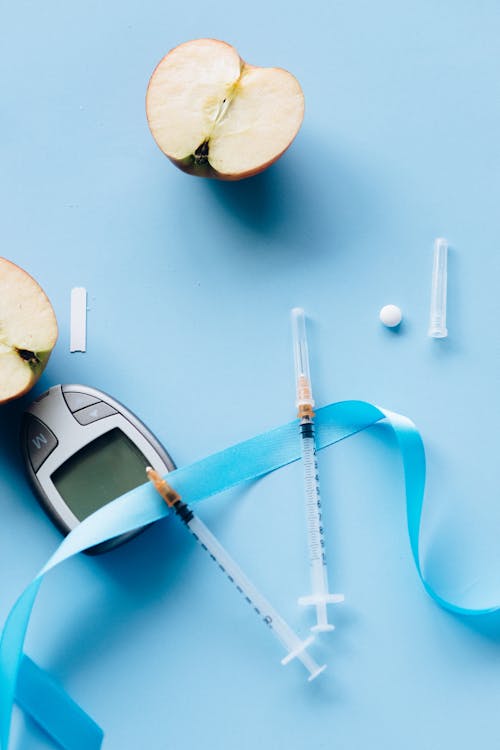
Diabetic neuropathy is one of the most common and feared complications of diabetes, affecting an estimated 50 percent of people with diabetes over their lifetime. This progressive nerve damage results from prolonged exposure to high blood sugar levels and can affect nerves throughout the body, causing symptoms ranging from mild tingling in the feet to severe pain, digestive problems, and cardiovascular dysfunction. The National Institute of Diabetes and Digestive and Kidney Diseases reports that neuropathy can develop at any point during diabetes but becomes more likely with longer disease duration and poorer glycemic control.
The critical message for anyone with diabetes is that neuropathy is not inevitable. Early detection combined with aggressive blood sugar management and lifestyle modifications can slow, halt, and in some cases partially reverse nerve damage. Understanding the warning signs and acting on them promptly makes the difference between manageable symptoms and life-altering complications.
How Diabetes Damages Nerves
Understanding the mechanisms behind diabetic neuropathy helps explain why certain prevention strategies work and motivates the commitment required to implement them. Sustained hyperglycemia damages nerves through several interconnected pathways.
Chronically elevated blood glucose triggers the polyol pathway, where excess glucose is converted to sorbitol by the enzyme aldose reductase. Sorbitol accumulates inside nerve cells, drawing in water through osmotic pressure and causing cellular swelling and dysfunction. Simultaneously, the process depletes myoinositol, a compound essential for normal nerve signal conduction.
Advanced glycation end products, or AGEs, form when glucose molecules bind to proteins and lipids in an uncontrolled process called glycation. AGEs accumulate in nerve tissue and blood vessel walls, causing structural damage, triggering inflammatory responses, and impairing the small blood vessels that supply oxygen and nutrients to peripheral nerves. This microvascular damage is particularly devastating because nerves are metabolically active tissues with high oxygen demands.
Oxidative stress compounds the damage as hyperglycemia generates excessive reactive oxygen species that overwhelm the body's antioxidant defenses. These free radicals directly damage nerve cell membranes, mitochondria, and DNA, accelerating the degenerative process.
The Four Types of Diabetic Neuropathy
Diabetic neuropathy is not a single condition but a family of nerve disorders, each affecting different parts of the nervous system and producing distinct symptom patterns.
Peripheral Neuropathy
Peripheral neuropathy is the most common form, affecting the longest nerves first, which is why symptoms typically begin in the feet and progress upward over time in a characteristic stocking-and-glove pattern. Early symptoms include numbness, tingling, or a pins-and-needles sensation in the toes and feet. Some people describe a feeling of wearing invisible socks even when barefoot.
As the condition progresses, symptoms can include burning or shooting pain that is often worse at night, heightened sensitivity to touch where even bedsheets feel painful, loss of temperature sensation making it difficult to detect water temperature, reduced ability to feel injuries leading to undetected wounds, and muscle weakness and loss of balance as motor nerves become involved.
The insidious danger of peripheral neuropathy lies in what you stop feeling. Loss of protective sensation in the feet means that cuts, blisters, pressure sores, and infections can develop and worsen without the normal pain signals that would prompt attention. This is why diabetic foot complications, including ulcers, infections, and amputations, remain among the most serious consequences of unmanaged neuropathy.
Autonomic Neuropathy
Autonomic neuropathy affects the nerves controlling involuntary body functions and can cause a wide range of symptoms depending on which organ systems are involved. Digestive symptoms include gastroparesis, where delayed stomach emptying causes nausea, bloating, and unpredictable blood sugar fluctuations after meals. Cardiovascular autonomic neuropathy can cause resting tachycardia, orthostatic hypotension producing dizziness when standing, and impaired exercise tolerance. Bladder dysfunction may include difficulty sensing fullness, incomplete emptying, and increased urinary tract infection risk. Sexual dysfunction affects both men and women and is more common than many patients realize. Sudomotor dysfunction causes abnormal sweating patterns, with excessive sweating in some areas and absence of sweating in others.
Proximal Neuropathy
Proximal neuropathy, also called diabetic amyotrophy, affects nerves in the thighs, hips, or buttocks, usually on one side. It causes sudden, severe pain in the hip, thigh, or buttock followed by weakness and muscle wasting. This form is more common in older adults with type 2 diabetes and often improves over months to years, though the recovery period can be prolonged and painful.
Focal Neuropathy
Focal neuropathy involves sudden damage to a single nerve, most commonly in the head, torso, or leg. Symptoms appear abruptly and may include double vision or difficulty focusing, paralysis on one side of the face resembling Bell's palsy, or sudden sharp pain in the lower back, chest, or abdomen. While alarming in onset, focal neuropathy typically resolves on its own within weeks to months.
Early Detection: Why Regular Screening Matters
The American Diabetes Association recommends that all people with type 2 diabetes be screened for peripheral neuropathy at diagnosis and annually thereafter, since many people have had undiagnosed hyperglycemia for years before type 2 diabetes is formally diagnosed. People with type 1 diabetes should begin annual screening five years after diagnosis.
Screening typically includes a comprehensive foot examination checking for sensation using monofilament testing, vibration perception using a tuning fork, ankle reflexes, and visual inspection for skin changes, calluses, deformities, and wounds. The 10-gram monofilament test is a simple, inexpensive tool where a thin nylon filament is pressed against specific points on the foot. Inability to feel the filament indicates loss of protective sensation.
Do not wait for annual screenings to report symptoms. If you notice any new tingling, numbness, pain, or weakness in your extremities, report these changes to your healthcare provider promptly. Early intervention during the initial stages of nerve damage offers the best opportunity to slow progression and preserve function.
Prevention: Blood Sugar Control Is Non-Negotiable
The single most powerful strategy for preventing diabetic neuropathy, and slowing its progression if already present, is maintaining blood glucose levels as close to target as safely possible. The landmark Diabetes Control and Complications Trial demonstrated that intensive glycemic control in type 1 diabetes reduced the risk of developing neuropathy by 60 percent. Similar benefits have been observed in type 2 diabetes management studies.
Work with your healthcare team to establish personalized glycemic targets. For most adults with diabetes, the American Diabetes Association recommends an A1C below 7 percent, though individual targets may vary based on age, comorbidities, and hypoglycemia risk. Use continuous glucose monitoring or regular self-monitoring to understand your glucose patterns and identify opportunities for improvement.
Beyond overall A1C, glucose variability matters for nerve health. Large swings between highs and lows appear to cause more oxidative stress and nerve damage than consistently modestly elevated glucose. Minimizing spikes through carbohydrate management, medication timing, and physical activity protects nerves beyond what A1C alone captures.
Lifestyle Strategies That Protect Nerves
Exercise for Nerve Health
Regular physical activity improves glycemic control, enhances blood flow to peripheral nerves, reduces inflammation, and may directly stimulate nerve repair and regeneration. Studies demonstrate that exercise programs improve nerve fiber density and reduce neuropathic symptoms in people with diabetes.
Aim for at least 150 minutes of moderate-intensity aerobic activity per week combined with two to three sessions of resistance training. Walking, swimming, and cycling are excellent options that are joint-friendly and scalable to various fitness levels. If balance is compromised by neuropathy, water-based exercises provide a safe environment that reduces fall risk while delivering cardiovascular and neuromuscular benefits.
Smoking Cessation
Smoking constricts blood vessels and accelerates the microvascular damage that underlies diabetic neuropathy. Smokers with diabetes develop neuropathy faster and more severely than nonsmokers. Quitting smoking at any point provides benefits by improving circulation to peripheral nerves. Discuss cessation strategies with your healthcare provider, including pharmacological aids and behavioral support programs.
Alcohol Moderation
Alcohol is itself neurotoxic and can cause neuropathy independently of diabetes. In people with diabetes, alcohol compounds nerve damage while also disrupting blood sugar control. Limit alcohol intake to no more than one drink daily for women and two for men, and discuss alcohol use openly with your healthcare team.
Nutritional Support
Certain nutritional deficiencies can exacerbate neuropathic symptoms. Vitamin B12 deficiency is particularly relevant because metformin, the most commonly prescribed type 2 diabetes medication, reduces B12 absorption over time. Ask your doctor to check B12 levels annually if you take metformin and supplement if levels are low.
Alpha-lipoic acid, an antioxidant, has been studied in multiple clinical trials for diabetic neuropathy. A meta-analysis of randomized controlled trials found that intravenous alpha-lipoic acid at 600 milligrams daily produced meaningful reductions in neuropathic symptoms. Oral supplementation has shown more modest but still positive results in some studies.
Treatment Options for Neuropathic Pain
When neuropathy causes significant pain, several treatment approaches can provide relief. Treatment is typically multimodal, combining medications with non-pharmacological strategies for optimal results.
Medications
First-line medications for diabetic neuropathic pain include duloxetine, a serotonin-norepinephrine reuptake inhibitor approved specifically for this indication, and pregabalin, an anticonvulsant that reduces nerve excitability. Gabapentin, another anticonvulsant, is widely used though technically off-label for diabetic neuropathy. Tricyclic antidepressants like amitriptyline can be effective but carry more side effects, particularly in older adults.
Topical treatments including capsaicin cream and lidocaine patches provide localized relief with minimal systemic side effects. Capsaicin works by depleting substance P from nerve endings, reducing pain signaling over time. The initial burning sensation subsides with continued use over several weeks.
Non-Pharmacological Approaches
Transcutaneous electrical nerve stimulation, or TENS, applies mild electrical currents through skin electrodes to disrupt pain signaling. Some patients find significant relief, though evidence quality is mixed. Physical therapy improves balance, strengthens muscles, and teaches compensation strategies for proprioceptive loss. Acupuncture has shown modest benefit in some clinical trials, though more research is needed.
Foot Care: Protecting Your Foundation
Daily foot care is essential for anyone with diabetic neuropathy and can prevent the devastating cascade from minor injury to infection to potential amputation. Inspect your feet daily for cuts, blisters, redness, swelling, calluses, or nail problems. Use a mirror to see the bottom of your feet or ask someone to help.
Wash feet daily with lukewarm water, testing temperature with your elbow or thermometer since your feet may not accurately sense heat. Dry thoroughly between toes to prevent fungal infections. Apply moisturizer to prevent cracking but avoid applying between toes where moisture accumulates.
Never walk barefoot, even indoors. Wear well-fitting shoes with adequate toe room and inspect the insides before putting them on to detect pebbles, rough seams, or other irritants. Break in new shoes gradually and rotate between pairs to prevent repetitive pressure points. See a podiatrist regularly for professional foot assessments and nail care, particularly if vision or flexibility limits your ability to care for your own feet effectively.
Prompt attention to any foot wound, no matter how minor, is critical. What appears as a small blister or scratch can rapidly progress to a serious infection when sensation is impaired and blood flow is compromised. Contact your healthcare provider within 24 hours if you notice any wound that is not healing, any signs of infection, or any new areas of discoloration.
Sources and Further Reading
Health and Beyond uses reputable medical and scientific sources where possible. These links support or expand on the topics discussed above.
- National Institute of Diabetes and Digestive and Kidney Diseasesniddk.nih.gov
- American Diabetes Associationdiabetes.org