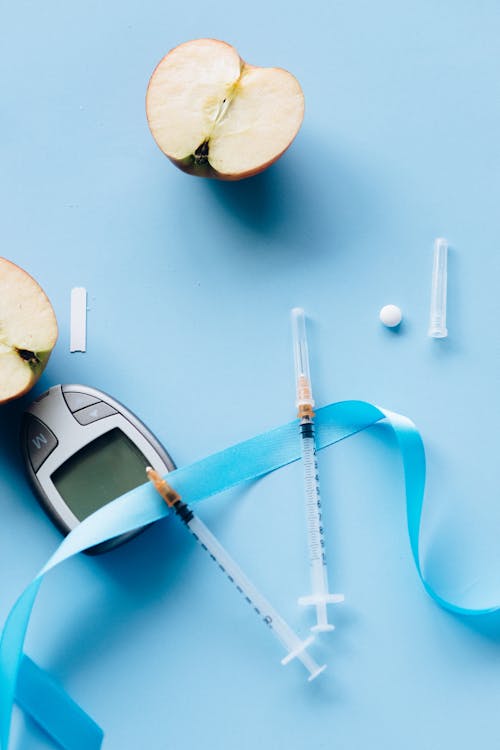
If someone told you there was a treatment for blood sugar management that was free, had no negative side effects, worked within minutes, improved with consistent use, and had been validated in thousands of clinical studies, you would probably assume it was too good to be true. But that treatment exists, and it is exercise.
Physical activity is one of the most powerful tools available for blood sugar control—often rivaling or exceeding the effectiveness of medications. A single exercise session can lower blood sugar for 24 to 72 hours afterward. Regular exercise improves insulin sensitivity by 20 to 60 percent depending on the type and intensity. And unlike medication, exercise simultaneously benefits your cardiovascular system, mental health, body composition, sleep quality, and overall longevity.
Yet not all exercise is created equal when it comes to blood sugar management. Different types of exercise use different fuel systems, activate different glucose uptake pathways, and produce different magnitudes and durations of blood sugar improvement. Understanding these differences allows you to design an exercise program that delivers maximum metabolic benefit for the time you invest.
How Exercise Lowers Blood Sugar
Before ranking exercise types, understanding the mechanisms at play helps explain why certain forms are more effective than others.
Insulin-Independent Glucose Uptake
During muscle contraction, an insulin-independent pathway activates GLUT4 glucose transporters, moving them from inside the muscle cell to the cell surface where they can absorb glucose directly from the bloodstream. This pathway operates without any insulin involvement, making exercise effective for lowering blood sugar even in people with significant insulin resistance.
This is a crucial point: exercise works even when insulin does not work well. For people with type 2 diabetes whose cells have become resistant to insulin's signal, exercise provides an alternative entry route for glucose into muscle cells, bypassing the broken insulin pathway entirely.
Enhanced Insulin Sensitivity
Beyond the acute glucose-lowering effect during exercise, physical activity improves insulin sensitivity for 24 to 72 hours afterward. This means your body needs less insulin to achieve the same glucose-lowering effect—a benefit that accumulates with regular training.
The mechanisms behind this enhanced sensitivity include increased GLUT4 protein expression in trained muscles, improved insulin receptor signaling, reduced intramuscular lipid accumulation, decreased chronic inflammation, and enhanced mitochondrial function. These adaptations are ongoing in people who exercise regularly, creating a persistent improvement in metabolic function.
Glycogen Depletion
Exercise depletes glycogen—the stored form of glucose—from muscles and the liver. After exercise, these glycogen stores need to be replenished, creating an ongoing glucose "sink" that helps maintain lower blood sugar levels even during rest periods. The magnitude of glycogen depletion depends on the intensity and duration of exercise, with higher-intensity and longer-duration activities producing greater depletion.
The Rankings: Exercise Types from Most to Least Effective
The following ranking is based on the cumulative clinical evidence for acute blood sugar lowering, sustained insulin sensitivity improvement, and practical accessibility. All types of exercise provide metabolic benefit—this ranking identifies the most efficient approaches for people specifically targeting blood sugar management.
Tier 1: Combined Aerobic and Resistance Training
The single most effective exercise approach for blood sugar control is combining aerobic exercise and resistance training in the same program. A landmark meta-analysis published in JAMA analyzing 47 randomized controlled trials found that combined training reduced HbA1c by an average of 0.89 percent—comparable to adding a second diabetes medication.
Combined training works synergistically because aerobic exercise primarily improves cardiovascular fitness and fat oxidation while resistance training primarily increases muscle mass and quality. Since muscle is the largest glucose disposal tissue, building more muscle through resistance training creates a larger "sink" for glucose absorption. Aerobic exercise improves the cardiovascular delivery system that transports glucose to those muscles. Together, they attack insulin resistance from complementary angles.
A practical combined program might include three days per week of resistance training (30 to 45 minutes focusing on major muscle groups) plus three to five days of moderate-intensity aerobic activity (30 minutes of brisk walking, cycling, or swimming). This programming consistently produces the largest improvements in HbA1c, fasting glucose, and insulin sensitivity across the clinical literature.
Tier 2: High-Intensity Interval Training (HIIT)
HIIT alternates short bursts of intense exercise (typically 30 seconds to 4 minutes at 80 to 95 percent of maximum heart rate) with recovery periods of lower-intensity activity. Despite requiring less total time than traditional steady-state cardio, HIIT produces comparable or superior improvements in insulin sensitivity and glucose metabolism.
A study published in Diabetologia found that just two weeks of HIIT (three sessions per week of six 60-second intervals) improved insulin sensitivity by 23 percent in sedentary adults—an effect that took six weeks of continuous moderate exercise to achieve.
HIIT's effectiveness stems from its rapid glycogen depletion (intense efforts drain glycogen faster than moderate efforts), robust EPOC (excess post-exercise oxygen consumption) that elevates metabolism for hours after exercise, and strong stimulation of GLUT4 translocation.
However, HIIT is not appropriate for everyone. People with uncontrolled blood pressure, cardiovascular disease, autonomic neuropathy, proliferative retinopathy, or orthopedic limitations should consult their healthcare provider before beginning HIIT. Starting with a well-established fitness base and progressing gradually into higher intensities is the safe approach.
A practical HIIT program for blood sugar management: three sessions per week, each consisting of a 5-minute warm-up, 4 to 8 intervals of 30 to 60 seconds at high intensity separated by 60 to 90 seconds of recovery, and a 5-minute cool-down. Total session time: 20 to 30 minutes.
Tier 3: Resistance Training Alone
Resistance training independently improves blood sugar control through mechanisms distinct from aerobic exercise. Increasing muscle mass expands the body's glucose storage and disposal capacity. Strength training also improves insulin sensitivity at the muscle level, enhances GLUT4 expression, and reduces visceral fat.
A systematic review in the Journal of Diabetes Research found that resistance training alone reduced HbA1c by an average of 0.48 percent in people with type 2 diabetes—a clinically meaningful improvement that approaches the effect of some oral diabetes medications.
Resistance training also offers unique benefits for preserving and building muscle mass during weight loss. Since caloric restriction often leads to muscle loss alongside fat loss, and muscle loss worsens insulin resistance, resistance training during weight loss protects the metabolic machinery that makes sustained blood sugar improvement possible.
Practical resistance training guidelines for blood sugar management: two to three sessions per week targeting all major muscle groups, 2 to 3 sets of 8 to 12 repetitions per exercise, progressive overload (gradually increasing weight or difficulty), and a minimum of 48 hours between sessions working the same muscle group.
Tier 4: Moderate-Intensity Continuous Exercise
Walking, cycling, swimming, elliptical training, and similar steady-state aerobic activities at moderate intensity (50 to 70 percent of maximum heart rate, or a pace where you can carry on a conversation but not sing) form the most extensively studied exercise category for blood sugar management.
The American Diabetes Association recommends at least 150 minutes per week of moderate-intensity aerobic activity for people with diabetes. This volume consistently improves HbA1c, fasting glucose, insulin sensitivity, and cardiovascular risk factors.
Walking specifically deserves mention for its exceptional accessibility and underappreciated metabolic power. A meta-analysis found that walking programs reduced HbA1c by an average of 0.50 percent in people with type 2 diabetes. Post-meal walking—even just 10 to 15 minutes after eating—has been shown to reduce post-meal glucose spikes by 22 to 30 percent, making it one of the simplest and most effective acute blood sugar management strategies available.
Tier 5: Yoga, Tai Chi, and Mind-Body Exercise
Yoga and tai chi produce smaller but meaningful improvements in blood sugar control through a combination of physical activity, stress reduction, and improved body awareness. A systematic review found that yoga practice reduced HbA1c by approximately 0.36 percent and fasting glucose by approximately 25 mg/dL in people with type 2 diabetes.
The mechanism likely involves both the physical component of the practice (muscular engagement, flexibility improvement, balance training) and the stress-reduction component. Since cortisol directly raises blood sugar by promoting hepatic glucose output and reducing insulin sensitivity, practices that reliably lower cortisol levels provide metabolic benefit that pure physical activity analysis underestimates.
For people who find conventional exercise unappealing, intimidating, or physically challenging, yoga and tai chi offer a valuable entry point into physical activity. They build the foundation of body awareness, movement confidence, and stress management that supports eventually incorporating more intensive exercise forms.
Tier 6: Low-Intensity Activity and NEAT
Non-exercise activity thermogenesis (NEAT)—the energy expended through daily activities like standing, walking to the mailbox, doing housework, fidgeting, and taking the stairs—contributes meaningfully to overall glucose management even though it does not look like "exercise."
Breaking up prolonged sitting with brief activity breaks every 30 minutes reduces post-meal glucose and insulin levels compared to uninterrupted sitting. Simply standing at a desk rather than sitting modestly increases energy expenditure and muscle engagement. Choosing stairs over elevators, parking farther from entrances, and doing household chores manually rather than relying on automated alternatives all contribute to daily glucose disposal.
While NEAT alone is insufficient for managing established diabetes, it provides a substrate of physical activity that complements structured exercise and prevents the metabolic deterioration that accompanies extreme sedentary behavior.
Timing Your Exercise for Maximum Impact
When you exercise matters for blood sugar management, not just how much you exercise.
Post-Meal Exercise
Exercising within one to three hours after eating produces the greatest acute blood sugar reduction because it targets the post-meal glucose peak directly. The muscles absorb glucose from the bloodstream during exercise, blunting the spike that would otherwise occur. Even a modest 15 to 20 minute walk after dinner can dramatically flatten the post-meal glucose curve.
Morning vs Evening
Some research suggests that afternoon and evening exercise produces greater improvements in insulin sensitivity compared to morning exercise, possibly due to circadian variations in insulin sensitivity and muscle function. However, the difference is modest compared to the overall benefit of exercising at all. The best time to exercise is the time you will actually do it consistently.
Avoiding the 48-Hour Gap
The insulin-sensitizing effects of exercise begin to fade within 48 to 72 hours of your last session. This means that exercising every Monday and Thursday but not on weekends creates a metabolic gap where insulin sensitivity deteriorates. Distributing exercise across the week, with no more than two consecutive rest days, maintains more consistent insulin sensitivity.
Special Considerations for People with Diabetes
Several safety considerations apply specifically to exercise in the context of diabetes management.
Blood sugar monitoring before, during, and after exercise helps you understand your individual response patterns and avoid dangerous highs or lows. For people on insulin or sulfonylureas, exercise-related hypoglycemia is a real risk that requires carbohydrate intake planning and potentially medication adjustment.
Starting exercise when blood sugar is above 250 mg/dL with ketones present can be dangerous because exercise may actually raise blood sugar further in this scenario. Check blood sugar before starting, and if it is above 250, check for ketones and defer exercise until blood sugar comes down.
Peripheral neuropathy requires foot inspection before and after exercise and selection of appropriate footwear. Proliferative retinopathy contraindicates heavy straining, high-impact activities, and positions where the head is below the heart. Autonomic neuropathy may impair heart rate and blood pressure regulation during exercise, requiring modified intensity monitoring approaches.
Always carry fast-acting glucose (glucose tablets, juice) during exercise if you take insulin or sulfonylureas. Wear medical identification indicating your diabetes status. Stay hydrated, as dehydration concentrates blood glucose and impairs performance.
Building Your Personal Exercise Plan
The most effective exercise plan is the one you will actually follow consistently. If the idea of HIIT three times a week and resistance training three times a week feels overwhelming, start with what you can manage and build from there.
Walking 10 minutes after each meal, three times a day, gives you 30 minutes of post-meal exercise that produces excellent acute blood sugar management. Once that habit is established, add two resistance training sessions per week. When that feels manageable, begin increasing walking duration or intensity. Progressive, sustainable building beats ambitious programs that collapse within weeks.
Track your progress by monitoring blood sugar before and after exercise sessions. Seeing the direct, immediate effect of exercise on your numbers provides powerful motivation that abstract health advice never achieves. When you see your post-dinner glucose drop from 180 to 130 after a 20-minute walk, exercise stops being a chore and becomes a tool you actually want to use.
Exercise is not a punishment for having diabetes. It is one of the most effective medicines available—free, self-administered, immediately effective, and improving with every session. Your muscles are waiting to help you manage your blood sugar. All you need to do is ask them to work.
Sources and Further Reading
Health and Beyond uses reputable medical and scientific sources where possible. These links support or expand on the topics discussed above.
- A landmark meta-analysis published in JAMAjamanetwork.com
- Journal of Diabetes Researchhindawi.com
- American Diabetes Associationdiabetes.org