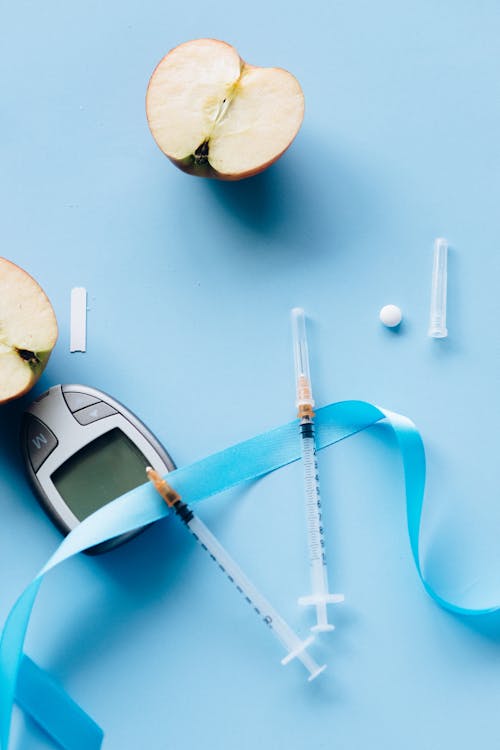
You are eating the same way you always have, but the weight keeps creeping on—especially around your midsection. You feel exhausted after meals instead of energized. Your doctor says your blood sugar is "a little high but not diabetic." Skin tags have appeared on your neck. And despite your best efforts, the scale refuses to budge in the right direction.
These seemingly unrelated symptoms may share a single root cause that affects an estimated 40 percent of American adults aged 18 to 44: insulin resistance. It is one of the most common metabolic conditions on the planet, yet most people who have it do not know it. It develops silently over years, producing vague symptoms that are easy to dismiss, and standard blood tests often miss it until the damage has progressed to prediabetes or full-blown type 2 diabetes.
Understanding insulin resistance—what it is, how it develops, and what you can do about it—may be the single most impactful health knowledge you acquire this year.
What Insulin Does in a Healthy Body
To understand insulin resistance, you first need to understand what insulin does when everything is working properly.
Insulin is a hormone produced by the beta cells of your pancreas, and its primary job is to manage blood glucose levels. When you eat food containing carbohydrates, those carbohydrates are broken down into glucose during digestion. That glucose enters your bloodstream, causing blood sugar levels to rise. Your pancreas detects this rise and releases insulin into the bloodstream.
Insulin acts like a key that unlocks the doors of your cells, allowing glucose to enter and be used for energy. Muscle cells absorb glucose for physical activity. Liver cells absorb glucose and store it as glycogen for later use. Fat cells absorb excess glucose and convert it to triglycerides for long-term energy storage. As cells absorb glucose from the blood, blood sugar levels return to their baseline range.
This system operates with elegant precision in a metabolically healthy person. Eat a meal, blood sugar rises modestly, insulin is released in appropriate amounts, glucose enters cells efficiently, and blood sugar returns to normal within two to three hours. The cycle repeats with every meal, day after day, year after year.
How Insulin Resistance Disrupts This System
Insulin resistance occurs when your cells stop responding efficiently to insulin's signal. The key still fits the lock, but the door has become harder to open. Your pancreas detects that blood sugar is not coming down as quickly as it should, so it produces more insulin—pushing harder on that sticky door.
For a period that can last years or even decades, the pancreas compensates successfully. It produces enough extra insulin to force glucose into resistant cells, keeping blood sugar levels within the normal range. During this compensatory phase, your fasting blood sugar and even your HbA1c can appear completely normal on standard lab work. You have insulin resistance, but conventional screening does not catch it.
Eventually, however, the pancreas cannot keep up with the demand for ever-increasing insulin production. Beta cells become exhausted and begin to fail. Insulin production plateaus and then declines. Without sufficient insulin to overcome cellular resistance, blood sugar starts rising above normal thresholds. First comes prediabetes (fasting glucose 100-125 mg/dL or HbA1c 5.7-6.4%), then type 2 diabetes (fasting glucose 126+ mg/dL or HbA1c 6.5%+).
The critical insight is that insulin resistance is the driving force behind type 2 diabetes, and it is present for years before diabetes develops. The National Institute of Diabetes and Digestive and Kidney Diseases describes insulin resistance as the precursor condition that, if left unaddressed, progresses along a predictable pathway toward diabetes and its complications.
Why Insulin Resistance Develops
Insulin resistance is not caused by a single factor but by a convergence of genetic predisposition and lifestyle influences that interact in complex ways.
Visceral Fat Accumulation
Excess fat stored around the abdominal organs—visceral fat—is the single strongest modifiable risk factor for insulin resistance. Unlike subcutaneous fat (the fat you can pinch under your skin), visceral fat is metabolically active, releasing inflammatory cytokines, free fatty acids, and hormones that directly impair insulin signaling in muscle and liver cells.
Visceral fat releases tumor necrosis factor-alpha and interleukin-6, inflammatory molecules that interfere with the insulin receptor signaling pathway inside cells. It also releases excessive free fatty acids that compete with glucose for cellular uptake and contribute to lipid accumulation inside muscle and liver cells—a phenomenon called lipotoxicity that further impairs insulin action.
This is why waist circumference is a better predictor of insulin resistance than total body weight. A person with a normal BMI but a large waist circumference—sometimes called "thin on the outside, fat on the inside" or TOFI—can be significantly insulin resistant. Conversely, some people with higher overall body weight but less visceral fat maintain good insulin sensitivity.
Physical Inactivity
Skeletal muscle is the largest glucose disposal site in the body, responsible for absorbing approximately eighty percent of glucose after a carbohydrate-containing meal. Muscle contraction activates glucose transporters (GLUT4) that move glucose into muscle cells through a pathway that is partially independent of insulin. Regular physical activity keeps this insulin-independent glucose uptake pathway active and well-functioning.
Sedentary behavior does the opposite. When muscles are inactive, GLUT4 transporters are less responsive, insulin-mediated glucose uptake becomes less efficient, and intramuscular lipid accumulation increases—all factors that promote insulin resistance. Research published in Diabetes Care has shown that even a few days of physical inactivity can measurably worsen insulin sensitivity in previously active individuals.
Chronic Inflammation
Low-grade chronic inflammation, driven by visceral fat accumulation, poor diet quality, chronic stress, inadequate sleep, and gut microbiome imbalance, directly impairs insulin signaling at the molecular level. Inflammatory molecules interfere with the phosphorylation cascade that transmits insulin's signal from the cell surface receptor to the intracellular machinery responsible for glucose uptake.
This chronic inflammatory state creates a self-reinforcing cycle: inflammation promotes insulin resistance, insulin resistance promotes further fat accumulation, fat accumulation promotes more inflammation. Breaking this cycle requires addressing the inflammatory drivers, not just the blood sugar consequences.
Genetic Predisposition
Genetics significantly influence insulin sensitivity. Certain ethnic groups—including South Asian, Hispanic, African American, and Native American populations—have higher rates of insulin resistance independent of lifestyle factors. Family history of type 2 diabetes increases your risk substantially, reflecting inherited variations in insulin signaling pathways, pancreatic beta cell function, and fat distribution patterns.
Genetic predisposition does not mean destiny. It means that some people need to be more proactive about the modifiable risk factors because their genetic baseline provides less metabolic buffer. A person with strong genetic risk factors who maintains a healthy weight, exercises regularly, and eats well may never develop insulin resistance, while a person with favorable genetics who is sedentary and overweight may develop it readily.
Other Contributing Factors
Chronic sleep deprivation—consistently getting fewer than six to seven hours per night—worsens insulin sensitivity through multiple mechanisms including increased cortisol production, sympathetic nervous system activation, and altered appetite hormones that promote overeating.
Chronic psychological stress elevates cortisol, which directly antagonizes insulin action by promoting liver glucose production and reducing glucose uptake in peripheral tissues.
Certain medications, including some corticosteroids, antipsychotics, and HIV medications, can induce or worsen insulin resistance as a side effect.
Polycystic ovary syndrome (PCOS) in women is strongly associated with insulin resistance, and the relationship appears to be bidirectional—insulin resistance contributes to PCOS symptoms while PCOS-related hormonal changes worsen insulin resistance.
Recognizing the Signs
Insulin resistance is often called a silent condition because it can exist for years without obvious symptoms. However, several signs and symptoms should raise suspicion.
Gradually increasing waist circumference despite stable eating habits is one of the earliest visible signs. Insulin promotes fat storage, particularly in the abdominal area, and elevated insulin levels make it progressively harder to lose weight through conventional caloric restriction.
Fatigue after meals, particularly carbohydrate-rich meals, can indicate that your cells are struggling to absorb glucose efficiently. Instead of glucose flowing smoothly into cells to produce energy, it remains elevated in the bloodstream while your cells remain energy-deprived—producing the paradox of high blood sugar and low cellular energy simultaneously.
Acanthosis nigricans—dark, velvety patches of skin typically appearing on the neck, armpits, or groin—is a visible marker of insulin resistance caused by insulin's growth-promoting effects on skin cells. Skin tags in these same areas are also associated with hyperinsulinemia.
Increased hunger and carbohydrate cravings develop because insulin-resistant cells send hunger signals despite adequate caloric intake. Your body is eating enough, but your cells are not getting enough, creating a persistent drive to eat more.
Difficulty losing weight despite caloric restriction and exercise effort is a hallmark frustration of insulin resistance. Elevated insulin levels promote fat storage and inhibit fat breakdown, effectively locking your stored energy behind a hormonal barrier that makes weight loss disproportionately difficult.
Getting Properly Tested
Standard diabetes screening relies on fasting glucose and HbA1c, but these tests detect the consequences of beta cell failure rather than the insulin resistance that precedes it. By the time fasting glucose is consistently above 100 mg/dL, insulin resistance has likely been present for years.
More sensitive tests for insulin resistance include fasting insulin levels, which are elevated during the compensatory phase before glucose rises. A fasting insulin above 10-12 microunits per milliliter suggests insulin resistance, even when fasting glucose is normal.
The HOMA-IR (Homeostatic Model Assessment of Insulin Resistance) calculation uses both fasting glucose and fasting insulin to estimate insulin resistance. A HOMA-IR above 2.0 suggests insulin resistance, with values above 2.5 indicating more significant resistance.
An oral glucose tolerance test with insulin levels measured at multiple time points provides the most detailed picture of how your body handles a glucose challenge and how much insulin is required to manage it. This test can reveal insulin resistance even when simpler tests appear normal.
Discuss these testing options with your healthcare provider, particularly if you have risk factors for insulin resistance including abdominal obesity, family history of type 2 diabetes, PCOS, history of gestational diabetes, sedentary lifestyle, or membership in a high-risk ethnic group.
Reversing Insulin Resistance Through Lifestyle
The most powerful tools for reversing insulin resistance are not medications—they are lifestyle changes. Research consistently demonstrates that targeted lifestyle intervention is more effective than medication at preventing the progression from insulin resistance to diabetes.
Exercise: The Most Potent Insulin Sensitizer
Exercise improves insulin sensitivity through multiple mechanisms. Muscle contraction activates GLUT4 glucose transporters independent of insulin, providing immediate glucose-lowering effects. Regular exercise reduces intramuscular lipid accumulation, decreases visceral fat, reduces systemic inflammation, and improves mitochondrial function—all factors that enhance insulin sensitivity.
Both aerobic exercise and resistance training improve insulin sensitivity, and combining both produces the greatest benefit. The American College of Sports Medicine recommends at least 150 minutes of moderate-intensity aerobic activity per week plus two to three sessions of resistance training for metabolic health.
The insulin-sensitizing effects of exercise are acute—they begin to fade within 48 to 72 hours of your last session. This means that consistency matters more than intensity. Four thirty-minute walks per week will improve insulin sensitivity more than one grueling weekend workout followed by six days of inactivity.
Dietary Strategies
No single diet has been proven definitively superior for reversing insulin resistance, but several dietary patterns show strong evidence. The Mediterranean diet, emphasizing vegetables, fruits, whole grains, legumes, fish, olive oil, and nuts while minimizing processed foods and added sugars, consistently improves insulin sensitivity in clinical trials.
Reducing refined carbohydrates and added sugars decreases the glucose load that insulin-resistant cells struggle to manage. This does not mean eliminating carbohydrates entirely—whole grains, legumes, fruits, and vegetables provide fiber, micronutrients, and phytochemicals that support metabolic health. The distinction is between processed carbohydrates that spike blood sugar rapidly and whole-food carbohydrates that produce a more gradual, manageable glucose response.
Adequate protein intake supports muscle mass, which is your primary glucose disposal tissue. Distributing protein throughout the day rather than concentrating it at dinner supports more stable blood sugar patterns and better satiety.
Increasing dietary fiber—particularly soluble fiber from sources like oats, legumes, flaxseed, and vegetables—slows glucose absorption, feeds beneficial gut bacteria, and improves insulin sensitivity through multiple pathways.
Sleep and Stress Management
Optimizing sleep to seven to nine hours per night and implementing regular stress management practices directly improve insulin sensitivity by reducing cortisol and sympathetic nervous system activation. These are not luxuries or optional additions to your metabolic health strategy—they are core interventions that influence the same molecular pathways as diet and exercise.
Weight Loss
Even modest weight loss—five to seven percent of body weight—produces significant improvements in insulin sensitivity. For a 200-pound person, that is ten to fourteen pounds. This modest target is achievable and sustainable for most people, and the metabolic benefits are disproportionately large relative to the amount of weight lost, particularly when the weight lost comes from visceral fat stores.
The Empowering Reality
Insulin resistance is not a life sentence. Unlike many chronic conditions, it is substantially reversible through lifestyle modification, particularly when caught early. The metabolic pathways that became insulin resistant through years of sedentary behavior, poor diet, and excess visceral fat accumulation can be restored through the consistent application of the same forces in reverse—regular movement, nutrient-dense eating, adequate sleep, and stress management.
The earlier you identify and address insulin resistance, the more completely you can reverse it and the more effectively you can prevent the cascade of consequences that flow from unchecked metabolic dysfunction. Your cells are waiting to respond to insulin properly again. Give them the conditions they need, and they will.
Sources and Further Reading
Health and Beyond uses reputable medical and scientific sources where possible. These links support or expand on the topics discussed above.
- The National Institute of Diabetes and Digestive and Kidney Diseasesniddk.nih.gov
- Diabetes Carediabetesjournals.org
- American College of Sports Medicineacsm.org