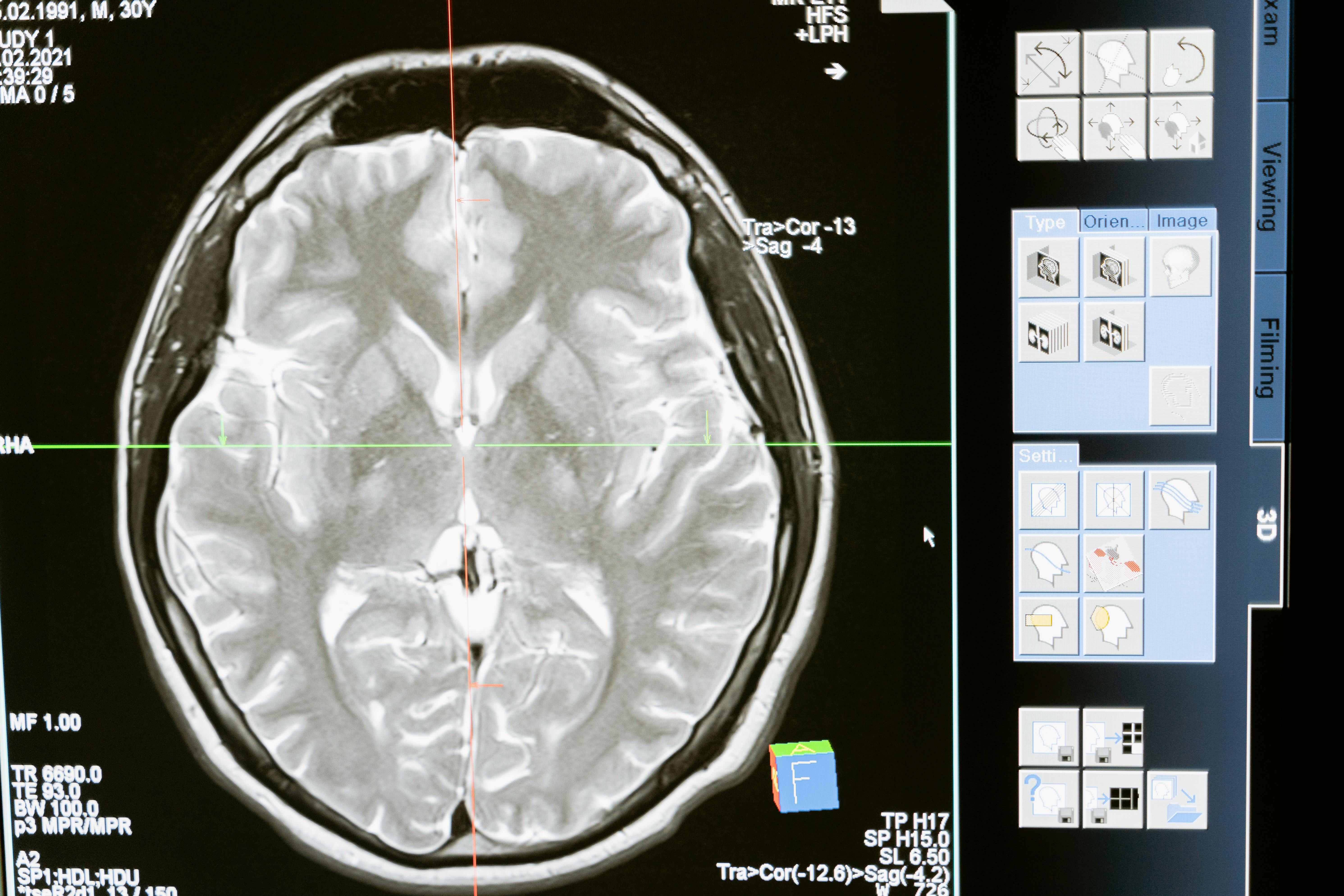
Vertigo is one of the most disorienting experiences a person can have. The world spins, your eyes refuse to settle, your stomach churns, and you feel like you might fall even when you are lying still. Most people use vertigo and dizziness interchangeably, but they are different things with different causes and different treatments. If you have felt the room spin, this guide walks through what is really happening in your inner ear and brain, why benign paroxysmal positional vertigo is so often misdiagnosed, and which treatments produce fast relief.
Vertigo Versus Dizziness
Vertigo specifically means the false sensation of movement, usually spinning. You feel like either you or the world is rotating when neither actually is. Lightheadedness, feeling faint, or unsteadiness are different experiences that fall under general dizziness.
This distinction matters because the causes and treatments differ. Lightheadedness often comes from low blood pressure, dehydration, medication side effects, or heart rhythm issues. Vertigo typically points to the vestibular system, which includes structures in the inner ear and their connections to the brain.
How Balance Actually Works
Your balance system combines three inputs. The inner ear contains fluid filled canals that sense head rotation and otolith organs that detect linear motion and gravity. Your eyes provide visual cues about your position in space. Proprioceptors in muscles and joints report body position and movement.
The brain integrates these signals moment by moment. When they agree, you feel steady. When they disagree, motion sickness or vertigo results. Understanding this helps explain why conditions like inner ear problems and even visual disturbances can trigger vertigo sensations.
The Most Common Cause You Have Probably Never Heard Of
Benign paroxysmal positional vertigo is responsible for roughly half of all vertigo cases and is one of the most satisfying conditions in medicine to treat because a simple maneuver often cures it.
The cause is usually displaced tiny crystals called otoconia from the utricle of the inner ear. These crystals normally sit on a membrane that detects gravity. When they break loose and drift into one of the semicircular canals, head movements cause them to shift, creating false signals of rotation.
The symptoms have characteristic features. Brief episodes of intense spinning, usually lasting under a minute, triggered by specific head positions like rolling over in bed, looking up, or bending down. Between episodes, you feel relatively normal. Nausea often accompanies the spinning.
Most cases develop spontaneously, though head trauma, prolonged bed rest, and ear infections can trigger it. Age raises risk because the crystals become more fragile over decades.
The Epley maneuver, performed in a clinic by a trained provider, moves the crystals out of the affected canal back into the utricle where they cannot cause problems. Success rates are typically seventy to ninety percent after one or two sessions. It feels counterintuitive that such a simple physical maneuver can fix a disabling problem, but the anatomy explains it. Many patients arrive at the clinic unable to drive safely and leave feeling normal.
Home exercises taught by a physical therapist can help for recurrent cases.
Meniere Disease
Meniere disease causes episodes of severe vertigo lasting twenty minutes to several hours, accompanied by fluctuating hearing loss, tinnitus, and a sensation of fullness in the affected ear. Episodes come and go unpredictably. Hearing loss can become permanent over time.
The cause is thought to involve abnormal fluid pressure in the inner ear, though the exact mechanism is debated. Triggers vary but can include stress, salt intake, caffeine, and alcohol.
Treatment combines lifestyle modifications with medications. Reducing salt intake to under two grams daily, limiting caffeine and alcohol, and managing stress are the foundation. Diuretics help some patients. Betahistine is widely used outside the United States. For severe cases, intratympanic steroid injections or gentamicin injections, and rarely surgery, are options.
A Meniere diagnosis requires documentation of hearing loss on audiometry, so see an otolaryngologist and audiologist rather than accepting the label based on symptoms alone.
Vestibular Neuritis And Labyrinthitis
These conditions involve inflammation of the inner ear nerve or the entire inner ear, typically triggered by a viral infection. Onset is usually sudden with severe continuous vertigo lasting days, often with nausea and vomiting. Labyrinthitis also involves hearing loss because it affects the cochlea in addition to the vestibular structures.
Treatment focuses on symptom management during the acute phase. Vestibular suppressants like meclizine help short term but should not be used for more than a few days because they interfere with the brain natural compensation process. Corticosteroids may speed recovery, especially when started within the first few days.
Vestibular rehabilitation therapy is the key to full recovery. Specific head and eye movement exercises retrain the brain to compensate for the damaged input from the affected ear. Most patients recover well over weeks to months, though a small percentage have persistent imbalance.
Vestibular Migraine
Migraine can present primarily with vertigo rather than headache. Episodes can last minutes to days and may be triggered by the same factors as classical migraine, including stress, sleep changes, certain foods, hormonal shifts, and weather changes.
Diagnosis is clinical and requires careful history taking to identify the migraine pattern. Treatment parallels other migraine care with lifestyle modification, trigger identification, and preventive medications for frequent episodes. Newer migraine specific medications have expanded options for many patients.
Less Common But Important Causes
Acoustic neuroma is a benign tumor on the hearing and balance nerve that typically causes gradual one sided hearing loss with imbalance rather than sudden severe spinning. MRI diagnoses it and treatment options include observation, radiation, and surgery depending on size and symptoms.
Stroke in the brainstem or cerebellum can mimic inner ear vertigo but usually has additional warning signs including facial droop, slurred speech, weakness, numbness, difficulty swallowing, or severe imbalance. Sudden vertigo in someone with cardiovascular risk factors, or any vertigo with neurological warning signs, needs emergency evaluation.
Medications can cause dizziness or vertigo. Blood pressure medications, antidepressants, sedatives, some antibiotics, and chemotherapy agents are among the many possibilities. Review your medication list with your doctor when evaluating persistent dizziness.
Cervical problems involving neck muscles and joints can contribute to a sense of disequilibrium though they rarely cause true spinning vertigo.
When To Seek Emergency Care
Any vertigo accompanied by weakness, facial droop, slurred speech, severe headache, double vision, difficulty walking, or loss of consciousness warrants immediate emergency evaluation. Sudden severe hearing loss with vertigo may indicate a stroke or an inner ear emergency that has a short treatment window for best outcomes.
Getting The Right Evaluation
A good history is the most important diagnostic tool. Describe episodes precisely, including duration, triggers, associated symptoms, and patterns. Hearing tests, specific balance assessments, and sometimes imaging complete the workup.
Seeing an otolaryngologist or a neurologist depending on the pattern often yields faster accurate diagnosis than a general practitioner. Specialized clinics combine audiology, vestibular testing, and rehabilitation in one place.
Vestibular physical therapists are highly skilled professionals who can diagnose and treat many vestibular conditions. Getting a referral to one, especially for persistent symptoms, often transforms recovery.
Managing Symptoms Day To Day
Vertigo is exhausting even when episodes are brief. Between episodes, take care of yourself.
Stay well hydrated. Dehydration makes nearly every vestibular condition worse.
Get adequate sleep. Sleep deprivation amplifies vertigo perception and may trigger vestibular migraine.
Manage stress with breathing practices, movement you can tolerate, and support from friends or family.
Eat regular meals. Blood sugar swings worsen balance problems for many people.
Move as much as you safely can. Prolonged bed rest actually slows recovery from most vestibular conditions because the brain cannot compensate without exposure to movement.
Keep a symptom diary documenting episodes, triggers, and response to treatments. Patterns often emerge that help you and your provider refine care.
Vestibular Rehabilitation In Depth
Vestibular rehabilitation is an evidence based physical therapy approach that retrains the brain to process balance signals correctly. It is effective for BPPV, vestibular neuritis aftermath, persistent symptoms after stroke, and other balance disorders.
Exercises typically include gaze stabilization work where you keep eyes on a target while moving the head, habituation exercises that expose you to movements that trigger symptoms, balance training on various surfaces, and functional activities.
The exercises often make you feel worse before you feel better because the brain is being challenged to adapt. Consistency over weeks produces remarkable improvements for most people.
Living Well With Chronic Vestibular Conditions
Some people experience persistent symptoms despite treatment. Quality of life can still be excellent with the right approach.
Accept that certain triggers and environments will remain challenging. Grocery store aisles with heavy visual patterns, crowded areas, and fast moving vehicles often provoke symptoms long after healing should be complete.
Use tools like sunglasses in visually busy environments, cane support when walking in challenging conditions, and noise reduction when sensory input becomes overwhelming.
Connect with support communities. The Vestibular Disorders Association and similar organizations offer education and peer support that reduces isolation.
Address mental health. Anxiety and depression are common with chronic vestibular conditions and often feed back into symptom severity.
Bottom Line
Vertigo has many possible causes, each with distinct patterns and treatments. BPPV is the most common and often cured with a simple clinic procedure. Other conditions require more involved management but usually respond well to a combination of medical treatment and vestibular rehabilitation. Dizziness that is new, severe, persistent, or accompanied by any neurological warning signs deserves prompt evaluation.
If you have been dismissed with vague advice to drink more water and rest, please seek more specific care. The right diagnosis and treatment often produces dramatic improvement, sometimes in a single visit. Your balance matters for every daily activity, and modern vestibular medicine can help more than most patients realize.
Sources and Further Reading
Health and Beyond uses reputable medical and scientific sources where possible. These links support or expand on the topics discussed above.
- NIAMS: Bones, Joints, and Musclesniams.nih.gov
- MedlinePlus: Back Painmedlineplus.gov