You sit in a quiet room and realize the silence is not silent. There is a high pitched ringing, a whooshing, a hissing, something that has no source. You reach up to check your ears, as if there might be a fly near them, but the sound is inside. Later it seems to fade into the background, only to return the moment you notice it again. For some people this cycle goes on for weeks before settling. For others, it becomes a permanent part of life.
Tinnitus is perception of sound without any external source. It is not a disease itself but a symptom of many possible underlying conditions. An estimated ten to fifteen percent of adults experience tinnitus, with a smaller percentage finding it significantly distressing. The condition ranges from a mild occasional nuisance to a disabling daily presence. Understanding what causes it, how to evaluate it, and what actually helps can dramatically change how you live with this persistent companion.
What Tinnitus Is and Is Not
The most important thing to understand about tinnitus is that it is not an ear problem in the way most people think. The sound originates in the brain, not the ears. The auditory system is a chain from ear to brain, and tinnitus typically reflects changes in how the brain processes auditory signals, often triggered by some change in input from the ears.
When hearing declines in certain frequencies, the brain amplifies its gain trying to detect signals in those ranges. This overcompensation can produce phantom sounds. The brain interprets its own neural activity as sound when normal input is missing.
This brain based model explains many features of tinnitus that otherwise seem puzzling. Why people with no identifiable ear problem can have tinnitus. Why tinnitus often fluctuates with stress, fatigue, and attention. Why treatments aimed purely at ears often fail while approaches engaging the brain work better.
Tinnitus comes in different forms. Subjective tinnitus is heard only by the affected person and accounts for the vast majority of cases. Objective tinnitus, which can sometimes be heard by examiners with specialized equipment, is rare and usually related to blood flow or muscle movement near the ear.
Pulsatile tinnitus beats in rhythm with the heartbeat and may indicate vascular causes that need evaluation. Non pulsatile tinnitus is steady or varying in pattern but not heartbeat synchronized.
The perceived sound varies widely. Ringing, hissing, buzzing, clicking, whooshing, humming, or combinations. Pitch and volume differ. Some people hear it in one ear, others in both, others as a sound inside the head without clear ear localization.
Common Underlying Causes
Hearing loss is the most common associated condition. Age related hearing loss, noise induced hearing loss, and other causes all can produce tinnitus. Not everyone with hearing loss has tinnitus, and not everyone with tinnitus has obvious hearing loss on basic testing, but detailed testing often reveals hearing changes in tinnitus patients.
Noise exposure, whether from a single loud event or cumulative, damages hair cells in the inner ear and frequently triggers tinnitus. Concert goers, construction workers, musicians, military personnel, and anyone with repeated loud noise exposure is at risk.
Ear infections, earwax impaction, and eustachian tube problems can cause temporary tinnitus that usually resolves with treatment of the underlying issue.
Otosclerosis, a condition causing abnormal bone growth in the middle ear, causes hearing loss and tinnitus.
Meniere disease involves episodes of vertigo, hearing loss, ear fullness, and tinnitus. Tinnitus in Meniere often fluctuates with attacks.
Acoustic neuroma, a benign tumor on the nerve between ear and brain, can cause unilateral tinnitus along with hearing loss and imbalance. This needs prompt evaluation.
Head and neck problems including TMJ disorders, neck injuries, and whiplash can trigger tinnitus that responds to treatment of those issues.
Medications are a common and underappreciated cause. High doses of aspirin, certain antibiotics particularly aminoglycosides, chemotherapy drugs like cisplatin, loop diuretics, and many others can cause tinnitus. Review your medication list with a doctor if tinnitus developed recently.
Vascular issues can cause pulsatile tinnitus. Hypertension, atherosclerosis, arteriovenous malformations, tumors, and various conditions affecting blood vessels near the ear all can produce rhythmic tinnitus that warrants evaluation.
Stress and anxiety worsen tinnitus dramatically but rarely cause it alone. The relationship goes both ways, with tinnitus causing stress and stress amplifying tinnitus.
The Initial Evaluation
A thorough history explores when tinnitus started, its character, accompanying symptoms like hearing loss or dizziness, noise exposure history, medication use, and other relevant factors.
Physical examination includes examining the ears, assessing hearing with tuning fork tests, checking cranial nerves, and listening near the ears for objective tinnitus in pulsatile cases.
Audiologic testing is essential. A comprehensive audiogram assesses hearing across frequencies. Tinnitus pitch and loudness matching characterizes the sound. Speech in noise testing evaluates real world hearing ability that may be affected even when basic audiograms look normal.
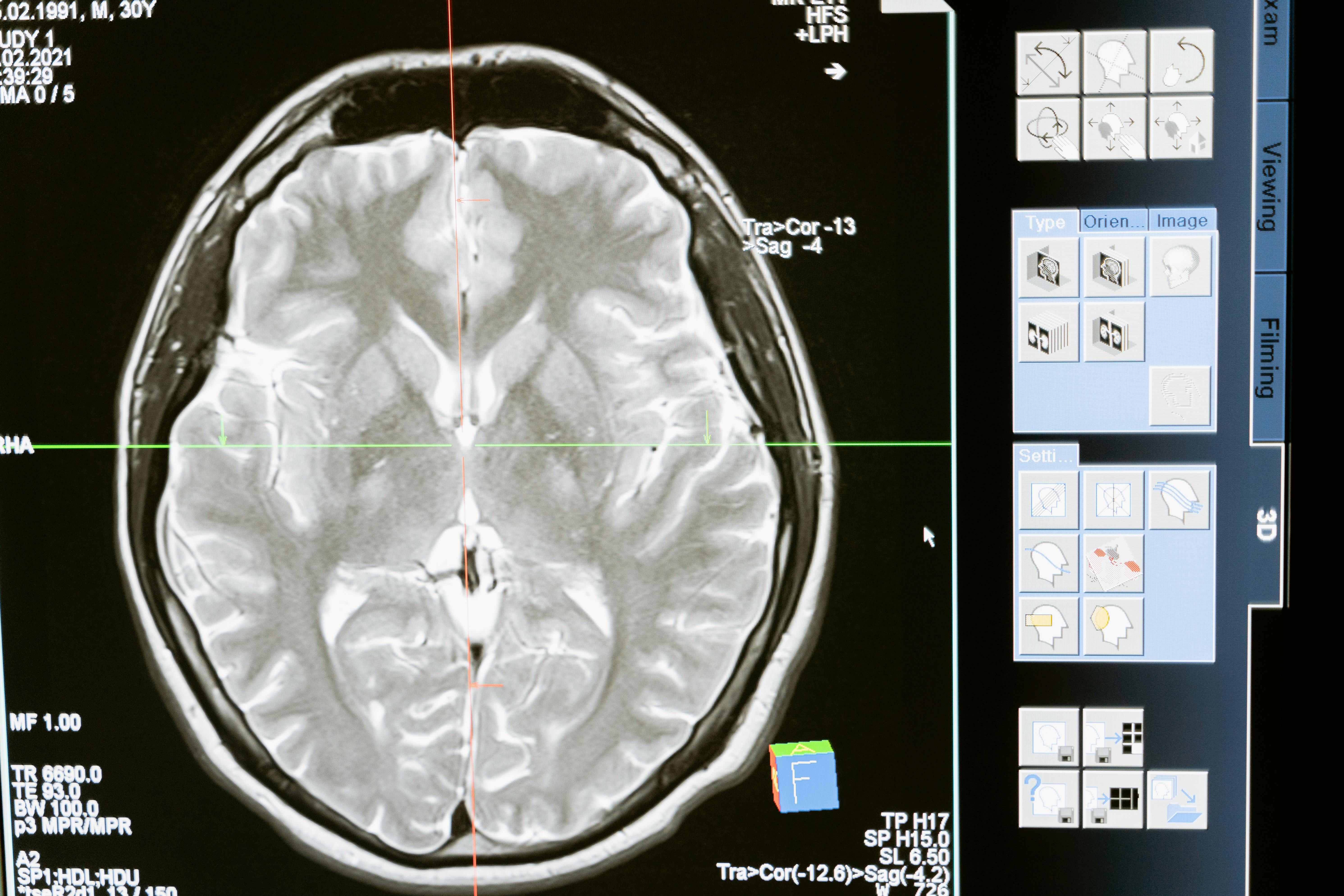
Imaging is used selectively. MRI of the brain and internal auditory canals is recommended for unilateral tinnitus to rule out acoustic neuroma. MRA or CTA may be ordered for pulsatile tinnitus to evaluate vascular causes.
Blood work may check thyroid function, vitamin B12, and other labs based on clinical suspicion.
When Tinnitus Is Concerning
Most tinnitus is benign, even if distressing. Certain features warrant more urgent evaluation.
Sudden severe hearing loss with tinnitus needs immediate evaluation because prompt steroid treatment for sudden sensorineural hearing loss may restore hearing.
Tinnitus with new neurologic symptoms, severe headaches, visual changes, or facial weakness needs urgent workup.
Pulsatile tinnitus should be evaluated for vascular causes.
Unilateral tinnitus, especially with hearing changes on the same side, needs MRI to rule out acoustic neuroma.
Tinnitus associated with significant head trauma or ear trauma needs evaluation.
Dramatic worsening of existing tinnitus can indicate progression of an underlying condition.
What Actually Helps
Treatment options work better when underlying conditions are addressed and realistic expectations are set. A complete cure is uncommon. Meaningful improvement in how tinnitus affects daily life is very achievable.
Hearing aids help many tinnitus patients. If hearing loss is present, amplifying external sounds gives the brain more input to process, reducing the apparent prominence of tinnitus. Modern hearing aids often include specific tinnitus management features like masking sounds.
Sound therapy uses ambient sound to reduce tinnitus awareness. White noise machines, fans, music, nature sounds, or specialized apps provide background sound that makes tinnitus less noticeable. Complete masking is rarely needed and may actually interfere with adaptation over time. Partial masking or enrichment of the sound environment works better for most people.
Cognitive behavioral therapy has the strongest evidence of any treatment for tinnitus. CBT helps patients change their relationship with the sound, reducing attention, distress, and the anxiety that amplifies perception. This is not telling people the tinnitus is in their head in a dismissive way. It is leveraging real brain mechanisms that control how tinnitus affects you.
Tinnitus retraining therapy combines counseling with sound enrichment over many months. Its goal is habituation, where the brain stops flagging tinnitus as a threat and processes it as background noise.
Mindfulness and acceptance based approaches reduce the suffering around tinnitus even when the sound itself persists. These techniques change the experiential quality of living with tinnitus.
Treating coexisting anxiety and depression improves tinnitus experience, even when it does not change the underlying sound. These conditions are common in significantly distressed tinnitus patients and deserve attention.
Avoiding triggers helps. Caffeine, alcohol, nicotine, and high sodium intake worsen tinnitus for some people. Lack of sleep, stress, and silence amplify perception. Finding your personal triggers through careful observation lets you manage modifiable factors.
Regular exercise benefits tinnitus indirectly through stress reduction, mood improvement, and general vascular health.
Sleep hygiene matters. Many people find tinnitus most bothersome at bedtime. Sound enrichment, a consistent sleep schedule, and stress reduction all help.
Treatments That Do Not Help or Lack Evidence
Many treatments are marketed for tinnitus without solid evidence.
Most dietary supplements for tinnitus have no convincing evidence despite aggressive marketing. Ginkgo biloba, zinc, and various combinations have been studied without consistent benefit.
Medications specifically for tinnitus are lacking. No FDA approved drug targets tinnitus itself. Benzodiazepines help anxiety around tinnitus but are not appropriate long term solutions.
Various alternative therapies including acupuncture have inconsistent evidence.
Overly expensive devices or programs claiming cures should be approached with skepticism. Real improvement rarely comes from a single device or supplement.
This does not mean nothing helps. The evidence based approaches above are real and make differences. Avoid chasing cures at the expense of engaging with effective interventions.
New and Emerging Treatments
Bimodal stimulation devices deliver paired sound and electrical stimulation to the tongue, aimed at retraining auditory processing. A product called Lenire has shown benefit in trials and is available in some regions.
Transcranial magnetic stimulation and other neuromodulation approaches are being studied for severe tinnitus.
Ongoing research explores drugs targeting specific neural mechanisms of tinnitus. Progress is slow but continuing.
Cochlear implants may reduce tinnitus along with improving hearing in severely hearing impaired patients.
Living Well With Tinnitus
For many people, tinnitus becomes less distressing over time even without specific treatment. The brain habituates, attention shifts, and the sound fades into background awareness. This natural adaptation is the goal of many evidence based treatments.
Avoid complete silence when possible. Silence makes tinnitus more prominent. Gentle environmental sound reduces the contrast.
Protect your remaining hearing. Use hearing protection in loud environments. Additional hearing loss typically worsens tinnitus.
Connect with others who have tinnitus. Support groups and online communities help reduce isolation and share practical strategies.
Maintain perspective. Tinnitus, while real and bothersome, is not dangerous to your health. It does not damage your ears further or indicate disease progression in most cases.
The Bottom Line
Tinnitus is common, often manageable, and responds to a combination of addressing underlying causes, sound enrichment, and cognitive approaches. Expecting complete silence as the only acceptable outcome sets you up for disappointment. Working toward reduced distress and peaceful coexistence with the sound is a more achievable and meaningful goal.
If your tinnitus is significantly affecting your life, get comprehensive evaluation by an ENT or audiologist experienced with tinnitus. Evidence based treatments exist. Living well despite ongoing tinnitus is possible for the vast majority.
Sources and Further Reading
Health and Beyond uses reputable medical and scientific sources where possible. These links support or expand on the topics discussed above.
- NIAMS: Bones, Joints, and Musclesniams.nih.gov
- MedlinePlus: Back Painmedlineplus.gov