The pain starts on one side of your head, usually around an eye, and builds to a level most people cannot imagine. Patients describe it as a hot poker driven into the eye socket. The pain is not dull, not throbbing, not aching. It is a sharp searing agony that peaks within minutes and holds at that level for thirty to ninety minutes before gradually releasing. Then, maybe a few hours later, it comes back. Day after day. For weeks or months. Then it disappears, only to return months or years later.
Cluster headache is sometimes called the suicide headache because its intensity drives people to desperate thoughts. It is a relatively rare condition, affecting roughly one in a thousand people, but its impact on those affected is profound. Despite being one of the most severe pain conditions known to medicine, cluster headache remains poorly understood by the general public and sometimes even by general physicians. Getting proper diagnosis and effective treatment changes everything for people suffering from this condition.
What Makes Cluster Different
Cluster headache belongs to a group called trigeminal autonomic cephalalgias. The defining feature is not just severe head pain but a pattern with specific characteristics.
Attacks are always one sided in the same area, typically around or behind the eye, sometimes extending to the temple or forehead.
Pain comes on quickly, reaching maximum intensity within minutes, and lasts fifteen minutes to three hours untreated. Ninety minutes is typical.
Autonomic symptoms accompany the pain on the same side. These include tearing of the eye, redness of the eye, nasal congestion or runny nose, drooping eyelid, constricted pupil, and sometimes facial sweating or flushing. The combination of severe unilateral pain with these autonomic features is highly characteristic.
Attacks often occur at strikingly consistent times, particularly at night. Many patients wake from sleep with attacks at the same time each night during a cluster period.
The pattern differs from migraine in important ways. Cluster is stabbing rather than throbbing, much shorter duration, happens more than once daily in clusters, and drives people to pace or rock rather than lie still as migraine patients prefer.
Cluster headache occurs in two main patterns. Episodic cluster involves attacks occurring for weeks to months followed by remission periods of months to years. Chronic cluster involves attacks without significant remission for more than a year or with remissions shorter than three months.
Who Gets Cluster Headaches
Cluster headache is about three to four times more common in men than women, though this ratio has been evening out in recent decades. Onset is typically in young adulthood, commonly twenties to thirties, though it can begin at any age.
Smoking is strongly associated with cluster headache. The link is so strong that non smokers are unusual among cluster patients. Quitting smoking does not consistently improve the condition once established, but the association is well documented.
Alcohol commonly triggers attacks during cluster periods but does not typically trigger attacks during remission. Many patients stop drinking entirely during active cluster periods.
Family history is less strongly associated than with migraine, but cluster headache does cluster in some families.
Getting Properly Diagnosed
Cluster headache is diagnosed clinically based on the characteristic features. Key diagnostic criteria include strictly unilateral severe head pain in specific locations, duration of fifteen minutes to three hours, specific autonomic features on the same side as pain, frequency of up to eight attacks per day, and typical cyclical pattern.
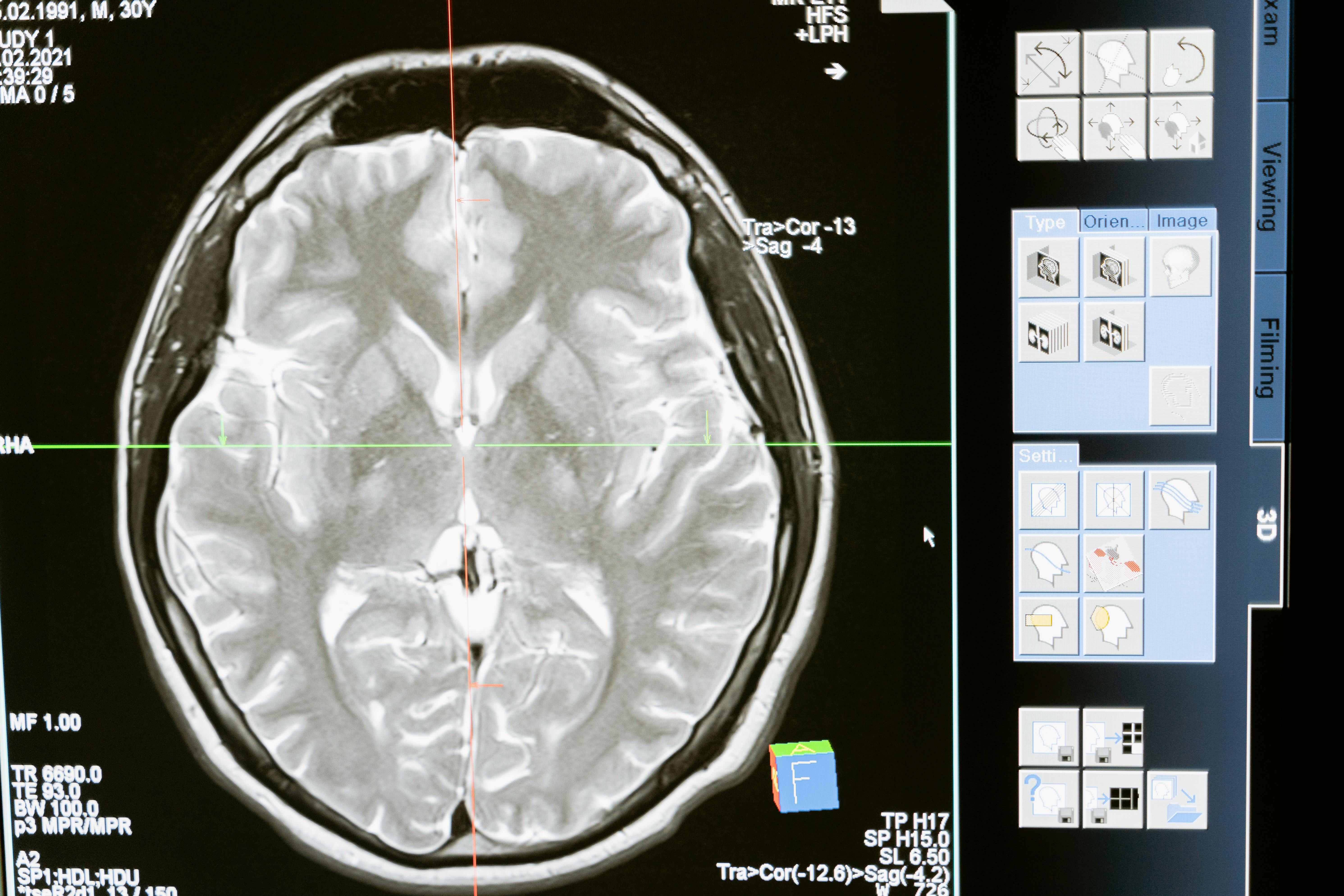
Brain imaging, usually MRI, is typically performed to rule out secondary causes, especially on first diagnosis. Tumors, vascular malformations, and pituitary lesions can mimic cluster headache rarely.
The diagnosis is often delayed for years. Patients may see multiple providers before someone recognizes the pattern. Misdiagnoses of sinus headaches, migraines, or tension headaches are common. Any patient with severe one sided headaches with autonomic features should be evaluated specifically for cluster headache.
Acute Treatment
Cluster attacks require fast acting treatment because oral medications are too slow for attacks that peak in minutes.
High flow oxygen at twelve to fifteen liters per minute through a non rebreather mask for fifteen to twenty minutes aborts attacks in about sixty to seventy percent of patients. This is remarkably effective, safe, and can be used multiple times daily without concern. Getting home oxygen arranged is important for cluster patients.
Sumatriptan by injection or nasal spray is rapid and effective. Injection works within minutes. Nasal spray is slightly slower but more convenient. The injectable form has the best evidence.
Zolmitriptan nasal spray is another effective option.
Oral triptans are too slow for most cluster attacks. By the time they work, the attack is resolving anyway.
Intranasal lidocaine provides partial relief for some patients.
Dihydroergotamine is an older option still used in some settings.
Limitations exist. Triptans are limited in daily dose, which can be a problem when multiple attacks occur daily. This drives the role of preventive treatment.
Preventive Treatment
Because cluster attacks come in frequent clusters, preventive treatment during active cluster periods is essential.
Verapamil is the standard first line preventive. Effective doses are often higher than standard cardiovascular doses, sometimes up to seven hundred twenty milligrams or more daily, requiring EKG monitoring for heart rhythm effects.
Corticosteroids provide rapid bridge therapy while starting other preventives. Prednisone tapered over a few weeks helps break cluster periods. Greater occipital nerve blocks with steroid injection at the back of the head are particularly effective and well tolerated.
Lithium is effective, particularly for chronic cluster, though requires monitoring of blood levels and kidney function.
Galcanezumab, a CGRP monoclonal antibody, is FDA approved specifically for episodic cluster headache and provides another option.
Other options with varying evidence include topiramate, valproate, and melatonin.
Bridge therapy during transitions is important. Prednisone or nerve blocks while starting verapamil, for example, prevents ongoing attacks during dose titration.
When Preventives Fail
Neuromodulation approaches are increasingly available for refractory cluster headache.
Sphenopalatine ganglion stimulation uses an implanted device to stimulate a specific ganglion involved in cluster pain. Patient controlled activation can abort attacks.
Occipital nerve stimulation involves implanted electrodes along the greater occipital nerves. Evidence suggests benefit for chronic cluster in some patients.
Vagus nerve stimulation, both implanted and non invasive handheld devices, has some evidence.
Deep brain stimulation has been used in the most refractory cases but is rarely done.
Psilocybin, LSD, and other psychedelic drugs have been reported to break cluster cycles by patients, and emerging research is exploring this seriously. These are not currently standard medical treatments but represent a promising area.
Living With Cluster Headaches
Predicting attacks helps manage life around them. Many patients identify patterns, particularly time of day, that allow preparation.
Avoid triggers during active cluster periods. Alcohol particularly should be completely avoided. Napping can trigger attacks for many patients during cluster periods. Altitude changes and vigorous exertion are triggers for some.
Keep oxygen equipment accessible, charged, and ready. Make sure family members know how to help during attacks.
Develop attack management strategies. Many patients find motion, cold water, or caffeine helpful during attacks. Lying still is usually unbearable.
Psychological support matters. The severity of pain combined with its recurring nature can cause depression and anxiety. Suicidal thoughts during attacks are common enough that the nickname arose, and these deserve serious attention. Support groups for cluster patients exist and can be enormously helpful.
Family members and partners often struggle to understand the severity of cluster attacks and the limitations they impose. Education helps everyone cope better.
The Future
Research on cluster headache continues. CGRP targeted therapies and other migraine advances are extending to cluster. Devices are becoming more refined. Psychedelics are being formally studied. Better understanding of the underlying biology is emerging.
The outlook is better than it used to be for most patients. Many achieve reasonable control with standard therapies. Those with refractory disease have more options than ever before.
Related Conditions
Several other trigeminal autonomic cephalalgias have similar features but distinct patterns.
Paroxysmal hemicrania involves shorter attacks, five to thirty minutes, occurring more frequently than cluster. It responds dramatically to indomethacin, which distinguishes it diagnostically.
Hemicrania continua is continuous one sided headache with autonomic features that also responds to indomethacin.
Short lasting unilateral neuralgiform headache with conjunctival injection and tearing, SUNCT, and its variant SUNA involve very brief severe attacks with autonomic features. These are treated with different medications than cluster.
Recognizing these patterns matters because they respond to specific treatments that may not work for cluster and vice versa.
When to See a Specialist
Cluster headache deserves neurology consultation, particularly with headache specialists, for most patients.
Acute severe cluster requiring emergency visits warrants comprehensive preventive planning to avoid future emergency visits.
Refractory cluster not responding to standard therapies should be managed at specialized headache centers with access to neuromodulation and advanced options.
New diagnosis especially warrants specialist input to establish appropriate preventive regimen, arrange oxygen, provide triptan injections, and educate about the condition.
The Bottom Line
Cluster headache is a distinct, severe, and treatable condition. The key message for patients is that effective treatment exists and involves both acute measures for attacks and daily preventives during cluster periods. Oxygen and injectable triptans abort most attacks. Verapamil and nerve blocks prevent them.
If you have been suffering with severe one sided headaches that have autonomic features and come in cyclical patterns, insist on a cluster headache evaluation. Proper treatment changes lives for people with this condition. The pain can be controlled.
Sources and Further Reading
Health and Beyond uses reputable medical and scientific sources where possible. These links support or expand on the topics discussed above.
- NIAMS: Bones, Joints, and Musclesniams.nih.gov
- MedlinePlus: Back Painmedlineplus.gov