Migraine is not a bad headache. People who have not experienced migraines often assume it is just pain that happens to be worse than usual. People who live with migraine know it is a complex neurologic condition where head pain is just one feature, often not even the most disabling one. Nausea that makes you unable to function. Sensitivity to light and sound that forces you into dark silent rooms. Visual auras that scramble your sight before pain begins. Cognitive fog that fogs thinking for hours or days. Stomach upset and fatigue that linger long after the headache resolves.
An estimated twelve percent of adults experience migraines, with women affected about three times more often than men. Migraine disability ranks among the top causes of years lived with disability worldwide. Yet the condition remains undertreated, often because patients do not realize that modern options have transformed what is possible. Here is a thorough guide to understanding and managing migraines effectively.
What Migraine Actually Is
Migraine is a neurologic condition involving complex brain dysfunction, not simply a vascular headache as was once believed. The cortex becomes hyperexcitable. A wave of neural activity called cortical spreading depression moves across the brain during aura. Inflammatory processes in the meninges, the coverings of the brain, generate pain. The trigeminal nerve system, which senses pain from the head and face, becomes sensitized.
This complexity explains why migraine has so many features beyond pain. The entire nervous system is affected during attacks, not just pain pathways.
Migraines are typically categorized as migraine with aura or migraine without aura. Aura involves temporary neurologic symptoms preceding or during the headache, most commonly visual like zigzag lines, blind spots, or flashing lights. Sensory aura with tingling or numbness, speech aura with word finding difficulty, and weakness in hemiplegic migraine are other forms.
Chronic migraine, defined as headaches on fifteen or more days per month with migraine features on at least eight of those days for more than three months, represents a particularly disabling pattern.
The Phases of a Migraine
Migraine attacks often unfold in phases, which helps explain the varied symptoms.
The prodrome occurs hours to days before headache onset. Symptoms may include mood changes, food cravings, yawning, neck stiffness, increased urination, or fatigue. Recognizing prodrome signs can allow earlier treatment or avoidance of triggers.
The aura, if present, typically precedes or accompanies headache onset. Visual aura is most common. Sensory, speech, and motor auras also occur. Auras usually last less than an hour and fully resolve.
The headache phase involves pain, often but not always one sided, throbbing or pulsating, moderate to severe, and worsened by physical activity. Accompanying symptoms typically include nausea, often with vomiting, light sensitivity, sound sensitivity, and sometimes smell sensitivity. The headache can last four to seventy two hours without treatment.
The postdrome follows headache resolution and can last a day or two. Symptoms may include fatigue, difficulty concentrating, mild residual head discomfort, and feeling drained or emotionally labile. This often under recognized phase contributes significantly to migraine disability.
Common Triggers
Migraine triggers vary by individual but follow common patterns. Identifying your triggers helps predict and sometimes prevent attacks.
Stress is a very common trigger, though interestingly, letdown after stress rather than peak stress often triggers attacks.
Hormonal changes trigger migraines in many women, with menstrual migraine occurring before or during periods being common.
Sleep disruption, both too little and too much, triggers attacks.
Skipping meals or fasting can trigger migraines in many people.
Dehydration is a common trigger.
Weather changes, particularly barometric pressure drops, trigger attacks in susceptible people.
Specific foods and drinks trigger some people. Common culprits include aged cheeses, processed meats with nitrates, chocolate, red wine, beer, artificial sweeteners, MSG, and caffeine withdrawal. Food triggers vary widely, and many supposed food triggers are unreliable.
Strong smells like perfumes, cleaning products, or gasoline trigger attacks in some people.
Bright or flickering lights trigger aura and headaches.
Physical exertion, including sexual activity, can trigger migraines in susceptible people.
Keeping a headache diary to track triggers, symptoms, and treatments helps identify patterns that are not obvious otherwise.
Getting Properly Diagnosed
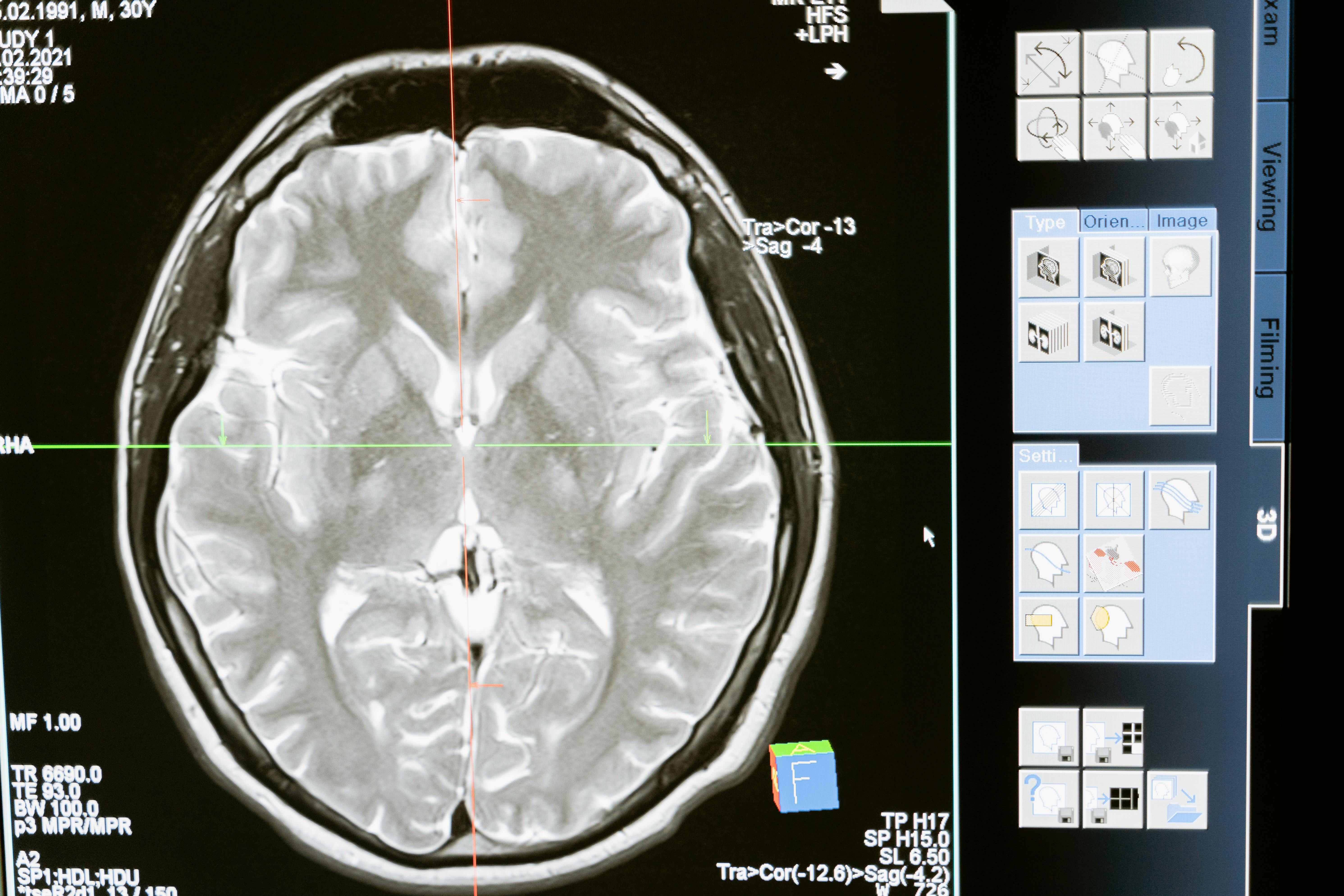
Migraine is typically diagnosed clinically by history. Imaging is not needed in most cases with typical features.
Red flags that warrant imaging or other workup include sudden severe headache unlike any before, headache with fever and stiff neck, headache with neurologic deficits that do not resolve with the headache, headaches that get progressively worse over weeks, new headache after age fifty, headaches triggered by coughing or exertion, and others.
Chronic daily headaches or significant change in pattern deserve evaluation.
Some patients are misdiagnosed as having sinus headaches when they actually have migraine. The throbbing, one sided pain and associated nausea or light sensitivity suggest migraine. True sinus headache is less common than assumed.
Proper diagnosis guides proper treatment. Neurology referral is appropriate for difficult or atypical cases.
Acute Treatment Options
When an attack occurs, effective acute treatment can shorten it and reduce disability.
Over the counter options work for some people with milder attacks. Ibuprofen, naproxen, acetaminophen, and aspirin all have evidence. Combinations with caffeine can enhance effect. Use early in attack and avoid overuse which can worsen headaches.
Triptans have been the mainstay of migraine specific acute treatment for decades. Sumatriptan, rizatriptan, zolmitriptan, and others target specific serotonin receptors. They work best when taken early in attacks. Different formulations including oral tablets, nasal sprays, and injections offer options for different patient needs, particularly when nausea makes oral medications difficult.
Triptans are contraindicated in people with certain cardiovascular diseases, so screening is important before use.
Gepants, a newer class of migraine specific medications, include ubrogepant, rimegepant, and zavegepant. They work through CGRP pathways and offer alternatives when triptans are contraindicated or ineffective.
Ditans, represented by lasmiditan, target different serotonin receptors without vascular effects, providing another option for people with cardiovascular contraindications to triptans.
Anti nausea medications like metoclopramide or prochlorperazine help with nausea and sometimes headache itself.
Rescue treatments for severe attacks unresponsive to standard therapy include corticosteroids, ergotamine derivatives, and various combinations. Emergency room management of intractable attacks uses IV medications.
Medication overuse is an important consideration. Using acute medications too frequently, more than ten to fifteen days per month depending on the medication, can cause medication overuse headache where headaches worsen in response to the treatment. Careful tracking prevents this trap.
Preventive Treatment
When attacks are frequent, severe, or poorly responsive to acute treatment, preventive medication taken daily reduces attack frequency and severity.
Many classes of medication have evidence. Beta blockers like propranolol and metoprolol are traditional first line options. Topiramate, an antiepileptic, is widely used. Amitriptyline, a tricyclic antidepressant, helps many patients. Valproate has evidence but significant side effects.
Newer migraine specific preventives have transformed treatment. CGRP monoclonal antibodies including erenumab, fremanezumab, galcanezumab, and eptinezumab are given as injections monthly or quarterly. They have excellent tolerability and work well for many patients including those who have failed multiple traditional preventives. Oral CGRP antagonists like atogepant and rimegepant also serve as preventive options.
Botox injections administered every three months are FDA approved for chronic migraine and work well for appropriate patients.
Supplements with evidence include riboflavin, magnesium, coenzyme Q10, and feverfew. Effects are modest but tolerability is good.
Devices like transcutaneous supraorbital nerve stimulation, external trigeminal nerve stimulation, and remote electrical neuromodulation offer drug free options for prevention or acute treatment.
Choice of preventive depends on patient factors, other medical conditions, side effect profiles, and cost considerations. Trying multiple options may be necessary to find what works.
Lifestyle Management
Regular sleep patterns matter. Going to bed and waking up at similar times, even on weekends, reduces migraine frequency for many patients.
Regular meals prevent fasting triggered attacks. Skipping breakfast or working through lunch can trigger attacks in susceptible people.
Adequate hydration, generally considered two or more liters of fluid daily, helps.
Regular exercise reduces migraine frequency over time, even though sudden strenuous exertion can sometimes trigger attacks. Gradual consistent activity seems most protective.
Stress management through whatever approaches work for you, meditation, therapy, regular exercise, yoga, has real effects on migraine frequency.
Biofeedback and cognitive behavioral therapy have strong evidence for migraine management and can be used as standalone approaches or alongside medication.
Limit caffeine to moderate consistent intake rather than highly variable consumption.
Avoid identified dietary triggers but do not unnecessarily restrict foods without clear evidence they trigger your attacks.
Hormones and Migraine
Women often notice migraine patterns related to their menstrual cycles. Menstrual migraines are particularly severe and less responsive to standard acute treatment.
Short course preventive around predicted menstruation can help women with clear menstrual patterns. Options include triptans taken preemptively, NSAIDs, or other medications for a few days around periods.
Hormonal contraceptives can worsen, improve, or not change migraines. Combined hormonal contraceptives are contraindicated in women with migraine with aura due to increased stroke risk.
Pregnancy often improves migraines after the first trimester due to hormonal stability, though some women experience worsening.
Menopause transition can worsen migraines temporarily before often improving after menopause.
Hormone replacement therapy decisions in women with migraines require individualized discussion weighing benefits and migraine considerations.
The Chronic Migraine Challenge
Chronic migraine, with fifteen or more headache days per month, represents particularly significant disability. Transformation from episodic to chronic migraine often involves medication overuse, stress, sleep disturbance, obesity, or major life changes.
Treatment of chronic migraine includes identifying and eliminating medication overuse, addressing contributing factors, and often using Botox or CGRP antibodies as preventive treatment.
Behavioral therapies and lifestyle interventions are particularly important.
Specialized headache centers offer multidisciplinary approaches to refractory cases.
When to Seek Specialist Care
Difficulty finding effective preventive treatment after trying several options.
Chronic migraine not responding to initial preventives.
Medication overuse issues.
Complex migraines with prominent aura, hemiplegic features, or atypical presentations.
Pregnancy planning with migraines requires coordinated care.
Suspected new onset migraine in older adults deserves specialist evaluation.
The Bottom Line
Migraine is a treatable neurologic condition, not an unavoidable part of life for those affected. The treatment options have expanded dramatically in recent years. If you have been struggling with migraines using only over the counter medications, you have not experienced what modern treatment can offer.
Getting proper diagnosis, appropriate acute treatment, and preventive therapy when warranted can transform life. If migraines are affecting your ability to work, parent, or enjoy life, more help is available. Neurology or headache specialty consultation opens access to the full range of current options. You do not have to simply endure migraines. Real relief is achievable for most patients.
Sources and Further Reading
Health and Beyond uses reputable medical and scientific sources where possible. These links support or expand on the topics discussed above.
- NIAMS: Bones, Joints, and Musclesniams.nih.gov
- MedlinePlus: Back Painmedlineplus.gov