You wake up with a locked jaw that will not open past two fingers. You hear clicking every time you eat an apple. You get headaches that start near your ears and wrap around your temples. You notice your teeth do not fit together the way they used to. These are all signs your temporomandibular joint, the hinge connecting your jaw to your skull, is in trouble.
TMJ disorders, sometimes called TMD, affect an estimated ten to fifteen percent of adults. The condition ranges from mild and temporary to severely disabling. Understanding what is actually going on helps you avoid the common mistake of jumping straight to aggressive treatment when simpler approaches usually work better.
Anatomy of the Joint
The temporomandibular joint sits right in front of your ear on each side. Place your fingers there and open your mouth. You can feel the movement. This joint is unusual because it both rotates and slides. Simple hinge joints like your elbow only do one. That complexity makes the TMJ remarkably capable but also vulnerable to many kinds of dysfunction.
A small cartilage disc cushions the joint, allowing smooth motion. Ligaments hold everything in place. Muscles, particularly the masseter and temporalis, power the jaw and also contribute to many TMJ problems when they become overworked.
When something goes wrong in this system, the joint, disc, muscles, or nerves, the whole structure can produce pain and dysfunction. That is why TMJ disorders have such varied symptoms. Different tissues get involved for different people.
What Symptoms Look Like
Jaw pain is the most obvious symptom, but far from the only one. The pain can be localized to the joint itself, felt as aching near the ears. It can radiate into the temples producing what feels like tension headaches. Some people feel pain in the side of the neck, the shoulder, or even behind the eye on the affected side.
Clicking and popping with jaw movement is extremely common. By itself, a click that causes no pain is not necessarily a disorder. Many people click forever with no problems. When clicking comes with pain or catches during movement, it signals disc displacement or inflammation.
Locking is more concerning. Open lock means the jaw gets stuck open and will not close easily. Closed lock means it will not open fully, usually limiting opening to around twenty to thirty millimeters instead of the normal forty to fifty.
Ear symptoms trick many people. Fullness in the ear, muffled hearing, ringing, or pain deep in the ear canal can all originate from TMJ dysfunction. People often see ENT specialists repeatedly with normal ear exams before anyone considers the jaw.
Headaches, especially tension type headaches that recur frequently, are commonly driven by TMJ muscle issues. The temporalis muscle, which helps close the jaw, sits right in the temple. When it spasms chronically, it produces headaches mistaken for migraines or generic tension headaches.
Teeth grinding and clenching, bruxism, often accompanies TMJ issues and worsens them. Many people clench without realizing it, especially during sleep. Worn down teeth, sore jaw muscles on waking, and morning headaches all suggest nighttime bruxism.
Sometimes the bite itself feels different. Teeth do not meet the way they used to. This can reflect actual changes in joint position or swelling that temporarily alters alignment.
Common Causes
TMJ disorders rarely have a single cause. Usually multiple factors combine to push the joint or muscles past their tolerance.
Bruxism and clenching top the list. Grinding teeth at night or chronically holding tension in the jaw during the day puts tremendous force on the system. The masseter muscle is pound for pound one of the strongest in the body. Sustained contraction exhausts it and irritates everything it connects to.
Injury or trauma to the jaw, even minor, can trigger TMJ problems. Whiplash from car accidents is a classic cause. Direct blows to the jaw, even years earlier, sometimes produce delayed problems.
Arthritis affects the TMJ just like other joints. Osteoarthritis from wear and tear develops slowly over decades. Rheumatoid arthritis or psoriatic arthritis can attack the TMJ and cause significant destruction if not controlled.
Poor posture contributes more than people realize. Forward head position, common from looking at screens all day, shifts jaw alignment. The muscles around the neck and jaw work harder to compensate. Over years this creates chronic tension.
Dental work can sometimes trigger TMJ problems. Holding the mouth open for extended periods during procedures, new crowns that change bite alignment, or orthodontic changes can all stress the system. Usually these are temporary but occasionally set off chronic issues.
Stress amplifies everything. Anxious people clench their jaws, shoulders, and fists without noticing. Cortisol and inflammatory markers rise during chronic stress, making all musculoskeletal pain worse. Many TMJ flares trace directly to life stressors.
Hypermobility and connective tissue disorders predispose some people to TMJ issues. If your joints throughout the body are loose, your TMJ disc is more likely to slip out of position.
Getting Properly Evaluated
A thorough evaluation starts with a detailed history. When did symptoms begin? What makes them worse or better? Do you grind your teeth? Have you had any jaw injuries? What does your stress look like? Do you have sleep issues?
Physical examination includes measuring how wide your mouth opens, palpating the joint and muscles for tenderness, listening for clicks during movement, and checking how your bite aligns. The dentist or doctor may check neck and shoulder muscles too, since these often contribute.
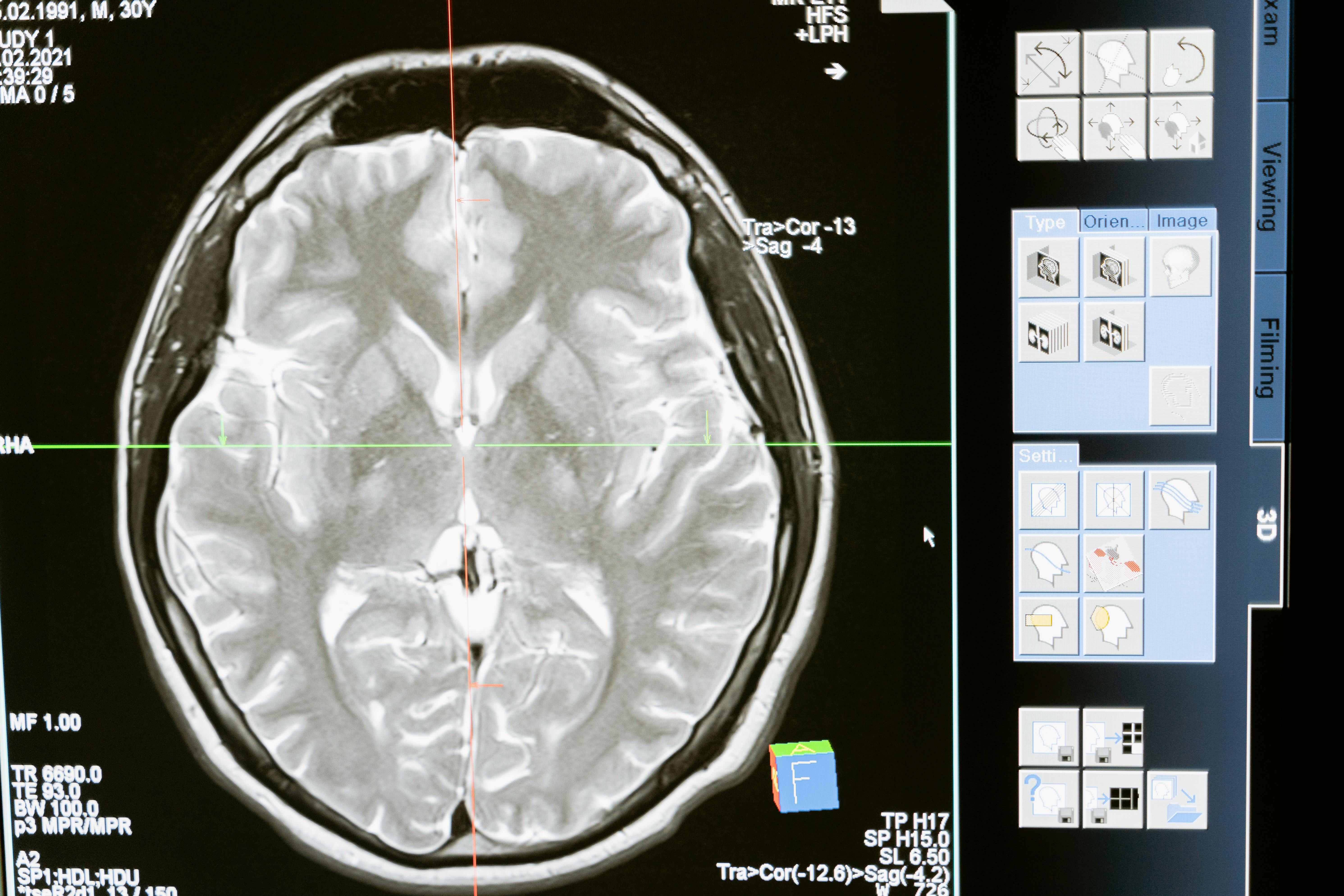
Imaging is sometimes helpful but not always needed. A panoramic X ray provides basic assessment. Cone beam CT shows bony anatomy in more detail. MRI is the gold standard for visualizing the disc and soft tissues when the diagnosis is unclear or surgery is being considered. Most mild to moderate TMJ disorders do not require imaging.
Many dentists have taken extra training in TMJ. Oral and maxillofacial surgeons, orofacial pain specialists, and some physical therapists with specialized training are the usual providers. Avoid anyone who immediately recommends expensive appliances or irreversible treatments without conservative trials first.
Conservative Treatment First
This is the most important message about TMJ care. The vast majority of cases resolve with conservative treatment. Aggressive interventions should be saved for situations where conservative care fails, not used as first line therapy.
Soft diet during flares takes stress off the joint. Cut food into small pieces, avoid hard or chewy foods, skip gum. This is temporary, lasting days to a few weeks during acute episodes.
Heat and ice help. Moist heat relaxes tight muscles. Ice reduces acute inflammation. Alternating them often works better than either alone.
Gentle jaw exercises, prescribed by a physical therapist or found in reliable sources, improve muscle balance and joint mobility. Avoid aggressive self massage or forcing the jaw, which can worsen irritation.
Over the counter NSAIDs like ibuprofen reduce both pain and inflammation. They work best used regularly for a short period during flares rather than sporadically. Muscle relaxants may be prescribed for severe episodes.
Stress management is not optional for most TMJ patients. Whether through therapy, meditation, exercise, or other methods, reducing baseline stress reduces jaw clenching and muscle tension. Many patients notice their TMJ tracks closely with their stress levels.
Night guards and splints protect teeth from grinding and give the muscles a rest. A custom guard from a dentist fits better than over the counter versions and causes less jaw repositioning. Different types exist for different problems, so getting the right one matters.
Physical therapy for the jaw, neck, and shoulders addresses the whole upper body system. Therapists trained in TMJ do manual therapy, teach exercises, and correct postural issues that contribute to pain.
When Conservative Care Is Not Enough
For stubborn cases, escalating treatments exist. Trigger point injections into spasmed muscles provide relief lasting weeks to months. Botox injections into the masseter and temporalis reduce muscle tension and are increasingly used for TMJ.
Arthrocentesis, flushing the joint with saline under local anesthesia, sometimes breaks adhesions and reduces inflammation in selected cases. It is a minor procedure with relatively low risk.
Arthroscopy, a minimally invasive surgery, addresses more significant internal joint problems. Open joint surgery is rare and reserved for severe structural problems like significant disc displacement or arthritis that has destroyed joint anatomy.
Prolotherapy and platelet rich plasma injections are used by some practitioners for TMJ instability, though evidence is still developing.
Beware of anyone promoting aggressive orthodontic work, extensive dental reconstruction, or permanent bite changes as first line TMJ treatment. These approaches have poor evidence and significant risk. The mainstream of TMJ care has moved decisively toward conservative management for good reason.
Sleep and TMJ
Sleep bruxism often drives TMJ disorders, and it often goes hand in hand with sleep apnea. The body grinds teeth in part as a response to airway narrowing during sleep. If you have TMJ issues plus loud snoring, daytime fatigue, or witnessed pauses in breathing, get evaluated for sleep apnea. Treating the apnea often reduces the bruxism and the jaw pain.
Sleep position matters too. Stomach sleeping with the head turned puts chronic rotational stress on the jaw. Back sleeping with a supportive pillow is usually kindest to the TMJ.
Living With Chronic TMJ
For the minority with persistent TMJ issues despite treatment, pacing and acceptance become important. Avoiding known triggers, managing stress proactively, sticking with supportive habits like good sleep and regular gentle exercise, all contribute to day to day function.
Pain psychology approaches like cognitive behavioral therapy help people cope with chronic pain and reduce pain amplification. This is not about the pain being imaginary. It is about the nervous system changes that chronic pain produces and how therapy can address them.
Support groups and online communities help reduce the isolation many chronic TMJ patients feel. Friends and family often do not understand invisible pain conditions.
The Bottom Line
Your TMJ hurts because something in a complex system is out of balance. That something is usually muscle tension, often driven by stress, clenching, poor posture, or all three. The joint itself can develop problems too, but even those often respond to conservative care.
Start with the basics. Soft diet for flares, heat and ice, stress reduction, gentle exercises, a quality night guard if you grind, and an evaluation by someone who will not immediately push expensive irreversible treatments. Most people improve significantly this way.
If you do need more, the progression from simple to complex makes sense. Escalate gradually. Save the heavy interventions for cases that truly need them. The jaw is a remarkable structure that usually recovers its function given the right support and time.
Sources and Further Reading
Health and Beyond uses reputable medical and scientific sources where possible. These links support or expand on the topics discussed above.
- NIAMS: Bones, Joints, and Musclesniams.nih.gov
- MedlinePlus: Back Painmedlineplus.gov