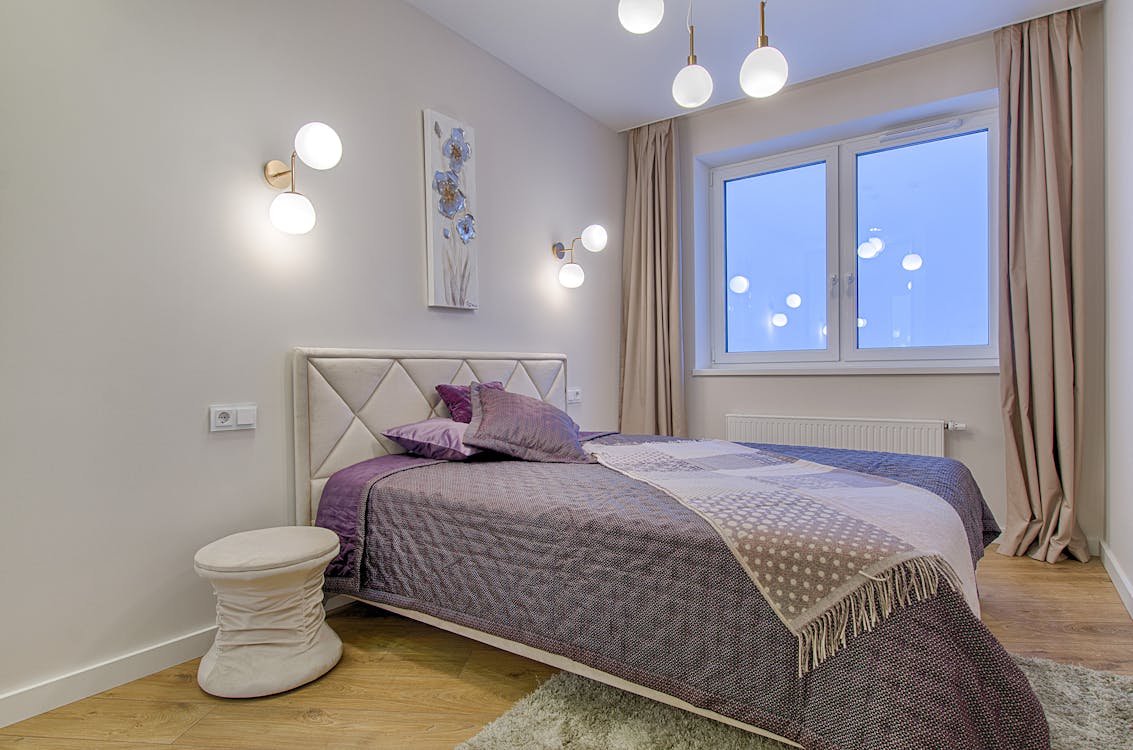
Your bedroom environment affects your sleep far more than most people realize. While sleep hygiene advice often focuses on behaviors — avoiding screens before bed, maintaining consistent schedules, limiting caffeine — the physical space where you sleep plays an equally important role. Temperature that's a few degrees too warm, light that's just bright enough to suppress melatonin, intermittent noise that fragments sleep without fully waking you, and bedding that traps heat or causes discomfort can each independently reduce sleep quality. Combined, these environmental factors can be the difference between restorative sleep and restless nights.
The science behind sleep environment optimization is well-established, and the adjustments involved are among the most practical and affordable improvements available for better sleep.
Temperature: The Most Underrated Sleep Factor
Body temperature regulation is one of the most powerful physiological drivers of sleep onset and sleep quality, yet it receives far less attention than it deserves.
Your core body temperature follows a circadian rhythm, rising during the day and falling in the evening. Sleep onset is closely linked to this temperature decline — your body needs to drop its core temperature by approximately 1-2°F (0.5-1°C) to initiate sleep. This is why you naturally feel sleepy in a slightly cool environment and why trying to fall asleep when you're overheated is so difficult.
The temperature drop doesn't just help you fall asleep. It also influences which sleep stages you enter and how long you stay in them. Deep sleep (slow-wave sleep) is particularly temperature-sensitive. Research published in the journal Sleep found that even small elevations in ambient temperature reduced time spent in deep sleep, the most physically restorative stage.
The Ideal Temperature Range
The National Sleep Foundation and most sleep researchers recommend keeping bedroom temperature between 60-67°F (15.5-19.4°C) for optimal sleep. Individual preferences vary within this range, but very few people sleep optimally above 70°F (21°C).
This temperature range supports the body's natural thermoregulatory processes. At these temperatures, the body can effectively radiate heat from the skin surface (particularly from the hands and feet), facilitating the core temperature drop that promotes deep sleep. In warmer environments, the body struggles to dissipate heat efficiently, leading to more surface-level sleep and more frequent awakenings.
Practical Temperature Management
Setting your thermostat to 65°F is the simplest approach, but several other strategies can help, particularly if you share a bed with someone who prefers a different temperature or if your home's climate control is limited.
Mattress pads with active cooling or heating — products like the Eight Sleep Pod or ChiliPad — allow each side of the bed to be set to different temperatures and can program temperature changes throughout the night. While expensive, these devices address the temperature factor comprehensively and are particularly valued by couples with different thermal preferences.
Bedding selection significantly affects thermal comfort. Cotton sheets with a percale weave breathe better than sateen or microfiber, and linen sheets provide even better airflow. Bamboo-derived fabrics offer moisture-wicking properties that help manage temperature through sweat evaporation.
A warm bath or shower 60-90 minutes before bed paradoxically helps cool you down. The warm water dilates blood vessels at the skin surface, and when you step into cooler air, heat rapidly radiates from these dilated vessels, accelerating the core temperature drop that facilitates sleep onset. A meta-analysis in Sleep Medicine Reviews found that a warm bath 1-2 hours before bed reduced sleep onset latency by an average of 10 minutes.
Keeping feet warm while the room is cool can help some people. The feet play a disproportionate role in thermoregulation, and cold feet can actually impair the body's ability to redistribute heat away from the core. Wearing socks to bed or using a hot water bottle at the foot of the bed can improve sleep onset for people who tend to have cold extremities.
Light: Your Circadian Signal
Light exposure is the most powerful external regulator of your circadian rhythm, and even small amounts of light in the bedroom can measurably affect sleep quality and melatonin production.
Evening Light Exposure
In the hours before bed, bright light — particularly blue-enriched light from screens and LED bulbs — suppresses melatonin production and delays the circadian signal for sleep onset. Research from Harvard Medical School has shown that exposure to blue light in the evening shifts the circadian clock by up to 90 minutes and reduces REM sleep compared to dim light conditions.
The practical approach isn't necessarily eliminating all screens (though that would be ideal) but reducing overall light intensity and shifting the spectrum toward warmer tones in the 1-2 hours before bed. Most smartphones and computers now offer blue light filters (Night Shift, Night Light), and using these consistently helps. Dimmer switches on bedroom and bathroom lights allow you to reduce ambient light levels gradually as bedtime approaches.
Smart bulbs that can shift from cool white (5000K) during the day to warm amber (2700K or lower) in the evening replicate the natural light spectrum changes that your circadian system is designed to respond to. Some products go even further, offering red or amber modes below 2000K that have minimal impact on melatonin.
Bedroom Darkness
During sleep, even modest light exposure can suppress melatonin and reduce sleep quality without waking you. A study published in the Proceedings of the National Academy of Sciences found that sleeping with a light level of just 100 lux (roughly equivalent to a dim hallway light) increased heart rate, reduced heart rate variability, impaired glucose metabolism the following morning, and shifted sleep toward lighter stages compared to sleeping in near-total darkness.
Achieving true darkness requires attention to multiple light sources. Blackout curtains or shades are the foundation — look for products that provide edge coverage, as light leaking around curtain edges can be surprisingly bright. If perfect curtain coverage isn't feasible, a well-fitting sleep mask provides a reliable personal darkness solution.
Electronic devices in the bedroom — standby lights on televisions, charging indicators, router LEDs, clock displays — collectively produce more light than many people realize. Covering or removing these light sources, or switching to clocks with red displays (red light has the least circadian impact), helps achieve the darkness your sleep needs.
If you need a nightlight for bathroom trips, use one with a red or amber spectrum positioned low to the ground. These wavelengths don't suppress melatonin the way white or blue nightlights do, allowing you to navigate safely without disrupting your circadian state.
Sound: The Invisible Sleep Disruptor
Noise affects sleep even when it doesn't wake you. Your auditory system continues processing sound during sleep, and sounds that reach certain thresholds can cause cortical arousals — brief shifts to lighter sleep stages — that fragment sleep architecture without producing conscious awakening. You may sleep through a night of intermittent noise and feel unrested in the morning without understanding why.
Environmental Noise
Traffic, neighbors, barking dogs, HVAC cycling, garbage trucks, and building settling sounds are among the most common sleep-disrupting noises. These intermittent sounds are more disruptive than continuous noise because they represent changes in the auditory environment, which the sleeping brain is specifically tuned to detect as potential threats.
The World Health Organization recommends nighttime noise levels below 40 dB for preventing health effects from noise exposure during sleep. For reference, normal conversation is about 60 dB, a whisper is about 30 dB, and light traffic from a distance is about 40-50 dB.
Sound Masking
White noise machines, fans, and other continuous sound sources work by creating a consistent auditory backdrop that masks intermittent noise spikes. The principle is that a steady hum at 45 dB makes a sudden 55 dB noise spike less conspicuous to the sleeping brain than the same spike would be against a silent background.
White noise contains equal energy across all frequencies. Pink noise emphasizes lower frequencies and sounds more natural — like rain or ocean waves. Brown noise goes even deeper, resembling a low rumble. Research suggests that pink noise may have specific benefits for deep sleep enhancement, with a Northwestern University study finding that pink noise synchronized with slow-wave sleep oscillations improved memory consolidation.
The best sound masking approach is one that you find comfortable and that adequately covers the noise specific to your environment. If traffic noise (mostly low-frequency) is your problem, a device that emphasizes lower frequencies may work better than standard white noise. If it's voices or dog barking (mid to high frequency), white or pink noise may be more effective.
Earplugs
For environments where sound masking isn't sufficient, earplugs provide direct noise reduction. Foam earplugs typically offer 25-33 dB of noise reduction. Silicone putty earplugs mold to the ear canal and provide similar reduction with better comfort for side sleepers. Custom-molded earplugs from an audiologist offer the best fit and are worth the investment for long-term use.
The concern about missing important sounds — alarms, fire detectors, children — is valid but manageable. Modern alarm clocks can be set to volumes that penetrate earplugs, and many parents find they remain responsive to their children's sounds even while wearing earplugs because parental auditory processing during sleep is selectively heightened for these specific sounds.
Bedding: Comfort and Function
Your mattress, pillows, and sheets affect sleep through comfort, temperature regulation, and spinal alignment. While personal preference plays a significant role, research provides some guidance.
Mattress Selection
The "best" mattress depends on your body weight, sleep position, pain conditions, and thermal preferences. However, a consistent finding across research is that medium-firm mattresses tend to produce the best outcomes for most people. A clinical trial published in The Lancet found that medium-firm mattresses reduced back pain and improved sleep quality compared to firm mattresses in patients with chronic low back pain.
Mattresses should be replaced every 7-10 years, as materials degrade in ways that affect support and comfort even when the mattress appears intact. If you wake with stiffness or pain that resolves within 30-60 minutes of getting up, your mattress may be contributing to your sleep problems.
Pillow Considerations
Pillow selection should primarily support neutral spinal alignment, which varies by sleep position. Side sleepers need a thicker pillow to fill the gap between the ear and the mattress, keeping the cervical spine aligned with the thoracic spine. Back sleepers need a thinner pillow that supports the natural cervical curve without pushing the head forward. Stomach sleepers need the thinnest pillow possible, or no pillow at all, to prevent neck hyperextension.
Pillow material affects temperature regulation. Memory foam retains heat, which some people find uncomfortable. Latex, buckwheat, and down/down-alternative pillows generally sleep cooler. Cooling gel-infused foams represent a compromise for people who like the contouring feel of memory foam without the heat retention.
Sheet Material and Weave
Sheet selection affects both comfort and thermoregulation throughout the night. Cotton percale (a crisp, breathable weave) and linen are the coolest options and are particularly suited to warm sleepers. Cotton sateen has a smoother, silkier feel but is slightly warmer. Microfiber and polyester blends trap more heat and moisture, making them less ideal for sleep despite their low cost and durability.
Thread count is a less reliable quality indicator than marketing suggests. Above 400 thread count, additional threads are typically achieved by using thinner (and often weaker) yarns rather than genuinely denser weaving. A high-quality 300 thread count percale sheet often outperforms a 600 thread count sateen in breathability and durability.
Air Quality
Bedroom air quality affects sleep through several mechanisms. Elevated CO2 levels from poor ventilation can cause morning headaches, grogginess, and reduced sleep quality. Allergens including dust mites, pet dander, and pollen can trigger nasal congestion and breathing disruption that fragments sleep.
Opening a window (weather and noise permitting), running a fan, or using an air purifier with a HEPA filter can improve bedroom air quality. Dehumidifiers help in humid climates where excess moisture promotes dust mite proliferation and mold growth. The ideal bedroom humidity range for sleep is 30-50%.
Regular washing of bedding in hot water (at least 130°F/54°C) reduces dust mite populations. Hypoallergenic mattress and pillow encasements provide an additional barrier against allergens. Keeping pets out of the bedroom — or at minimum off the bed — reduces allergen exposure during the hours when prolonged contact has the most impact.
Creating Your Optimized Sleep Environment
The most effective approach to sleep environment optimization is systematic rather than all-at-once. Start with the factor that you suspect is most problematic in your current setup.
If you frequently feel too warm at night, wake sweating, or kick off covers, temperature is your priority. If you notice that you sleep better in hotels with blackout curtains or worse when a streetlight shines through your window, address light first. If you live on a busy street or have noisy neighbors, sound management deserves primary attention.
Make one change at a time and give each change at least a week before evaluating its impact and moving on to the next adjustment. This approach helps you identify which modifications make the most difference for your individual sleep and avoids the confusion of changing everything simultaneously.
The cumulative effect of optimizing temperature, light, sound, and bedding often exceeds what people expect. Each factor independently affects sleep quality, and when all four are addressed, the compound improvement can be transformative — turning a bedroom from a place where you try to sleep into a space that actively promotes deep, restorative rest.
Sources and Further Reading
Health and Beyond uses reputable medical and scientific sources where possible. These links support or expand on the topics discussed above.
- National Sleep Foundationthensf.org
- World Health Organizationwho.int