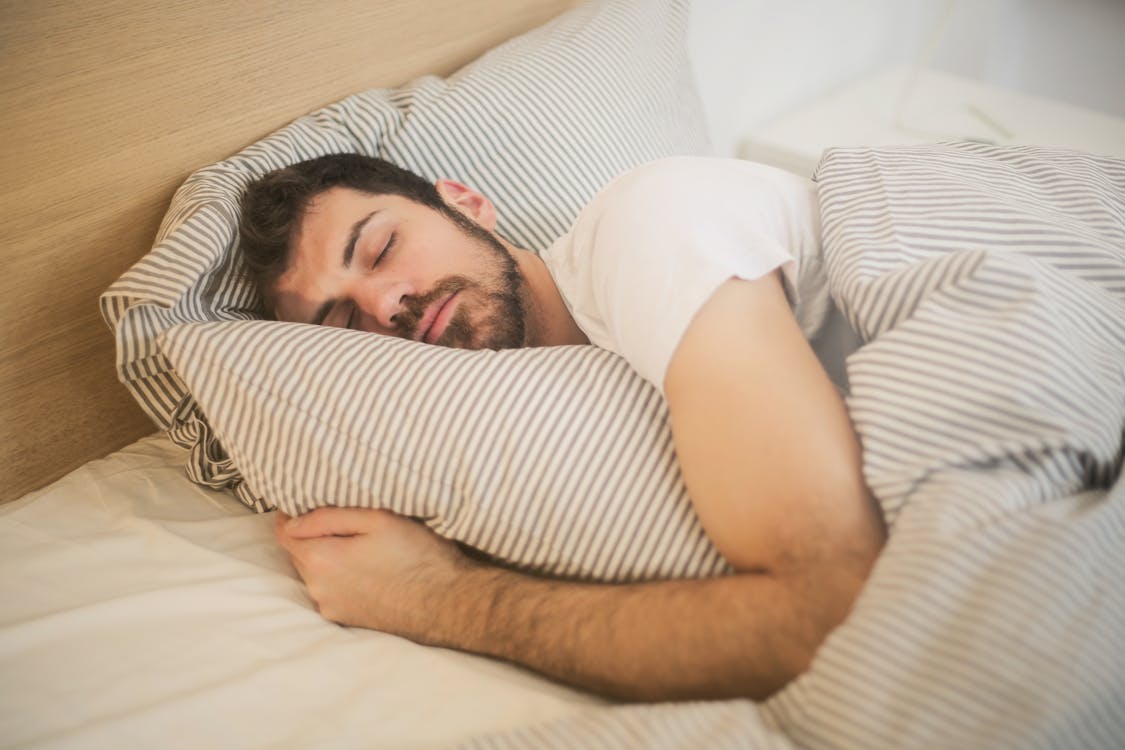
Napping occupies a strange cultural position. In some countries, the afternoon siesta is a cherished institution. In others, napping is associated with laziness, old age, or poor nighttime sleep. The scientific reality is far more nuanced than either extreme suggests. Napping can be a powerful cognitive and health tool — or it can worsen sleep problems and leave you groggier than before — depending almost entirely on when you nap and how long you sleep.
Understanding the neuroscience behind napping transforms it from a guilty indulgence into a strategic performance tool. The difference between a nap that sharpens your mind and one that leaves you foggy and unable to sleep at night often comes down to a matter of 10-15 minutes.
Why Napping Works
To understand why naps are beneficial, you need to understand the two-process model of sleep regulation. Your drive to sleep is governed by two interacting systems: the homeostatic sleep drive (Process S) and the circadian rhythm (Process C).
The homeostatic sleep drive builds progressively from the moment you wake up. A chemical called adenosine accumulates in the brain during waking hours, and as adenosine levels rise, so does your urge to sleep. This is the same system that caffeine blocks — caffeine occupies adenosine receptors without activating them, temporarily masking the growing sleep drive.
The circadian rhythm creates a roughly predictable pattern of alertness and drowsiness across the 24-hour day. For most adults, there's a natural dip in circadian alertness in the early to mid-afternoon, roughly 1-3 PM. This dip is sometimes called the "post-lunch dip," though it occurs regardless of whether you eat lunch. It's a genuine circadian feature, not simply a food coma.
Napping works because it temporarily clears some of the accumulated adenosine, reducing homeostatic sleep pressure and restoring alertness. The circadian afternoon dip provides a natural window where the body is primed for a brief sleep, making it the ideal time for a nap.
The 10-20 Minute Power Nap
The power nap — lasting 10-20 minutes — is the most universally recommended nap duration, and for good reason. At this length, you enter stage 1 and stage 2 (light) sleep without progressing into slow-wave (deep) sleep.
Light sleep provides meaningful cognitive restoration without the grogginess that comes from waking out of deep sleep. Research from the National Institutes of Health has shown that brief naps improve alertness, attention, reaction time, logical reasoning, and mood for several hours afterward.
A landmark study by NASA found that a 26-minute nap improved pilot performance by 34% and alertness by 54%. These are substantial improvements from a minimal time investment, and they demonstrate why organizations from NASA to Google to the military have incorporated napping into their operational protocols.
The key advantage of the short nap is the absence of sleep inertia — that groggy, disoriented, worse-than-before-the-nap feeling that results from waking during deep sleep. Because a 10-20 minute nap keeps you in light sleep stages, you typically wake feeling refreshed and alert almost immediately.
Setting an alarm is essential. The difference between a 20-minute nap and a 35-minute nap can be the difference between waking refreshed and waking in a fog, because 30-40 minutes is when many people begin entering slow-wave sleep.
The 90-Minute Full Cycle Nap
At the other end of the spectrum, a 90-minute nap allows you to complete a full sleep cycle — progressing through light sleep, deep sleep, and REM sleep before returning to light sleep. Because you wake from light sleep rather than from deep sleep, sleep inertia is minimal despite the longer duration.
The 90-minute nap offers benefits that shorter naps cannot. Deep sleep provides physical restoration and immune support. REM sleep supports emotional processing, creative problem-solving, and memory consolidation. Studies show that a 90-minute nap containing REM sleep improves performance on creative tasks and emotional regulation to a degree that a 20-minute nap does not.
The trade-off is time. Not everyone can spare 90 minutes in the middle of the day, and for some people, a full-cycle nap can interfere with nighttime sleep if taken too late. This nap length works best for people who are severely sleep-deprived, are preparing for overnight work or extended wakefulness, or have a flexible schedule that accommodates a longer midday rest.
The Danger Zone: 30-60 Minutes
Naps lasting 30-60 minutes are the most problematic duration because they're long enough to enter deep sleep but not long enough to complete a full sleep cycle and return to light sleep. Waking from deep sleep triggers sleep inertia — a period of impaired cognitive performance, confusion, and grogginess that can last 15-30 minutes or longer.
Sleep inertia from a poorly timed nap can actually leave you performing worse than if you hadn't napped at all. Decision-making, reaction time, and mood are all impaired during the inertia period, which is why waking from an ill-timed nap often feels worse than the tiredness that prompted the nap.
If you accidentally sleep longer than intended and wake feeling groggy, the inertia will pass. Exposure to bright light, gentle movement, splashing cold water on your face, and a small amount of caffeine can accelerate the recovery. But the better strategy is to set an alarm for 20 minutes and avoid the issue entirely.
Optimal Nap Timing
When you nap matters almost as much as how long you nap. The ideal window for most adults falls between 1-3 PM, aligning with the natural circadian dip in alertness.
Napping too early — before 11 AM — provides less benefit because homeostatic sleep pressure hasn't accumulated enough to support meaningful sleep onset and restoration. You may struggle to fall asleep, and the nap may not provide the same alertness boost.
Napping too late — after 4 PM — is the most common napping mistake. Late afternoon naps reduce the adenosine that has accumulated during the day, which sounds beneficial but actually undermines your nighttime sleep drive. If you nap at 5 PM and clear several hours' worth of accumulated sleep pressure, you may find yourself unable to fall asleep at your normal bedtime, leading to a cycle of late-night sleep, insufficient nighttime sleep, and greater daytime nap dependence.
The general guideline is to nap at least 6-7 hours before your intended bedtime. For someone who normally sleeps at 11 PM, this means napping before 4-5 PM at the latest.
The Coffee Nap
One of the more counterintuitive napping strategies is the coffee nap — drinking a cup of coffee immediately before a 20-minute nap. This works because caffeine takes approximately 20-25 minutes to be absorbed and begin blocking adenosine receptors. By drinking coffee and immediately lying down, the caffeine reaches peak effect just as you're waking from your nap.
The result is a double benefit: the nap clears some accumulated adenosine, and the caffeine blocks the remaining adenosine receptors. Studies comparing coffee naps to regular naps or coffee alone found that the combination produced greater improvements in alertness and cognitive performance than either intervention individually.
The technique works best with black coffee or espresso consumed quickly. Slowly sipping a latte over 15 minutes defeats the timing mechanism. The nap itself doesn't need to involve actual sleep — simply resting with eyes closed for 20 minutes while the caffeine absorbs provides most of the benefit.
Who Should and Shouldn't Nap
Napping is generally beneficial for people who are well-rested but want a cognitive boost, those dealing with acute sleep deprivation from a specific event (travel, illness, disrupted night), shift workers managing irregular schedules, and older adults who find that their nighttime sleep capacity has naturally shortened.
Napping is generally counterproductive for people with chronic insomnia. For insomnia sufferers, the goal is to consolidate sleep drive into the nighttime period, and daytime napping dissipates the sleep pressure needed to fall and stay asleep at night. Cognitive behavioral therapy for insomnia specifically restricts napping as part of the sleep restriction component.
People with depression should also approach napping cautiously. While brief naps can improve mood temporarily, excessive napping — particularly long naps used to escape or cope with depressive feelings — can worsen depression by reducing physical activity, social engagement, and nighttime sleep quality.
Napping at Work
The workplace napping taboo is slowly eroding as evidence for productivity benefits accumulates. Companies including Google, Nike, Ben & Jerry's, and Zappos have installed nap pods or designated rest areas for employees, recognizing that a 20-minute nap produces greater alertness improvements than an equivalent amount of caffeine and without the jitters and crash.
If your workplace doesn't provide napping facilities, a few practical alternatives include napping in your car during lunch break (set a phone alarm), using a travel pillow at your desk during break time, or finding a quiet unused room or wellness room.
If you can't actually sleep, even closing your eyes and resting quietly for 10-20 minutes provides some benefit. This "quiet rest" reduces cortisol, lowers heart rate, and allows some cognitive recovery, even without sleep onset.
Creating Optimal Nap Conditions
A few environmental modifications improve nap quality and help you fall asleep faster within your limited nap window.
Reduce light as much as possible. A sleep mask is the simplest solution and works anywhere. Darkness signals the brain to produce melatonin and facilitates faster sleep onset.
Use earplugs or earbuds with calming audio to block environmental noise. Pink noise or nature sounds at low volume can help mask intermittent distractions.
Find a comfortable position. While a bed is ideal, you don't need one. Reclining at 40-60 degrees in an office chair or car seat works nearly as well for short naps. Lying completely flat for a power nap isn't necessary and may actually make it harder to limit the nap to 20 minutes.
Set a firm alarm. The single most important factor in successful napping is consistent duration. An alarm prevents the power nap from becoming the dreaded 45-minute deep sleep trap.
Napping Across the Lifespan
Napping needs and patterns change across life stages. Young children require naps for healthy development and cognitive processing. Teenagers, who are experiencing a circadian shift toward later timing, may benefit from afternoon naps to supplement the sleep they're losing to early school start times.
Young and middle-aged adults who sleep well at night generally don't need to nap but can benefit from strategic napping during periods of high demand or mild sleep deprivation.
Older adults often experience changes in sleep architecture that result in shorter nighttime sleep and increased daytime sleepiness. For this population, a regular early-afternoon nap of 20-30 minutes can supplement nighttime sleep and improve daytime functioning. However, long or late naps in older adults are associated with increased risk of nighttime insomnia and should be monitored.
The Final Word on Napping
Napping is a biological tool, not a character flaw. Used strategically — right duration, right timing, right context — it enhances cognitive performance, improves mood, supports physical health, and costs nothing but a few minutes of your day. Used carelessly — too long, too late, or as a substitute for addressing chronic sleep problems — it can worsen the very issues it's meant to address.
The sweet spot for most people is a 10-20 minute nap between 1-3 PM, taken in a dark, quiet environment with a firm alarm set. Master this simple formula and you have access to one of the most effective and underutilized performance-enhancing strategies available.
Sources and Further Reading
Health and Beyond uses reputable medical and scientific sources where possible. These links support or expand on the topics discussed above.
- National Institutes of Healthnhlbi.nih.gov
- Cognitive behavioral therapy for insomniamayoclinic.org