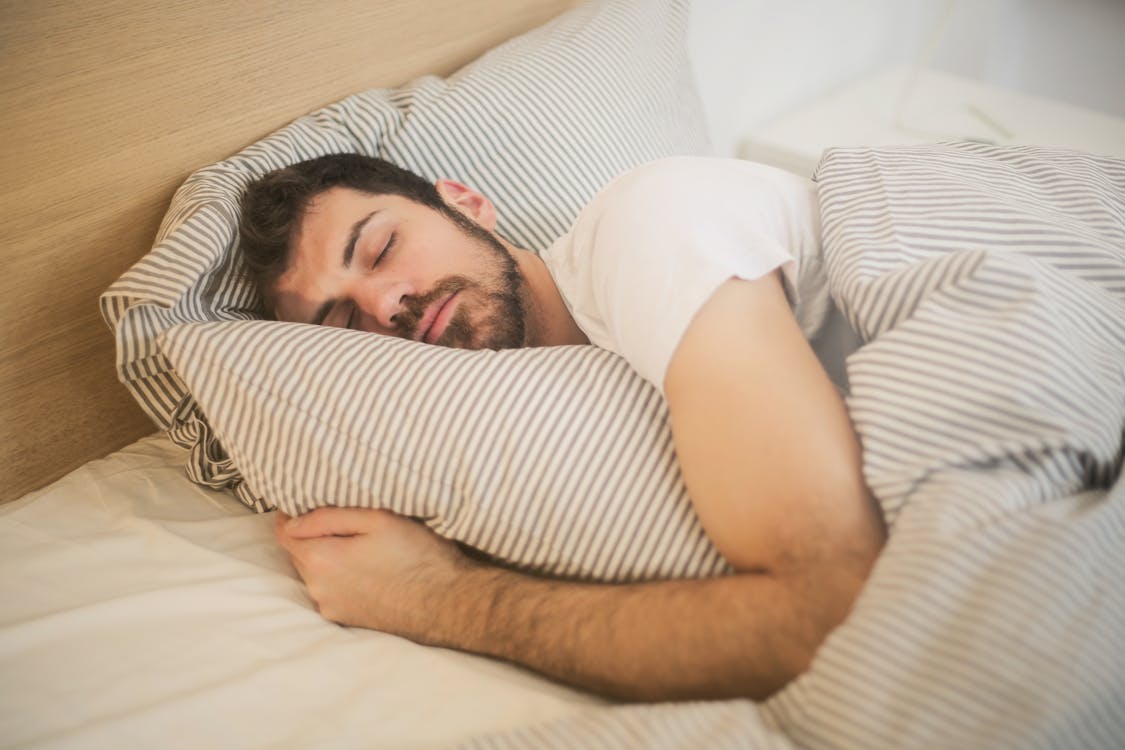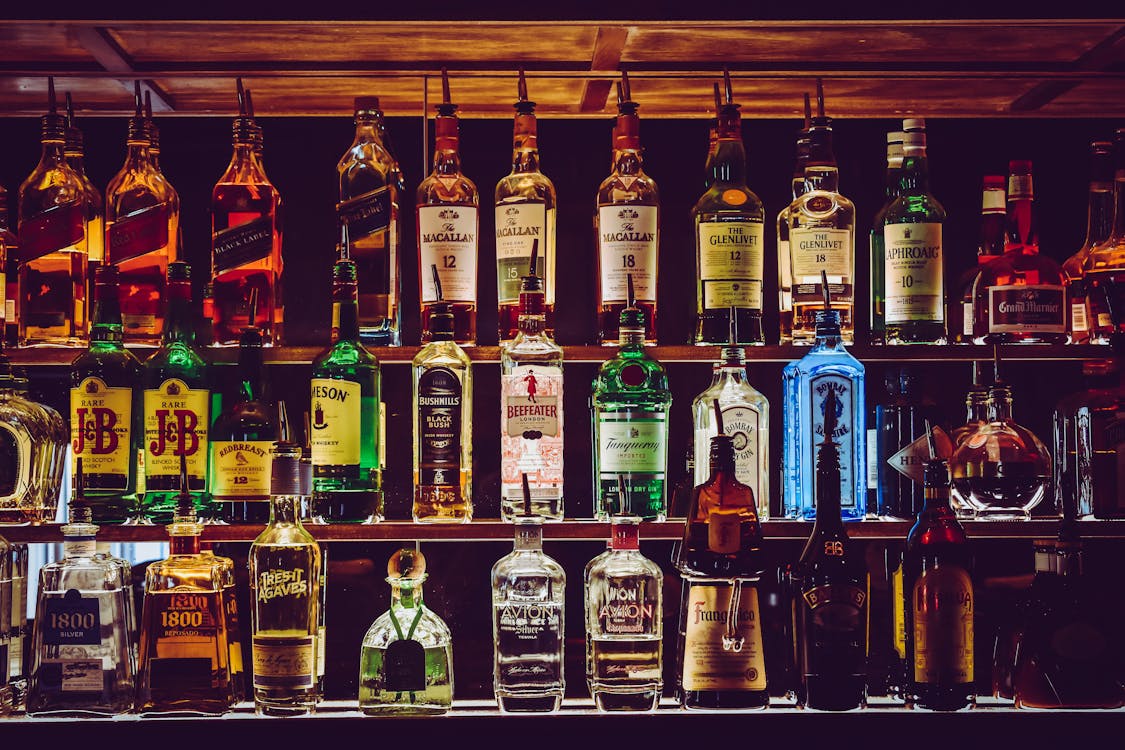
The nightcap has a long and culturally embedded history. A glass of wine to unwind after a stressful day. A whiskey to settle the nerves before bed. A beer to help transition from the buzz of evening activity to the calm of sleep. Alcohol does, in fact, make most people fall asleep faster. This observable effect is precisely why the nightcap persists as a sleep "remedy" despite decades of research demonstrating that it's anything but.
What alcohol does to your sleep after that initial sedation is a different story entirely. It fragments sleep architecture, suppresses critical sleep stages, disrupts breathing, increases nighttime awakenings, and creates a rebound effect in the second half of the night that can leave you wide awake at 3 AM staring at the ceiling. The trade-off — faster sleep onset for dramatically worse sleep quality — is one of the worst deals in personal health.
How Alcohol Affects the Brain at Bedtime
Alcohol is a central nervous system depressant that enhances the activity of GABA, the brain's primary inhibitory neurotransmitter, while simultaneously blocking glutamate, the primary excitatory neurotransmitter. This double action reduces neural activity, producing the familiar feelings of relaxation, reduced anxiety, and drowsiness.
This sedation is genuine, but sedation and sleep are not the same thing. Alcohol-induced sedation more closely resembles light anesthesia than natural sleep. The brain under the influence of alcohol doesn't cycle through sleep stages the way it does during natural sleep. The architecture of sleep — the carefully orchestrated progression through light sleep, deep sleep, and REM sleep — is disrupted from the very first drink consumed close to bedtime.
Research from the National Institute on Alcohol Abuse and Alcoholism has extensively documented these effects, showing that even moderate alcohol consumption within several hours of bedtime significantly alters normal sleep patterns.
The Two-Half Problem
The most distinctive feature of alcohol-affected sleep is its split-night pattern. The first half of the night often feels deeper than usual, while the second half becomes progressively more disrupted.
First Half: False Depth
During the first few hours after falling asleep with alcohol in your system, you may experience increased slow-wave sleep (deep sleep). This sounds beneficial, but it comes at the expense of REM sleep, which is almost entirely suppressed during the first half of the night. The deep sleep that does occur is also qualitatively different from sober deep sleep — the brain wave patterns show subtle differences that suggest the consolidation processes normally occurring during deep sleep may not function optimally.
This first-half effect is why many people who drink before bed genuinely believe alcohol helps them sleep. They fall asleep quickly and sleep heavily for the first few hours. From their subjective perspective, the alcohol worked.
Second Half: The Reckoning
As the body metabolizes alcohol — typically at a rate of about one standard drink per hour — the sedative effects wear off and a rebound excitatory state develops. The brain, having been suppressed by GABA enhancement and glutamate blocking, compensates by increasing excitatory activity once the alcohol is cleared.
This rebound manifests as fragmented sleep with frequent brief awakenings (many of which you won't remember), a dramatic increase in light sleep at the expense of deep sleep, REM sleep rebound with abnormally intense and often disturbing dreams, and heightened sympathetic nervous system activity including increased heart rate and sweating.
The net result is a second half of the night that feels restless, disturbed, and unrestorative. Many people wake up in the early morning hours unable to fall back asleep, or they sleep fitfully and wake feeling exhausted despite having been in bed for eight or more hours.
REM Sleep: The Hidden Casualty
REM sleep suppression may be the most consequential effect of alcohol on sleep. REM sleep is critical for emotional processing, memory consolidation (particularly procedural and emotional memory), cognitive function, and mental health regulation.
During a normal night, REM periods get progressively longer and more intense as the night progresses, with the most significant REM periods occurring in the last third of the night. Alcohol disrupts this pattern in two ways — it suppresses REM during the initial hours and then triggers a chaotic REM rebound later that doesn't provide the same organized processing benefits as normal REM cycling.
Chronic REM suppression from regular evening drinking has been linked to increased anxiety and irritability, impaired learning and memory consolidation, emotional dysregulation, and reduced creative problem-solving ability. Some researchers have suggested that the mental health effects of chronic moderate alcohol consumption may be mediated partly through chronic REM sleep disruption rather than solely through direct neurotoxic effects of alcohol.
How Much Alcohol Affects Sleep
Research has examined the dose-response relationship between alcohol and sleep disruption, and the findings are sobering.
A meta-analysis published in the journal Sleep Medicine Reviews examined 27 studies and found clear dose-dependent effects. Even low doses of alcohol (one standard drink for women, two for men) consumed within four hours of bedtime reduced sleep quality. Moderate doses (two drinks for women, three for men) produced significant reductions in REM sleep and increased second-half-of-night wakefulness. High doses produced dramatic sleep architecture disruption across the entire night.
The timing of consumption matters as much as the amount. A drink with dinner at 6 PM has substantially less impact on sleep at 11 PM than the same drink consumed at 9 PM, simply because the body has had more time to metabolize the alcohol. As a general guideline, the body needs about one hour per standard drink to metabolize alcohol, so three drinks require roughly three hours of clearance time before sleep to minimize impact.
Individual variation is significant. Body weight, biological sex, liver enzyme activity, tolerance level, food consumption, hydration status, and genetic factors all influence how quickly alcohol is metabolized and how profoundly it affects sleep. Women are generally more affected at lower doses due to differences in body composition and alcohol metabolism.
Alcohol, Snoring, and Sleep Apnea
Alcohol relaxes the muscles of the upper airway more than it relaxes other muscles, making airway collapse during sleep more likely. This is why alcohol consumption increases snoring — even in people who don't normally snore — and worsens obstructive sleep apnea in those who have it.
For people with diagnosed sleep apnea, alcohol can increase the severity of apnea events, reduce the effectiveness of CPAP therapy by altering pressure requirements, and extend the duration of oxygen desaturation events. Sleep medicine physicians routinely advise sleep apnea patients to avoid alcohol, particularly in the evening.
Even for people without diagnosed sleep apnea, alcohol-induced muscle relaxation can produce subclinical breathing disruptions that fragment sleep and reduce oxygen levels, contributing to the unrestorative feeling of alcohol-affected sleep.
The Tolerance Trap
One particularly insidious aspect of alcohol's relationship with sleep is the development of tolerance. The sedative effect of alcohol diminishes with regular use, meaning that someone who initially falls asleep easily after one glass of wine may find they need two, then three, to achieve the same effect. Meanwhile, the sleep-disrupting effects don't diminish at the same rate — if anything, they worsen with chronic use.
This creates a escalation pattern where increasing quantities of alcohol produce diminishing sedation but increasing sleep disruption. The person perceives that they "need" alcohol to sleep, when in reality the alcohol is progressively making their sleep worse and creating a dependency that compounds the problem.
Chronic heavy drinkers often develop severely disrupted sleep architecture, with reduced deep sleep, fragmented REM, frequent awakenings, and overall poor sleep efficiency. When they attempt to stop drinking, they frequently experience severe insomnia — a withdrawal effect that can persist for weeks to months — which drives many back to drinking.
Alcohol and Sleep Disorders
Several sleep disorders are worsened by alcohol consumption.
Insomnia and alcohol have a bidirectional relationship. People with insomnia are more likely to use alcohol as a sleep aid, and alcohol use worsens insomnia over time. This creates a cycle where alcohol becomes both the perceived remedy and the actual cause of poor sleep.
Sleepwalking and other parasomnias (sleep talking, confusional arousals, sleep eating) are significantly more common and more severe after alcohol consumption. Alcohol's effects on deep sleep and arousal thresholds create conditions that promote these events.
REM sleep behavior disorder, where the normal muscle paralysis of REM sleep fails and people physically act out dreams, can be triggered or worsened by alcohol. Given the intense and often disturbing nature of REM rebound dreams after drinking, this combination can be physically dangerous.
Restless leg syndrome symptoms often worsen with alcohol consumption, likely through effects on dopamine metabolism and iron absorption.
Practical Guidelines
Complete abstinence isn't necessary for most people to protect their sleep, but informed moderation makes a significant difference.
The most sleep-protective approach is to finish your last drink at least three to four hours before bedtime. For a typical 11 PM bedtime, this means wrapping up alcohol consumption by 7-8 PM. This allows time for alcohol metabolism and reduces (though doesn't eliminate) its impact on sleep architecture.
Limiting consumption to one to two drinks on occasions when you do drink provides the least sleep disruption while still allowing social drinking. Front-loading drinks earlier in the evening rather than having a "nightcap" as the last activity before bed also helps.
Hydrating between and after alcoholic drinks reduces some of the secondary effects on sleep. Alcohol is a diuretic that causes dehydration, which contributes to nighttime awakenings and morning grogginess. Matching each alcoholic drink with a glass of water helps maintain hydration.
Eating a substantial meal before or while drinking slows alcohol absorption, reducing peak blood alcohol levels and their effects on sleep. Drinking on an empty stomach produces faster, higher peaks that more dramatically disrupt sleep.
Avoiding alcohol entirely on nights before important events — presentations, exams, athletic competitions, important meetings — protects the cognitive consolidation and emotional processing that occur during quality sleep.
When Alcohol Is Masking a Sleep Problem
If you feel unable to fall asleep without alcohol, this is an important signal that an underlying sleep issue needs attention. Chronic reliance on alcohol for sleep initiation suggests either a conditioned association (your brain has learned to expect alcohol as the sleep trigger) or an underlying sleep disorder such as insomnia, anxiety-related sleep difficulty, or circadian rhythm disruption.
Cognitive behavioral therapy for insomnia (CBT-I) is the gold standard treatment for chronic insomnia and is significantly more effective than alcohol — or any medication — for long-term sleep improvement. CBT-I addresses the root causes of sleep difficulty without creating dependency or side effects.
If you're concerned about your alcohol consumption and its relationship to sleep, the National Institute on Alcohol Abuse and Alcoholism provides resources for self-assessment and treatment options.
The Bottom Line
Alcohol is the world's most widely used sleep aid and simultaneously one of the most effective sleep disruptors. The gap between its perceived benefit (faster sleep onset) and its actual impact (degraded sleep quality, suppressed REM, fragmented second-half sleep, worsened breathing) represents one of the most common misconceptions in personal health.
Understanding these effects doesn't necessarily mean never drinking — it means making informed choices about when, how much, and how close to bedtime you consume alcohol. For anyone prioritizing sleep quality, reducing evening alcohol consumption is one of the highest-impact, lowest-cost improvements available. The difference in how you feel after a night of truly alcohol-free sleep compared to a night preceded by even moderate drinking is often eye-opening — and once you experience it, the nightcap loses much of its appeal.
Sources and Further Reading
Health and Beyond uses reputable medical and scientific sources where possible. These links support or expand on the topics discussed above.
- National Institute on Alcohol Abuse and Alcoholismniaaa.nih.gov
- meta-analysis published in the journal Sleep Medicine Reviewssciencedirect.com
- National Institute on Alcohol Abuse and Alcoholismniaaa.nih.gov