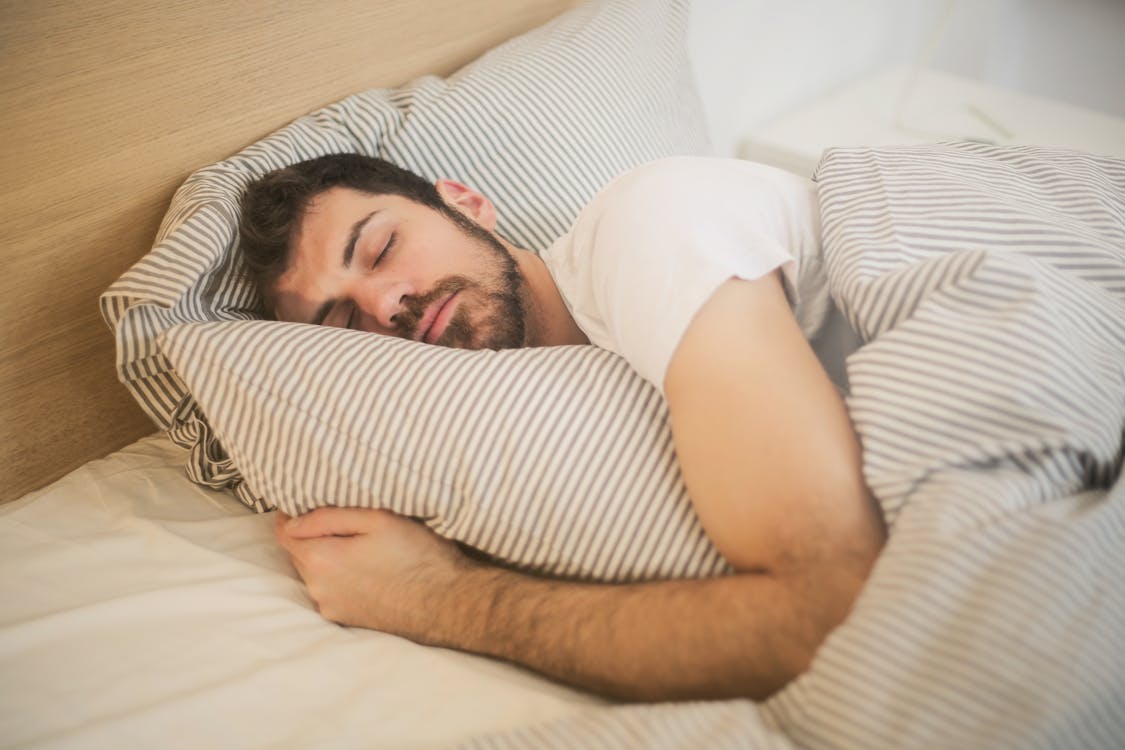
Mouth taping has exploded in popularity as a wellness trend. Influencers swear by the small piece of tape across their lips at night as a cure for snoring, better sleep, sharper focus, and even jawline improvements. A few celebrities and athletes have endorsed it, and specialty tape products have become a retail category of their own.
The underlying idea is simple: keeping the mouth closed during sleep forces breathing through the nose, which supposedly produces a cascade of benefits. But as with most viral health practices, the reality is more nuanced. Some claims hold up. Others do not. And for certain people, mouth taping is genuinely risky.
This guide covers why people are doing it, what the actual evidence shows, who might benefit, who should absolutely avoid it, and how to approach it safely if you want to try.
Why People Mouth Tape
The modern interest in mouth taping stems from growing awareness of the differences between nasal and mouth breathing. Research has shown that breathing through the nose during sleep, compared to breathing through the mouth, has several physiological advantages.
Nasal breathing warms, humidifies, and filters air before it reaches the lungs. It produces nitric oxide, which supports blood vessel dilation and improved oxygen utilization. It tends to be deeper and more efficient than mouth breathing. It supports better facial and jaw development in children. And it is associated with better sleep quality in adults.
Mouth breathing during sleep, in contrast, is linked to dry mouth, morning fatigue, dental problems, worse cognitive performance the next day, and in severe cases, sleep apnea or upper airway dysfunction.
Given these differences, taping the mouth closed at night seems like a simple way to force the benefits of nasal breathing. The logic is clean. Whether it works as intended, and whether it is safe for any given person, is where things get more complicated.
What Mouth Taping Actually Involves
The practice typically involves placing a small strip of specially designed tape, a single strip of surgical-grade paper tape, or a similar adhesive horizontally across the lips before going to sleep. The goal is to keep the lips gently closed through the night.
Specialty products range from small dot-shaped tape that sits in the center of the lips to full-lip coverings. Prices vary from a few dollars a roll for basic medical tape to specialty sleep products at $20 to $40 per month.
Users generally apply the tape only to the lips (not nostrils), ensuring breathing can still occur through the nose.
What the Evidence Shows
The research base on mouth taping specifically is thin. Most of the evidence is either small studies, extrapolation from research on nasal breathing more broadly, or user testimonials.
A small 2022 study in Taiwan examined mouth taping in patients with mild obstructive sleep apnea (OSA) who were primary mouth breathers. It found that taping reduced the apnea-hypopnea index (a measure of sleep-disordered breathing events per hour) in some participants. The effect was modest but statistically significant for mild OSA.
Other small studies and case reports suggest some participants experience reduced snoring and improved sleep quality scores with mouth taping.
What has not been established:
Mouth taping does not treat moderate to severe obstructive sleep apnea. It may reduce some measures but is not a substitute for CPAP or other established treatments.
The effects on cognition, body composition, "jawline" appearance, or other outcomes marketed online lack supporting research.
Long-term safety has not been well-studied in broader populations.
Who Should Never Mouth Tape
Mouth taping is not safe for everyone. Some categories of people should not try it without direct medical guidance:
People with untreated sleep apnea: Obstructive sleep apnea involves periodic upper airway collapse during sleep. The ability to reflexively switch to mouth breathing during an apnea event is a safety mechanism. Sealing the mouth can theoretically worsen oxygen desaturation during events.
Anyone with nasal obstruction: If your nose is congested (allergies, cold, deviated septum, nasal polyps), taping the mouth closed can produce dangerous reductions in airflow. Address the nasal issue first.
People with cardiac or respiratory conditions: Heart failure, COPD, asthma, and other conditions can make restricted airway access dangerous.
Children: Some practitioners and influencers have advocated for taping children. This is particularly risky. Pediatric airway management is complex, and taping a childs mouth closed at night is not safe practice.
Anyone vomiting or at risk of it: People who drank alcohol, have gastroenteritis, or might vomit during sleep should not tape their mouths.
People with seizure disorders: Restricted airway access during a seizure is dangerous.
Anyone with a sinus infection or significant allergies: Temporary issues that block nasal airflow make taping unsafe until resolved.
For these populations, the risk-benefit calculation is not favorable, and in some cases the practice can be outright dangerous.
Who Might Benefit
The strongest case for trying mouth taping (with appropriate safety checks) applies to:
Otherwise healthy adults who habitually mouth breathe during sleep, as evidenced by:
Dry mouth on waking
Chapped lips in the morning
Sore throat or hoarseness
Snoring (mild, not associated with apnea events)
Waking partner reports of mouth breathing
Poor sleep quality linked to oral drying
For this population, if sleep apnea has been formally ruled out or is well-controlled, mouth taping may help retrain breathing patterns and improve sleep comfort.
The reasonable context is: after addressing bigger sleep fundamentals (good sleep hygiene, proper bedroom environment, screening for sleep disorders), mouth taping can be tested as a minor intervention.
Rule Out Sleep Apnea First
This is the most important point. Millions of people have undiagnosed obstructive sleep apnea, which can produce mouth breathing, snoring, morning fatigue, and many symptoms that might prompt someone to try mouth taping.
Attempting to fix these symptoms with tape without proper evaluation can mask a serious condition. OSA is linked to cardiovascular disease, cognitive decline, and accident risk. Proper treatment with CPAP (or alternatives like oral appliances, positional therapy, or surgery when appropriate) is both safer and more effective than mouth taping for this population.
If you snore, have witnessed apneas, wake gasping, have severe daytime fatigue, have high blood pressure, or are overweight with any of these symptoms, get evaluated for sleep apnea before experimenting with tape.
Home sleep studies are widely available now, affordable, and much more accessible than they were a decade ago.
How to Do It Safely
If you have ruled out contraindications and want to try mouth taping:
Start with a practice period during waking hours: Before trying it overnight, practice nasal breathing with your mouth closed during quiet daytime activities. If you cannot comfortably breathe through your nose for 15 to 20 minutes awake, you should not tape your mouth while asleep.
Address nasal airflow first: If your nose is chronically blocked, treat that before adding tape. Nasal rinsing, treating allergies, surgical correction if warranted.
Use appropriate tape: Medical-grade, hypoallergenic tape. Avoid duct tape, athletic tape, or anything harsh that would be hard to remove quickly.
Use a small strip, not full coverage: A small piece in the middle of the lips, or a narrow horizontal strip, is sufficient. You should be able to speak slightly or open the mouth with moderate effort if needed.
Ensure a safety margin: The tape should be easy to remove or displace if you need to open your mouth in an emergency.
Avoid if you have had alcohol or sedating medications: These reduce arousal response and make restricted breathing more dangerous.
Check with a partner initially: Have someone around in the early nights in case issues arise.
Discontinue if you experience problems: Waking with discomfort, anxiety, disrupted sleep, or worsening symptoms means stop.
Alternatives That Often Work Better
If the goal is better sleep and better breathing, several approaches have more evidence than mouth taping.
Nasal breathing training during waking hours: Simple practice of maintaining closed-mouth breathing during daily activities often retrains habits without any tape.
Treat the underlying cause of mouth breathing: Allergy management, addressing a deviated septum, or correcting enlarged adenoids or tonsils (more relevant in children and some adults) addresses the root issue.
Positional therapy: Side sleeping reduces airway collapse and mouth breathing for many people.
Weight loss if applicable: Excess weight around the neck and upper airway promotes sleep-disordered breathing.
Oral myofunctional therapy: Tongue and orofacial muscle exercises that strengthen the muscles keeping the mouth closed and the tongue properly positioned. Evidence-based for some conditions.
Proper treatment of sleep apnea: CPAP, oral appliances, or other treatments as appropriate.
Bedroom humidification: Can reduce oral dryness without taping.
Nasal strips or dilators: External Breathe Right strips or internal dilators help some people breathe easier through the nose.
The Jawline and Other Appearance Claims
Viral mouth-taping content frequently claims that the practice changes facial structure, produces a sharper jawline, or prevents facial aging.
These claims have no meaningful research support. Adult facial bone structure is largely set. While chronic mouth breathing in children can affect facial development, there is no good evidence that taping an adult mouth at night produces measurable cosmetic changes.
The attractive "before and after" photos circulating online reflect lighting, expression, weight changes, and photo selection, not the effects of tape.
If appearance is the primary motivation, mouth taping is not going to deliver what it promises.
Cost and Products
Basic hypoallergenic medical paper tape (3M Micropore or similar) from a drugstore costs a few dollars for weeks of supply and works fine for most users.
Specialty products (branded "mouth tape for sleep") are often just rebranded similar tapes at premium prices. The main differences are adhesive strength, skin-friendliness, and convenience of pre-cut sizes.
If you plan to try it, start with inexpensive medical tape. Upgrade only if you find you want different properties.
The Honest Bottom Line
Mouth taping is a minor intervention with modest evidence for specific situations: otherwise healthy adults who habitually mouth breathe, after sleep apnea has been ruled out, when other sleep fundamentals are in place.
For this group, it may be worth a try, with appropriate safety precautions and realistic expectations.
For people with sleep apnea, nasal obstruction, children, and many other groups, it is at best unhelpful and at worst dangerous.
The viral claims about transformative sleep, cognition, appearance, and health improvements outrun the research. Real benefits, if they exist, are more modest: slightly better sleep comfort, less dry mouth on waking, perhaps reduced mild snoring.
Before trying mouth taping, look at the bigger picture: sleep duration, consistency, bedroom environment, screening for sleep disorders, treating allergies, and managing stress. These produce far larger benefits than any tape, and they do so without risk.
If after all of that you still feel mouth taping might help your specific situation, approach it thoughtfully and safely, with full awareness of what the practice can and cannot deliver.
Sources and Further Reading
Health and Beyond uses reputable medical and scientific sources where possible. These links support or expand on the topics discussed above.
- NHLBI: Sleep Apneanhlbi.nih.gov
- MedlinePlus: Sleep Disordersmedlineplus.gov