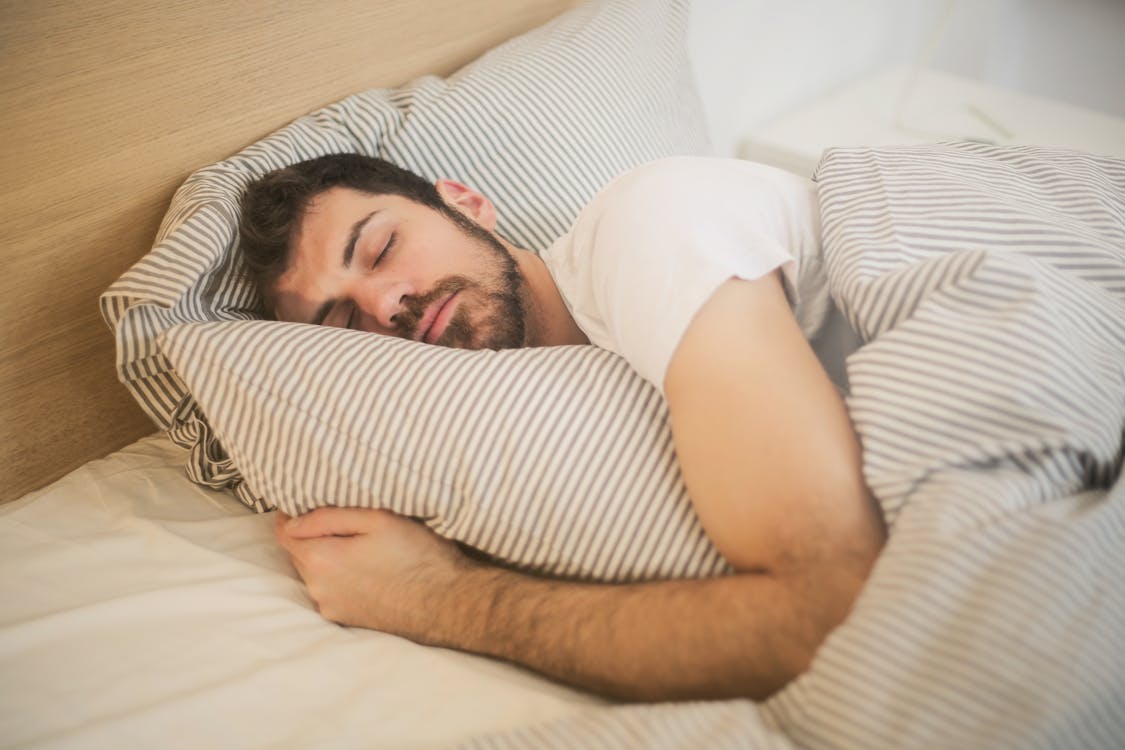
Few sleep trends have generated as much heated debate as mouth taping — the practice of placing a small strip of tape over the lips during sleep to encourage nasal breathing. Social media is flooded with testimonials claiming that mouth taping cured snoring, eliminated morning dry mouth, improved sleep quality, and even reshaped facial structure. Meanwhile, medical professionals express legitimate concerns about safety, particularly for people with nasal obstruction or undiagnosed sleep apnea.
The truth, as usual, lies between the enthusiastic claims and the blanket dismissals. Mouth taping has a reasonable physiological rationale, some emerging research support, and real risks that need to be understood. Here's what the evidence actually shows.
The Case for Nasal Breathing During Sleep
The foundation of the mouth taping argument rests on a well-established physiological principle: nasal breathing is generally superior to mouth breathing for health and sleep quality.
When you breathe through your nose, air passes through a complex system of turbinates (bony structures lined with mucous membrane) that warm, humidify, and filter incoming air. Nasal passages remove a significant proportion of airborne particles, allergens, and pathogens before they reach the lungs. This conditioning and filtration doesn't occur with mouth breathing, which delivers air to the lungs that is cooler, drier, and less filtered.
Nasal breathing also produces nitric oxide in the paranasal sinuses. This molecule has several important functions: it acts as a vasodilator that improves oxygen absorption in the lungs, it has antimicrobial properties that reduce respiratory infections, and it helps regulate airway muscle tone. Mouth breathing bypasses nitric oxide production entirely.
During sleep specifically, nasal breathing offers additional advantages. It creates more airway resistance than mouth breathing, which generates a slight back-pressure that helps maintain airway patency (openness) — essentially providing a mild natural version of what CPAP therapy does for sleep apnea. The jaw remains closed, which keeps the tongue positioned against the palate rather than falling backward toward the throat, reducing the likelihood of airway obstruction.
Chronic mouth breathing during sleep is associated with dry mouth (which increases cavity risk and gum disease), bad breath, snoring, worsened sleep apnea symptoms, morning sore throat, and impaired sleep quality. These aren't trivial complaints — dry mouth alone increases the risk of dental decay by 30% according to dental research.
What Mouth Taping Is Supposed to Do
The premise of mouth taping is straightforward: by physically keeping the mouth closed during sleep, the tape encourages nasal breathing throughout the night. Proponents argue that many people mouth-breathe during sleep without realizing it, and that the gentle physical reminder of the tape is sufficient to redirect breathing through the nose.
For people who are capable of nasal breathing but habitually default to mouth breathing during sleep — whether from habit, sleep position, or mild nasal congestion — the tape serves as a behavioral prompt that trains the brain to keep the airway directed through the nose.
What Research Actually Shows
Rigorous clinical research specifically on mouth taping for sleep is limited. Most evidence comes from small studies, case series, and extrapolation from the broader nasal breathing research. However, the existing data provides some useful signals.
A study published in the journal Healthcare examined mouth taping in patients with mild obstructive sleep apnea and found that taping reduced snoring severity and modestly improved the apnea-hypopnea index in some participants. The improvements were not as dramatic as CPAP therapy, but they were statistically significant in the subset of patients whose mouth breathing was a primary contributor to their obstruction.
A pilot study from Japan found that mouth taping during sleep reduced morning dry mouth symptoms and improved subjective sleep quality in participants who were confirmed mouth breathers during baseline sleep monitoring.
Research on myofunctional therapy — a broader approach to correcting oral resting posture and breathing patterns — provides indirect support. Studies show that training nasal breathing and proper tongue position improves sleep quality, reduces snoring, and can complement sleep apnea treatment. Mouth taping can be viewed as a simplified, passive form of myofunctional intervention.
According to sleep medicine specialists at the Cleveland Clinic, mouth taping may benefit a specific subset of sleepers but should not be considered a treatment for sleep apnea or a substitute for proper medical evaluation.
Who Might Benefit from Mouth Taping
Mouth taping is most likely to help specific populations with identifiable characteristics.
Confirmed mouth breathers who can easily breathe through their nose when conscious are the best candidates. If you frequently wake with a dry mouth, notice mouth breathing when relaxing, or have been told by a partner that you sleep with your mouth open, and if you can comfortably breathe through your nose when awake, mouth taping is worth trying.
Mild snorers whose snoring is related to mouth opening rather than structural nasal obstruction or significant sleep apnea may see improvement. Mouth opening during sleep allows the jaw to drop back, the tongue to fall posterior, and air to flow turbulently through the throat — all of which contribute to snoring sounds.
CPAP users who experience air leaks through the mouth may find that mouth taping improves their CPAP experience. Mouth leak is one of the most common reasons for CPAP discomfort and reduced effectiveness, and a chin strap or mouth tape can resolve this issue. However, this should be discussed with your sleep medicine provider before implementing.
People training nasal breathing habits may use mouth taping as a nighttime complement to daytime conscious nasal breathing practice. Over time, the combination of daytime awareness and nighttime reinforcement can shift the default breathing pattern toward nasal dominance.
Who Should Not Try Mouth Taping
Certain groups should avoid mouth taping entirely or proceed only under medical supervision.
People with nasal obstruction — from deviated septum, nasal polyps, chronic sinusitis, severe allergies, or other structural or inflammatory conditions — should not tape their mouth closed. If nasal breathing is physically difficult or impossible, taping the mouth closed creates a dangerous restriction in airway access. Before trying mouth taping, confirm that you can breathe comfortably through your nose for several minutes with your mouth closed while awake.
People with suspected or undiagnosed sleep apnea should seek proper evaluation rather than self-treating with tape. Mouth taping does not treat sleep apnea — it only redirects the breathing pathway. If significant obstruction exists at the tongue base, palate, or pharyngeal level, nasal breathing alone won't prevent apnea events. Using mouth tape while having untreated moderate-to-severe sleep apnea could potentially worsen oxygen desaturation if mouth breathing was serving as a partial compensatory mechanism.
People who experience nausea, vomiting, or significant gastroesophageal reflux during sleep should not tape their mouths closed, as the tape could prevent clearing of gastric contents and create a choking hazard.
Children should not use mouth taping without evaluation by a pediatric ENT or sleep specialist. While chronic mouth breathing in children is a legitimate concern (associated with dental and facial development issues), the evaluation and treatment should be medically supervised.
Anyone who feels panicky or claustrophobic with tape over their mouth should not force the practice. Anxiety about restricted breathing will impair sleep quality far more than any benefit from nasal breathing.
How to Try Mouth Taping Safely
If you're a good candidate and want to experiment with mouth taping, follow these safety guidelines.
Start with a daytime test. Apply the tape while awake and active for 30-60 minutes to ensure you can breathe comfortably through your nose and that the tape doesn't cause panic or excessive anxiety.
Use purpose-made mouth tape. Products designed specifically for sleep mouth taping are preferable to regular adhesive tape. Sleep-specific tapes use gentle medical-grade adhesive that's easy to remove, and many feature a vent or partial coverage design that allows some mouth breathing if needed. Brands like Somnifix, Hostage Tape, and Myotape are designed for this purpose.
If using regular tape, choose hypoallergenic surgical tape (3M Micropore is commonly recommended). Apply a small vertical strip over the center of the lips rather than sealing the entire mouth. Some people apply the tape in an X pattern or use a single horizontal strip, but the key is that the tape should be easily removable with minimal effort — you should be able to open your mouth if needed.
Never use duct tape, electrical tape, or any strong adhesive. The tape should come off easily if you need to breathe through your mouth, cough, or speak. If you can't easily remove the tape by opening your mouth, it's too strong.
Start gradually. Try mouth taping for a few nights per week initially and assess how you feel in the morning. Track subjective sleep quality, dry mouth symptoms, and any issues before committing to nightly use.
Monitor your sleep quality objectively if possible. If you use a sleep tracker, compare your sleep metrics with and without tape over a period of at least two weeks to detect any meaningful differences.
The Bigger Picture
Mouth taping is a tool, not a panacea. It addresses one specific factor — mouth opening during sleep — in the complex system of sleep-disordered breathing. For the right person, it can reduce dry mouth, decrease mild snoring, improve nasal breathing habits, and complement other sleep optimization strategies.
It is not a treatment for sleep apnea. It is not appropriate for everyone. And it should be approached with the same critical thinking you'd apply to any health intervention — recognizing both potential benefits and legitimate risks.
If mouth taping appeals to you, the responsible approach involves first confirming that you can breathe freely through your nose, ruling out significant sleep apnea through appropriate screening, starting with a gentle and removable tape, and evaluating the results objectively rather than relying on placebo effect or confirmation bias.
The broader conversation that mouth taping has sparked — about the importance of nasal breathing, proper tongue posture, and airway health — is genuinely valuable regardless of whether you ever put tape on your lips. Paying attention to how you breathe during the day, addressing nasal obstruction if it exists, and ensuring that your sleep breathing is assessed if you have symptoms of sleep-disordered breathing are all worthwhile steps that the mouth taping trend has brought into public awareness.
Sources and Further Reading
Health and Beyond uses reputable medical and scientific sources where possible. These links support or expand on the topics discussed above.
- Cleveland Clinichealth.clevelandclinic.org