Driving home after sunset used to feel normal. Now the headlights coming toward you burst into sharp stars, the lane lines disappear into grey, and you find yourself gripping the wheel a little tighter than you used to. If any of that sounds familiar, you are not imagining it, and you are not alone.
Poor night vision is one of the most under-reported complaints in eye care. People assume it is just a normal part of getting older, shrug it off, and adjust by driving less or avoiding dimly lit places. But most of the time, difficulty seeing at night has a specific cause, and many of those causes can be corrected. Some are straightforward fixes. A few are urgent warnings that something bigger is happening in your eyes or your body.
This guide walks through how night vision actually works, why it fails, and what you can do about it.
How Your Eyes See in the Dark
The human eye carries two kinds of light-sensing cells. Cones handle colour and sharp detail in bright light. Rods handle black-and-white vision in low light and vastly outnumber cones, with roughly 120 million rods to 6 million cones packed into a healthy retina.
Rods rely on a pigment called rhodopsin, sometimes nicknamed visual purple. When light hits rhodopsin, it changes shape and sends a signal to the brain. The pigment then has to be rebuilt before it can fire again. Rebuilding needs vitamin A, and it also needs time. This is why your eyes need fifteen to thirty minutes to fully adapt when you walk from a bright room into a dark one.
When anything interferes with rods, rhodopsin production, dark adaptation, or the clear path that light takes from the surface of the eye to the retina, night vision suffers first. Daytime vision often looks fine, which is why problems can creep in for years before you notice them.
True Night Blindness Versus Poor Night Vision
Night blindness, medically called nyctalopia, is a specific symptom, not a diagnosis. It means that the eye has real trouble functioning in low light even after a reasonable adaptation period. Someone with true nyctalopia cannot see the outline of furniture in a dim room the way most people can.
Poor night vision is a broader, looser term. It covers glare from oncoming headlights, halos around streetlights, slow adjustment when the light changes, and reduced ability to pick out detail in shadow. Both types are worth investigating, and both can have overlapping causes.
The Most Common Causes
Vitamin A Deficiency
Vitamin A is the raw material for rhodopsin. Without enough of it, rods cannot regenerate quickly and dark adaptation slows to a crawl. In severe deficiency, the cornea itself dries out and ulcerates, a condition called xerophthalmia that still blinds hundreds of thousands of children every year in low-income countries.
In wealthier countries, severe deficiency is rare but mild or subclinical deficiency shows up more often than most people think. It is common after bariatric surgery, in people with chronic inflammatory bowel disease or cystic fibrosis, in strict vegans who do not eat enough orange, yellow, and dark leafy vegetables, and in those who severely limit dietary fat, since vitamin A needs fat to be absorbed.
Cataracts
Cataracts are the single most common reason adults over 50 complain about night vision. As the natural lens of the eye clouds, it scatters incoming light instead of focusing it cleanly. In daylight, a small cataract barely bothers anyone. But at night, a single headlight hits that cloudy lens and bursts into a sunburst of glare that can make driving genuinely dangerous.
Cataracts progress slowly, often over years. The earliest signs are frequent prescription changes, a sense that lights have new halos around them, and an increasing need for bright light to read. Surgery to replace the cloudy lens with a clear artificial one is one of the safest and most effective procedures in modern medicine.
Refractive Error, Especially Uncorrected
Mild nearsightedness that is perfectly fine by day becomes obvious at night. The pupil dilates in low light, exposing the outer edges of the lens and cornea, which tend to be less precisely shaped than the centre. Small amounts of astigmatism and higher-order aberrations kick in, producing streaks and ghost images around point sources of light.
A current, night-driving-optimised prescription fixes this for many people. Anti-reflective coatings on eyeglasses also help by reducing stray reflections bouncing inside the lens.
Dry Eye Disease
The front surface of the eye needs a smooth, stable tear film to focus light properly. When the tear film breaks up, vision blurs and scatter increases. At night, with dilated pupils and reduced humidity, dry eyes often feel and look worse. Many people assume they have poor night vision when they actually have poor tear film stability.
Retinitis Pigmentosa
Retinitis pigmentosa (RP) is a group of inherited retinal diseases that damage rods first and cones later. Difficulty seeing at night is usually the earliest symptom, often starting in the teenage years or twenties. Peripheral vision then narrows over decades, producing the tunnel vision that characterises advanced disease. Genetic testing has transformed the diagnosis and made some forms eligible for gene therapy in select cases.
Diabetes
Diabetic retinopathy damages small retinal vessels, and rod cells are especially vulnerable to that damage. Many people with diabetes notice night vision slipping before standard visual acuity does. Laser treatment for advanced retinopathy can also permanently reduce night vision because it intentionally sacrifices peripheral retinal function to save central vision.
Glaucoma
Glaucoma damages the optic nerve and gradually reduces peripheral and low-light sensitivity. Because the loss is slow and starts at the edges, people often do not notice anything wrong until substantial damage has occurred. Early morning and evening vision tends to suffer first.
Age-Related Changes
The pupil shrinks as we age, letting less light into the eye. The natural lens yellows and scatters more light. Retinal sensitivity drops. By age sixty, the average person needs two to three times as much light to read as they did at twenty. These changes are normal but they still deserve an exam because many of the diseases above look exactly the same at first.
Medications
A surprising number of medications can reduce night vision. Antihistamines, anticholinergics used for bladder control, some antidepressants, and sildenafil-class drugs used for erectile dysfunction can all affect pupil response, tear film, or the retina itself. Review every medication with your eye doctor if night vision is changing.
LASIK and Other Refractive Surgery
Modern LASIK, PRK, and SMILE are safer and more precise than ever, but any corneal reshaping can produce some night-time glare and halos during the first few months of healing. In a minority of patients, especially those with very large pupils or very high prescriptions, night symptoms persist. Wavefront-guided and topography-guided procedures have reduced this risk substantially.
Vitamin and Mineral Deficiencies Beyond Vitamin A
Zinc helps transport vitamin A from the liver to the retina. Low zinc reduces the effectiveness of whatever vitamin A you do have. Omega-3 fatty acids support the retinal cell membranes where light-sensing happens. Severe deficiencies of either can show up as night vision complaints alongside other symptoms.
Warning Signs You Should Not Ignore
Most changes in night vision are gradual and benign. A few, however, demand prompt attention.
See an eye doctor quickly if you notice sudden onset of night blindness, a shadow or veil in any part of your vision, new floaters combined with flashes of light, progressive narrowing of peripheral vision, pain in the eye, or night-vision loss in a child or teenager.
Any of these could signal retinal detachment, acute glaucoma, optic nerve disease, or inherited retinal disease, and each is treated more successfully the earlier it is diagnosed.
Getting the Right Diagnosis
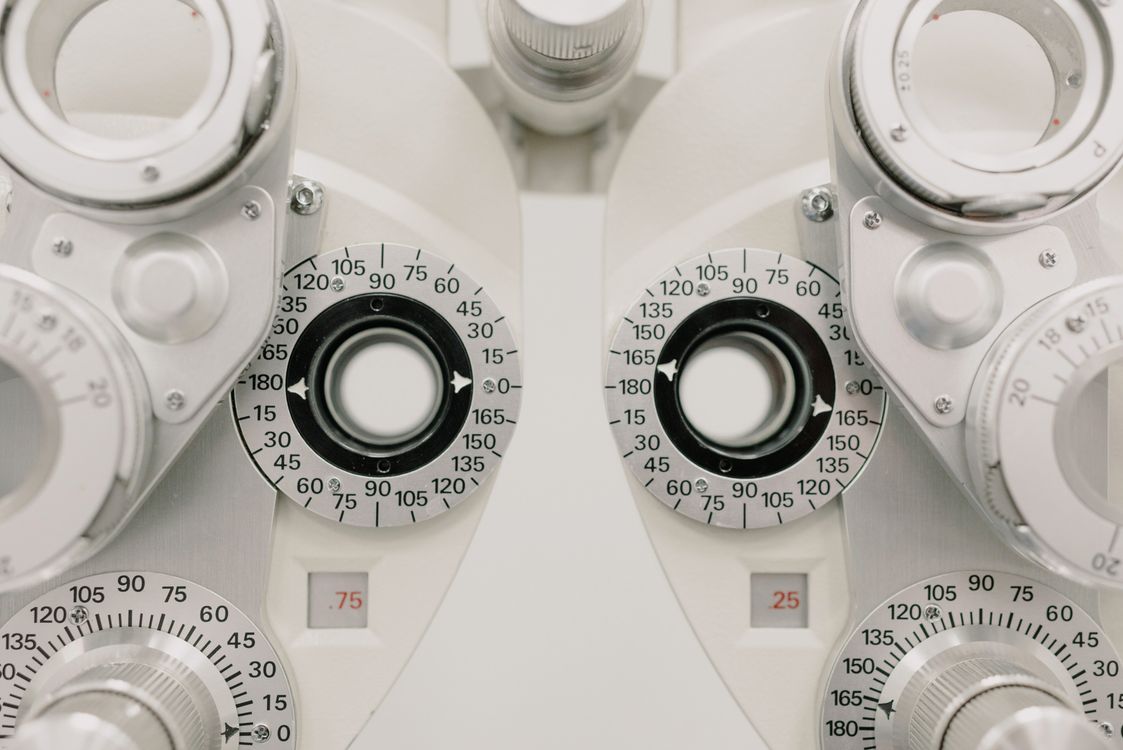
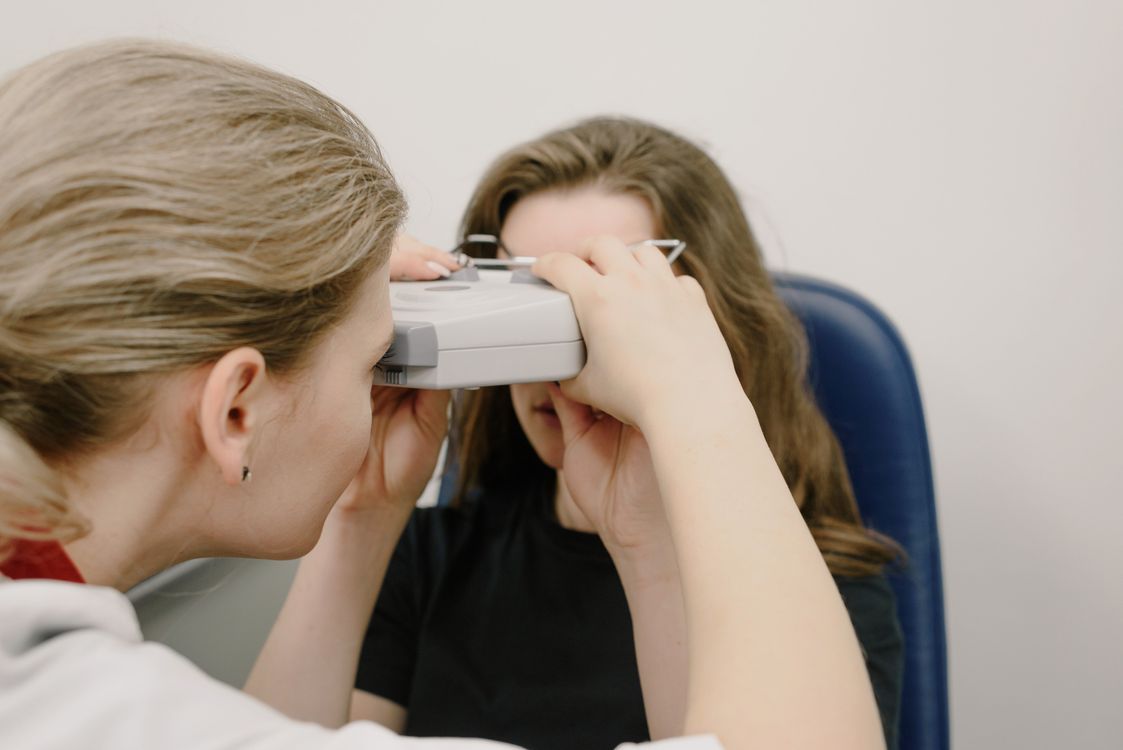
A thorough work-up for night vision problems usually includes a dilated fundus exam, refraction with specific attention to higher-order aberrations, tear film assessment, measurement of corneal topography, visual field testing, dark adaptometry if available, and OCT imaging of the macula and optic nerve. When the history suggests it, blood work for vitamin A, zinc, and vitamin D makes sense. Genetic testing is reserved for suspected inherited retinal disease.
Tell the examiner exactly when symptoms started, whether they are constant or tied to specific conditions, and whether any close family members have had similar problems. The family history question matters. Several inherited causes run silently through generations until someone finally asks the question.
Treatments That Actually Restore Clarity
Corrective Lenses Built for Night Driving
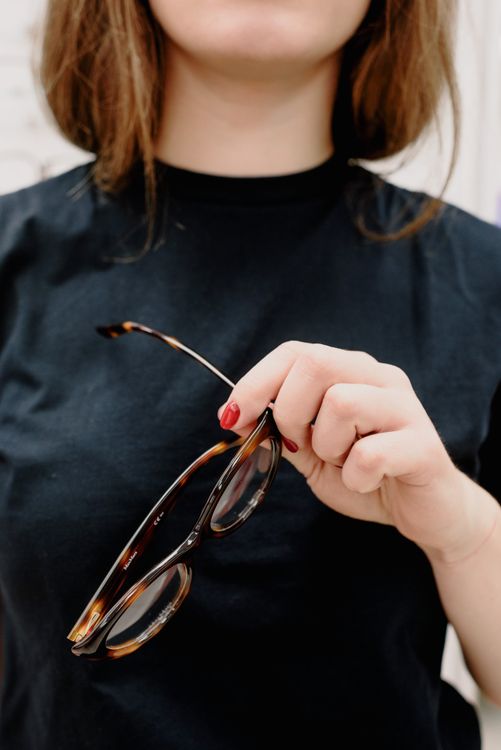
A prescription tuned for low-light visual performance, fitted into lenses with premium anti-reflective coatings, is the most underrated fix in the whole category. Polarised sunglasses by day protect the macula and reduce glare damage; at night, clear anti-reflective lenses do the heavy lifting. Tinted night-driving glasses sold in gas stations generally do not help and can make vision worse by cutting total light reaching the retina.
Cataract Surgery
Modern cataract surgery takes fifteen minutes per eye, uses topical anaesthesia, and restores night vision dramatically for the vast majority of patients. Premium intraocular lens options can correct astigmatism and, in some cases, presbyopia at the same time. Talk with a cataract surgeon about realistic expectations, especially regarding halos and glare after surgery.
Nutritional Correction
For confirmed vitamin A or zinc deficiency, targeted supplementation under medical supervision can restore dark adaptation within weeks. Food-first approaches work too: liver, egg yolks, dairy, carrots, sweet potatoes, butternut squash, spinach, kale, and red bell peppers are all rich sources. Because vitamin A is fat-soluble and can be toxic in very high doses, megadose supplements should not be used without guidance.
Treating Dry Eye
Preservative-free artificial tears, omega-3 supplementation, warm compresses, lid hygiene, prescription drops such as cyclosporine or lifitegrast, and in-office procedures like thermal pulsation can all improve the quality of the tear film. Fix the dry eye and night vision often improves without any other intervention.
Managing Underlying Disease
Tight blood sugar control slows diabetic retinopathy. Pressure-lowering drops, lasers, or surgery slow glaucoma. Anti-VEGF injections treat macular edema and certain forms of advanced retinopathy. Treating the root cause almost always improves or stabilises night vision.
Assistive Strategies for Persistent Problems
For people with stable but permanent night vision reduction, practical strategies make a real difference. Keep windshields and headlights clean. Aim headlights correctly. Avoid looking directly at oncoming lights; look toward the right edge of the road. Slow down enough that your stopping distance matches what you can actually see. If night driving feels genuinely unsafe, accepting that limit and choosing daytime travel is not a failure. It is a reasonable safety decision.
Daily Habits That Keep Rods Healthy
A few small habits protect night vision over the long run. Wear sunglasses that block 100 percent of UV-A and UV-B during daytime outdoor activity. Do not smoke. Eat a Mediterranean-style diet heavy on leafy greens, oily fish, and orange vegetables. Stay hydrated. Give your eyes proper rest and sleep. Book a dilated eye exam every one to two years if you have no diabetes and no family history of eye disease, and every year if you do.
The Takeaway
Poor night vision is a symptom, not a verdict. Most of the time the underlying cause is identifiable, and most of the time it is treatable. Dismissing night vision problems as an unavoidable side effect of getting older delays a diagnosis that could be simple, solvable, and occasionally urgent.
If oncoming headlights feel brighter than they used to, if your eyes take longer to adjust when you step outside at night, or if you have quietly started avoiding after-dark driving, treat that as useful information from your body. Book the exam, get the full work-up, and give yourself the chance to see the world clearly again after sunset.
---
Always consult a licensed eye care professional for diagnosis and treatment tailored to your specific history and examination findings.
Sources and Further Reading
Health and Beyond uses reputable medical and scientific sources where possible. These links support or expand on the topics discussed above.
- National Eye Institute: Eye Healthnei.nih.gov
- MedlinePlus: Eyes and Visionmedlineplus.gov