Few health topics generate as much confusion and conflicting information as blue light and its effects on eye health. The blue light lens industry has grown into a multi-billion-dollar market, fueled by claims that screens are damaging our eyes and that specially coated glasses are essential for protection. Meanwhile, the scientific and ophthalmological community offers a more nuanced perspective that often contradicts the marketing messages consumers encounter daily.
Understanding what blue light actually is, how it interacts with your eyes, and what the peer-reviewed evidence says about both risks and protective strategies allows you to make informed decisions rather than fear-based purchases.
What Is Blue Light and Where Does It Come From
Blue light is part of the visible light spectrum, with wavelengths between approximately 380 and 500 nanometers. It sits adjacent to ultraviolet light on the electromagnetic spectrum and is sometimes called high-energy visible light because shorter wavelengths carry more energy than longer wavelengths like red or orange light.
The sun is by far the largest source of blue light exposure for most people. Outdoor daylight contains significantly more blue light than any screen you will ever look at. A bright sunny day delivers roughly 100,000 lux of illumination compared to a typical computer monitor producing approximately 300 to 500 lux. Even the brightest phone screen at maximum setting produces a fraction of the blue light intensity you encounter during a simple walk outside.
Digital screens, LED lighting, and fluorescent lighting do emit blue light, but the amounts are modest compared to natural sunlight. This context matters enormously when evaluating claims about screen-related blue light damage.
The Digital Eye Strain Confusion
The most common complaint associated with screen use is digital eye strain, also called computer vision syndrome. Symptoms include dry eyes, eye fatigue, blurred vision, headaches, and neck or shoulder pain. These symptoms are real and increasingly common in a world where the average adult spends seven or more hours per day looking at screens. However, the cause of digital eye strain is not blue light.
According to the American Academy of Ophthalmology, digital eye strain results primarily from how we use screens rather than from the specific wavelengths they emit. When we stare at a screen, our blink rate drops by roughly 66 percent compared to normal. This reduced blinking leads to tear film instability and dry eyes. We often view screens at close distances for extended periods, causing sustained accommodation effort from the focusing muscles inside the eye. Poor ergonomics contribute to the headaches and neck pain that frequently accompany eye symptoms.
This distinction matters because it redirects prevention efforts toward strategies that actually address the underlying causes rather than toward products that filter a wavelength that is not causing the primary problem.
Does Blue Light Damage Your Retinas
The claim that blue light from screens causes retinal damage is perhaps the most alarming assertion made by blue light lens manufacturers and has been the primary driver of consumer fear. This claim traces back to laboratory studies where researchers exposed retinal cells in petri dishes to intense blue light for extended periods and observed cellular damage. Similar studies in rodent models showed retinal changes after prolonged, concentrated blue light exposure.
However, these laboratory conditions bear almost no resemblance to real-world screen use. The light intensities used in cell studies are orders of magnitude greater than what any screen produces. The exposure durations are continuous and far longer than typical screen sessions. Isolated cells in a dish lack the protective mechanisms present in living eyes, including the natural filtering of the cornea and lens and the antioxidant systems of the retina.
The National Eye Institute has found no evidence from human studies that blue light from screens causes retinal damage or increases the risk of age-related macular degeneration. A comprehensive review published in the journal Eye concluded that there is currently no evidence supporting the use of blue light-blocking spectacle lenses in the general population to improve visual performance, alleviate symptoms of eye fatigue, or protect retinal health.
Blue Light and Sleep: Where the Evidence Is Stronger
While the retinal damage claims remain unsupported, blue light's effect on sleep has substantially more scientific backing. Blue light suppresses the production of melatonin, the hormone that signals your body to prepare for sleep. This suppression occurs because specialized photosensitive retinal ganglion cells containing melanopsin are particularly responsive to blue wavelengths around 480 nanometers.
Research demonstrates that evening exposure to blue light from screens can delay melatonin onset, reduce total melatonin production, and shift the circadian clock later, making it harder to fall asleep and reducing sleep quality. A study in the Proceedings of the National Academy of Sciences found that participants who read on light-emitting devices before bedtime took longer to fall asleep, experienced reduced REM sleep, and felt sleepier the following morning compared to those who read printed books.
This is the one area where blue light management has clear evidence supporting intervention, though the most effective solutions may not be what the industry is selling.
Do Blue Light Glasses Actually Work
Blue light glasses, also called computer glasses or blue light blocking lenses, contain coatings or tinting that filter some portion of blue light wavelengths. They have been marketed as solutions for eye strain, retinal protection, better sleep, and reduced headaches. But what does the research show?
A 2021 Cochrane systematic review, considered the gold standard in evidence evaluation, examined randomized controlled trials of blue light-filtering lenses. The review concluded that blue light-filtering spectacle lenses may not reduce symptoms of eye strain compared to non-blue-light-filtering lenses over a short-term follow-up period. The certainty of the evidence ranged from very low to low, and the researchers found no clinically meaningful differences in visual acuity or color perception.
For sleep, blue light glasses show mixed results. Some studies report modest improvements in sleep quality with evening use of blue light blocking glasses, while others find no significant benefit. The variability likely relates to the degree of blue light filtering, which ranges dramatically between products, and individual differences in light sensitivity and sleep behavior.
The Balanced Verdict
If you enjoy wearing blue light glasses and feel they help you, there is no harm in continuing to use them. However, the evidence does not support spending significant money on them as a health necessity. They are unlikely to meaningfully reduce eye strain, and their sleep benefits are inconsistent and likely inferior to simply reducing screen time before bed.
Evidence-Based Strategies That Actually Work
Rather than focusing on blue light filtering, the following strategies address the actual mechanisms behind screen-related eye discomfort and sleep disruption.
The 20-20-20 Rule
Every 20 minutes of screen work, look at something 20 feet away for at least 20 seconds. This relaxes the focusing muscles inside the eye that become fatigued from sustained near work. Set a timer if needed until the habit becomes automatic. This simple practice addresses the accommodative stress that is a primary contributor to eye fatigue during extended screen use.
Conscious Blinking
Remind yourself to blink fully and frequently while using screens. Some eye care professionals recommend placing a sticky note on your monitor as a blink reminder until the habit becomes ingrained. Full, complete blinks, where the upper lid touches the lower lid, are necessary to properly distribute the tear film across the corneal surface. Partial blinks, which become more common during intense screen focus, leave portions of the cornea exposed and contribute to dryness.
Optimizing Screen Ergonomics
Position your screen approximately an arm's length away, with the top of the screen at or slightly below eye level. This positioning reduces the exposed surface area of the eye, slowing tear evaporation. Angle the screen slightly back to minimize glare from overhead lighting. Increase text size and contrast to reduce the squinting and leaning forward that contribute to both eye strain and neck discomfort.
Managing Screen Brightness and Environment
Match your screen brightness to the ambient lighting in your room. If the screen appears to glow compared to its surroundings, it is too bright. If it looks dull and gray, the room is brighter than the screen and you may be squinting. Most modern devices have automatic brightness adjustment that handles this reasonably well. Reduce harsh overhead fluorescent lighting if possible and consider bias lighting, a soft light placed behind the monitor, to reduce contrast between the bright screen and dark surroundings.
Artificial Tears for Dry Eye Relief
Preservative-free artificial tears used several times throughout the day can relieve the dryness that is the most common cause of screen-related discomfort. Apply drops before symptoms become severe rather than waiting until your eyes feel gritty or irritated. If you work in an air-conditioned or heated environment, a desktop humidifier can help maintain ambient moisture levels that support tear film stability.
Evening Screen Management for Sleep
For protecting sleep quality, the most effective strategy is reducing screen use in the one to two hours before bedtime. If you must use screens in the evening, enable your device's built-in night mode, which shifts the color temperature warmer by reducing blue light emission. These software solutions are free, built into essentially every modern device, and shift a broader range of blue wavelengths than most blue light glasses.
Dimming screen brightness in the evening also reduces overall light exposure, which contributes to melatonin suppression independently of wavelength. Consider switching to a physical book, podcast, or other non-screen entertainment as part of your wind-down routine.
When to See an Eye Care Professional
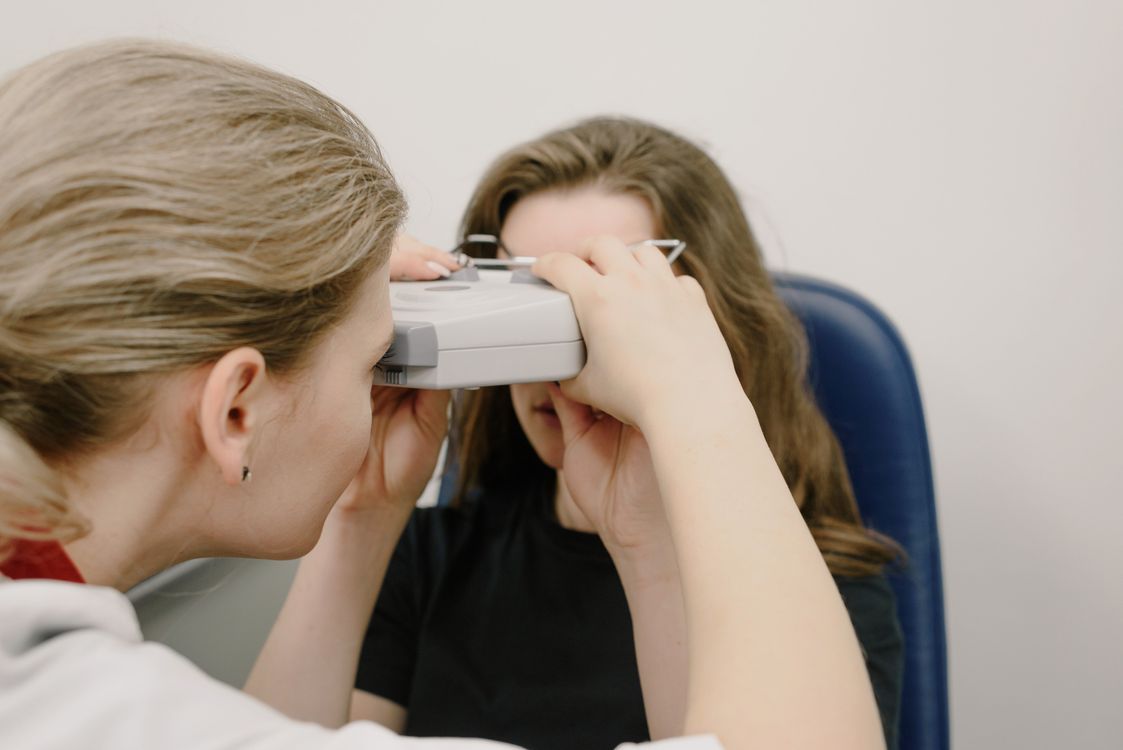
While most screen-related eye discomfort responds to the behavioral and environmental strategies described above, persistent symptoms warrant professional evaluation. See an optometrist or ophthalmologist if you experience persistent dry eye that does not respond to artificial tears, chronic headaches associated with screen use, blurred vision that does not resolve with the 20-20-20 rule, eye pain or redness, sudden changes in vision, or flashes and floaters.
An eye examination can identify underlying conditions like uncorrected refractive error, binocular vision dysfunction, or early dry eye disease that may be contributing to your symptoms and require specific treatment beyond self-care measures.
Protecting Your Eyes From What Actually Matters
While blue light from screens is not the threat it is marketed to be, protecting your eyes from UV radiation and intense sunlight remains genuinely important. Wear sunglasses that block 99 to 100 percent of UV-A and UV-B radiation when outdoors. UV exposure is a proven risk factor for cataracts, macular degeneration, and growths on the eye surface. Unlike blue light from screens, UV damage to the eye is well established and cumulative.
Maintain regular comprehensive eye examinations, the frequency of which should increase with age. Eat a diet rich in lutein and zeaxanthin, found abundantly in leafy green vegetables, which concentrate in the retina and provide natural blue light filtering and antioxidant protection. Do not smoke, as smoking dramatically increases the risk of cataracts and macular degeneration.
The evidence overwhelmingly suggests that the biggest threats to your eye health are not the screens in front of you but rather the classics: UV exposure, aging, poor nutrition, smoking, and unmanaged chronic conditions like diabetes and hypertension. Direct your protective efforts and spending toward addressing these proven risk factors and practicing sound screen habits rather than chasing solutions to a problem the science does not support.
Sources and Further Reading
Health and Beyond uses reputable medical and scientific sources where possible. These links support or expand on the topics discussed above.
- American Academy of Ophthalmologyaao.org
- National Eye Institutenei.nih.gov