The Blue Light Narrative
The marketing story is simple and compelling. Screens emit blue light. Blue light damages your eyes. Blue light glasses block blue light. Therefore, blue light glasses protect your eyes. This straightforward logic has fueled a billion-dollar industry of blue light filtering glasses, screen protectors, and lens coatings. The problem is that the scientific evidence does not support the narrative as it is typically presented.
This does not mean screens are harmless to your eyes or that nothing helps. It means the solution being sold and the actual problem are largely mismatched. Understanding what blue light is, what it does and does not do, and what actually causes screen-related eye discomfort empowers you to make informed choices rather than buying into marketing.
What Blue Light Actually Is
Blue light is the portion of the visible light spectrum with wavelengths between 380 and 500 nanometers. It is the highest-energy visible light, bordering on ultraviolet. Blue light is emitted by the sun, LED lighting, fluorescent lighting, and digital screens including phones, tablets, computers, and televisions.
The sun is by far the largest source of blue light exposure in daily life. A few minutes outdoors on a cloudy day exposes you to more blue light than hours of screen use. This fact is critical context for evaluating concerns about screen-emitted blue light.
Blue light serves important biological functions. It helps regulate circadian rhythm, boosts alertness and mood, and supports cognitive function during daytime hours. The relationship between blue light and sleep timing, where evening exposure delays melatonin production, is well-established and is the most scientifically supported concern about artificial blue light sources.
What the Research Shows About Blue Light and Eye Health
Eye Damage Claims
The claim that blue light from screens damages the retina is not supported by current evidence from human studies. This claim largely originates from laboratory studies where isolated retinal cells were exposed to high-intensity blue light at levels far exceeding what screens produce. These studies demonstrated that intense blue light can damage retinal cells in a petri dish, which is true but not applicable to real-world screen use.
A major systematic review published in the journal Eye analyzed all available studies on blue light filtering lenses and concluded that there is a lack of high-quality evidence to support the use of blue light filtering lenses for reducing eye strain, improving sleep quality, or protecting retinal health.
The American Academy of Ophthalmology has explicitly stated that blue light from digital devices does not lead to eye disease and does not recommend blue light blocking glasses for computer use. This position is based on a comprehensive review of the available evidence.
Digital Eye Strain
Digital eye strain, also called computer vision syndrome, is a real and common condition affecting an estimated 50 percent or more of regular computer users. Symptoms include eye fatigue, dryness, blurred vision, headaches, and neck and shoulder pain. The critical point is that digital eye strain is caused by how we use screens, not by the blue light they emit.
The primary causes of digital eye strain are reduced blink rate, which drops from a normal 15 to 20 blinks per minute to as few as 3 to 4 when staring at a screen, causing dry eyes. Near focusing fatigue results from sustained close-range focus that fatigues the ciliary muscles that control lens shape. Poor screen ergonomics including improper viewing distance, screen angle, glare, and inadequate lighting contribute. Extended uninterrupted screen time without breaks compounds all these factors.
Blue light filtering does not address any of these causes, which explains why randomized controlled trials consistently find no significant difference in eye strain symptoms between blue light filtering lenses and regular clear lenses.
What Actually Helps
The 20-20-20 Rule
Every 20 minutes, look at something 20 feet away for 20 seconds. This simple practice relaxes the ciliary muscles, resets the blink rate, and allows the eyes to rehydrate. It addresses the near focusing fatigue and reduced blinking that actually cause digital eye strain. Setting a timer or using an app that reminds you to take these breaks is more effective than any lens coating.
Proper Screen Ergonomics
Position your monitor at arm's length with the top of the screen at or slightly below eye level. This positioning allows a slight downward gaze, which partially covers the eye surface and reduces tear evaporation. Reduce screen glare by adjusting screen brightness to match your environment, positioning the screen to avoid reflections from windows or overhead lights, and using a matte screen protector if necessary.
Text size matters. Increasing font size on your computer reduces the focusing effort your eyes must make. If you find yourself leaning forward to read, either increase the font size or move the screen closer rather than straining your eyes at a distance they cannot comfortably accommodate.
Blink Consciously
The reduced blink rate during screen use is one of the most significant causes of dry eye symptoms. Make a conscious effort to blink fully and frequently while using screens. Some eye care professionals recommend the blink exercise, where you deliberately perform a full, slow blink every few minutes to ensure the eye surface is adequately lubricated.
For people who experience dry eyes despite conscious blinking, preservative-free artificial tears used several times throughout the day can supplement natural tear production. A humidifier in the workspace helps maintain ambient humidity, reducing tear evaporation.
Screen Settings
Most modern devices include display settings that adjust color temperature to reduce blue light emission in the evening. Features like Night Shift on Apple devices and Night Light on Windows reduce blue light output by shifting the display toward warmer tones. These settings are useful not for eye protection during the day but for minimizing circadian disruption from screen use in the evening.
Reducing overall screen brightness to match ambient lighting reduces eye strain more effectively than blue light filtering. A screen that is significantly brighter than your surroundings forces your pupils to constrict and your eyes to work harder to manage the contrast.
The Sleep Exception
Where blue light filtering has genuine scientific support is in the context of evening screen use and sleep quality. Blue light exposure in the hours before bedtime suppresses melatonin production and delays sleep onset. This effect has been demonstrated in well-controlled human studies and is the basis for the circadian rhythm concern about artificial light.
If you use screens in the evening and have difficulty falling asleep, reducing blue light exposure in the two to three hours before bed can be beneficial. Built-in device settings that shift color temperature are effective for this purpose and do not require purchasing special glasses. If you prefer glasses, amber-tinted lenses that block a substantial percentage of blue light in the 440 to 500 nanometer range are more effective than the cosmetically clear lenses marketed as blue light blockers, which typically filter only 10 to 25 percent of blue light.
The most effective approach for evening screen use and sleep protection is limiting screen time in the final one to two hours before bed, using warm device settings when screens are used, and ensuring your sleeping environment is completely dark.
When to See an Eye Doctor
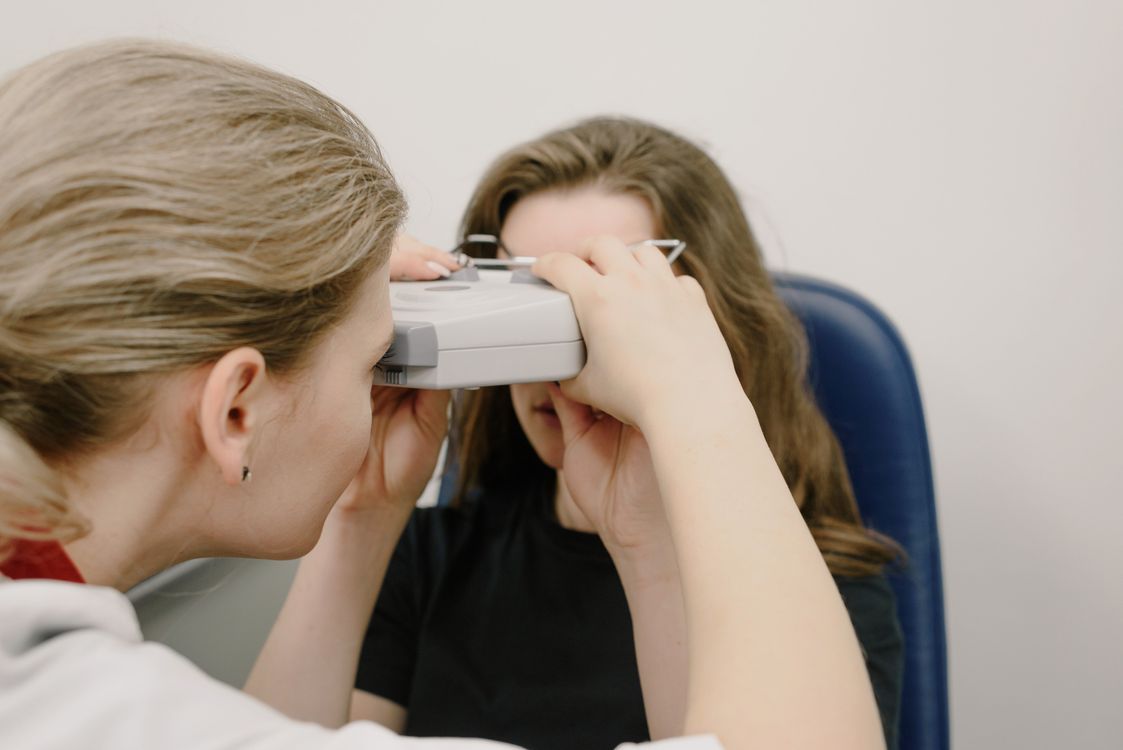
If you experience persistent eye discomfort, headaches related to screen use, blurred vision that does not resolve with breaks, or a noticeable change in your vision, schedule an eye examination. These symptoms may be related to digital eye strain but could also indicate uncorrected refractive errors, dry eye disease requiring treatment, convergence insufficiency, early cataracts, or other conditions that require professional evaluation.
Many people experiencing digital eye strain actually have a previously undetected or mildly undercorrected refractive error that becomes symptomatic only with prolonged close work. A proper eye examination with a comprehensive refraction often reveals a simple correction that dramatically reduces symptoms, something no blue light glass can accomplish.
For computer-specific glasses, optometrists can prescribe lenses with a focal distance optimized for your screen distance. These task-specific glasses, sometimes called computer glasses or occupational lenses, are far more effective for screen comfort than blue light coatings because they address the actual focusing demand rather than the light spectrum.
A Practical Summary
Save your money on blue light glasses unless you specifically need them for evening screen use and sleep protection, in which case amber-tinted lenses are more effective than the cosmetically clear options. Instead, invest your effort in proven strategies. Follow the 20-20-20 rule religiously. Optimize your screen ergonomics, distance, height, brightness, and glare control. Blink consciously and use artificial tears if needed. Get a comprehensive eye exam if you have not had one recently. Use built-in warm display settings in the evening.
These evidence-based approaches address the real causes of screen-related eye discomfort. They cost nothing, work consistently, and are endorsed by every major ophthalmology and optometry organization. Your eyes are valuable. Protect them with strategies that science supports rather than products that marketing promotes.
Sources and Further Reading
Health and Beyond uses reputable medical and scientific sources where possible. These links support or expand on the topics discussed above.
- Eyenature.com
- American Academy of Ophthalmologyaao.org