Dry eye syndrome has become one of the defining eye health challenges of the modern era. Over 16 million Americans carry a formal diagnosis, and the true number of people experiencing symptoms is likely double or triple that figure. The condition ranges from occasional dryness that causes mild discomfort to a chronic, progressive disease that impairs vision, damages the corneal surface, and significantly reduces quality of life. What was once considered a minor nuisance has emerged as a complex, multifactorial disease that demands the same serious clinical attention given to other chronic conditions.
The surge in dry eye prevalence tracks closely with two converging trends: an aging population and an increasingly screen-dependent lifestyle. Digital device use reduces blink rate by as much as 60 percent, creating sustained evaporative stress on the tear film during the hours we spend staring at computers, phones, and tablets. Meanwhile, environmental factors including air conditioning, heating systems, air pollution, and climate aridity compound the challenge. Understanding the mechanisms behind dry eye — and the expanding range of treatments available — enables effective management of a condition that too many people simply endure without seeking help.
The Tear Film: More Complex Than You Think
The tear film that coats the eye's surface is not a simple layer of salt water. It is a sophisticated three-layer structure, each component playing a critical role in ocular surface health.
The outermost lipid layer, produced by the meibomian glands in the eyelids, is a thin coating of oils that slows tear evaporation. When this lipid layer is deficient or of poor quality, tears evaporate too quickly, even when tear production is adequate — a condition called evaporative dry eye, which accounts for approximately 85 percent of all dry eye cases.
The middle aqueous layer, the thickest layer produced primarily by the lacrimal glands, provides moisture, oxygen, and nutrients to the cornea while flushing away debris and microorganisms. Deficiency in this layer — aqueous-deficient dry eye — results from reduced tear production and accounts for the remaining cases, though many patients have components of both types.
The innermost mucin layer, secreted by goblet cells in the conjunctiva, allows the aqueous tears to spread evenly across the hydrophobic corneal surface. Without adequate mucin, tears bead up rather than forming a smooth, uniform film, creating irregular optical surfaces that blur vision.
Common Causes and Risk Factors
Meibomian Gland Dysfunction
Meibomian gland dysfunction is the single most common cause of dry eye symptoms. These tiny oil-producing glands, located in both upper and lower eyelids, can become clogged, inflamed, or atrophied, reducing the quality and quantity of the lipid layer. Without adequate oil, the aqueous tears evaporate rapidly, leaving the corneal surface exposed and irritated.
Factors that contribute to meibomian gland dysfunction include aging, hormonal changes (particularly declining androgen levels), chronic blepharitis (eyelid inflammation), demodex mite infestation of the eyelashes, rosacea, and environmental factors that promote inflammation.
Screen Time and Digital Eye Strain
The relationship between digital device use and dry eye is mediated primarily through reduced blink rate. Normal blink rate averages 15 to 20 blinks per minute during conversation. During focused screen use, blink rate drops to 3 to 4 blinks per minute, and many of those remaining blinks are incomplete — the eyelids do not fully close, leaving a strip of exposed cornea at the bottom of the eye.
This dramatically reduced blinking means the tear film is not being refreshed and redistributed across the corneal surface at the rate needed to prevent evaporative breakdown. Hours of screen use daily create cumulative tear film instability that produces the tired, gritty, burning eyes that millions of office workers experience by late afternoon.
Medications
Over 400 commonly prescribed medications list dry eye as a side effect. Antihistamines, decongestants, antidepressants, blood pressure medications, hormone replacement therapy, oral contraceptives, and acne medications all reduce tear production or alter tear composition. The National Eye Institute identifies medication use as a leading modifiable risk factor for dry eye.
Hormonal Factors
Hormonal changes, particularly declining estrogen and androgen levels during menopause, significantly affect tear production and meibomian gland function. Women develop dry eye at nearly twice the rate of men, with prevalence increasing sharply around menopause. Pregnancy, oral contraceptive use, and hormone replacement therapy can also influence dry eye symptoms.
Autoimmune Conditions
Sjogren's syndrome, an autoimmune condition that attacks moisture-producing glands throughout the body, produces some of the most severe dry eye presentations. Rheumatoid arthritis, lupus, thyroid disease, and other autoimmune conditions also increase dry eye prevalence. These conditions require both systemic management and targeted ocular surface treatment.
Environmental Factors
Low humidity environments — whether from air conditioning, forced-air heating, airplane cabins, or arid climates — accelerate tear evaporation. Wind exposure, whether outdoors or from direct airflow from fans and vents, compounds the evaporative effect. Air pollution and particulate matter irritate the ocular surface and promote the inflammatory processes that drive dry eye disease.
Contact Lens Wear
Contact lenses sit within the tear film, disrupting its structure and increasing evaporation. Long-term contact lens wear can reduce corneal sensitivity, impairing the neural feedback loop that stimulates tear production. Dry eye is the leading cause of contact lens intolerance and discontinuation.
Symptoms Beyond Dryness
The symptom profile of dry eye extends well beyond the sensation of dryness that gives the condition its name. Many patients experience burning, stinging, or gritty sensations that they describe as feeling like sand in the eyes. Redness, excessive tearing (a paradoxical reflex response to surface dryness), blurred vision that fluctuates with blinking, sensitivity to light, eye fatigue, and difficulty wearing contact lenses are all common presentations.
The paradoxical tearing deserves explanation because patients are often confused by watery eyes in a condition called dry eye. When the corneal surface becomes irritated from inadequate basal tear coverage, the lacrimal gland produces a flood of reflex tears — the same type of tears produced during crying. These reflex tears are watery and lack the lipid and mucin components needed for stable surface coverage, so they wash across the eye without providing lasting relief, only to be followed by another cycle of surface drying and reflex tearing.
Vision fluctuation is an underappreciated symptom. The tear film is actually the eye's primary refractive surface — light passes through it before reaching the cornea. When the tear film is unstable and breaks up rapidly, the optical surface becomes irregular, producing momentary blur that clears with each blink but returns within seconds. This fluctuating vision can be more functionally disabling than mild refractive error because it cannot be corrected with glasses.
Diagnosis
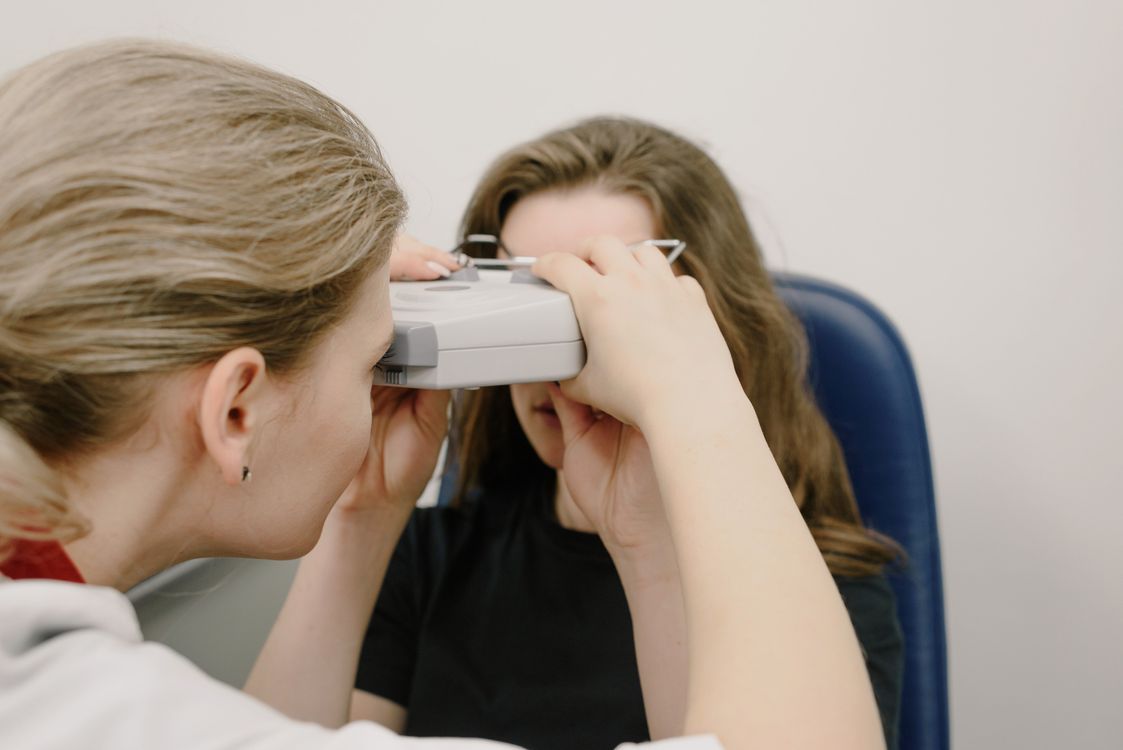
A comprehensive dry eye evaluation goes beyond simply confirming that the eyes feel dry. According to the American Academy of Ophthalmology, thorough assessment identifies which type of dry eye is present, its severity, and the contributing factors driving the disease in each individual patient.
Tear breakup time measures how quickly the tear film destabilizes after a blink, with values under 10 seconds indicating tear film instability. Schirmer's test places filter paper strips inside the lower eyelids to measure aqueous tear production over five minutes. Meibomian gland evaluation assesses the quality and flow of meibomian gland secretions and may include meibography — imaging that reveals the structure and health of the glands themselves.
Corneal and conjunctival staining with fluorescein and lissamine green dyes reveals areas of surface damage that indicate dry eye severity. Tear osmolarity testing and inflammatory marker testing (such as MMP-9) provide objective measurements that help guide treatment decisions and monitor response.
Treatment Approaches
Artificial Tears
Over-the-counter artificial tears are the first-line treatment for mild dry eye and supplement the natural tear film to provide immediate comfort. The variety of available formulations can be confusing, but understanding a few key distinctions simplifies selection.
Preserved artificial tears contain preservatives that extend shelf life but can irritate sensitive eyes with frequent use. Preservative-free formulations, packaged in single-use vials, eliminate this concern and are recommended for patients who use drops more than four times daily.
Lipid-based artificial tears contain oil-in-water emulsions that supplement the lipid layer, making them particularly appropriate for evaporative dry eye from meibomian gland dysfunction. Gel-based and ointment formulations provide longer-lasting coverage but temporarily blur vision, making them most practical for nighttime use.
Prescription Medications
Cyclosporine ophthalmic emulsion and lifitegrast are the two FDA-approved prescription eye drops that address the inflammatory component of dry eye disease. Both medications reduce the immune-mediated inflammation of the ocular surface and lacrimal glands that perpetuates the dry eye cycle. Unlike artificial tears, which provide temporary symptomatic relief, these anti-inflammatory drops target the underlying disease process.
Both medications require consistent use for several weeks to months before maximum benefit is achieved, and some patients experience burning or stinging during the initial weeks of treatment. Combining prescription anti-inflammatory drops with artificial tears for symptomatic relief during the treatment ramp-up period is standard practice.
Short-term topical corticosteroid drops may be prescribed during acute flare-ups to rapidly reduce inflammation before transitioning to long-term anti-inflammatory therapy. Extended corticosteroid use requires monitoring for potential side effects including elevated eye pressure.
Oral omega-3 fatty acid supplementation has shown mixed results in clinical trials but remains commonly recommended based on its anti-inflammatory properties and favorable safety profile. The DREAM study, the largest randomized trial of omega-3 supplementation for dry eye, found no significant benefit over placebo, though the formulation and dosage used in that study may not have been optimal.
Meibomian Gland Treatments
For the majority of dry eye patients whose condition is driven by meibomian gland dysfunction, treatments that restore gland function are essential.
Warm compresses applied to closed eyelids for 10 to 15 minutes soften the thickened meibomian gland secretions, allowing them to flow more freely. Specialized heated eye masks that maintain consistent therapeutic temperature are more effective than warm washcloths, which cool quickly. Following warm compresses with gentle lid massage — pressing along the eyelids toward the lash line — expresses the softened secretions from the glands.
In-office thermal pulsation treatments use controlled heat and pressure to clear obstructed meibomian glands more effectively than home warm compress therapy. These treatments, performed in the eye doctor's office, deliver sustained therapeutic heat directly to the glands while simultaneously applying gentle expression pressure. Many patients notice improvement in symptoms within days of treatment, though results vary.
Intense pulsed light therapy, originally developed for dermatological conditions, has shown significant benefit for meibomian gland dysfunction. The light energy reduces inflammation, kills demodex mites on the eyelids, and improves meibomian gland secretion quality through mechanisms that are still being fully elucidated.
Punctal Plugs
Tiny silicone or collagen plugs inserted into the tear drainage channels (puncta) in the inner corners of the eyelids slow tear drainage, keeping natural and artificial tears on the eye surface longer. Punctal plugs are particularly useful for aqueous-deficient dry eye, where tear production is insufficient. They are painless to insert, removable if needed, and provide measurable improvement in tear film coverage for many patients.
Scleral Contact Lenses
For severe dry eye that does not respond adequately to other treatments, scleral contact lenses — large-diameter rigid lenses that vault over the cornea and rest on the white of the eye — create a fluid reservoir between the lens and the corneal surface. This reservoir continuously bathes the cornea in fluid, providing superior comfort and visual clarity for patients with the most challenging dry eye conditions.
Lifestyle Modifications
Environmental and behavioral changes complement medical treatment and can significantly reduce symptom burden.
Following the 20-20-20 rule during screen use — every 20 minutes, look at something 20 feet away for 20 seconds — provides regular blinking breaks that refresh the tear film. Consciously increasing blink frequency and making complete blinks during focused visual tasks addresses the reduced blink rate that screen use produces.
Using a humidifier in home and office environments maintains ambient moisture levels that slow tear evaporation. Positioning computer screens below eye level reduces the exposed ocular surface area compared to looking upward at a screen. Wearing wraparound sunglasses outdoors reduces wind exposure and evaporative stress.
Staying well-hydrated supports tear production, though drinking more water alone does not resolve dry eye that has an inflammatory or glandular cause. Reducing caffeine and alcohol consumption, both of which can contribute to dehydration, provides modest additional benefit.
Eyelid hygiene — daily cleansing of the eyelid margins with diluted baby shampoo or commercial lid scrub products — reduces the bacterial load and debris that contribute to blepharitis and meibomian gland dysfunction. Consistent lid hygiene is one of the most impactful home care measures for long-term dry eye management.
When to Seek Professional Help
Dry eye that does not improve with over-the-counter artificial tears after two to four weeks of consistent use, dry eye that is accompanied by significant pain or vision changes, and dry eye that progressively worsens should prompt professional evaluation. The sooner dry eye disease is properly diagnosed and treated, the less cumulative damage occurs to the ocular surface and meibomian glands — and the more effectively the condition can be managed for lasting comfort and clear vision.
Sources and Further Reading
Health and Beyond uses reputable medical and scientific sources where possible. These links support or expand on the topics discussed above.