Vision is the dominant sense through which children learn. Approximately 80 percent of what a child absorbs in the classroom comes through visual processing — reading the board, following along in textbooks, interpreting diagrams, and navigating the physical environment. Yet one in four school-age children has a vision problem significant enough to affect academic performance, and many of these problems remain undetected because children assume that everyone sees the world the way they do. A child who has never experienced clear vision has no frame of reference for what they are missing.
The stakes of undetected childhood vision problems extend far beyond academics. Amblyopia (lazy eye), if not treated during the critical developmental window, can result in permanent vision loss in the affected eye. Undiagnosed refractive errors can produce headaches, fatigue, and behavioral issues that get misattributed to attention disorders or learning disabilities. And the worldwide epidemic of childhood myopia — driven in large part by the screen-saturated environments children now inhabit — threatens to create a generation facing elevated risk of serious eye diseases in adulthood.
Vision Development in Children
The visual system is not fully formed at birth. Newborns see only blurry shapes at close range, with vision gradually sharpening over the first several years of life. This developmental period represents both opportunity and vulnerability — the visual brain is building the neural connections that will serve vision for a lifetime, and disruptions during this period can produce lasting consequences.
During the first six months, infants develop the ability to fixate on objects, track movement, and begin using both eyes together (binocular vision). By 12 months, depth perception and hand-eye coordination are substantially developed. Fine visual acuity continues improving through ages 3 to 5, reaching adult-like levels by around age 7 to 9.
The concept of a critical period is central to understanding childhood vision care. The visual brain is maximally plastic — most able to develop normal connections — during approximately the first seven to nine years of life. After this window closes, the brain's ability to develop new visual pathways diminishes dramatically. This means that conditions like amblyopia, which require the visual brain to be retrained, must be identified and treated during this critical period for the best outcomes.
Essential Eye Exam Timeline
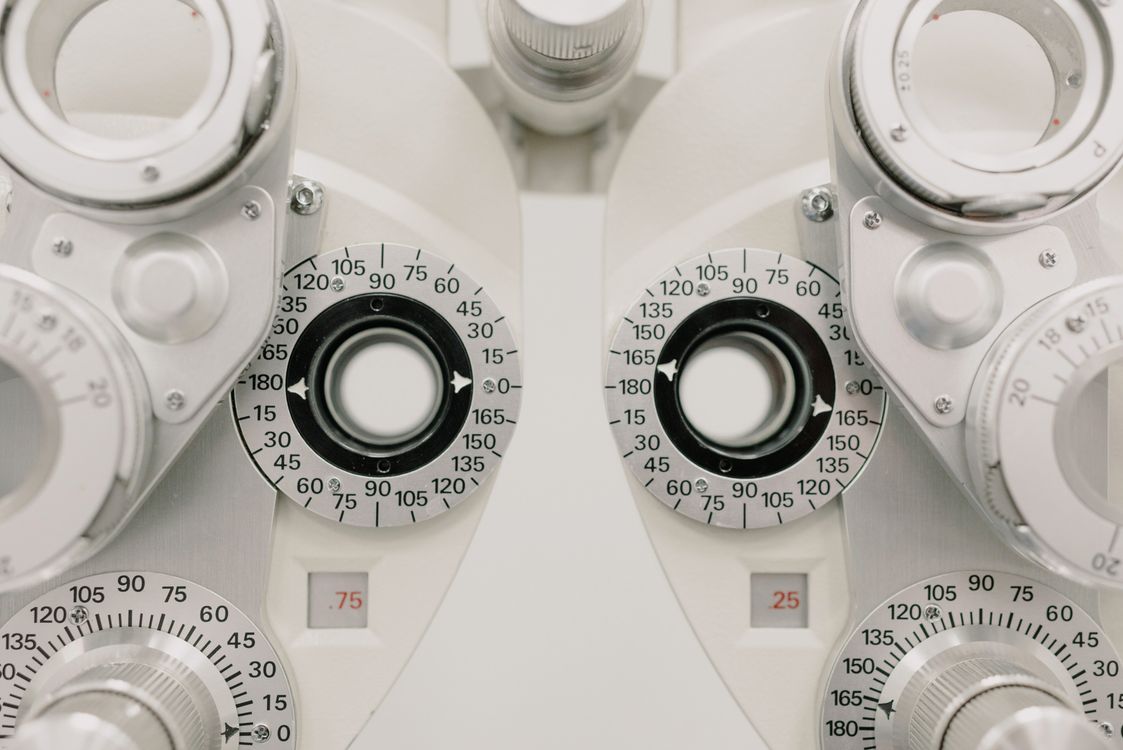
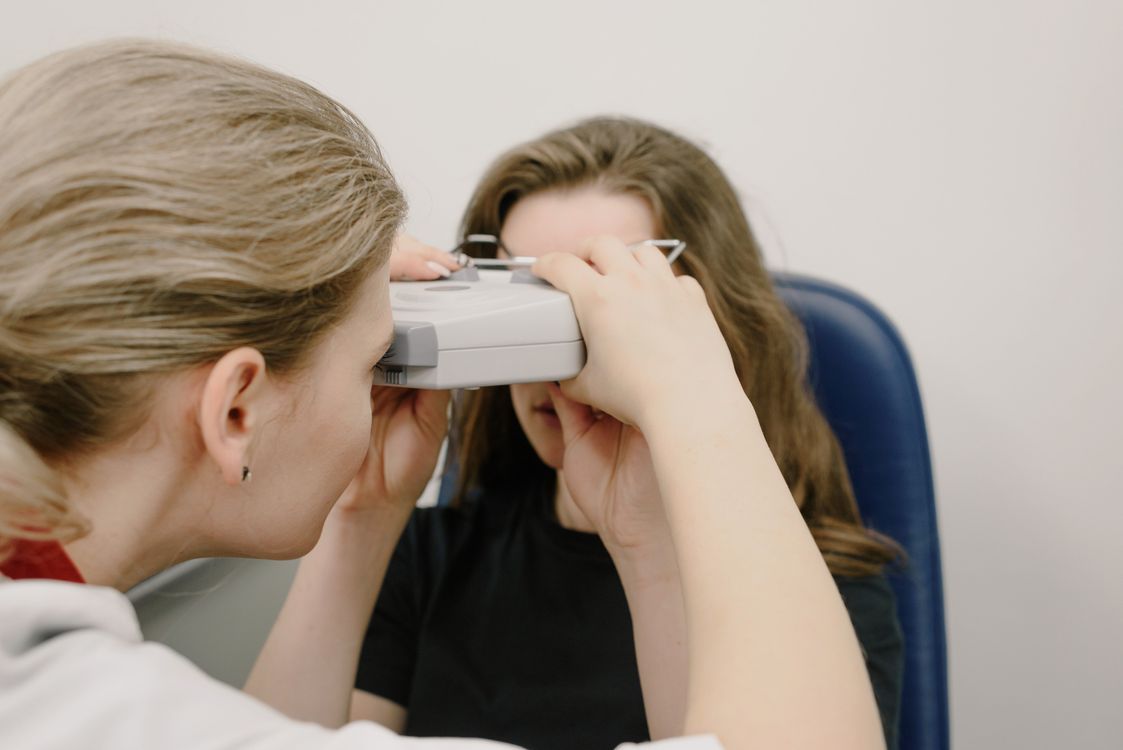
The American Academy of Ophthalmology and the American Optometric Association recommend the following screening schedule for children.
Newborn to 3 months: pediatricians perform basic eye assessment at well-baby visits, checking for structural abnormalities, red reflex (the orange-red glow visible through the pupil that indicates a clear visual pathway), and gross eye alignment.
Six to 12 months: an infant eye assessment evaluates eye alignment, eye movement, and the presence of any conditions requiring early treatment. The InfantSEE program provides free comprehensive eye evaluations for infants 6 to 12 months old through participating optometrists.
Ages 3 to 5: a comprehensive vision screening or eye examination tests visual acuity (the ability to see clearly at distance), alignment, eye health, and the presence of refractive errors. This pre-school assessment is critically important because it occurs during the developmental window when amblyopia treatment is most effective.
School age (5 to 18): comprehensive eye examinations every one to two years, or more frequently if recommended based on findings. School vision screenings, while valuable for identifying some problems, miss many conditions — particularly farsightedness, binocular vision disorders, and mild-to-moderate astigmatism — and should not be considered a substitute for a complete eye examination by an eye care professional.
Common Childhood Vision Problems
Refractive Errors
Myopia (nearsightedness) has reached epidemic proportions worldwide, with prevalence among children roughly doubling over the past three decades. The World Health Organization projects that by 2050, approximately half the global population will be myopic. Children who develop myopia early tend to progress to higher levels of myopia, which in adulthood significantly increases the risk of retinal detachment, glaucoma, cataracts, and myopic macular degeneration.
Hyperopia (farsightedness) is normal in young children, with most outgrowing moderate amounts as the eye grows. Significant hyperopia that persists, however, requires the child to exert constant focusing effort that causes eye strain, headaches, and difficulty with prolonged near tasks. Undetected hyperopia is a common contributor to the "hates reading" phenomenon in school-age children who are simply experiencing visual discomfort.
Astigmatism, caused by an irregularly shaped cornea, produces blurred vision at all distances. Mild astigmatism is extremely common and may not require correction, but moderate-to-significant astigmatism affects visual clarity enough to impair academic performance.
Amblyopia
Amblyopia occurs when the visual brain fails to develop normal connections from one eye, resulting in reduced vision in that eye that cannot be fully corrected with glasses alone. The visual brain, receiving a stronger signal from one eye and a weaker signal from the other, progressively suppresses the weaker eye's input, and the neural pathways serving that eye atrophy from disuse.
Causes include significant refractive error difference between the two eyes (one eye is much more farsighted, nearsighted, or astigmatic than the other), misalignment of the eyes (strabismus), and anything that physically blocks vision in one eye during the critical period (such as a drooping eyelid or congenital cataract).
Treatment involves correcting the underlying cause (glasses for refractive amblyopia, surgery or prism for strabismic amblyopia, surgery for structural obstruction) and then forcing the visual brain to use the weaker eye, typically through patching the stronger eye or using atropine drops to blur the stronger eye's vision. Treatment is most effective before age 7 but can produce some improvement in older children and even adolescents, though the degree of improvement diminishes with age.
Strabismus
Strabismus — misalignment of the eyes, commonly called crossed eyes or wall eyes — affects approximately 4 percent of children. The misalignment may be constant or intermittent, affecting one eye consistently or alternating between eyes. Beyond the cosmetic concern, strabismus disrupts binocular vision and depth perception and commonly leads to amblyopia in the deviating eye.
Treatment options include glasses (particularly for accommodative esotropia, where the eyes cross due to the focusing effort required for farsightedness), vision therapy exercises, prism lenses, and surgical correction of the eye muscles. Early treatment produces the best outcomes for both alignment and binocular vision development.
Color Vision Deficiency
Color vision deficiency (color blindness) affects approximately 8 percent of males and 0.5 percent of females, most commonly involving difficulty distinguishing red from green. While not a disease and not treatable, early identification allows appropriate classroom accommodations — using labeled rather than color-coded materials, for instance — that prevent unnecessary academic difficulty.
Warning Signs Parents Should Watch For
Children rarely complain about vision problems because they lack the experience to know what normal vision looks like. Parents and teachers must watch for behavioral signs that suggest visual difficulty.
Squinting, head tilting, or covering one eye to see better suggests refractive error or binocular vision problems. Sitting unusually close to the television or holding books very close indicates possible myopia. Frequent eye rubbing, blinking, or tearing during visual tasks suggests eye strain.
Losing place while reading, using a finger to track lines, or consistently avoiding reading activities may reflect tracking or convergence difficulties rather than reading disability. Poor hand-eye coordination, difficulty catching or hitting balls, and bumping into objects can indicate depth perception or peripheral vision problems.
Headaches, particularly after school or after extended near work, should prompt vision evaluation. Complaints of blurry vision, double vision, or letters moving on the page are direct symptoms that children may describe in age-appropriate but non-clinical language.
One eye that turns in, out, up, or down — even intermittently — warrants prompt evaluation. A white pupil in photographs (instead of the normal red-eye effect) requires urgent evaluation, as it can indicate serious conditions including retinoblastoma (a childhood eye cancer) or dense cataract.
Screen Time and Developing Eyes
The Myopia Connection
The strongest environmental risk factor for childhood myopia development and progression is insufficient time spent outdoors. Children who spend more time outdoors have significantly lower rates of myopia, regardless of how much near work or screen time they engage in. The protective mechanism appears to involve bright outdoor light stimulating dopamine release in the retina, which inhibits eyeball elongation — the structural change that produces myopia.
Current evidence-based recommendations suggest that children should spend at least two hours per day outdoors for myopia prevention. This recommendation is independent of physical activity level — simply being in bright outdoor light appears to provide the protective benefit.
Screen time contributes to myopia risk primarily through two mechanisms: sustained near focusing that stimulates eye elongation, and displacement of outdoor time. A child spending four hours on a tablet is a child not spending those four hours outside.
Age-Appropriate Screen Guidelines
The American Academy of Pediatrics recommends no screen time (other than video chatting) for children under 18 months. For ages 18 to 24 months, only high-quality programming viewed together with a parent. For ages 2 to 5, limit screen use to one hour per day of high-quality programs. For age 6 and older, establish consistent limits that ensure screen time does not replace adequate sleep, physical activity, and other healthy behaviors.
Practical Screen Protection Strategies
When children do use screens, several strategies reduce visual strain and myopia risk. Maintaining the furthest comfortable viewing distance reduces near focusing demand. The 20-20-20 rule applies to children as effectively as to adults. Ensuring adequate ambient lighting when screens are in use reduces the contrast between screen and surroundings that contributes to eye fatigue.
Nighttime screen use is particularly problematic for children because blue light suppresses melatonin production, disrupting sleep — and adequate sleep is essential for healthy eye development. Establishing a screen-free period of at least one hour before bedtime protects both sleep quality and visual development.
Myopia Management
For children already developing myopia, evidence-based myopia management strategies can slow the rate of progression, resulting in a lower final prescription and reduced risk of myopia-related eye diseases in adulthood.
Atropine eye drops in very low concentrations (0.01 to 0.05 percent), administered nightly, have demonstrated significant reduction in myopia progression with minimal side effects. The mechanism involves blocking specific receptors in the eye that influence growth signaling.
Orthokeratology — specially designed rigid contact lenses worn overnight that temporarily reshape the cornea — provides clear daytime vision without lenses while simultaneously slowing myopia progression through peripheral defocus mechanisms. Studies show reduction in myopia progression of approximately 50 percent compared to standard correction.
Multifocal soft contact lenses designed for myopia management alter the pattern of focus on the retina in ways that slow eye elongation. Several designs are now FDA-approved specifically for myopia management in children.
Increased outdoor time remains the simplest, most accessible, and most cost-effective myopia management strategy. Schools and parents who prioritize outdoor recess, outdoor activities, and unstructured outdoor play contribute meaningfully to myopia prevention at a population level.
Creating a Vision-Friendly Environment
Parents can support their children's visual development through several practical measures beyond scheduling eye exams. Ensuring adequate lighting for homework and reading tasks, positioning desks near windows to provide natural light, encouraging breaks during prolonged near work, limiting recreational screen time while maximizing outdoor time, and providing a balanced diet rich in the nutrients that support eye health — vitamins A, C, and E, lutein, zeaxanthin, zinc, and omega-3 fatty acids — all contribute to a vision-supportive environment.
Most importantly, taking action when vision concerns arise rather than adopting a wait-and-see approach preserves the critical developmental window that makes treatment most effective. A child's visual future depends on the decisions made during the first decade of life. Early detection, timely treatment, and proactive management of the environmental factors that threaten developing eyes give every child the best chance of a lifetime of clear, comfortable vision.
Sources and Further Reading
Health and Beyond uses reputable medical and scientific sources where possible. These links support or expand on the topics discussed above.