Hyperpigmentation is the uneven brown, grey, or bluish darkening of the skin that follows inflammation, sun exposure, hormonal change, or certain medications. It is extraordinarily common across all skin tones but disproportionately affects people with medium to deep complexions because their skin makes more melanin in response to any stimulus. It is also one of the most emotionally difficult skin conditions to live with, precisely because it is visible, slow to fade, and often worse every time you step outside.
Good news: hyperpigmentation is highly treatable. Bad news: treatment takes patience, discipline, and a layered strategy. This guide covers why pigment develops, the major types, and the ingredients, prescriptions, and procedures that reliably lighten it.
How Skin Makes Pigment
Melanin is produced by specialised cells called melanocytes inside tiny organelles known as melanosomes. The melanocytes live at the base of the epidermis and transfer packaged pigment to surrounding skin cells as those cells mature and move toward the surface. Normal melanin production gives skin its baseline colour and offers natural UV protection.
When the skin is injured, inflamed, or hit by UV radiation, melanocytes ramp up melanin production. If the trigger is short-lived, pigmentation fades. If the trigger is repeated or prolonged, pigment builds up and persists. In some cases the pigment sits deeper, within the dermis, which is much harder to remove.
Three scenarios drive almost all hyperpigmentation:
- Sun exposure
- Inflammation from acne, eczema, dermatitis, cuts, burns, or cosmetic procedures
- Hormonal shifts, particularly oestrogen and progesterone
The Major Types
Post-Inflammatory Hyperpigmentation
Post-inflammatory hyperpigmentation, often shortened to PIH, is the dark marks left behind after acne, eczema, ingrown hairs, bug bites, or any insult to the skin. PIH tends to be flat and matches the shape of the original lesion. It can last weeks to years without treatment, with longer persistence in darker skin tones.
Sun-Induced Lentigines
Sun spots, solar lentigines, or age spots are discrete flat brown patches caused by years of UV exposure. They most often appear on the face, hands, chest, and upper back in adulthood and multiply over time.
Melasma
Melasma is a chronic, symmetrical pigmentation that typically appears on the cheeks, forehead, upper lip, and chin. It is driven by a combination of hormonal stimuli, especially pregnancy, combined oral contraceptives, and hormone replacement therapy, and by heat and visible light in addition to UV. Melasma predominantly affects women in their twenties through forties and is more common and more severe in medium to deep skin tones.
Melasma is notorious for being stubborn, recurrent, and easily worsened by aggressive treatment. It demands careful management rather than heroic measures.
Periorbital Pigmentation
Dark circles under the eyes that are purely pigmentary, as opposed to shadowing or vascular causes, are a form of hyperpigmentation. They tend to be familial and respond to the same approaches as facial pigmentation, used more gently because of eye-area sensitivity.
Acanthosis Nigricans
Velvety dark patches in the armpits, back of the neck, and groin can reflect insulin resistance. Managing the underlying metabolic issue, typically with weight loss, exercise, and sometimes medication, is the primary treatment. Topicals help cosmetically.
Friction and Heat-Induced Pigmentation
Repeated rubbing, tight clothing, or prolonged heat exposure can drive pigmentation in skin folds, along waistbands, or under bra straps. Removing the mechanical trigger is the first step.
Drug-Induced Hyperpigmentation
Certain medications leave characteristic pigmentation patterns. Identifying and, where possible, discontinuing or substituting the medication is central to treatment.
Why Sunscreen Is Non-Negotiable
Every treatment for hyperpigmentation fails without rigorous daily sun protection. UV radiation restimulates melanocytes within minutes. Visible light, especially in high-energy blue wavelengths, also drives melasma and is not blocked by standard chemical sunscreens. A tinted sunscreen containing iron oxides, in addition to traditional UV filters, adds visible light protection.
The minimum effective protocol is broad-spectrum SPF 30 or higher, applied generously every morning, reapplied every two hours during outdoor exposure, paired with wide-brimmed hats and UV-protective clothing during prolonged sun. For melasma, SPF 50-plus mineral or tinted sunscreens with iron oxides are the preferred choice.
Topical Ingredients That Work
A well-structured pigmentation routine typically uses one or two brightening actives, layered with a retinoid and ironclad sun protection. The following ingredients have reasonable evidence.
Hydroquinone
Still the gold standard. Typically used at 2 percent over the counter in some countries, and at 4 percent or higher by prescription, for three to four months at a time. Hydroquinone inhibits tyrosinase, the enzyme central to melanin production. Prolonged use can cause ochronosis, a rare bluish discolouration, so cycled use under dermatologist guidance is safer than indefinite application.
Tretinoin and Other Retinoids
Prescription tretinoin at 0.025 to 0.1 percent, adapalene, and newer retinoids accelerate cell turnover, disperse pigment, and improve texture. They pair well with brightening ingredients and are often included in compounded formulations.
Azelaic Acid
Azelaic acid at 10 to 20 percent inhibits tyrosinase, has anti-inflammatory effects, and is safe in pregnancy. It is especially useful for acne-prone and rosacea-prone skin.
Tranexamic Acid
Tranexamic acid has become a core ingredient for melasma. It works in part by blocking plasmin signalling between keratinocytes and melanocytes. Topical formulations at 3 to 5 percent are widely available. Oral tranexamic acid, typically 250 milligrams twice daily under medical supervision, has strong evidence for melasma but requires careful patient selection because of small risks of blood clotting events.
Vitamin C
Topical L-ascorbic acid at 10 to 20 percent is both an antioxidant and a modest tyrosinase inhibitor. It is best used in the morning under sunscreen, where it augments sun protection and slowly brightens skin over months.
Niacinamide
Niacinamide at 4 to 5 percent reduces pigment transfer from melanocytes to keratinocytes and supports the skin barrier. It layers well with almost every other active.
Kojic Acid, Arbutin, Licorice Extract, and Resorcinols
These gentler inhibitors of tyrosinase are useful secondary ingredients in multi-agent products and are well tolerated in sensitive skin.
Cysteamine
Cysteamine cream used for short contact times has grown in evidence for melasma and PIH. It can be irritating and is usually applied for 15 to 30 minutes before being rinsed off.
Thiamidol
A newer tyrosinase inhibitor with promising data showing measurable lightening over three to six months.
Prescription Combinations
Dermatologists frequently reach for triple combination creams, the classic being hydroquinone, tretinoin, and a mild corticosteroid together. These products work well for melasma and PIH over three to four months of use. They are rotated off to avoid steroid atrophy and hydroquinone-related side effects.
In-Office Treatments
Chemical Peels
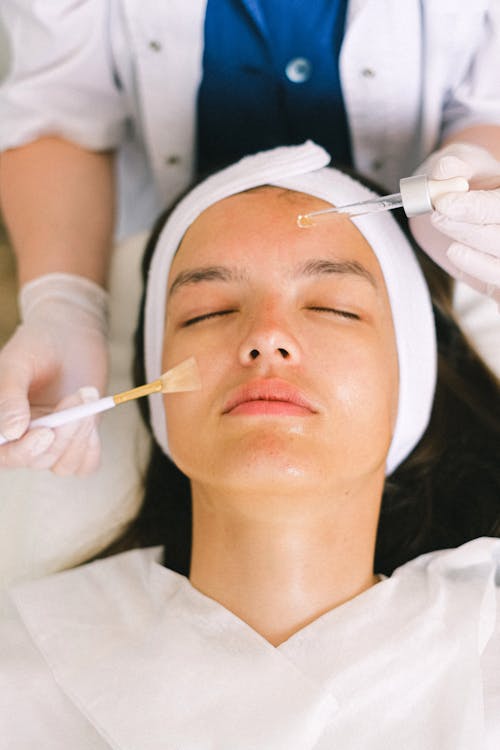
Superficial and medium-depth peels using glycolic acid, salicylic acid, mandelic acid, trichloroacetic acid, or Jessner's solution can accelerate pigment clearance when layered with a good topical routine. In darker skin tones, superficial peels with experienced providers are safer, because aggressive peeling can trigger paradoxical pigmentation.
Lasers and Energy-Based Devices
Q-switched and picosecond lasers, non-ablative fractional lasers, and intense pulsed light devices all have roles in hyperpigmentation treatment. Device choice and settings matter enormously, especially in darker skin tones where careless treatment causes more pigmentation than it removes. Newer picosecond devices have better safety profiles across skin types.
For melasma specifically, lasers and light devices are used cautiously and typically as adjuncts to topical therapy, not first-line treatment, because aggressive use frequently triggers rebound pigmentation.
Microneedling
Microneedling with or without PRP or topical infusion can gradually improve pigmentation and texture over four to six sessions. It is a gentler option than laser for many patients.
The Role of Oral Therapies
Oral tranexamic acid, polypodium leucotomos extract, and glutathione are discussed for hyperpigmentation. Tranexamic acid has the strongest evidence, particularly for melasma. Polypodium leucotomos offers modest photoprotective support. Glutathione injections remain controversial, with weak evidence and safety concerns; they are not a recommended approach.
Hormonal adjustments may be necessary for some women whose melasma is driven by oral contraceptives or hormone therapy. Switching to non-hormonal options under medical supervision can improve outcomes.
Realistic Timelines
Hyperpigmentation treatment is almost always slower than patients expect.
- PIH from a single acne lesion usually fades significantly over two to six months with a retinoid plus brightening agent and strict sunscreen
- Long-standing sun spots usually need three to six months of consistent topical care plus a procedure for meaningful lightening
- Melasma is a chronic condition; clearance over three to six months with ongoing maintenance is realistic, but flares are likely with sun exposure or hormonal shifts
What to Avoid
Do not layer strong acids, scrubs, high-strength retinoids, and exfoliating devices all at once. Barrier damage worsens pigmentation. Do not use prescription creams bought from unregulated sources, particularly those containing very high-dose steroids or mercury, which have caused severe toxicity and permanent skin damage. Do not squeeze acne; every lesion extracted aggressively at home usually doubles the time pigmentation takes to fade. Do not skip sunscreen for even one day of active treatment.
Do not expect results in weeks. This is a months-long undertaking.
Protecting Skin Going Forward
Once pigmentation has faded, the same factors that caused it can bring it back. Protective habits matter for life.
Wear sunscreen every day. Treat acne and inflammation early. Avoid picking or squeezing. Use gentle cleansers and non-irritating routines. Review any new medication for photosensitising or pigmenting side effects. Treat hormonal drivers when they are reversible, and plan pregnancies with sunscreen strategy in mind.
The Takeaway
Hyperpigmentation is common, frustrating, and treatable. The combination of strict daily sun protection, topical brightening ingredients used consistently, thoughtful use of procedures when indicated, and patience over months clears most cases. Aggressive shortcuts usually backfire, especially in darker skin tones. The boring, consistent plan almost always wins.
Get a dermatologist involved if over-the-counter care has not improved the problem in three months, if melasma is extensive or recurring, or if pigmentation is paired with unusual symptoms. Personalised treatment beats generic advice.
Dark spots fade. Just not overnight.
---
This article is educational. Evaluation and treatment of hyperpigmentation should be personalised by a board-certified dermatologist familiar with your skin tone and history.
Sources and Further Reading
Health and Beyond uses reputable medical and scientific sources where possible. These links support or expand on the topics discussed above.
- National Cancer Institute: Skin Cancercancer.gov
- MedlinePlus: Skin Conditionsmedlineplus.gov