Rosacea has a way of making you feel like your skin is working against you. One day it looks relatively calm. The next, a glass of red wine, a sudden temperature change, or even emotional stress sends a flush across your cheeks and nose that refuses to fade. Over time, that intermittent redness can become persistent, joined by visible blood vessels, bumps that look like acne but are not, and a burning sensation that no over-the-counter product seems to touch.
More than 16 million Americans live with rosacea, and the National Rosacea Society estimates that the actual number may be significantly higher because many cases go undiagnosed. The condition is most common in fair-skinned people of Northern European descent, typically appearing between ages 30 and 50, but it affects all skin types and ethnicities—it is simply harder to detect on darker skin tones, leading to delayed diagnosis in those populations.
Rosacea cannot be cured, but it can be managed effectively. The combination of trigger identification, consistent gentle skincare, and appropriate medical treatment can dramatically reduce flare frequency and severity, prevent progression, and restore confidence in your skin.
Understanding the Four Subtypes
Rosacea is not a single condition but a spectrum with four recognized subtypes that can overlap in the same person.
Erythematotelangiectatic rosacea (ETR), or subtype 1, is characterized by persistent central facial redness, frequent flushing, and visible blood vessels called telangiectasias. The skin often feels dry, rough, and sensitive, and it may sting or burn when products are applied. This is the most common form and often the first to appear.
Papulopustular rosacea, or subtype 2, involves acne-like bumps and pustules alongside the background redness. It is frequently misdiagnosed as adult acne, but rosacea bumps do not produce blackheads or whiteheads, and standard acne treatments—particularly benzoyl peroxide and harsh retinoids—often worsen the condition rather than helping.
Phymatous rosacea, or subtype 3, causes thickening of the skin, particularly on the nose (rhinophyma). The tissue becomes bumpy and irregular as sebaceous glands enlarge. This subtype is more common in men and is the least common overall, but it causes significant cosmetic distress and can obstruct the nasal airway in severe cases.
Ocular rosacea, or subtype 4, affects the eyes, causing redness, burning, tearing, foreign body sensation, and sensitivity to light. It occurs in roughly half of all rosacea patients and can develop before, during, or after skin symptoms appear. Left untreated, ocular rosacea can damage the cornea, so it warrants separate evaluation and treatment by an ophthalmologist.
Identifying Your Triggers
Rosacea triggers are the environmental, dietary, and physiological factors that provoke flushing and flare-ups. They vary enormously between individuals—what sends one person into a full flare may have no effect on another. Identifying your personal trigger profile is one of the most impactful steps you can take.
The National Rosacea Society's survey data identifies the most commonly reported triggers: sun exposure (reported by 81 percent of patients), emotional stress (79 percent), hot weather (75 percent), wind (57 percent), heavy exercise (56 percent), alcohol (52 percent), hot baths (51 percent), cold weather (46 percent), spicy foods (45 percent), and humidity (44 percent).
Keeping a trigger diary for four to six weeks—noting what you ate, your activities, environmental conditions, stress levels, and skin response—reveals patterns that general lists cannot. Record both flare days and calm days, since the absence of triggers is as informative as their presence.
Temperature extremes rank among the most consistent triggers because rosacea involves dysfunction of the neurovascular system controlling facial blood flow. The blood vessels in rosacea-prone skin dilate more easily and take longer to constrict, which is why cold-to-warm transitions, hot beverages, and exercise-induced heat all provoke flushing.
Alcohol triggers rosacea through vasodilation, with red wine being the most frequently cited offender, followed by hard liquor, beer, and white wine. However, the degree of response is dose-dependent and individual—some people tolerate small amounts without issue while others react to even minimal consumption.
Building a Rosacea-Safe Skincare Routine
Skincare for rosacea follows one guiding principle: less is more. The impaired skin barrier that accompanies rosacea means the skin is more permeable to irritants and less able to retain moisture. Every product added to the routine is a potential trigger, so minimalism and gentleness are not optional.
Cleansing
Use a fragrance-free, soap-free, non-foaming cleanser with a pH between 5.0 and 5.5—close to the skin's natural acid mantle. Micellar water, cream cleansers, and gentle syndet (synthetic detergent) bars are all appropriate options. Avoid anything labeled "deep cleansing," containing alcohol, menthol, witch hazel, or sodium lauryl sulfate.
Wash with lukewarm water only. Hot water dilates blood vessels and triggers flushing. Pat dry with a soft towel rather than rubbing.
Moisturizing
A barrier-repair moisturizer is non-negotiable in rosacea management. Look for formulations containing ceramides, niacinamide, hyaluronic acid, or squalane. These ingredients support the compromised barrier without provoking inflammation. Apply moisturizer while skin is still slightly damp to maximize hydration.
Niacinamide (vitamin B3) deserves special mention because it has anti-inflammatory properties that specifically benefit rosacea. Studies have shown that niacinamide reduces redness, improves barrier function, and decreases transepidermal water loss in rosacea-prone skin. Concentrations of 4 to 5 percent are well-tolerated by most rosacea patients.
Sun Protection
Sun exposure is the number-one rosacea trigger, and daily broad-spectrum SPF 30 or higher sunscreen is the most important protective measure you can take. Mineral sunscreens containing zinc oxide or titanium dioxide are generally better tolerated than chemical sunscreens, which can cause stinging in sensitized skin. Tinted mineral sunscreens offer the added benefit of neutralizing visible redness with color correction.
Apply sunscreen as the last step of your morning routine, 15 minutes before sun exposure, and reapply every two hours during prolonged outdoor time. A wide-brimmed hat provides additional physical protection.
Products to Avoid
Rosacea-prone skin typically reacts poorly to alcohol-based products, essential oils (especially eucalyptus, peppermint, and tea tree at high concentrations), fragrance in any form, physical exfoliants (scrubs, brushes, and textured pads), glycolic acid and other strong AHAs, retinoids at standard anti-aging concentrations, and astringents or toners containing witch hazel or menthol.
Introduce any new product one at a time, waiting at least two weeks before adding another, so you can identify the source if a reaction occurs.
Medical Treatments
Topical Medications
Several prescription topical medications are FDA-approved for rosacea management. Metronidazole (0.75% to 1%) is one of the most commonly prescribed, applied once or twice daily for papulopustular rosacea. It reduces inflammatory bumps and background redness through anti-inflammatory and antimicrobial mechanisms.
Azelaic acid (15% gel or foam) addresses both redness and bumps. It has the advantage of being pregnancy-safe at standard concentrations and also helps with post-inflammatory hyperpigmentation.
Ivermectin cream (1%) targets Demodex mites, microscopic parasites that colonize facial skin at higher densities in rosacea patients. The SOOLANTRA clinical trials showed significant improvement in inflammatory lesions with once-daily application.
Brimonidine gel (0.33%) and oxymetazoline cream (1%) are topical vasoconstrictors that temporarily reduce facial redness by constricting dilated blood vessels. They work within 30 minutes and last 8 to 12 hours. However, some patients experience rebound redness when the medication wears off, which can be worse than baseline. Starting with small areas and monitoring response before applying to the entire face is advisable.
Oral Medications
For moderate to severe papulopustular rosacea, low-dose doxycycline (40 mg modified-release) taken daily reduces inflammation without the antibiotic effects of higher doses—an important distinction because rosacea is not caused by infection, and antibiotic resistance is a public health concern. This sub-antimicrobial dose targets inflammatory pathways without affecting gut bacteria significantly.
Isotretinoin at low doses (10 to 20 mg daily) may be used for severe or treatment-resistant papulopustular rosacea, though this requires careful monitoring due to potential side effects including dry skin, elevated lipids, and teratogenicity.
Laser and Light Therapy
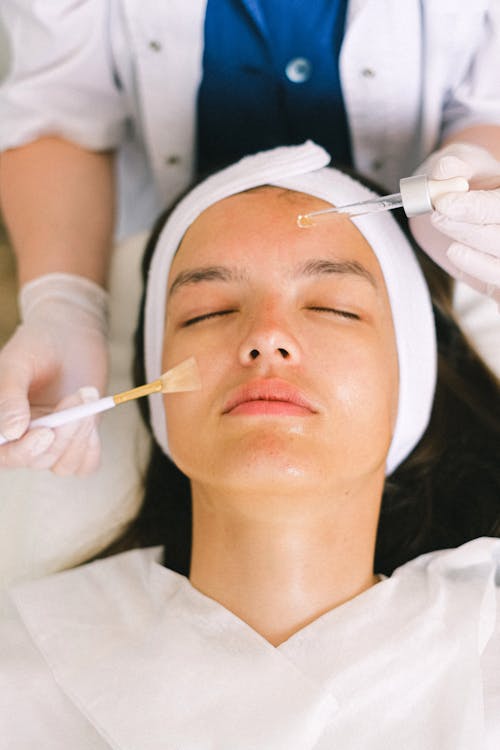
Pulsed dye laser (PDL) and intense pulsed light (IPL) treatments effectively reduce persistent redness and visible blood vessels that do not respond to topical therapy. These treatments selectively target hemoglobin in dilated vessels, causing them to collapse and be reabsorbed by the body.
Most patients require two to four sessions spaced four to six weeks apart, with maintenance treatments every six to twelve months. Side effects include temporary redness and mild swelling lasting one to three days. PDL and IPL do not cure rosacea but can significantly reduce baseline redness and improve skin appearance.
For rhinophyma, ablative laser resurfacing or surgical debulking may be necessary to reshape thickened tissue.
Lifestyle Management Strategies
Beyond trigger avoidance and medical treatment, several lifestyle strategies support rosacea management. Stress management through regular exercise (at moderate intensity to avoid heat-triggered flares), meditation, or other relaxation techniques addresses one of the most commonly reported triggers.
When exercising, keep cool with fans, cool towels, hydration with cold water, and exercising in air-conditioned environments. Splitting longer sessions into shorter intervals with cooling breaks reduces heat buildup.
Green-tinted color-correcting primers or foundations can neutralize redness on days when it is bothersome. Many cosmetic companies now offer lines specifically formulated for sensitive and rosacea-prone skin.
For ocular rosacea, warm compresses applied to closed eyelids for five to ten minutes daily, followed by gentle lid massage and cleaning with diluted baby shampoo or commercial lid wipes, help manage symptoms. Artificial tears throughout the day address dryness and irritation.
When to See a Dermatologist
See a dermatologist if you have persistent facial redness that does not resolve, recurrent acne-like bumps that do not respond to standard acne treatments, visible blood vessels on your face, skin thickening on your nose, or eye symptoms including chronic redness, burning, or grittiness.
Early treatment prevents progression. Rosacea that is managed early tends to remain mild, while untreated rosacea can advance through increasingly severe stages. A dermatologist can confirm the diagnosis, rule out other conditions that mimic rosacea (lupus, contact dermatitis, seborrheic dermatitis), and develop a treatment plan tailored to your specific subtype and severity.
Rosacea may be chronic, but it does not have to control your life or your confidence. With the right combination of gentle skincare, trigger management, and medical treatment, most people achieve significant improvement in both their skin's appearance and their daily comfort.
Sources and Further Reading
Health and Beyond uses reputable medical and scientific sources where possible. These links support or expand on the topics discussed above.