Atopic dermatitis, commonly known as eczema, affects approximately 31 million Americans and is one of the most common chronic skin conditions worldwide. Characterized by itchy, inflamed, dry skin that cycles between flares and periods of relative calm, eczema profoundly impacts quality of life, sleep quality, and psychological wellbeing. The relentless itch-scratch cycle, the visible skin changes, and the unpredictability of flares create a burden that extends far beyond the physical symptoms.
While there is currently no cure for eczema, the understanding of its underlying mechanisms has advanced dramatically, leading to more effective management strategies and treatments than ever before. Modern eczema management focuses on repairing and maintaining the skin barrier, identifying and avoiding individual triggers, controlling inflammation during flares, and breaking the itch-scratch cycle that perpetuates skin damage.
Understanding the Eczema Skin Barrier
The key to understanding eczema management is understanding the skin barrier dysfunction that defines the condition. Healthy skin maintains a physical barrier through tightly organized layers of skin cells, called corneocytes, cemented together by a lipid matrix composed primarily of ceramides, cholesterol, and fatty acids. This barrier functions like a brick wall: the corneocytes are the bricks and the lipid matrix is the mortar.
In eczema, this barrier is fundamentally compromised. Many individuals with eczema carry mutations in the filaggrin gene, which codes for a protein essential for proper barrier formation. Even without filaggrin mutations, the eczema skin barrier produces fewer ceramides and natural moisturizing factors, resulting in increased water loss through the skin and easier penetration of allergens, irritants, and microbes.
This barrier dysfunction explains why moisturizing is not merely symptomatic treatment but addresses the underlying pathology. It also explains why eczema-prone skin reacts to environmental factors that healthy skin handles without issue: the compromised barrier allows substances to penetrate that would normally be kept out.
The Foundation: Moisturizing Strategy
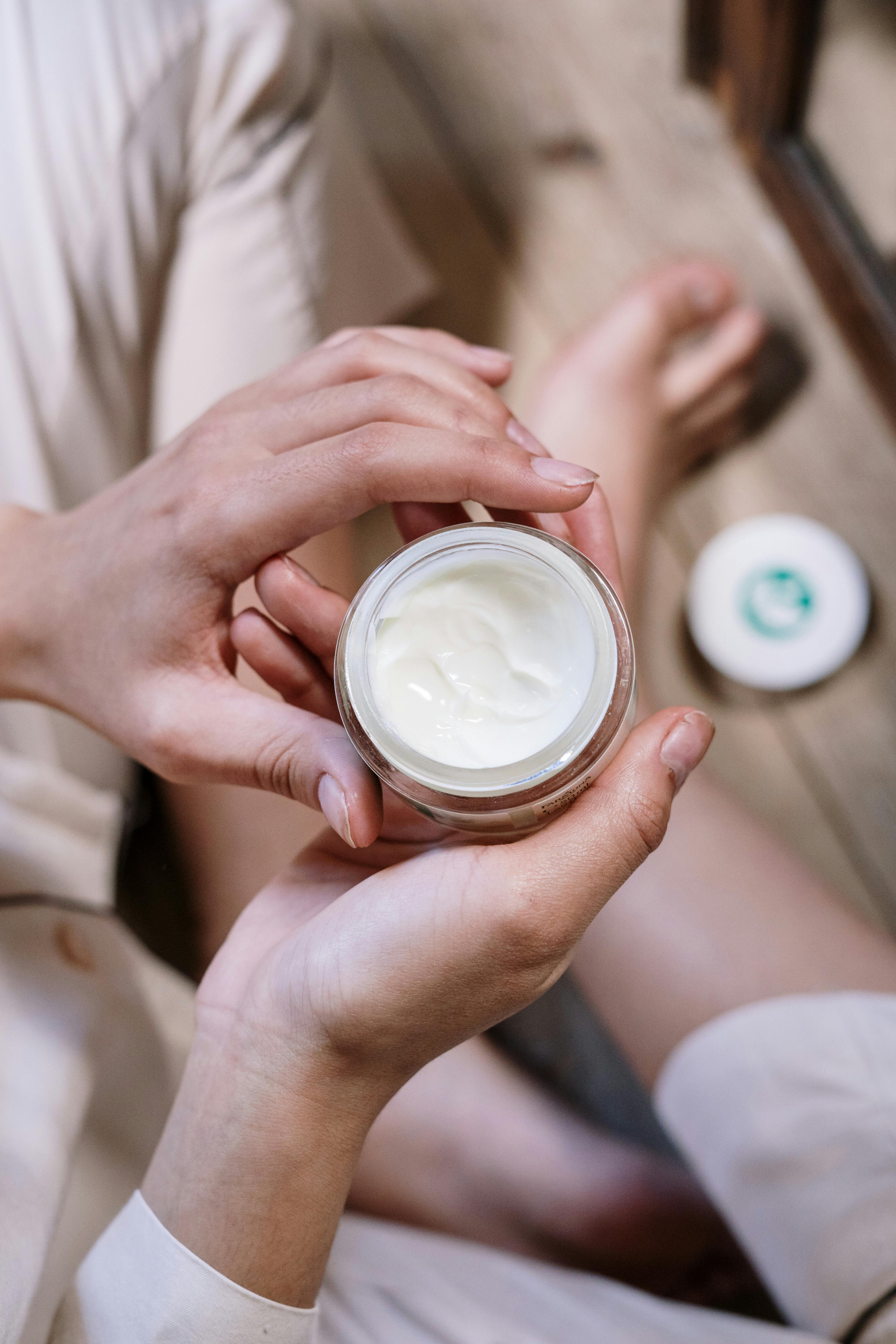
According to the National Eczema Association, consistent moisturizing is the single most important daily management strategy for eczema. Effective moisturizing reduces water loss, repairs barrier function, decreases the frequency and severity of flares, and reduces the need for topical medications.
Choosing the Right Moisturizer
Not all moisturizers are created equal for eczema-prone skin. Ointments, which have the highest oil-to-water ratio, provide the most effective barrier protection and are ideal for very dry skin and severe eczema. Petroleum jelly is the most effective occulsive moisturizer available and is inexpensive, fragrance-free, and well-tolerated by most eczema patients. Creams, with a balanced oil-and-water formulation, are effective for moderate eczema and more cosmetically acceptable for daytime use. Lotions, which have the highest water content, provide the least barrier protection and may actually worsen dryness as the water evaporates.
Look for moisturizers containing ceramides, which directly replace the lipid components deficient in eczema skin. Products bearing the National Eczema Association Seal of Acceptance have been evaluated for suitability for eczema-prone skin. Avoid products containing fragrance, dyes, and common irritants including lanolin and propylene glycol.
Moisturizing Technique
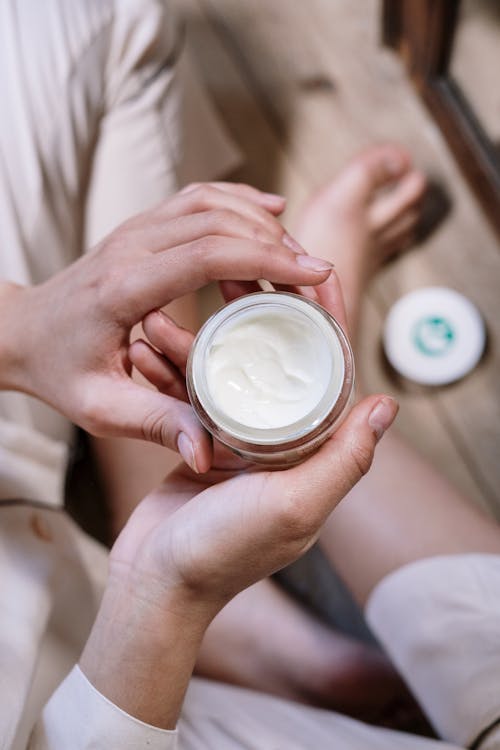
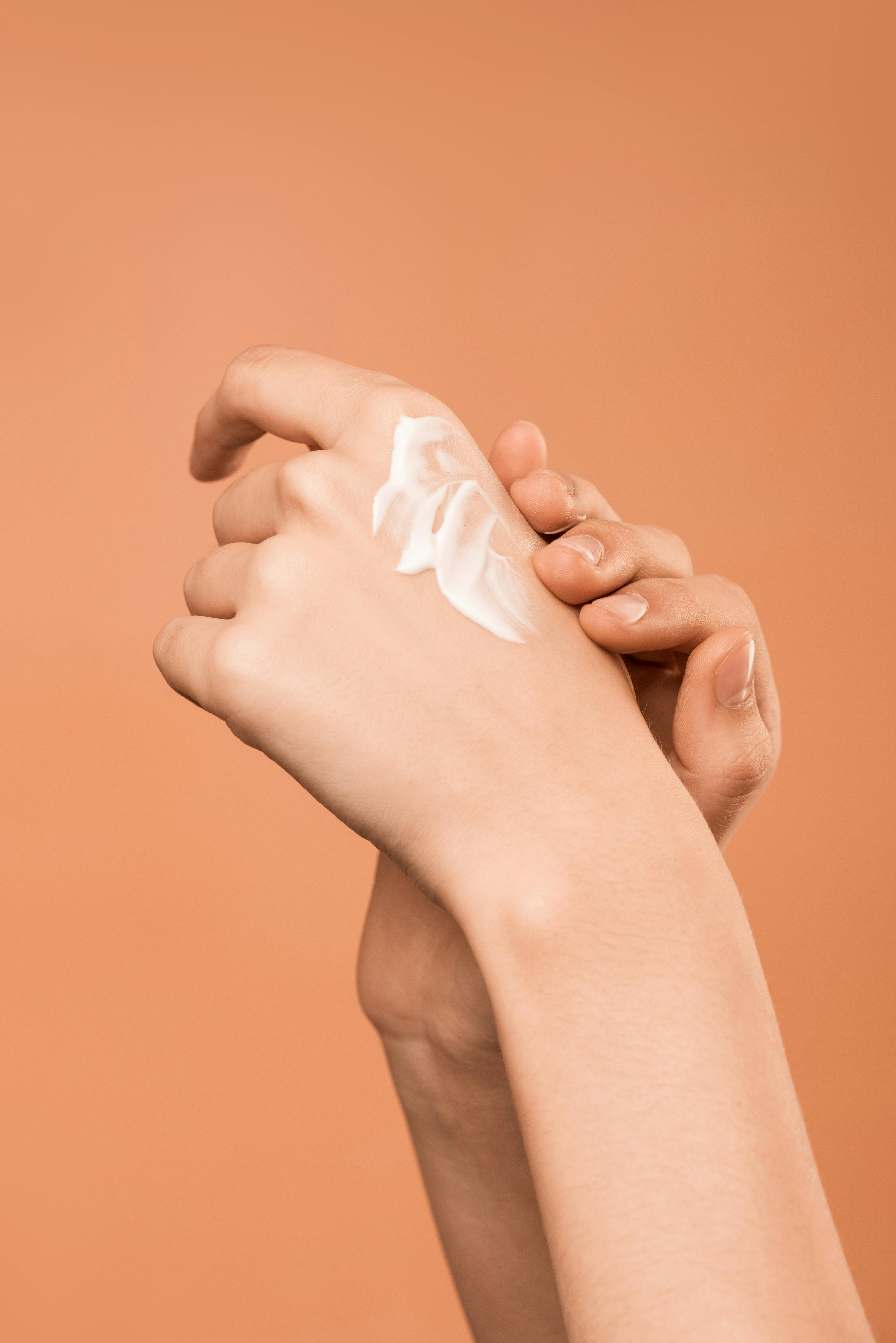
Apply moisturizer within three minutes of bathing while the skin is still slightly damp. This soak-and-seal technique traps water absorbed during bathing under the moisturizer layer, maximizing hydration. Apply generously in a downward stroking motion following the direction of hair growth to avoid follicular irritation.
Moisturize at least twice daily, and more frequently on hands, face, and other areas prone to drying. Reapply after handwashing, which is particularly relevant for hand eczema. Keep moisturizer accessible at every sink, by the bedside, at the office desk, and in bags and pockets to remove barriers to consistent application.
Bathing Practices
Bathing practices significantly affect eczema skin. Take lukewarm baths or showers lasting 10 to 15 minutes. Hot water strips natural oils and worsens barrier dysfunction. Use gentle, fragrance-free, soap-free cleansers only on areas that truly need cleaning: armpits, groin, hands, feet, and face. Over-cleansing healthy skin disrupts the microbiome and lipid barrier.
Adding colloidal oatmeal to bath water provides anti-inflammatory and barrier-supporting benefits. Bleach baths, using one-quarter to one-half cup of regular household bleach in a full bathtub, two to three times per week, reduce Staphylococcus aureus colonization on eczema skin, which is a significant trigger for flares. This concentration produces a solution similar to swimming pool water and is well-tolerated by most patients when approved by their dermatologist.
Identifying and Avoiding Triggers
Eczema flares are often precipitated by identifiable triggers that vary between individuals. Systematic identification and avoidance of your personal triggers can dramatically reduce flare frequency. Common categories include environmental irritants, allergens, climate factors, stress, and infections.
Contact irritants including fragranced products, harsh soaps, detergents, wool and synthetic fabrics, sweat, and certain metals are among the most common triggers. Switch to fragrance-free laundry detergent, use a double-rinse cycle, wear soft cotton or bamboo clothing against the skin, and remove sweaty clothing promptly after exercise.
Environmental allergens including dust mites, pet dander, pollen, and mold can trigger eczema in sensitized individuals. Dust mite encasings for mattresses and pillows, regular vacuuming with HEPA filtration, maintaining low indoor humidity, and keeping pets out of bedrooms reduce exposure.
Climate factors significantly influence eczema. Cold, dry winter air reduces ambient humidity and increases transepidermal water loss. Heating systems further dry indoor air. Using a humidifier to maintain indoor humidity between 40 and 50 percent during winter months supports skin hydration. Conversely, heat and sweating can trigger flares in many patients, requiring attention to temperature regulation during warmer months.
Stress is a well-documented eczema trigger that operates through neuroimmune pathways, with the stress hormone cortisol promoting inflammatory responses in skin. According to the American Academy of Dermatology, stress management is an important component of comprehensive eczema care.
Medical Treatment Options
Topical Corticosteroids
Topical corticosteroids remain the first-line medical treatment for eczema flares. They work by suppressing the inflammatory immune response in the skin, reducing redness, swelling, itching, and discomfort. Available in a range of potencies from mild over-the-counter hydrocortisone to potent prescription formulations, the appropriate strength depends on the location, severity, and duration of the flare.
Common concerns about topical steroids, including skin thinning, are valid for prolonged use of potent formulations but are rarely problematic with appropriate use under medical guidance. The proactive approach of applying a low-potency steroid to previously affected areas two to three times weekly between flares has been shown to reduce flare frequency and overall steroid exposure compared to reactive treatment of full-blown flares.
Topical Calcineurin Inhibitors
Tacrolimus ointment and pimecrolimus cream are non-steroidal anti-inflammatory agents that suppress immune activation in the skin without the skin-thinning risk of corticosteroids. They are particularly useful for sensitive areas including the face, eyelids, and skin folds where prolonged steroid use is concerning. These medications can cause temporary burning or stinging upon initial application, which typically resolves with continued use.
Systemic Treatments for Severe Eczema
For moderate to severe eczema that does not respond adequately to topical treatments, systemic medications may be necessary. Dupilumab, a biologic injection targeting the IL-4 and IL-13 cytokine pathway central to atopic inflammation, has transformed the treatment of moderate to severe eczema. Clinical trials demonstrated significant improvements in eczema severity, itch reduction, and quality of life. JAK inhibitors including abrocitinib and upadacitinib are newer oral options that target specific inflammatory signaling pathways with rapid onset of action.
These advanced treatments are typically managed by dermatologists and require monitoring for potential side effects, but they represent a genuine revolution in care for patients whose eczema was previously poorly controlled.
Breaking the Itch-Scratch Cycle
The itch of eczema is uniquely intense and drives a scratch response that damages the already compromised skin barrier, triggers further inflammation, and creates more itching in a self-perpetuating cycle. Breaking this cycle is essential for healing and flare prevention.
Keep fingernails short and smooth to minimize skin damage from scratching. Wear cotton gloves at night if nocturnal scratching is a problem. Apply cold compresses to intensely itchy areas for immediate but temporary relief. Wet wrap therapy, where damp clothing or bandages are applied over moisturizer and topped with a dry layer, provides dramatic relief during severe flares by cooling the skin, locking in moisture, and creating a physical barrier against scratching.
Oral antihistamines, particularly sedating types like hydroxyzine taken at bedtime, can reduce nighttime scratching by promoting sleep, though they may not significantly reduce the itch of eczema itself, which is mediated by non-histamine pathways.
Psychological Impact and Support
The psychological burden of eczema is substantial and frequently underestimated. Studies document significantly higher rates of depression, anxiety, and reduced quality of life in eczema patients compared to the general population. The visible nature of the condition, sleep disruption from itching, pain during flares, and the unpredictability of the disease course all contribute to psychological distress.
Children with eczema may experience bullying, social withdrawal, and reduced self-esteem. Adults may avoid social situations, intimate relationships, and activities that expose affected skin. Addressing the psychological dimension of eczema through counseling, stress management, and peer support is an important component of comprehensive care.
If eczema is significantly affecting your mental health, quality of life, or daily functioning, communicate this to your dermatologist. Treatment escalation and psychological support resources are available and can make a meaningful difference.
Building Your Eczema Management Plan
Effective eczema management integrates daily barrier care through consistent moisturizing, trigger identification and avoidance, appropriate medical treatment for flares, and attention to the psychological impact of the condition. Work with your dermatologist to develop a written action plan that specifies daily maintenance routines, flare treatment protocols, and criteria for when to seek additional help.
Eczema is a marathon, not a sprint. The goal is not perfection but consistent management that reduces flare frequency, minimizes flare severity, and maintains the best possible quality of life between episodes. With modern understanding and treatment options, this goal is achievable for the vast majority of patients.
Sources and Further Reading
Health and Beyond uses reputable medical and scientific sources where possible. These links support or expand on the topics discussed above.
- National Eczema Associationnationaleczema.org
- American Academy of Dermatologyaad.org