Run your hand along the back of your upper arm and you might feel it—a sandpaper-like texture created by dozens of small, rough bumps that have been there for as long as you can remember. You have tried scrubbing them away, moisturizing them into submission, and Googling "bumps on arms" enough times to know that what you have is keratosis pilaris. What you probably have not found is a clear explanation of why your skin does this and what actually makes it better.
Keratosis pilaris—commonly abbreviated as KP and sometimes called "chicken skin"—is one of the most prevalent skin conditions in existence. It affects an estimated 50 to 80 percent of adolescents and approximately 40 percent of adults. Despite its extraordinary prevalence, it receives minimal attention in mainstream skincare conversations, leaving millions of people frustrated by a condition that is cosmetically bothersome but medically harmless.
KP is not caused by poor hygiene, is not contagious, and is not dangerous. It is, however, persistent, sometimes stubborn, and responsive to the right approach once you understand the mechanism behind it.
What Causes Keratosis Pilaris
KP occurs when keratin—the hard protein that protects the skin surface—builds up and forms plugs inside individual hair follicles. These keratin plugs trap the developing hair beneath the skin surface, creating the characteristic small, rough bumps. Each bump is essentially a blocked follicle with a tiny coil of hair trapped inside.
The underlying cause is a genetic variation in how the skin produces and sheds keratin. In normal skin, dead keratinocytes are shed from the surface in a continuous, invisible process called desquamation. In KP-prone skin, this shedding process is disrupted—keratin is overproduced or shed improperly, accumulating around follicular openings instead of dispersing evenly.
KP runs strongly in families and is associated with other conditions characterized by altered keratinization, including eczema (atopic dermatitis), ichthyosis (extremely dry, scaly skin), and asthma. The connection with atopic dermatitis is particularly strong—approximately 50 to 75 percent of people with eczema also have KP.
The condition typically appears in childhood or adolescence, peaks during the teenage years, and often improves naturally with age. Many adults notice their KP becomes less prominent in their 30s and 40s, though it may never disappear entirely.
Where KP Appears
The most common location is the back and outer surface of the upper arms—the area that gives KP its "chicken skin" nickname. The front and outer thighs are the second most common site. The cheeks (particularly in children), buttocks, and occasionally the forearms and lower legs can also be affected.
KP on the cheeks tends to be more inflammatory and red in children, sometimes being mistaken for acne or rosacea. It typically improves by early adulthood.
The distribution is almost always bilateral and symmetric—both arms, both thighs—which helps distinguish it from other conditions that might cause similar-looking bumps.
What KP Looks Like
The bumps of keratosis pilaris are small—typically 1 to 2 millimeters—and feel rough or gritty to the touch. In fair skin, they appear flesh-colored or slightly red. In medium skin tones, they may look brown or reddish-brown. In dark skin, they often appear darker than the surrounding skin, creating a speckled or dotted appearance.
The surrounding skin between bumps is often dry and may be mildly irritated or pink. Some people experience mild itching, particularly in cold, dry weather when skin moisture drops.
A specific variant called keratosis pilaris rubra involves more prominent redness and inflammation around each bump. Another variant, keratosis pilaris atrophicans, can leave small, depressed scars when bumps resolve—this is less common and more often occurs on the face.
KP does not produce the pus-filled lesions seen in acne, does not form blackheads or whiteheads, and does not cause deep, painful nodules. If your bumps are inflamed, painful, or producing discharge, the cause is likely something other than KP and warrants dermatological evaluation.
Why Standard Approaches Often Fail
Many people approach KP with the same strategy they would use for rough skin anywhere: aggressive physical exfoliation. Scrubbing with loofahs, body brushes, and grainy exfoliating products feels productive—the skin is temporarily smoother after a vigorous scrub—but physical exfoliation does not address the keratin plug inside the follicle. Worse, aggressive scrubbing causes micro-inflammation that can worsen redness and trigger post-inflammatory hyperpigmentation in darker skin tones.
Similarly, rich body lotions provide surface moisturization but do not dissolve the keratin plugs responsible for the bumps. Moisturizing is an important part of KP management, but moisturizing alone without exfoliation typically produces minimal improvement in texture.
The most effective approach combines chemical exfoliation (to dissolve keratin plugs from within) with barrier-supporting moisturization (to prevent the dryness that worsens KP). This two-pronged strategy addresses both the cause and the contributing environmental factors.
Evidence-Based Treatment
Chemical Exfoliants
Chemical exfoliants are the cornerstone of KP treatment because they dissolve keratin and loosen the plugs blocking follicles without the irritation of physical scrubbing.
Lactic acid is one of the most effective and well-tolerated options. As an alpha hydroxy acid (AHA), it dissolves the bonds between dead keratinocytes, promotes normal desquamation, and acts as a humectant—drawing moisture into the skin. Body lotions containing 10 to 12 percent lactic acid (such as AmLactin) have been specifically studied for KP and shown to significantly improve both bumpiness and roughness within four to eight weeks of daily use.
Glycolic acid, the smallest AHA molecule, penetrates more deeply than lactic acid and is similarly effective. Body washes or lotions containing 8 to 10 percent glycolic acid provide exfoliation during or after cleansing. Some people find glycolic acid more irritating than lactic acid, particularly on dry or sensitive skin.
Salicylic acid (a beta hydroxy acid or BHA) is oil-soluble, allowing it to penetrate into the follicle itself—directly targeting the keratin plug. Body washes and treatments containing 2 percent salicylic acid are readily available over the counter. Salicylic acid also has anti-inflammatory properties that can reduce the redness associated with keratosis pilaris rubra.
Urea at 10 to 40 percent concentration is a keratolytic agent that breaks down keratin protein directly. Urea-based creams (such as Eucerin Roughness Relief or CeraVe SA Cream, which combines urea with salicylic acid) are particularly effective for stubborn KP. Higher concentrations (20 to 40 percent) are more potent but can sting on irritated skin—start with 10 percent and increase as tolerated.
Moisturization
After chemical exfoliation dissolves the keratin plugs, proper moisturization prevents the dryness and barrier disruption that drive new plug formation. The ideal KP moisturizer serves double duty: it provides occlusive and humectant hydration while delivering the chemical exfoliant in a single product.
Ceramide-containing moisturizers are particularly beneficial for KP because the condition frequently coexists with atopic dermatitis and impaired barrier function. Replenishing the lipid matrix strengthens the barrier and reduces the transepidermal water loss that exacerbates keratinization abnormalities.
Apply moisturizer immediately after bathing while skin is still damp. Pat dry gently rather than rubbing, and apply the treatment product within 60 seconds to lock in moisture.
Topical Retinoids
Tretinoin cream (0.025 to 0.05 percent) prescribed by a dermatologist can improve KP by normalizing keratinocyte differentiation and promoting proper desquamation. Over-the-counter retinol body products provide a milder version of this effect. Retinoids are particularly useful for KP on the face where the condition overlaps with concerns about texture and skin quality.
Retinoids cause photosensitivity and should be used with sunscreen on exposed areas. They also cause dryness during the adjustment period, which can temporarily worsen KP before improving it.
Professional Treatments
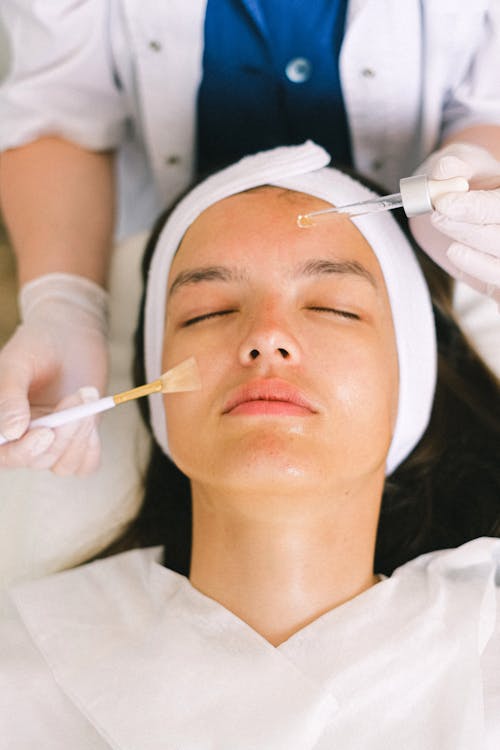
For KP that does not respond adequately to over-the-counter approaches, dermatologists can offer additional options. Chemical peels with glycolic acid at professional concentrations (30 to 70 percent) provide more intensive exfoliation than home products. Microdermabrasion gently abrades the surface to remove keratin plugs, though results are temporary without ongoing home maintenance.
Laser treatments—particularly pulsed dye laser for the redness component and fractional lasers for texture—have shown benefit in small studies. These treatments address the cosmetic aspects of KP (redness, discoloration) rather than the keratin plugs themselves, and they are typically reserved for cases where redness or hyperpigmentation is the primary concern.
The Daily KP Routine
In the shower: Use a gentle, fragrance-free body wash or a salicylic acid (2 percent) body wash on affected areas. Water temperature should be lukewarm—hot water strips skin oils and worsens dryness. Limit shower time to 10 minutes. Do not use physical scrubs, loofahs, or exfoliating gloves on KP-affected areas.
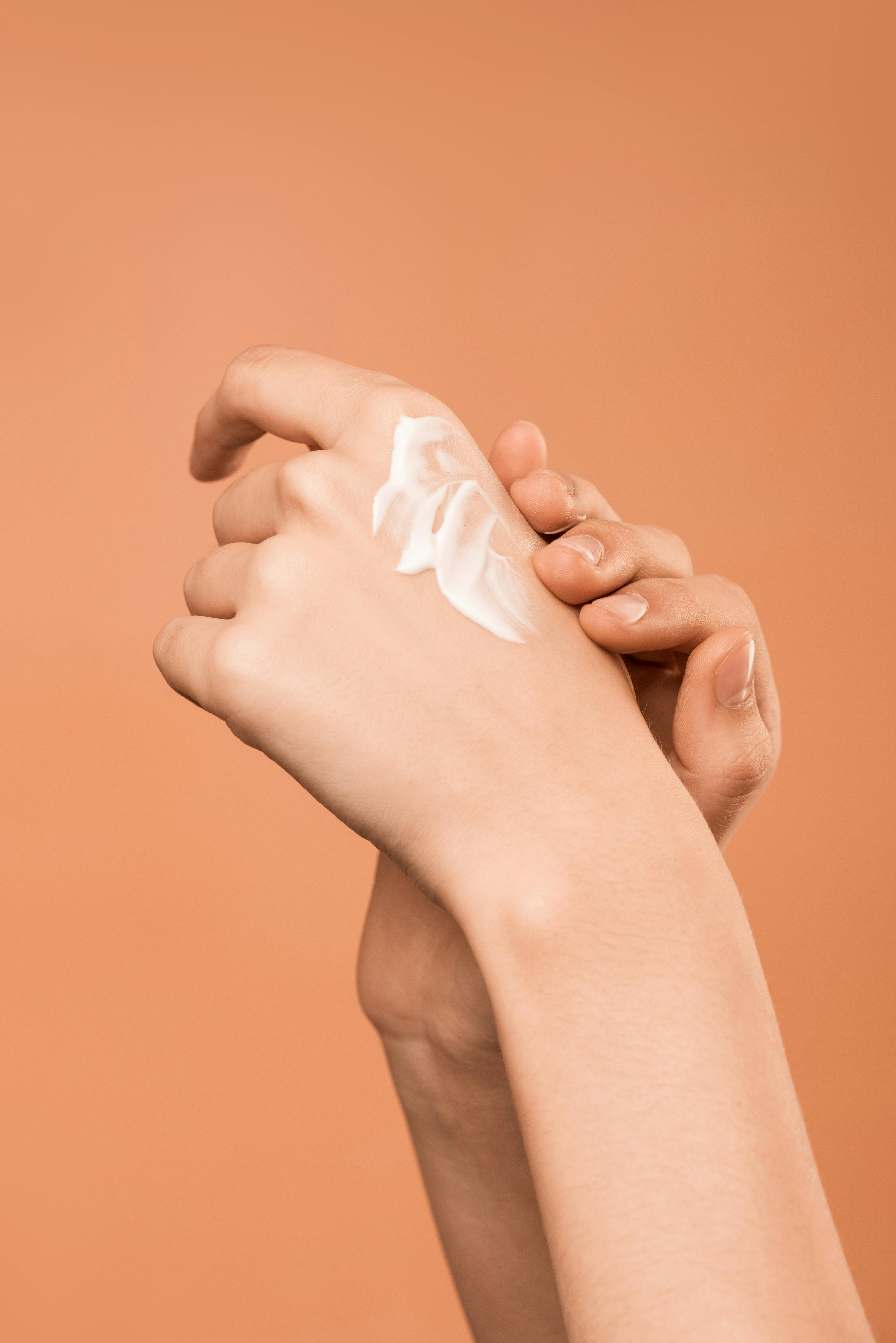
After the shower: Pat skin damp (not bone dry) and immediately apply your treatment moisturizer—a lactic acid, glycolic acid, or urea-based cream. Apply generously to all affected areas.
At night (optional for stubborn cases): Apply a retinoid product to affected areas on alternating nights, followed by your barrier-supporting moisturizer.
Weekly: If desired, use a gentle chemical exfoliant treatment (such as a higher-concentration AHA body peel pad) once per week on affected areas. Skip this on nights when you use retinoids.
Environmental Factors That Help
Humidity improves KP for almost everyone, which is why the condition often looks better in summer and worse in winter. Running a humidifier in your bedroom during dry months maintains ambient moisture that supports skin hydration.
Gentle fabrics reduce friction and irritation on affected areas. Rough wool or synthetic fabrics rubbing against KP-prone skin can worsen inflammation and redness.
Avoiding very hot showers, harsh soaps, and long baths prevents the stripping of natural oils that exacerbates the dryness driving keratin overproduction.
Setting Realistic Expectations
KP is a genetic condition. No treatment will permanently cure it, and any improvement requires ongoing maintenance. Stop the exfoliating moisturizer and the bumps return within weeks. This is not a failure of treatment—it is the nature of the condition.
The goal is management to a level where the texture and appearance no longer bother you. For many people, consistent use of a lactic acid or urea-based body lotion achieves that goal within four to eight weeks. For others, combination therapy with multiple exfoliants or prescription retinoids is needed. And for some, particularly during winter months, KP remains a mild cosmetic annoyance that they manage rather than eliminate.
The condition does tend to improve with age. If you are currently in your teens or twenties, there is a reasonable chance your KP will be less prominent in your thirties and forties. In the meantime, a consistent chemical exfoliation and moisturization routine gives you the best chance of smooth, comfortable skin while your biology catches up.
Sources and Further Reading
Health and Beyond uses reputable medical and scientific sources where possible. These links support or expand on the topics discussed above.
- National Cancer Institute: Skin Cancercancer.gov
- MedlinePlus: Skin Conditionsmedlineplus.gov