Yoga and mindfulness have moved far beyond their roots as niche spiritual practices. Today, they rank among the most evidence-backed interventions for stress, chronic pain, anxiety, cardiovascular health, and overall well-being. Over 36 million Americans practice yoga regularly, and mindfulness meditation has been integrated into clinical settings at major medical centers worldwide.
What makes these practices remarkable is their accessibility. You do not need expensive equipment, exceptional flexibility, or hours of free time. A yoga mat, a quiet corner, and 15 to 20 minutes can deliver measurable improvements in both physical and mental health. The barrier to entry is low, but the potential benefits accumulate powerfully over months and years of consistent practice.
This guide is designed for complete beginners who want to understand what yoga and mindfulness actually involve, what the science supports, and how to build a sustainable practice from scratch.
The Science Behind Yoga
Yoga is not simply stretching. It is a systematic practice combining physical postures (asanas), controlled breathing (pranayama), and focused attention that produces documented changes in your nervous system, hormonal balance, and brain structure.
The most significant physiological effect of yoga is its impact on the autonomic nervous system. Modern life keeps most people in a state of chronic sympathetic nervous system activation, the fight-or-flight response. Elevated cortisol, increased heart rate, shallow breathing, and muscle tension become baseline rather than occasional responses. Yoga systematically activates the parasympathetic nervous system, your rest-and-digest mode, reducing cortisol levels, slowing heart rate, deepening breathing, and releasing muscular tension.
A 2017 meta-analysis published in Psychoneuroendocrinology examined 42 studies and found that yoga significantly reduced cortisol levels, blood pressure, resting heart rate, and inflammatory markers including C-reactive protein and interleukin-6. These are not minor changes. Chronic elevation of these markers drives heart disease, diabetes, autoimmune conditions, and accelerated aging.
Yoga also changes your brain. Neuroimaging studies show that regular yoga practitioners have greater cortical thickness in brain regions associated with body awareness, attention, and emotional regulation. A Harvard study found that eight weeks of yoga practice increased gray matter density in the hippocampus, a brain region critical for learning, memory, and emotional processing that typically shrinks with chronic stress.
For chronic pain, yoga has demonstrated benefits comparable to physical therapy. A randomized controlled trial published in the Annals of Internal Medicine found that yoga was as effective as conventional physical therapy for chronic low back pain, with benefits sustained at one year follow-up. Similar results have been observed for neck pain, osteoarthritis, and fibromyalgia.
Types of Yoga: Finding Your Style
The word "yoga" encompasses dozens of distinct styles ranging from gentle and meditative to intensely athletic. Choosing the right style for your goals, fitness level, and temperament dramatically affects whether you stick with the practice.
Hatha yoga is the broadest category and often the best starting point for beginners. Hatha classes focus on basic postures held for several breaths, with emphasis on proper alignment and breathing. The pace is moderate, allowing time to understand each pose before moving to the next. Most community center and gym yoga classes fall under the Hatha umbrella.
Vinyasa yoga links postures together in flowing sequences synchronized with breath. You move continuously from one pose to the next, creating a more cardiovascular workout than Hatha. Vinyasa builds heat, increases heart rate, and develops both strength and flexibility. It suits people who prefer movement over stillness and enjoy variety, as sequences change from class to class.
Yin yoga targets deep connective tissues, ligaments, and fascia through long-held passive stretches. Poses are held for three to five minutes, sometimes longer, allowing gravity to gradually open the body. Yin yoga is meditative, slow, and surprisingly challenging. It complements more active practices beautifully and is particularly beneficial for joint health, flexibility, and stress relief.
Restorative yoga uses props like bolsters, blankets, and blocks to support the body in completely passive poses held for five to twenty minutes. The goal is total relaxation, not stretching. Restorative yoga is the most accessible style for people recovering from injury, managing chronic illness, or dealing with high stress levels. One class can feel like a full-body reset.
Power yoga and Ashtanga yoga are more demanding, athletic styles that build significant strength and endurance. These are better suited for people with some yoga experience or a strong fitness base. The intensity rivals traditional strength training and cardiovascular exercise.
For beginners, start with Hatha or gentle Vinyasa. As your body awareness and strength develop over weeks and months, explore other styles to find what resonates with you.
Essential Yoga Poses for Beginners
You do not need to master dozens of poses to build an effective practice. The following foundational postures work together to build strength, flexibility, balance, and body awareness.
Mountain Pose (Tadasana) appears simple but teaches the alignment principles that underpin every other pose. Stand with feet hip-width apart, weight evenly distributed. Engage your thighs, lengthen your spine, roll your shoulders back and down, and reach the crown of your head toward the ceiling. Breathe deeply and hold for five to ten breaths. This pose improves posture, body awareness, and grounding.
Downward-Facing Dog (Adho Mukha Svanasana) is the most recognized yoga pose and one of the most beneficial. From hands and knees, tuck your toes and lift your hips high, forming an inverted V-shape. Press your palms firmly into the mat, relax your head between your arms, and pedal your feet gently to stretch your calves and hamstrings. This pose strengthens your arms and shoulders, stretches your entire posterior chain, and reverses the effects of prolonged sitting.
Warrior II (Virabhadrasana II) builds lower body strength and hip flexibility while developing focus and stamina. Step your feet wide apart, turn your front foot forward and your back foot perpendicular. Bend your front knee over your ankle, extend your arms parallel to the floor, and gaze over your front fingertips. Hold for five breaths on each side. This pose strengthens your quadriceps, opens your hips, and builds mental endurance.
Tree Pose (Vrksasana) develops balance and concentration. Stand on one leg and place the sole of your other foot against your inner thigh or calf, never against your knee. Bring your palms together at heart center or extend your arms overhead. Balance challenges your stabilizer muscles and demand present-moment attention, making this pose a bridge between physical and mental practice.
Child's Pose (Balasana) is your rest position. Kneel on the floor, sit back on your heels, and fold forward with your arms extended or alongside your body. This pose gently stretches your lower back, hips, and thighs while calming the nervous system. Use it whenever you need a break during practice.
Cat-Cow (Marjaryasana-Bitilasana) warms up the spine through gentle flexion and extension. On hands and knees, inhale as you drop your belly and lift your gaze (cow), then exhale as you round your spine and tuck your chin (cat). Repeat for ten cycles. This movement lubricates spinal joints, releases back tension, and coordinates breath with movement.
Understanding Mindfulness Meditation
Mindfulness is the practice of paying deliberate, non-judgmental attention to the present moment. It sounds simple because the concept is simple. The practice, however, reveals just how rarely your mind actually occupies the present.
Research using experience-sampling methods found that people spend approximately 47 percent of their waking hours thinking about something other than what they are currently doing. This mental wandering correlates strongly with unhappiness, anxiety, and stress. Mindfulness training reverses this pattern by strengthening your capacity to anchor attention in the here and now.
The neuroscience behind mindfulness is compelling. An eight-week mindfulness-based stress reduction (MBSR) program at Massachusetts General Hospital produced measurable increases in gray matter density in brain regions associated with learning, memory, self-awareness, compassion, and introspection. Simultaneously, gray matter density decreased in the amygdala, the brain's fear center, correlating with participants' reported reductions in stress.
Mindfulness does not require you to empty your mind or stop thinking. That is a common misconception that discourages many beginners. The practice involves noticing when your mind has wandered and gently returning your attention to your chosen focus point, typically the breath. Every time you notice distraction and redirect attention, you strengthen your brain's attention networks, much like performing a bicep curl strengthens your arm.
How to Start Meditating
Begin with guided meditations. Trying to meditate without guidance as a beginner is like trying to learn guitar without any instruction. Apps like Insight Timer offer thousands of free guided sessions ranging from three minutes to an hour. Start with five-minute sessions and increase duration as your comfort grows.
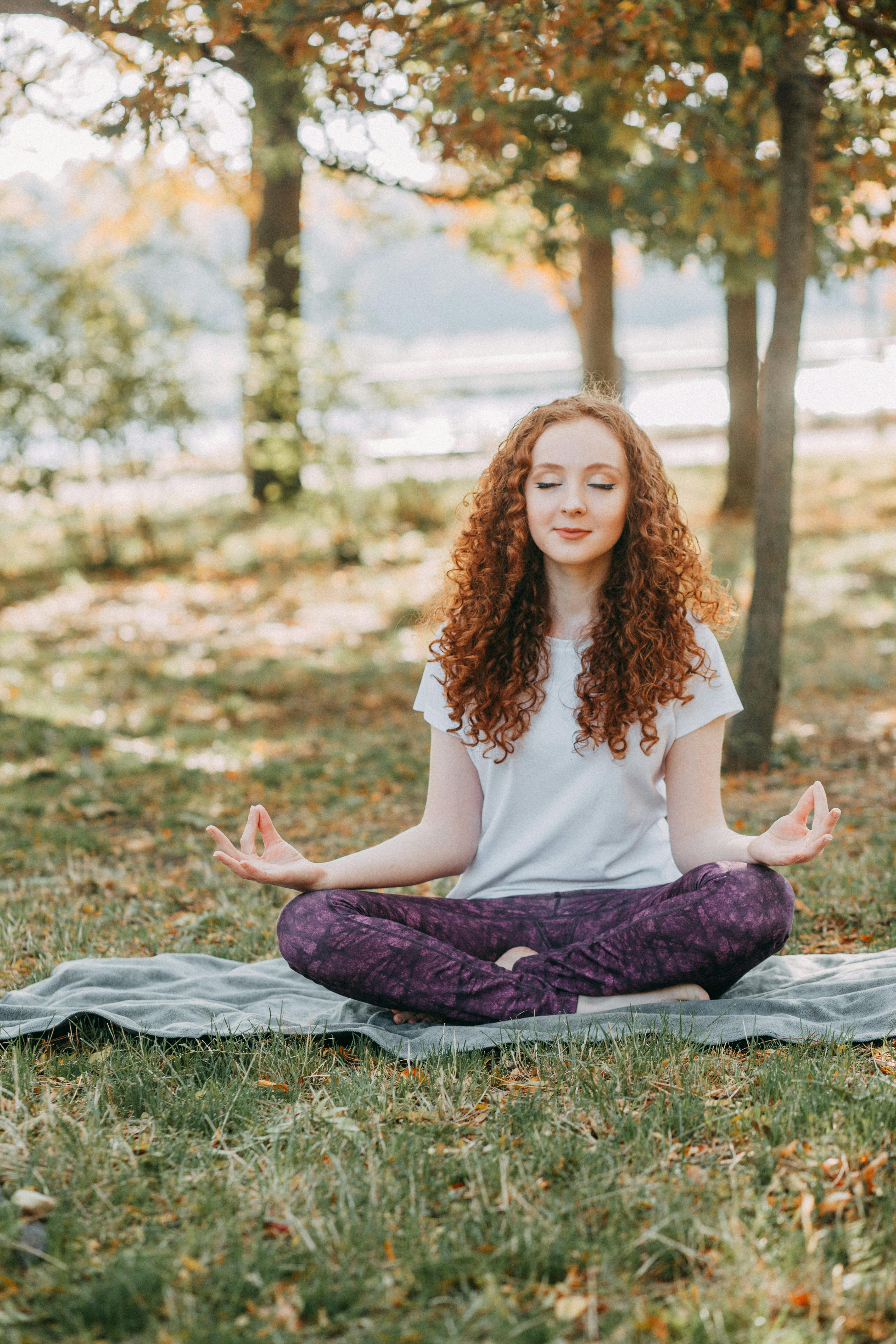
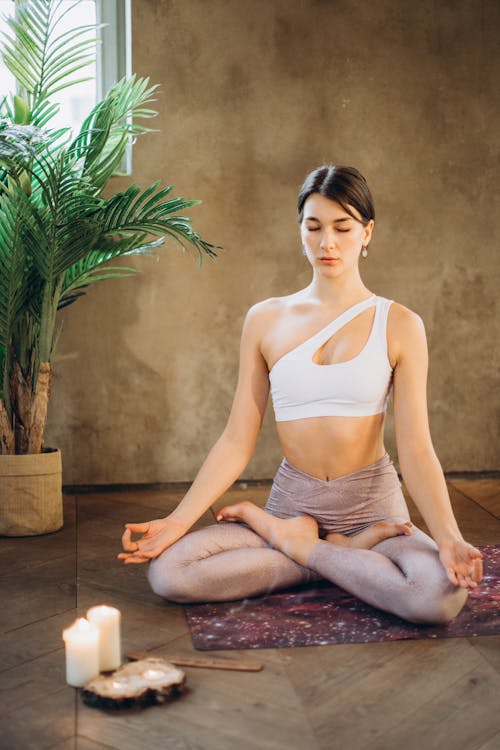
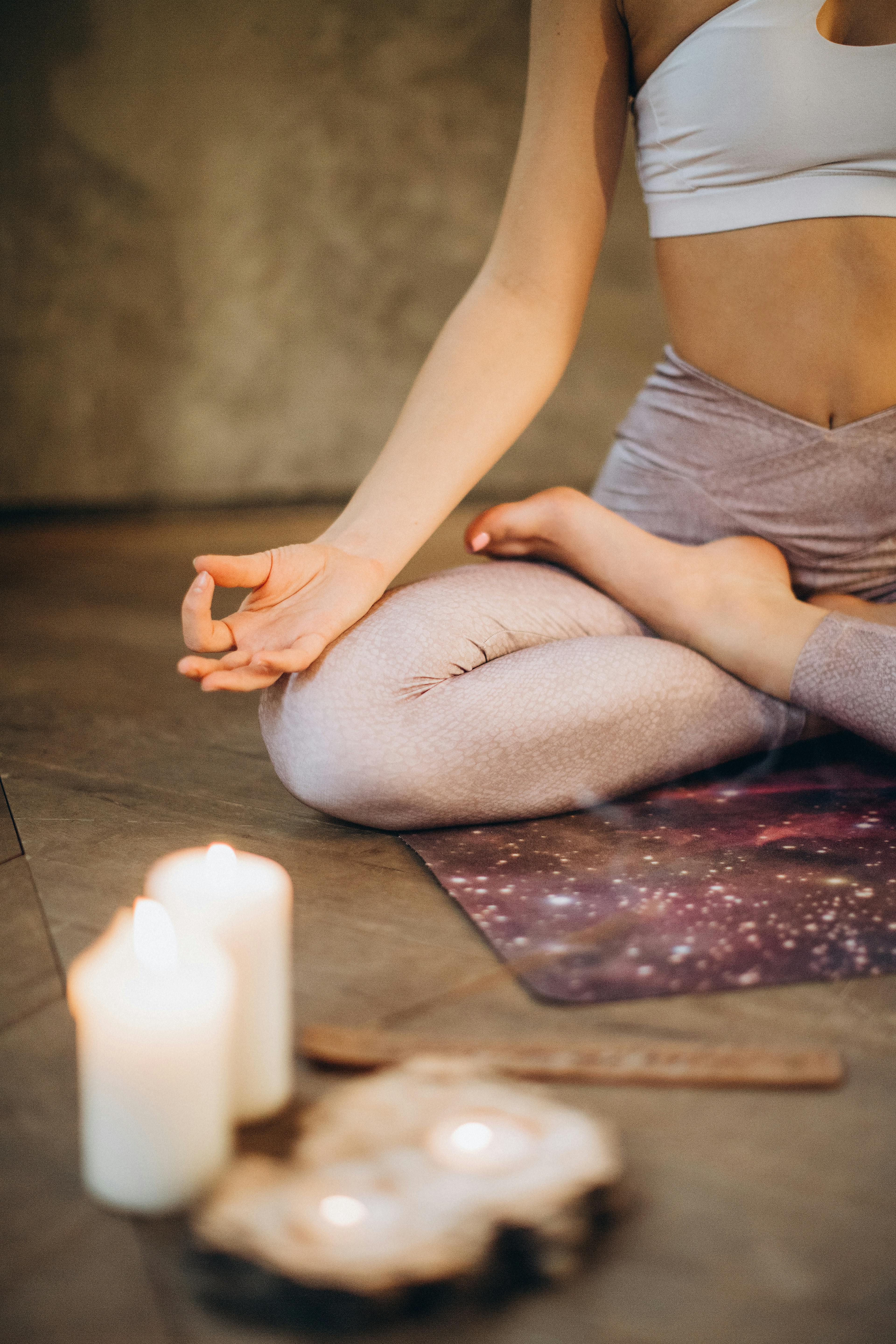
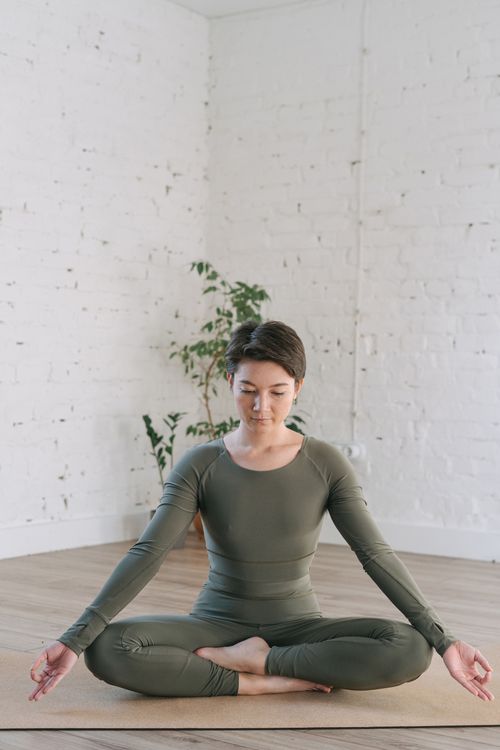
Find a comfortable seated position. You do not need to sit cross-legged on the floor. Sitting in a chair with your feet flat and your spine naturally upright works perfectly. The key is finding a position where you can remain relatively still without pain or excessive fidgeting.
Close your eyes or soften your gaze toward the floor. Begin by taking three deep breaths to signal your nervous system that you are transitioning into a restful state. Then allow your breathing to return to its natural rhythm without trying to control it.
Direct your attention to the physical sensations of breathing. Notice the air entering your nostrils, the rise and fall of your chest or belly, the slight pause between inhale and exhale. When your mind wanders, and it will wander constantly at first, simply notice where it went and gently guide attention back to the breath. No frustration, no judgment. The wandering and returning is the practice.
Breathwork Techniques for Stress Relief
Breathing exercises, or pranayama in yoga tradition, offer immediate stress relief and can be practiced anywhere without drawing attention. They work by directly stimulating the vagus nerve, which activates your parasympathetic nervous system.
Box Breathing is used by Navy SEALs for stress management in high-pressure situations. Inhale for four counts, hold for four counts, exhale for four counts, hold empty for four counts. Repeat for four to eight cycles. This technique quickly reduces heart rate and creates a sense of calm control.
4-7-8 Breathing was popularized by Dr. Andrew Weil and is particularly effective for anxiety and insomnia. Inhale through your nose for four counts, hold for seven counts, exhale slowly through your mouth for eight counts. The extended exhale strongly activates the parasympathetic nervous system. Practice four cycles twice daily.
Alternate Nostril Breathing (Nadi Shodhana) balances the nervous system and calms racing thoughts. Using your right thumb, close your right nostril and inhale through the left. Close the left nostril with your ring finger, release the right nostril, and exhale right. Inhale right, close right, exhale left. This completes one cycle. Practice five to ten cycles. Research shows this technique reduces blood pressure and improves cardiovascular function.
Diaphragmatic Breathing corrects the shallow chest breathing that most people default to under stress. Place one hand on your chest and one on your belly. Breathe so that your belly hand rises while your chest hand stays relatively still. This engages the diaphragm fully, maximizing oxygen exchange and stimulating the vagus nerve. Practice for five minutes daily to retrain your baseline breathing pattern.
Building a Sustainable Daily Practice
The biggest challenge with yoga and mindfulness is not starting. It is continuing. The novelty wears off, motivation fluctuates, and life gets busy. A few strategies dramatically increase the likelihood of maintaining a long-term practice.
Start absurdly small. Commit to five minutes per day rather than an ambitious 60-minute session. Five minutes is short enough that you can always find time, even on your busiest days. Missing a 60-minute session feels like failure and erodes motivation. Completing a five-minute session feels like success and builds positive momentum. You can always do more, but the minimum is five minutes.
Attach your practice to an existing habit. Habit stacking leverages established routines to anchor new behaviors. Practice yoga immediately after brushing your teeth in the morning, or meditate right after your morning coffee. The existing habit serves as a trigger that makes the new practice feel automatic rather than requiring a fresh decision each day.
Create a dedicated space. Even if it is just a corner of your bedroom with a rolled-up yoga mat and a cushion, having a designated practice area removes the friction of setup and serves as a visual reminder. When you see your mat, you think about practice. When practice requires hauling equipment out of a closet, you think about excuses.
Track your practice without judgment. A simple checkmark on a calendar for each day you practice creates a visual chain that motivates consistency. The goal is not perfection. Missing a day does not erase your progress. What matters is the overall trend over weeks and months.
Be patient with results. Physical flexibility improvements typically become noticeable within four to six weeks of regular practice. Stress reduction and emotional regulation benefits often emerge within two to three weeks. Deeper changes in body composition, chronic pain levels, and baseline anxiety may take three to six months. Trust the process and let the results unfold naturally.
Combining Yoga and Mindfulness for Maximum Benefit
Yoga and mindfulness are most powerful when practiced together. Yoga prepares the body for meditation by releasing physical tension, and meditation deepens the mental focus that makes yoga more effective. Together, they address the full spectrum of mind-body health.
A complete daily practice might look like this: five minutes of breathwork to transition from daily activity, 15 to 20 minutes of yoga postures focusing on areas that feel tight or tense, and five to ten minutes of seated meditation. This 25 to 35 minute routine covers physical movement, breathing, and mental training in one session.
On days when time is limited, even a single five-minute meditation or three yoga poses provides genuine benefit. The research is clear that frequency matters more than duration. Daily short practices outperform occasional long ones for both physical and psychological outcomes.
The people who maintain yoga and mindfulness practices for years describe a gradual but profound shift in how they relate to stress, physical discomfort, and daily challenges. They still experience difficulty, but they develop a capacity to respond rather than react, to observe discomfort without being consumed by it, and to find moments of calm even amid chaos. This transformation does not happen overnight, but it begins the moment you step onto your mat and take your first conscious breath.