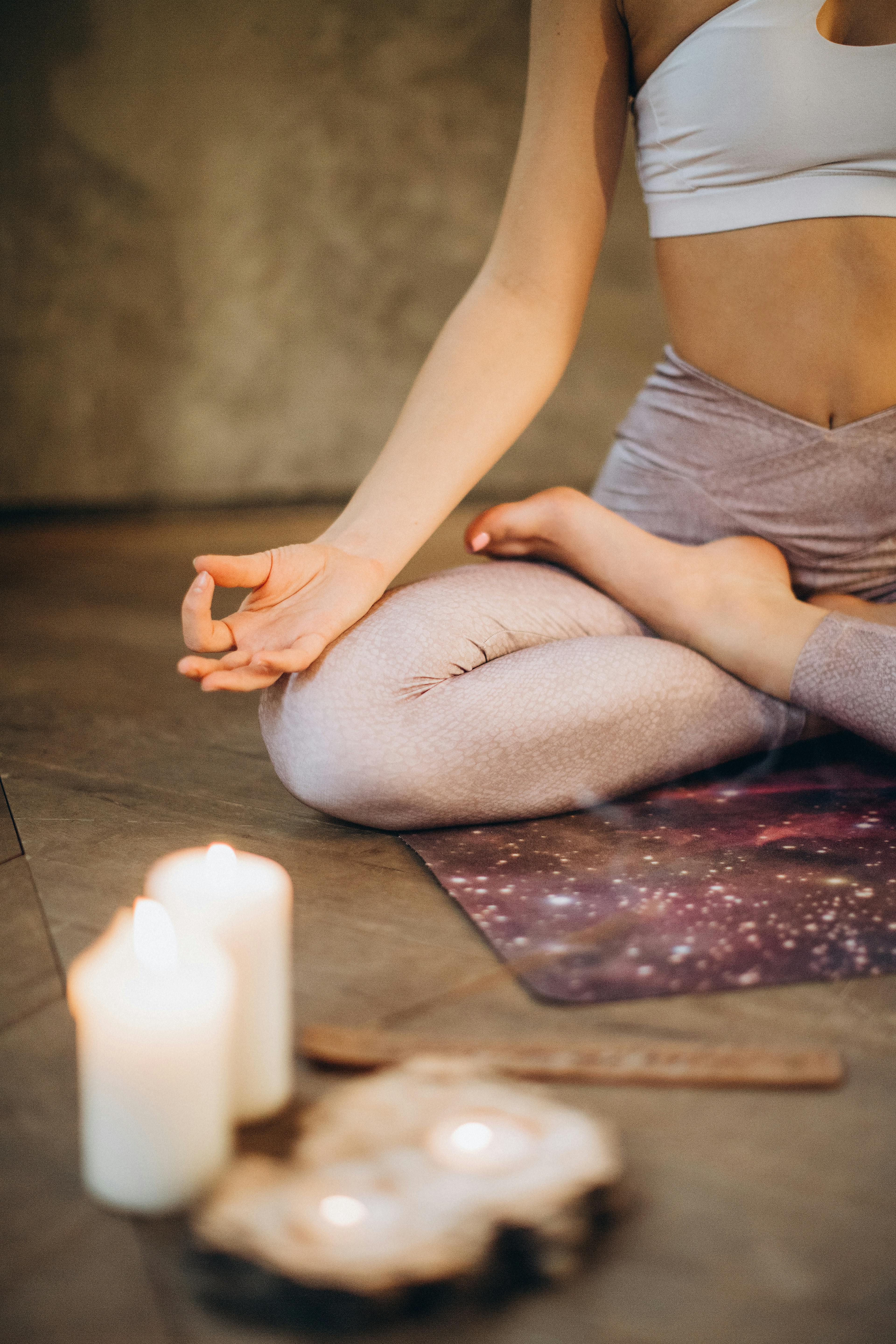
Meditation has gone from monastic discipline to mainstream health practice in the span of a generation. Tens of thousands of studies now examine its effects on stress, anxiety, depression, attention, sleep, blood pressure, pain, and overall wellbeing. The research is clear that regular meditation changes the brain in measurable, beneficial ways. What the research does not always convey is how to actually get started when you have never sat quietly with your own mind.
The obstacles are familiar. You sit down, close your eyes, and within thirty seconds your mind is planning tomorrow, replaying yesterday, and running through your shopping list. You assume you are bad at meditation and quit. But that experience is not failure. That is meditation, because noticing the wandering is the practice. This guide offers a clear, honest starting point for building a meditation habit that actually sticks.
What Meditation Actually Is
Meditation is training attention. Different traditions use different techniques, but nearly all involve choosing something to pay attention to, noticing when attention drifts, and gently returning it. The object of attention varies. It might be the breath, a word, a sound, a sensation in the body, an image, a feeling of loving kindness, or simply open awareness of whatever arises.
The goal is not to stop thinking. Stopping thought is neither possible nor the point. The goal is to become familiar with how your mind works, to build the capacity to observe thoughts and emotions without being swept away by them, and to cultivate a quality of attention that serves you when you step away from the cushion.
Benefits That Show Up With Practice
Consistent meditation produces measurable effects. Stress responses calm. Anxiety symptoms decrease. Sleep improves. Focus sharpens. Emotional reactivity softens. Blood pressure drops slightly. Pain perception modulates. Relationships get smoother because you become a little less reactive. Creative thinking often improves because the mental space between problem and reaction expands.
Most of these benefits emerge with as little as ten to twenty minutes daily over weeks to months. No one needs to meditate for hours to benefit.
The Simplest Technique
If you have never meditated, start here. Sit in a comfortable position. Close your eyes or soften your gaze toward a spot on the floor. Notice the sensation of your breath. Do not try to change it. Just feel it moving in and out. When your mind wanders, which it will constantly, gently bring your attention back to the breath. That is the entire practice.
Start with five minutes. Set a timer so you do not have to watch the clock. When the timer ends, open your eyes and notice how you feel. Do this daily for two weeks before judging whether it is working.
The small act of returning attention, over and over, is what changes your brain. Each time you notice that your mind has wandered and you bring it back, you are strengthening the neural circuits involved in focus, emotional regulation, and self awareness. You are not wasting time sitting through distraction. You are building a skill.
Common Myths That Stop People
Myth: I need to clear my mind. No one can clear their mind. Thoughts keep coming. Meditation is the practice of working with thoughts, not eliminating them.
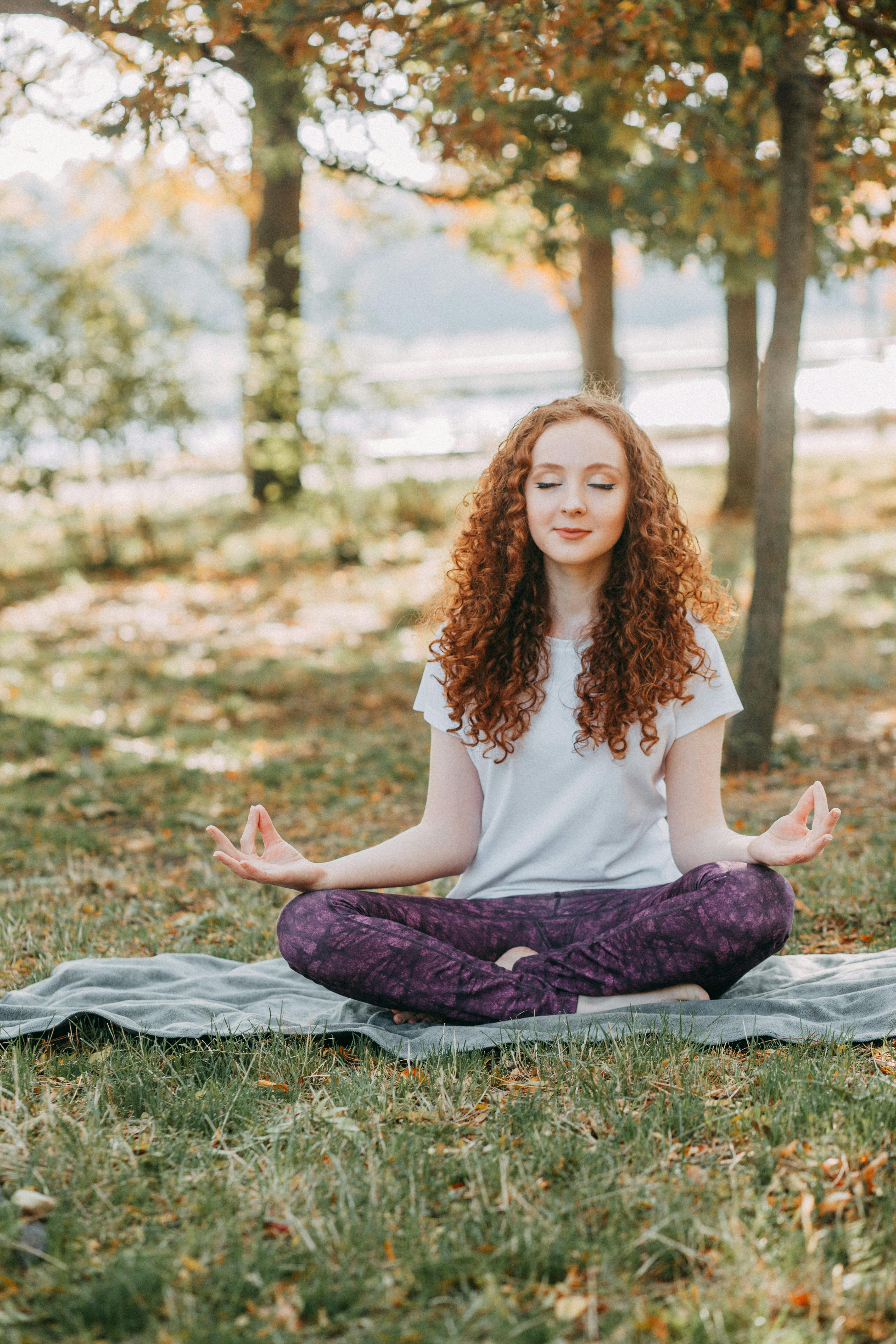
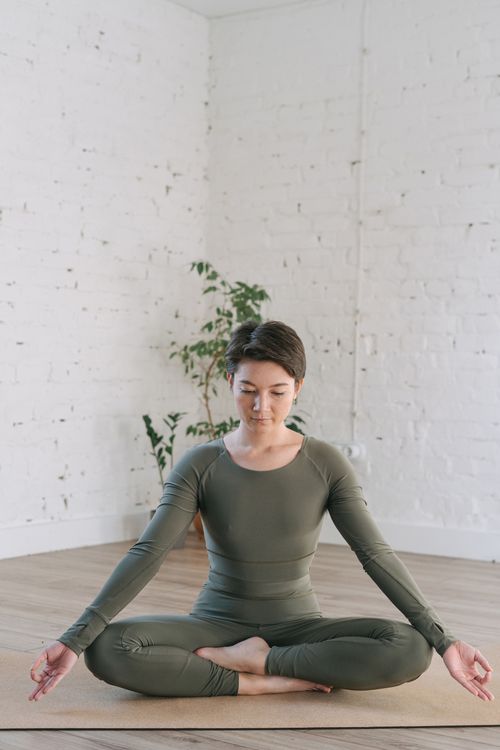
Myth: I need to sit cross legged on the floor. You can sit in a chair, lie down, or even walk. Posture should support alertness without strain. A chair with feet flat on the floor and back supported works fine.
Myth: I need complete silence. Silence helps, but many people meditate effectively with ambient sound, light rain recordings, or household noise in the background.
Myth: I need hours to benefit. Even five minutes produces effects with consistency.
Myth: If I am distracted, I am failing. Distraction is the point. The moment of noticing that you were distracted and returning to the breath is where the practice lives.
Myth: Meditation is religious. It can be, within traditions like Buddhism or Hinduism, but the secular techniques taught in clinical settings and apps are not tied to any faith and work regardless of belief.
Different Styles Worth Knowing
Mindfulness meditation involves paying attention to the present moment with an attitude of openness and non judgment. Breath awareness is often the starting point. This is the most researched style in Western contexts.
Loving kindness meditation involves silently repeating phrases of good wishes toward yourself and others. May you be happy. May you be healthy. May you be safe. This practice reliably shifts emotional state and builds empathy.
Body scan meditation involves slowly moving attention through different parts of the body, noticing sensations without trying to change them. It builds awareness of physical experience and often helps release tension.
Mantra meditation involves silently repeating a word or short phrase. Transcendental meditation is a specific licensed version of this approach.
Open awareness or choiceless awareness involves watching whatever arises in experience without attaching to any particular object. This is often a more advanced practice.
Walking meditation applies mindfulness principles while walking slowly and attending to the sensations of moving. It suits people who find sitting still difficult.
Compassion practices, visualization practices, and many other forms exist. Beginners do not need to sample them all. One consistent practice beats rotating through several.
Apps and Resources
Guided meditation apps lower the barrier to entry dramatically. Popular options include Calm, Headspace, Insight Timer, and Ten Percent Happier. Each has introductory courses for beginners. Having a teacher talk you through the first few weeks helps enormously when the mind feels unfamiliar.
Free resources abound. YouTube has countless guided meditations. Many university medical centers post free mindfulness courses online. Local meditation centers often offer drop in sessions for beginners, sometimes for free or donation based.
If you prefer books, start with a classic like Mindfulness in Plain English by Bhante Gunaratana, or something more secular like 10 Percent Happier by Dan Harris, or Wherever You Go, There You Are by Jon Kabat Zinn.
Building the Habit
The hardest part of meditation is not the meditation itself. It is remembering to do it. A few habits help.
Attach the practice to an existing anchor. Meditate immediately after brushing your teeth in the morning, or right after your morning coffee, or before your first work task. Attaching the new habit to an established one dramatically increases consistency.
Keep the bar low at first. Five minutes daily beats thirty minutes three times a week. The nervous system learns through consistency, not intensity.
Use a timer or app that tracks streaks. The visible record creates mild accountability and satisfaction.
Expect the mind to resist. Some days the practice feels effortless. Other days the mind is a storm of distraction. Both are meditation. Do not grade the sessions. Just show up.
Travel and disrupted schedules break habits. Have a plan for low energy days. A three minute session still counts. Skipping entirely is what breaks streaks.
Dealing With Difficult Experiences
Meditation is not always pleasant. Sometimes difficult emotions surface. Grief you have been busy avoiding, anxiety, anger at past events, boredom, restlessness. This is normal and often a sign that the practice is working. Your mind is no longer running on autopilot and is starting to meet the experiences that autopilot was crowding out.
Gentle, matter of fact acknowledgment usually works. Notice what is here. Name it quietly. This is sadness. This is worry. Then return to the anchor. Do not chase the thought or story. Do not push it away. Just let it be in the room while you keep breathing.
If intense trauma or mental health symptoms arise consistently during practice, consider working with a trauma informed teacher or therapist familiar with meditation. Not every practice fits every person in every moment, and there are ways to adjust.
How to Know It Is Working
Meditation does not usually produce obvious results in the sessions themselves. The effects show up in daily life. A rush hour commute that used to trigger rage becomes slightly less infuriating. A critical email that used to ruin the afternoon becomes just an email. You notice yourself catching a thought spiral earlier and stepping out of it. You have a slightly longer pause between stimulus and reaction. These quiet shifts are the real fruit of the practice.
Other markers show up too. Sleep quality often improves. Patience with others expands. You get curious about your own patterns instead of shamed by them. Creativity surfaces as the constant chatter of the default mind quiets.
Do not chase these benefits during the meditation itself. Chasing them creates more grasping. Let them arise as side effects.
Meditation and Mental Health
For people with anxiety, depression, chronic stress, or insomnia, meditation often supports recovery alongside therapy and medication. Evidence based programs like Mindfulness Based Stress Reduction and Mindfulness Based Cognitive Therapy are offered in many hospital systems and mental health settings.
Meditation is not a replacement for professional care when it is needed. It is a complement. If symptoms are severe, start with clinical care and add meditation as it becomes accessible.
A Realistic First Month
Week one, meditate five minutes daily. Breath awareness only. Do not judge the sessions. Simply return to the breath when the mind wanders.
Week two, increase to seven or eight minutes. Try a guided meditation from an app if you have not already.
Week three, increase to ten minutes and experiment with a different style, perhaps loving kindness or body scan.
Week four, settle into a daily ten minute practice you will actually maintain. Notice how you feel compared to a month ago.
If you can complete this first month, you have already established a foundation most people never reach. From there the practice deepens naturally at its own pace.
A Practice, Not a Performance
Meditation is not something you win or master. It is something you do. Some days feel deep and quiet. Other days feel shallow and scattered. Both are part of a practice that, over months and years, quietly reshapes how you meet your own life. The invitation is simply to begin, to return, to begin again, and to let the accumulation of small moments of attention do their quiet work.