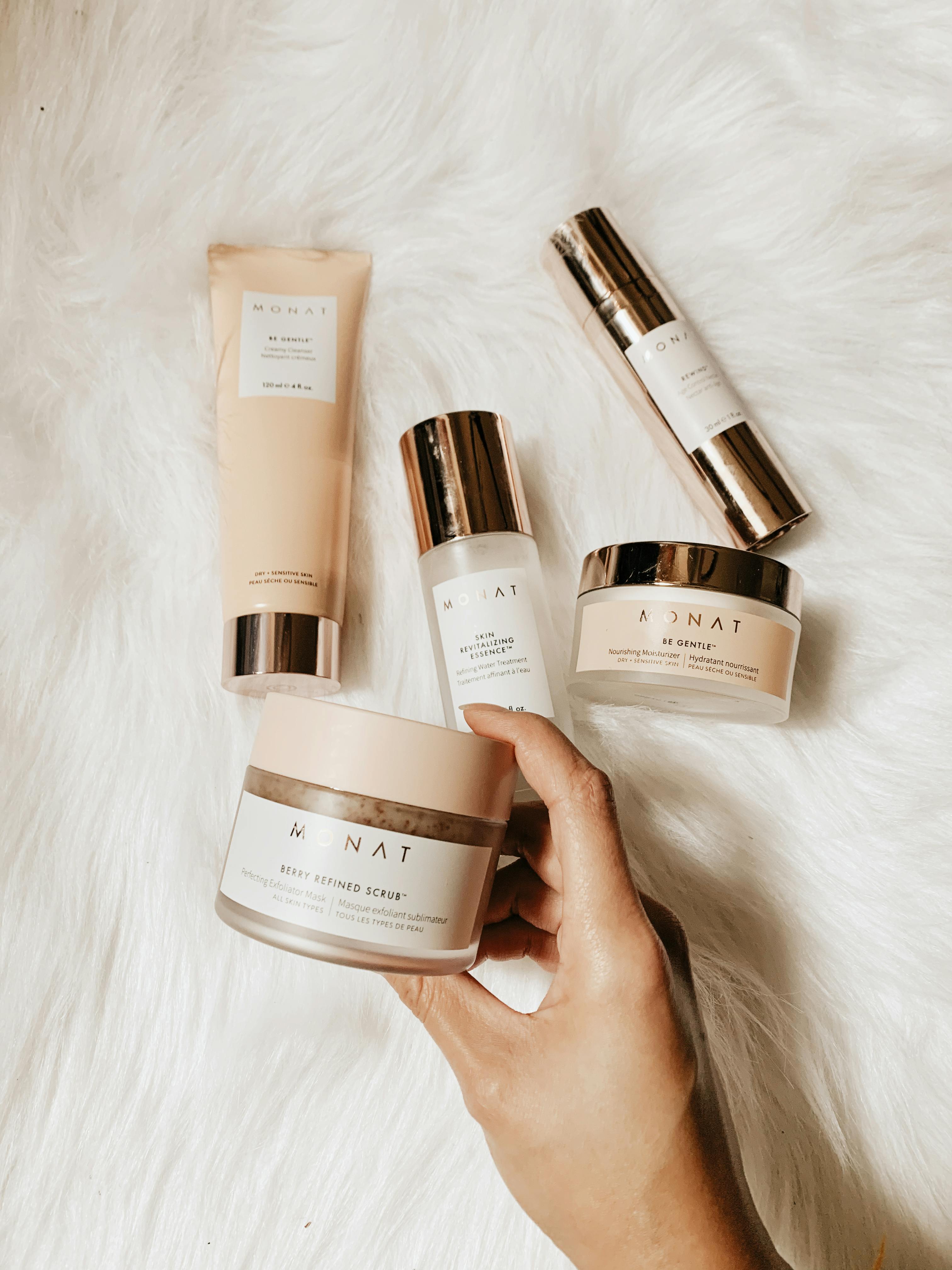
Acne is among the most common skin conditions in the world, affecting roughly 85 percent of people at some point in their lives. For some it is a brief teenage nuisance. For others it persists into adulthood, damages confidence, and leaves scars that last decades. The information available online is often contradictory, with skincare brands promising miracle cures while dermatologists roll their eyes at the marketing.
This guide cuts through the noise. It covers what acne actually is, why it happens, which treatments have genuine evidence behind them, and how to build a long term approach that keeps your skin clear without damaging it in the process.
What Acne Actually Is
Acne is an inflammatory condition involving the pilosebaceous unit, which is the pore, the hair follicle inside it, and the sebaceous gland attached to it. The story of how acne develops involves four main factors working together.
Excess sebum production starts the cascade. Hormonal signals, particularly androgens like testosterone and its derivatives, stimulate sebaceous glands to produce more oil. This oil can be beneficial in normal amounts but becomes problematic when production exceeds the pore capacity to clear it.
Abnormal shedding of dead skin cells inside the pore creates the initial blockage. In acne prone skin, cells that should detach and work their way to the surface instead stick together and accumulate inside the pore. This mixing of sticky cells and oil creates a plug.
Bacterial proliferation, specifically of Cutibacterium acnes which lives normally on skin, creates inflammation when the bacteria multiplies inside the blocked pore. This bacterium is not the cause of acne on its own. It becomes problematic only when the conditions inside the blocked pore favor its overgrowth.
Inflammation completes the picture. The immune response to the contents of the blocked and infected pore creates the redness, swelling, and pain that characterize inflammatory acne. In severe cases, the follicle wall ruptures and the contents spill into surrounding tissue, creating deeper inflammation and higher scar risk.
The Different Types of Acne
Understanding the types helps in choosing treatments that match what you actually have.
Comedones are the non inflammatory lesions that come in two varieties. Whiteheads are closed comedones with a thin skin covering the pore contents. Blackheads are open comedones where the pore contents oxidize on exposure to air, producing the dark color that looks like dirt but is not.
Papules are inflammatory lesions that appear as small red or pink bumps. They come from early inflammation around blocked pores.
Pustules are the classic pimples with a visible head of pus. The white or yellow material is mostly immune cells responding to the bacteria and debris.
Nodules are deeper, firmer, and more painful than papules. They occur when inflammation spreads deeper into the skin. Nodules heal slowly and scar more often.
Cysts are the deepest and most inflammatory form of acne. Large, painful, and pus filled, cysts almost always leave scars without appropriate treatment. Cystic acne typically requires prescription intervention.
What Causes Acne Beyond the Surface
The factors that drive acne operate at several levels beyond what you can see.
Hormones play the largest role. Androgens increase during puberty, before menstrual periods, during pregnancy, and with certain medical conditions. This is why acne often starts at puberty and why many women experience flares around their cycles.
Genetics determine much of your susceptibility. If both your parents had significant acne, you have a roughly 75 percent chance of experiencing it yourself. Genetic factors influence how much sebum your glands produce, how your pores shed cells, and how your immune system responds to bacteria.
Diet affects acne more than dermatology denied for decades. The evidence has shifted. High glycemic foods that spike blood sugar, along with dairy products, have the strongest links to acne flares in susceptible people. This does not mean diet causes acne, but it does mean diet can significantly influence severity.
Stress raises cortisol and inflammatory markers, which worsen acne through multiple pathways. The acne and stress relationship is well documented. Managing stress improves many skin conditions including acne.
Skin care products that block pores can cause or worsen acne. Heavy moisturizers, occlusive sunscreens, and oil based makeup all have potential to trigger breakouts in acne prone skin.
Environmental factors matter. Humidity, friction from masks or helmets, and certain occupational exposures can all trigger or worsen acne.
Over the Counter Treatments That Actually Work
You can make significant progress on mild to moderate acne with over the counter ingredients if you use them correctly and consistently.
Benzoyl peroxide kills bacteria and helps unblock pores. It comes in concentrations from 2.5 to 10 percent. Higher is not better. The 2.5 and 5 percent concentrations work as well as 10 percent with less irritation. Apply once daily for two to three weeks before judging results. Benzoyl peroxide bleaches fabric so use white pillowcases and towels.
Salicylic acid is a beta hydroxy acid that penetrates oil and helps unblock pores. Concentrations from 0.5 to 2 percent are available over the counter. Salicylic acid works particularly well for blackheads and whiteheads. Start with lower concentrations and less frequent use, building up tolerance.
Adapalene 0.1 percent gel is a retinoid that was once prescription only and is now available over the counter in many countries. Retinoids normalize skin cell turnover, reduce inflammation, and prevent new comedones from forming. Adapalene works but takes 8 to 12 weeks to show full benefits. Initial purging of deeper lesions is common and expected.
Azelaic acid addresses both acne and the red marks left behind. It has antibacterial and anti inflammatory properties and is generally well tolerated. Prescription strength azelaic acid at 15 or 20 percent works better than over the counter versions but even lower strengths help.
Niacinamide reduces sebum production and inflammation. Five percent niacinamide products applied once or twice daily help reduce oiliness and calm active acne without irritation.
Prescription Treatments for More Serious Cases
When over the counter approaches fail, prescription treatments offer more powerful tools.
Topical retinoids like tretinoin, adapalene at higher concentrations, and tazarotene work better than most over the counter options. They require a prescription in most countries and require careful use to avoid irritation.
Topical antibiotics like clindamycin and erythromycin reduce bacterial loads. These work best combined with benzoyl peroxide to prevent resistance development.
Oral antibiotics including doxycycline, minocycline, and trimethoprim are used for moderate to severe inflammatory acne. Courses should be limited to three to six months to prevent antibiotic resistance.
Hormonal therapies including combined oral contraceptives and spironolactone work well for hormonal acne in women. Spironolactone at 50 to 200 mg daily blocks androgen effects on skin and has strong evidence for adult female acne.
Isotretinoin, formerly known as Accutane, is the most effective acne treatment available. It produces long term remission in the majority of patients after a single course of 5 to 7 months. Side effects and pregnancy risks require careful monitoring but for severe cases, no other treatment compares.
Building an Effective Routine
A good acne routine has three essential components.
The first is gentle cleansing. Twice daily with a non stripping cleanser removes excess oil without damaging the skin barrier. Harsh cleansers that leave skin feeling tight actually worsen acne by triggering rebound oil production and inflammation.
The second is targeted treatment. One or two active ingredients, applied consistently, work better than rotating through every product that promises clear skin. Common effective combinations include a retinoid at night plus benzoyl peroxide in the morning, or salicylic acid cleanser plus adapalene at night.
The third is protection. Non comedogenic moisturizer prevents the dry skin and barrier damage that active treatments can cause. Broad spectrum sunscreen daily prevents dark marks from lingering and protects sensitive treated skin. Look for non comedogenic sunscreens, often mineral based, to avoid adding to the problem.
Less is often more. Layering five actives increases irritation without improving results. Pick two or three effective ingredients, use them consistently, and resist the temptation to add more products.
Common Acne Mistakes
Over washing the face strips natural oils and triggers more oil production while damaging the barrier. Twice daily cleansing is plenty for most people.
Picking or squeezing pimples worsens inflammation, pushes bacteria deeper, and dramatically raises the risk of scarring. Leave active lesions alone and treat them with spot treatment.
Expecting fast results leads to giving up before treatments have had time to work. Most acne treatments require 8 to 12 weeks to show full benefits. Changing products every week sabotages this process.
Using too much of active ingredients increases irritation without increasing effectiveness. A pea sized amount of retinoid covers the entire face. A dime sized amount of benzoyl peroxide is plenty.
Ignoring the back, chest, and shoulders for body acne means missing large areas that often respond well to similar treatments. Body washes with benzoyl peroxide or salicylic acid, used regularly, help significantly.
Getting sun exposure without protection worsens post inflammatory pigmentation and makes marks from old acne linger for many months longer.
Managing Acne Scarring
Prevention is vastly easier than treatment. Active acne treated promptly and carefully produces far less scarring than neglected or picked at acne.
When scars do form, treatment options vary by scar type. Atrophic scars, which are depressions in the skin, respond to treatments like microneedling, fractional laser resurfacing, and fillers. Hypertrophic scars, which are raised, respond to silicone sheets, injections, and certain laser treatments. Discolored marks, either red or brown, usually fade over months to years with sunscreen and sometimes respond faster to specific topical treatments and lasers.
See a dermatologist for scar treatment plans. Many of the most effective options require professional application.
Lifestyle Factors That Support Clear Skin
Sleep and stress management have real effects on acne. Chronic poor sleep and chronic high stress both increase acne severity through hormonal and inflammatory pathways.
Nutrition plays a supportive role. Reducing high glycemic foods and excessive dairy intake helps some people. Whole food diets rich in vegetables, adequate protein, and healthy fats support skin health generally.
Exercise improves circulation and helps manage stress, both of which benefit skin. Wash your face after sweating heavily.
Phone hygiene matters more than people think. The side of your face that touches your phone often has more breakouts. Clean your phone screen regularly with alcohol wipes.
Pillowcase changes every three to four days reduce the buildup of oils, bacteria, and dead skin cells that contact your face for hours each night.
When to See a Dermatologist
Over the counter treatments used consistently for three months should produce visible improvement in mild cases. If they do not, see a dermatologist.
Moderate to severe acne benefits from dermatology involvement from the start. The right combination of prescription treatments works much better than cycling through over the counter options.
Cystic acne requires prescription intervention to prevent scarring. Do not wait months on unsuccessful self treatment when cysts are forming.
Sudden onset adult acne, especially in women, can signal hormonal conditions worth evaluating. Dermatologists often coordinate with endocrinologists or gynecologists for these cases.
Acne that causes significant emotional distress deserves professional attention regardless of visible severity. Mental health impact is a valid reason to seek medical care.
The Long View on Clear Skin
Clear skin is maintainable for most people, but it requires consistent care rather than occasional intense interventions. The person who uses a gentle routine with a few proven ingredients every day will outperform the person who alternates between neglect and aggressive treatments.
Most acne improves significantly with time, particularly in late twenties and thirties as hormonal changes settle. Treatment during active phases prevents scarring that would otherwise last far longer than the acne itself.
Be patient with the process. Skin turnover takes weeks. Real treatment results take months. Scars and marks fade over years. The investment in consistent care pays dividends for decades.
Sources and Further Reading
Health and Beyond uses reputable medical and scientific sources where possible. These links support or expand on the topics discussed above.
- National Cancer Institute: Skin Cancercancer.gov
- MedlinePlus: Skin Conditionsmedlineplus.gov