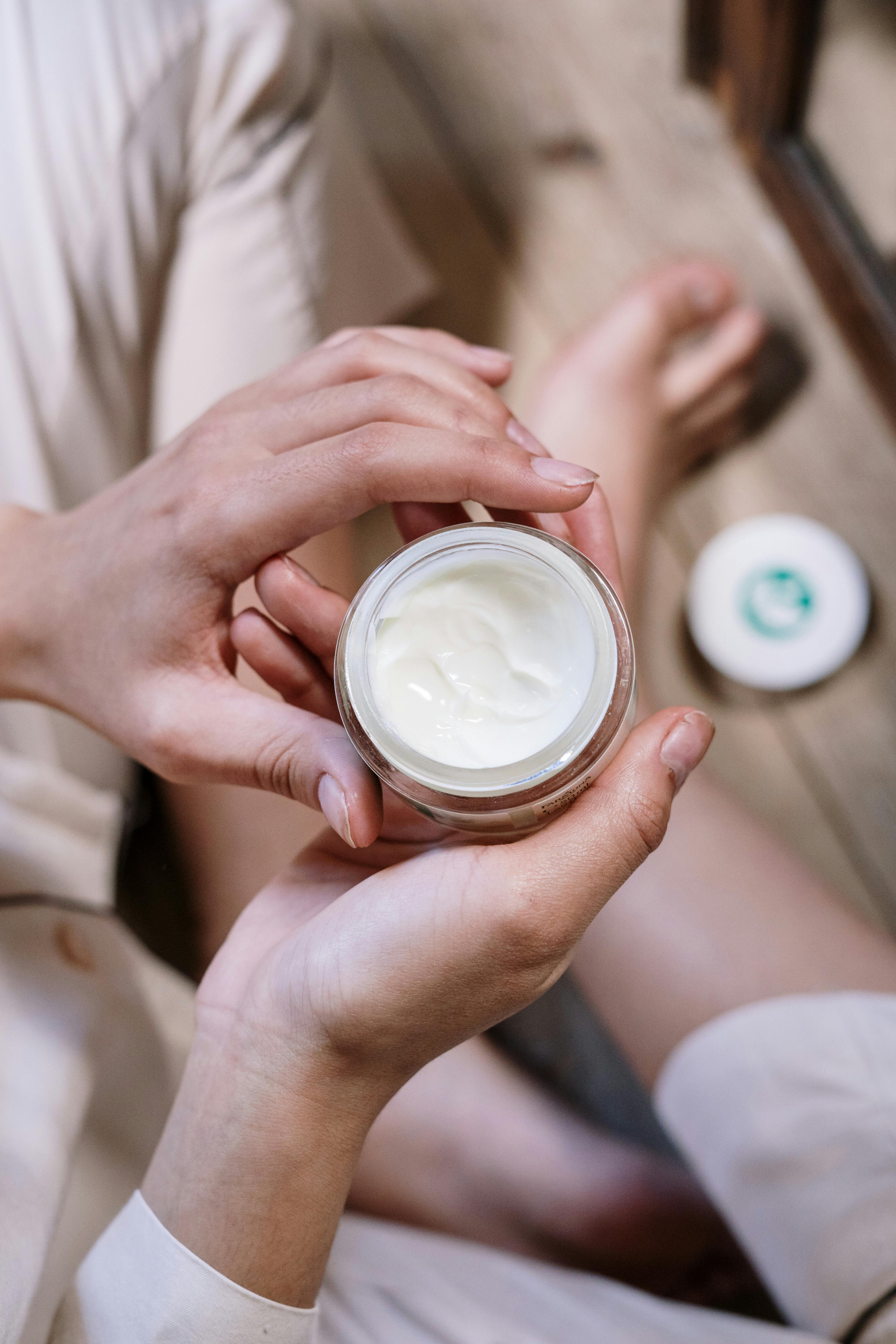
Psoriasis affects more than one hundred twenty five million people worldwide and is far more than a skin condition. It is a systemic inflammatory disease with connections to joint disease, cardiovascular risk, metabolic syndrome, mental health, and quality of life. If you or someone you love has lived with thick red scaly patches that come and go, this guide explains what is actually happening in your immune system, which treatments produce real lasting improvement, and how to build a life that does not revolve around flare ups.
Understanding What Psoriasis Really Is
Psoriasis is a chronic autoimmune condition in which the immune system mistakenly accelerates skin cell production. Normal skin cells turn over in about twenty eight days. In psoriasis, this happens in three to four days, creating the thick plaques you see on the skin before the old cells have shed.
The immune pathways involved are specific. Research has identified interleukin twenty three, interleukin seventeen, and tumor necrosis factor as key drivers. This precision matters because modern biologic medications target these pathways directly and have transformed treatment outcomes.
Psoriasis comes in several forms. Plaque psoriasis, the most common, features raised red patches with silvery scales. Guttate psoriasis produces small drop shaped spots, often after strep throat. Inverse psoriasis affects skin folds with smooth red lesions. Pustular psoriasis features pus filled bumps on red skin. Erythrodermic psoriasis is rare and serious, covering most of the body and sometimes requiring hospitalization.
Why It Is Not Just Skin Deep
Up to thirty percent of people with psoriasis develop psoriatic arthritis, which affects joints, tendons, and sometimes the spine. Early recognition and treatment prevents joint damage.
Psoriasis raises risk of cardiovascular disease, metabolic syndrome, type two diabetes, fatty liver, inflammatory bowel disease, and certain cancers. The chronic inflammation of psoriasis contributes to this pattern. Good control of psoriasis may help reduce these associated risks.
Mental health impact is significant. Anxiety, depression, and social anxiety are more common in people with psoriasis. The visible nature of the disease and stigma around skin conditions add emotional weight beyond the physical symptoms.
Recognizing Triggers
Triggers vary but common ones include infections especially strep, skin injuries including cuts and sunburn, severe stress, certain medications including beta blockers and lithium, smoking, heavy alcohol use, and cold dry weather.
Not every trigger affects every person. Keeping a simple journal of flares and potential triggers over a few months often reveals your personal patterns.
The Power Of Modern Topicals
Most mild to moderate psoriasis responds to topical treatment. Corticosteroid creams and ointments reduce inflammation quickly. They come in different potencies, and using the right strength for the location and severity is key. Thin skin areas like face and groin need mild steroids, while thick plaques on knees and elbows may need high potency options for short courses.
Vitamin D analogs including calcipotriene slow skin cell turnover and work well alongside or in rotation with steroids. Combination products of calcipotriene and betamethasone produce better results than either alone.
Tazarotene, a topical retinoid, helps some patients but can irritate skin. Calcineurin inhibitors including tacrolimus and pimecrolimus are useful for sensitive areas. Tapinarof and roflumilast are newer non steroidal options with good early evidence.
Coal tar remains an effective treatment for some. It has been used for over a century and works through anti inflammatory effects, though its odor and staining limit modern enthusiasm.
Phototherapy For Widespread Disease
When plaques cover too much skin for topicals alone, ultraviolet light therapy often helps. Narrowband UVB is the most common modern phototherapy, typically given three times weekly in a clinic for twenty to thirty sessions.
Home units are available for selected patients who cannot commit to frequent clinic visits. Proper training and monitoring is essential.
Excimer laser can target limited areas with high intensity UVB for faster results in specific spots.
Psoralen plus UVA, an older treatment, is used less now but remains an option for severe disease.
Systemic Medications
Moderate to severe psoriasis that does not respond to topicals or phototherapy often requires systemic treatment, meaning medications that affect the whole body.
Methotrexate is an older option that works for both skin and joint disease. It requires regular blood monitoring but is affordable and effective for many patients.
Cyclosporine works quickly but has kidney and blood pressure concerns that limit long term use.
Oral retinoids like acitretin help some patients, particularly those with pustular psoriasis, though pregnancy considerations limit use in women of reproductive age.
Apremilast is an oral medication with a good safety profile, though it works for a smaller percentage of patients than some alternatives.
Deucravacitinib is a newer oral medication with better efficacy than older oral options.
Biologics Have Changed Everything
Biologic medications target specific immune pathways and have transformed care for moderate to severe psoriasis. Many patients achieve nearly clear skin with these treatments, something previously unthinkable.
TNF inhibitors including adalimumab, etanercept, infliximab, and certolizumab were the first wave and remain useful, especially for psoriatic arthritis.
IL twelve and twenty three inhibitors including ustekinumab target the upstream pathways driving psoriasis.
IL seventeen inhibitors including secukinumab, ixekizumab, and brodalumab produce rapid dramatic improvement for many patients.
IL twenty three inhibitors including guselkumab, risankizumab, and tildrakizumab are the newest class and often produce the deepest long term control with convenient dosing.
Biologics are given by injection or infusion. Initial cost is high but many insurance plans cover them, and patient assistance programs help with access. Screening for tuberculosis, hepatitis, and other conditions is required before starting.
Choosing The Right Treatment
Treatment choice depends on severity, joint involvement, other medical conditions, pregnancy plans, insurance coverage, and personal preference around injections versus oral medication.
Dermatologists with specific psoriasis expertise can match treatment to your situation. If your current treatment is not producing satisfactory results, asking about the next step matters. Many patients accept ongoing visible disease when more effective options exist.
Nutrition And Psoriasis
No specific diet cures psoriasis, but some patterns may help.
Mediterranean style eating emphasizing vegetables, fruits, fish, olive oil, and legumes has observational evidence for reduced psoriasis severity, likely through anti inflammatory effects.
Weight management helps because obesity worsens psoriasis and reduces response to some medications. Modest sustainable loss can improve skin and medication effectiveness.
Some patients report improvement with reduced gluten, particularly those with positive celiac markers. Trialing gluten reduction for a few months is a reasonable experiment for highly motivated patients.
Alcohol reduction or elimination often helps. Heavy alcohol use worsens psoriasis and interacts poorly with some medications.
Omega three supplementation has mixed evidence but may help some patients.
Lifestyle Factors
Smoking worsens psoriasis, increases severity, and reduces treatment response. Quitting smoking is one of the highest impact lifestyle changes for patients who smoke.
Stress management matters. Chronic stress worsens psoriasis flare frequency. Regular practices including breathing exercises, meditation, yoga, and adequate sleep all support better disease control.
Exercise provides multiple benefits including anti inflammatory effects, stress reduction, cardiovascular protection, weight management, and mental health support. Low impact activities work well for those with joint involvement.
Sleep supports immune regulation. Protecting seven to nine hours consistently improves many aspects of psoriasis and overall health.
Skincare Essentials
Regardless of which prescription treatments you use, basic skincare matters.
Gentle cleansing with mild non irritating products protects the skin barrier. Avoid hot water, long showers, and harsh soaps.
Moisturization multiple times daily reduces scaling, itching, and cracking. Thick emollients work better than light lotions for most psoriasis skin. Apply after bathing while skin is still damp.
Humidity helps in dry seasons. A bedroom humidifier can reduce overnight flare ups.
Sun exposure in moderation is beneficial for most psoriasis, though sunburn is harmful. Short gentle exposures most days of the year support skin health.
Avoid trauma to skin including scratching, picking, and abrasive exfoliation. Psoriasis can flare at sites of skin injury.
Managing The Emotional Impact
The visible nature of psoriasis and cultural stigma around skin conditions create real psychological burden.
Therapy, particularly cognitive behavioral therapy, helps many patients address anxiety, depression, and social avoidance related to skin.
Support communities online and in person reduce isolation. Organizations like the National Psoriasis Foundation offer education and connection.
Addressing mental health does not just help emotionally but can also improve skin, as stress reduction supports better disease control.
Psoriatic Arthritis
Joint involvement may feel like stiffness especially in the morning, pain in fingers or toes, swelling of entire digits, lower back pain, or heel pain.
Early diagnosis prevents permanent joint damage. If you have psoriasis and joint symptoms, ask for evaluation by a rheumatologist. Many of the same medications that treat skin psoriasis also treat psoriatic arthritis, though some work better for one than the other.
Exercise, physical therapy, joint protection techniques, and weight management all support joint health alongside medications.
Building Your Care Team
Dermatologists lead medical treatment. Rheumatologists are essential if joint disease is present. Primary care providers coordinate overall health including cardiovascular risk factors and mental health. Mental health providers support the emotional dimension. Registered dietitians can guide nutritional experimentation.
Comprehensive care produces better outcomes than fragmented attention to skin alone.
Setting Realistic Expectations
Psoriasis is chronic. The goal is sustained control, not cure. With modern treatments, most patients can achieve substantial improvement and many achieve near clear skin.
Flare ups can still happen during infections, stress, or weather changes even with good treatment. Having a plan for flares, including topicals kept ready and a clinical contact path, reduces the disruption they cause.
Looking Forward
The treatment landscape for psoriasis continues expanding. New biologics with improved profiles, better understanding of disease mechanisms, and attention to whole body health are all advancing the field.
If your current care is not giving you the skin you deserve, please know that options exist. Patients who were told nothing worked ten years ago often achieve excellent control today with current treatments.
Start by asking your dermatologist about all available options. If you do not have a dermatologist, getting one matters. Online telehealth dermatology can be a starting point, and many insurances cover specialist care.
You do not have to live with widespread visible psoriasis in twenty twenty six. Treatment can give you your skin back along with the confidence and comfort that come with it.
Sources and Further Reading
Health and Beyond uses reputable medical and scientific sources where possible. These links support or expand on the topics discussed above.
- National Cancer Institute: Skin Cancercancer.gov
- MedlinePlus: Skin Conditionsmedlineplus.gov