Eczema is not just dry skin. It is a chronic inflammatory condition that affects tens of millions of people, from infants to adults, and it can profoundly disrupt sleep, confidence, and daily life. The technical term for the most common form is atopic dermatitis, and the word atopic refers to a genetic tendency toward allergic conditions. People with eczema often have family members with asthma, hay fever, or food allergies, because the same immune patterns underlie all of them.
The visible symptoms tell only part of the story. Red, scaly, inflamed patches on the arms, behind the knees, on the hands, face, or anywhere else tell the world what the condition looks like. The maddening itch that keeps you up at night, the cracked skin that bleeds when you move, the constant worry about flares during important moments, these are the parts that make eczema so much more than a cosmetic issue.
This guide covers what eczema is, why it happens, what triggers flares, and which treatments, from gentle skincare to newer prescription options, actually help.
The Skin Barrier Problem
Healthy skin has a strong barrier made of flat cells and lipid rich glue that locks moisture in and keeps irritants out. In eczema, this barrier is compromised. A key protein called filaggrin is often underproduced in people with eczema due to genetic variations. Without enough filaggrin, skin loses water too quickly, and irritants, allergens, and microbes penetrate more easily. Once they get in, the immune system overreacts, producing the redness, swelling, and itch that define a flare.
This barrier problem is chronic, which is why eczema is not cured but managed. The goal of treatment is to restore barrier function, calm inflammation, and prevent the next flare.
Common Triggers
Triggers vary from person to person, but some patterns appear repeatedly. Dry air, particularly in winter, worsens eczema for many people. Heat and sweat flare others. Harsh soaps, fragrances, and surfactants in personal care products irritate compromised skin. Wool and rough fabrics scratch. Certain metals including nickel cause contact reactions in sensitive individuals.
Stress does not cause eczema but it reliably worsens it. The itch scratch cycle is both physical and emotional, and during stressful times the cycle spins faster.
Food allergies play a role in a subset of children with eczema but are less often a trigger in adults. Blanket food elimination without testing and medical guidance is unlikely to help and can create other problems.
Environmental allergens including dust mites, pet dander, and pollen exacerbate eczema in people who are also sensitive to these triggers.
Staph bacteria colonize the skin of most people with eczema and amplify inflammation. When eczema worsens suddenly and is accompanied by oozing, crusting, or pustules, secondary infection is often the culprit.
Gentle Skincare as Foundation
Nothing works better than consistent basic skincare. This is not glamorous. It is two minutes of routine, done every day, that dramatically changes how often flares happen and how severe they get.
Cleansing should be minimal and gentle. Long hot showers strip lipids from already fragile skin. Shorter warm showers, a few minutes at most, with a gentle fragrance free cleanser used only where needed, preserve the barrier. Rinse well and pat dry without scrubbing.
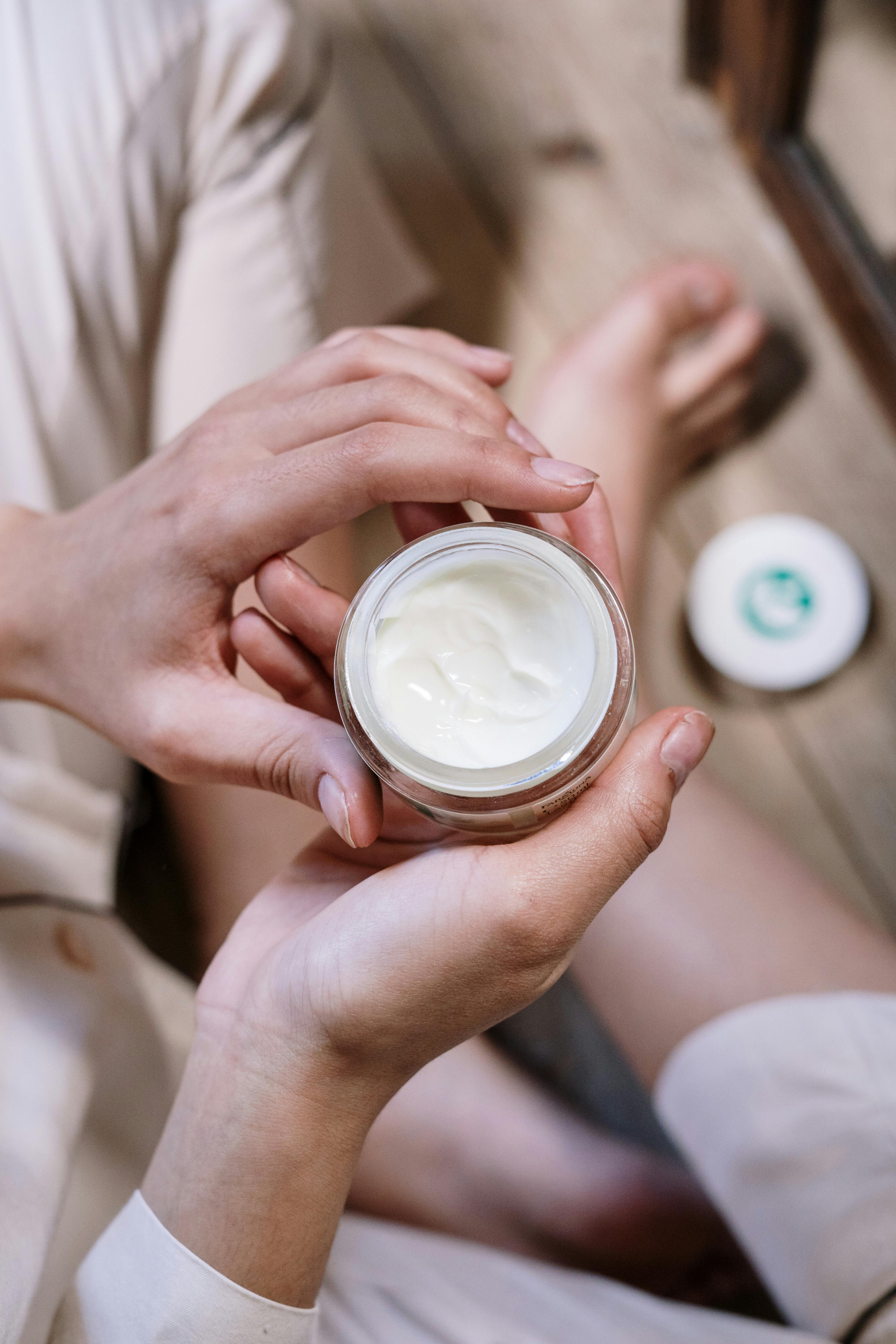
Moisturize immediately after bathing. Within three minutes of stepping out of the shower, while skin is still damp, apply a thick moisturizer to lock in water. Thicker is better for eczema. Creams outperform lotions. Ointments outperform creams for the driest skin. Ingredients that support barrier repair include ceramides, cholesterol, fatty acids, petrolatum, shea butter, and glycerin.
Moisturize again before bed. The skin loses moisture overnight, and morning flares often happen in people who skip evening application.
Choose fragrance free products. Fragrance is the single most common allergen in skincare and triggers reactions in many people with eczema. Look for products labeled specifically for eczema or sensitive skin.
Avoid known irritants. Antibacterial soaps, sulfate containing cleansers, exfoliating acids during flares, and products with many essential oils often worsen eczema.
Treating Active Flares
When a flare starts, the instinct is to scrub and dry the affected area. That is exactly wrong. Inflamed skin needs gentle cleaning, moisture, and anti inflammatory treatment.
Topical corticosteroids remain the first line prescription treatment for active eczema. They come in different strengths from mild hydrocortisone available over the counter to stronger prescription options. Used correctly, typically for a week or two at a time during flares, steroids calm inflammation quickly and prevent the flare from spreading.
The fear of topical steroids has grown online, driven by discussion of topical steroid withdrawal. Genuine topical steroid withdrawal is rare and associated with very long term continuous use of potent steroids on thin skin. Short term use of appropriately chosen strength for active flares is safe and effective. Discussing specific concerns with a dermatologist clarifies whether the fear applies to your situation.
Topical calcineurin inhibitors, including tacrolimus and pimecrolimus, are non steroid prescription options that work well for sensitive areas like the face and around the eyes where long term steroid use is risky. They do not thin the skin and can be used intermittently or for maintenance.
Crisaborole is a newer non steroid topical that reduces inflammation in mild to moderate eczema.
Newer topicals including ruxolitinib cream, a JAK inhibitor, provide options for eczema that has not responded to first line treatments.
Systemic Treatments for Moderate to Severe Eczema
For eczema that covers large areas, does not respond to topicals, or significantly impacts quality of life, systemic treatments have transformed outcomes in recent years.
Dupilumab is an injectable biologic that targets the specific immune pathway driving atopic dermatitis. It produces dramatic improvement in most people who use it, often with their skin clearer than it has been in years. It is given by injection every two weeks after initial loading doses.
Newer biologics including tralokinumab target similar pathways and offer additional options.
Oral JAK inhibitors including upadacitinib and abrocitinib provide rapid control of severe disease. They require careful monitoring but can be life changing for people with widespread, persistent eczema.
Traditional systemic options like methotrexate and cyclosporine still have roles in specific situations.
The Itch and How to Break the Cycle
The itch of eczema can be maddening. Scratching produces temporary relief but damages skin, triggers more inflammation, and perpetuates the cycle.
Cold compresses applied to itchy areas calm the sensation without damaging skin. Keeping moisturizer in the refrigerator adds soothing cooling.
Oral antihistamines during the day do not reliably help eczema itch because the itch is not primarily histamine driven. However, sedating antihistamines at night can help break the scratch cycle during sleep.
Wet wrap therapy involves applying moisturizer, then damp cotton clothing, then dry clothing on top for several hours. It intensifies moisturizer absorption and calms severe flares quickly. A dermatologist can teach the technique.
Keeping nails short reduces damage from unconscious nighttime scratching. Cotton gloves worn to bed help some people protect their skin while they sleep.
Bleach Baths
Dilute bleach baths, roughly half a cup of bleach in a full bathtub of water, taken twice weekly for five to ten minutes, reduce staph colonization and can meaningfully decrease flares in people who are prone to secondary infection. The concentration is similar to a swimming pool and feels nothing like bleach on contact. This is a dermatologist endorsed technique with solid evidence behind it.
Managing Eczema in Children
Childhood eczema often improves with age, and many children outgrow it by adolescence. In the meantime, gentle daily care and prompt treatment of flares make a large difference.
Emollient first line therapy, which means consistent moisturizing of all skin from early infancy in at risk children, has evidence for reducing the development of eczema. For children who already have it, the same principles apply at smaller scale. Daily baths followed by immediate moisturization calm and prevent flares.
Food allergies affect a subset of children with eczema, but testing should be targeted rather than shotgun. A pediatric allergist can guide evaluation when there are specific concerns like hives, vomiting, or breathing changes after foods.
Avoiding known irritants including fragranced laundry detergent, fabric softeners, and harsh soaps helps reduce flares.
Quality of Life Matters
Eczema affects sleep, mood, school performance, work performance, relationships, and self esteem. Chronic sleep deprivation from nighttime itch affects everything else. Depression and anxiety occur at higher rates in people with eczema.
Addressing these downstream effects is part of eczema care. If your eczema or your child eczema is affecting mental health, talk to a clinician. Treatment that addresses the underlying skin disease often improves mental health, and sometimes addressing mental health improves the skin.
When to See a Dermatologist
Occasional mild eczema responds to gentle skincare and over the counter options. Reasons to seek dermatology care include widespread disease, recurrent flares despite good basic care, signs of infection, disease affecting the face or sensitive areas, significant impact on sleep or mood, and failure of over the counter treatments after several weeks of consistent use. Dermatologists bring access to prescription treatments that have transformed outcomes.
Living Well With Eczema
Eczema management is a long game. The combination of consistent gentle skincare, trigger awareness, prompt treatment of flares, appropriate prescription therapy when needed, and attention to sleep, stress, and overall health produces the best outcomes. Some people achieve long stretches of clear or near clear skin with good management. Others live with some degree of disease on and off throughout life. In either case, the tools available today are better than ever, and no one has to suffer silently with uncontrolled eczema.
Sources and Further Reading
Health and Beyond uses reputable medical and scientific sources where possible. These links support or expand on the topics discussed above.
- National Cancer Institute: Skin Cancercancer.gov
- MedlinePlus: Skin Conditionsmedlineplus.gov