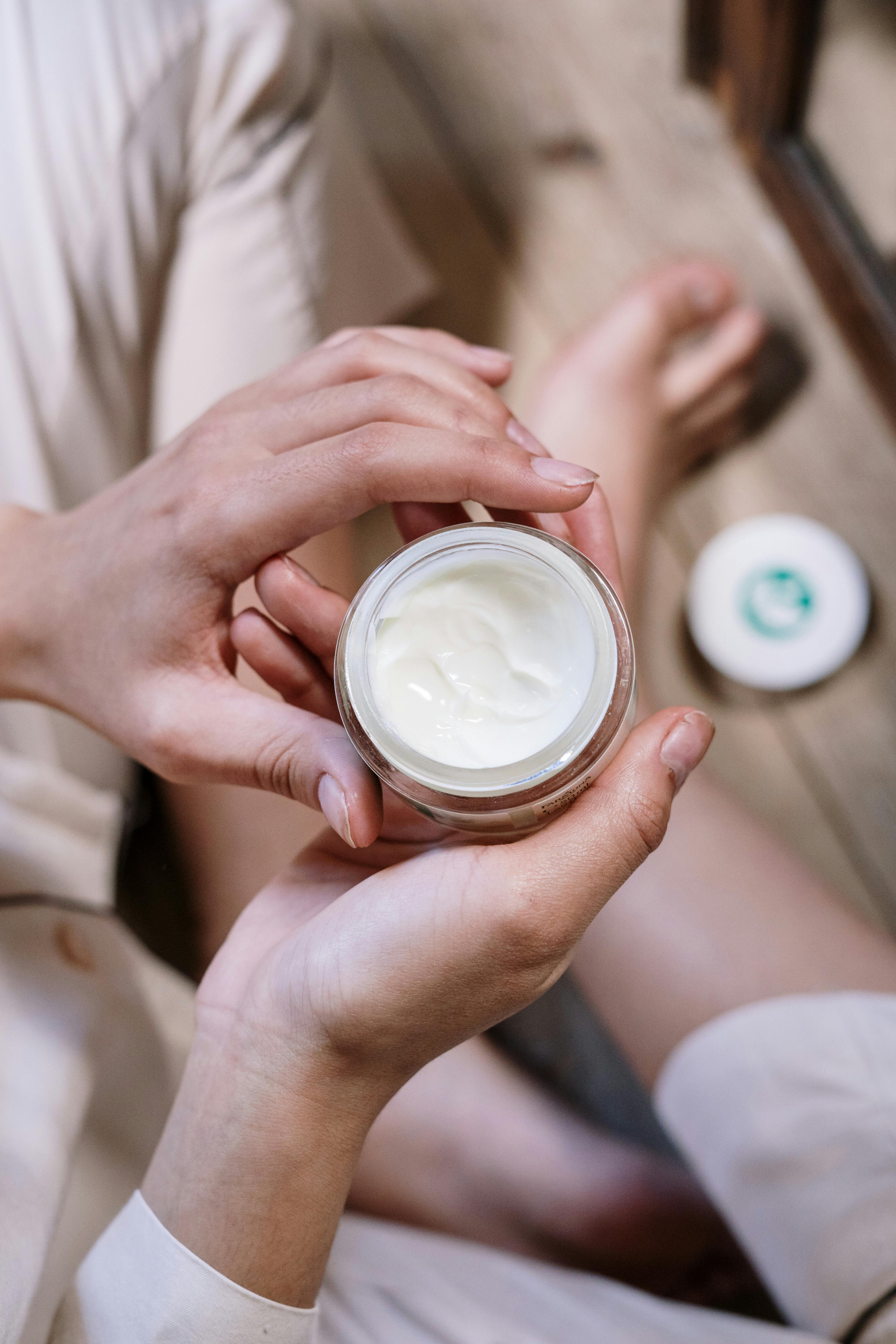
For decades acne, eczema, psoriasis, and rosacea were treated almost entirely from the outside. Creams, cleansers, peels, antibiotics, and laser treatments formed the whole arsenal. The assumption was simple. Skin problems are skin problems.
That view is changing rapidly. Dermatologists and researchers have assembled enough evidence to confirm what traditional practitioners long suspected. The gut and the skin are deeply connected, and for many people, clearer skin is less about finding the right serum and more about healing the gut that sits behind it.
This article explores what the gut skin connection actually is, the mechanisms that link them, the skin conditions most affected, and practical steps to improve your skin from the inside out.
What The Gut Skin Axis Actually Means
The gut skin axis refers to the two way communication system between the digestive tract, particularly the trillions of microbes living in the colon, and the skin. These two organs might seem unrelated, but they share more than you would expect. Both are barrier organs separating the inside of the body from the outside world. Both host complex microbial communities. Both are regulated by the immune system. And both respond rapidly to what happens in the other.
When the gut is inflamed, leaky, or populated with the wrong mix of bacteria, the skin often reflects it. When the gut is healthy and balanced, skin conditions that seemed permanent often improve or resolve.
The Key Mechanisms
Several specific pathways connect gut health to skin health. Understanding them helps explain why seemingly unrelated choices in your diet and lifestyle can show up on your face.
The gut barrier and immune regulation. The lining of your small intestine is a single cell thick barrier that controls what gets into your bloodstream. When that barrier is compromised by inflammation, stress, medications, or poor diet, partially digested food particles, bacterial fragments, and toxins can leak into circulation. This triggers systemic inflammation that frequently manifests on the skin.
The microbiome and inflammation. The bacteria in your gut produce signaling molecules that travel throughout the body. Beneficial bacteria produce short chain fatty acids like butyrate that reduce inflammation. Imbalanced bacteria can produce compounds that promote inflammation. Your skin is particularly sensitive to these systemic inflammatory signals.
Neurotransmitter production. A large portion of your neurotransmitters, including serotonin, are produced in the gut. These chemicals influence stress responses, sleep, and hormonal balance, all of which affect skin quality.
Nutrient absorption. If your gut is inflamed or poorly functioning, you may not be absorbing the zinc, vitamin A, vitamin D, omega three fatty acids, or B vitamins that skin cells need to function properly.
Hormonal metabolism. The gut plays a crucial role in processing and eliminating hormones like estrogen. Disruptions here can contribute to hormonal acne, rosacea flares, and other skin issues.
The vagus nerve and stress connection. The vagus nerve directly connects your gut and brain. Chronic stress disrupts gut function, which then drives skin inflammation, which then increases stress. It is a closed loop that can only be broken from multiple directions.
Acne And The Gut
Acne has one of the strongest gut connections in dermatology. Studies have consistently shown that people with acne have higher rates of digestive symptoms like bloating, constipation, and reflux, different gut microbiome compositions compared to people with clear skin, more intestinal permeability markers in blood tests, and worsening flares after courses of antibiotics that disrupt gut bacteria.
The food sensitivities most strongly associated with acne include dairy, particularly skim milk, and high glycemic load foods like refined sugar and refined carbohydrates. Both appear to drive acne through insulin and IGF one pathways, which are strongly influenced by gut health.
People who have tried every topical and prescription with limited results often find significant improvement by addressing gut health systematically. This is not a quick fix. Skin cell turnover takes about six weeks, so meaningful changes typically require two to three months of consistent gut focused work.
Eczema And Atopic Dermatitis
Eczema has perhaps the most robust research link to gut health of any skin condition. Children with eczema have measurable differences in gut microbiome diversity compared to children without it. Early life disruption of gut bacteria, including frequent antibiotic use, cesarean birth without breastfeeding, and highly processed diets, increases eczema risk.
Adult eczema often responds to interventions that address intestinal permeability and food sensitivities. Common triggers include dairy, gluten, eggs, soy, and nightshades in certain individuals. An elimination approach done carefully can reveal which foods are flaring your specific case.
Probiotic supplementation, particularly certain Lactobacillus and Bifidobacterium strains, has shown modest but meaningful effects on eczema in clinical trials.
Psoriasis And Systemic Inflammation
Psoriasis is fundamentally an autoimmune skin condition, and autoimmune conditions are increasingly understood as having major gut components. Research has documented gut microbiome differences in people with psoriasis, elevated markers of intestinal permeability, and associations between inflammatory bowel disease and psoriasis risk.
Some people with psoriasis see improvements with anti inflammatory dietary patterns, reduction of alcohol, addressing specific food sensitivities, and addressing candida or bacterial overgrowth. This does not replace medical treatment for moderate to severe disease, but it can support medical care and improve outcomes.
Rosacea And The Microbiome
Rosacea has one of the most interesting gut connections. Research has shown that up to forty percent of people with rosacea have small intestinal bacterial overgrowth, abbreviated SIBO. When SIBO is treated, rosacea frequently improves dramatically.
People with rosacea also have higher rates of Helicobacter pylori infection, celiac disease, and other digestive conditions. The common triggers for rosacea flares, which include alcohol, spicy foods, and certain foods, partially work through gut and inflammatory pathways.
If you have rosacea that has not responded well to topical treatment, evaluation for SIBO and other gut conditions is a reasonable step.
The Inflammation Connection
Most skin conditions share one underlying driver. Inflammation. The gut is the single largest immune organ in the body, housing roughly seventy percent of your immune cells. What happens in your gut immune system sets the inflammatory tone for your entire body, including your skin.
Chronic low grade inflammation driven by poor gut health can manifest as any of the following on the skin. Persistent acne despite skincare and prescription treatments. Eczema or dermatitis flares without clear triggers. Early or accelerated skin aging, including fine lines, loss of elasticity, and dullness. Chronic dryness and poor skin barrier function. Delayed wound healing.
Addressing the gut reduces systemic inflammation, which supports all of these skin manifestations.
A Practical Gut For Skin Protocol
For anyone with a stubborn skin condition who wants to address it from the inside out, a systematic approach over several months typically produces the best results.
Remove the most likely dietary triggers. Start with a four to six week trial removing common inflammatory foods. Dairy, refined sugar, refined flour, alcohol, and excessive processed oils are high yield starting points. Some people benefit from also eliminating gluten, eggs, or nightshades for a short trial.
Emphasize foods that support gut and skin health. Fatty fish for omega three fats, plenty of colorful vegetables for polyphenols and fiber, fermented foods if tolerated, bone broth for collagen precursors, olive oil for anti inflammatory effects, and adequate protein for skin cell production.
Add fiber gradually. Aim for thirty to forty grams daily from whole food sources. Fiber is the primary food source for beneficial gut bacteria, which produce the short chain fatty acids that reduce inflammation. Go slow if your current intake is low.
Consider strategic supplementation. Zinc, particularly zinc picolinate or zinc bisglycinate, supports both skin healing and gut barrier function. Vitamin D at appropriate doses supports immune regulation. Omega three from fish oil reduces inflammation. Probiotic supplements can help but the quality varies dramatically and specific strains matter more than generic products.
Address stress and sleep. These directly affect gut function and skin repair. Inadequate sleep alone can worsen nearly every skin condition. Chronic stress disrupts the gut microbiome within days.
Treat underlying conditions. SIBO, parasites, yeast overgrowth, and chronic infections may require specific treatment under the guidance of a qualified practitioner. Self guided protocols can help with general support but targeted conditions need targeted treatment.
Be patient. Skin reflects what happened in your gut weeks to months ago. A thirty day elimination trial often shows early benefits, but full improvement often takes three to six months. Consistency beats perfection over short windows.
What Does Not Work
Expensive probiotic supplements taken randomly without addressing diet or lifestyle rarely transform skin. Cleanses and detoxes that promise quick fixes do not address the underlying gut ecosystem. Stripping skincare routines that damage the skin barrier while working on the gut often delay visible improvement.
Focusing exclusively on one side of the equation usually disappoints. Someone who dramatically improves their diet but continues to sleep four hours and drink heavily will not see the skin improvements they want. Someone who takes every supplement but eats fast food daily will also struggle.
The Role Of Topical Care
The gut skin connection does not mean topical care is worthless. A healthy skin barrier still needs appropriate cleansing, moisturizing, sun protection, and targeted treatment for specific conditions. The point is that topical care alone often plateaus, while addressing the gut opens up improvement that was not accessible from the outside.
The ideal approach uses both. Nourish the gut to reduce inflammation and support skin cell production from the inside, while protecting and supporting the skin barrier from the outside.
When To See A Professional
Work with a dermatologist for proper diagnosis and management of moderate to severe skin conditions. Work with a functional medicine practitioner, a gastroenterologist, or a registered dietitian who specializes in gut health if initial self directed efforts do not produce clear results within three months.
Testing that can be useful includes comprehensive stool analysis, SIBO breath testing, food sensitivity evaluation when appropriate, and standard labs looking at inflammation markers, vitamin D, zinc, and other relevant nutrients.
The Bottom Line
Your skin is a reflection of what is happening inside your body, particularly inside your gut. The research linking gut health to skin health has matured enough that ignoring this connection means leaving real improvements on the table.
Clearer, calmer, more resilient skin is often accessible through patient, systematic work on the inside. Good topical care remains valuable. Medical treatment remains important for serious conditions. But for many people stuck with skin issues that have resisted every cream and prescription, the breakthrough comes from a different direction. Heal the gut, reduce the inflammation, nourish the body properly, and the skin follows.
Sources and Further Reading
Health and Beyond uses reputable medical and scientific sources where possible. These links support or expand on the topics discussed above.
- NIDDK: Digestive Diseasesniddk.nih.gov
- MedlinePlus: Digestive Diseasesmedlineplus.gov