The Overlooked Foundation of Hair Health
The hair care industry generates billions of dollars annually selling products that target the hair shaft, the visible strand of hair that is technically dead tissue. Meanwhile, the scalp, the living tissue from which all hair growth originates, receives comparatively little attention. This misplaced focus is like watering the leaves of a plant while ignoring the soil. The health of your scalp directly determines the quality, thickness, and longevity of the hair it produces.
Each hair follicle is a mini-organ embedded in the scalp, with its own blood supply, nerve connections, and sebaceous gland. The follicle's ability to produce strong, healthy hair depends on adequate blood flow delivering nutrients and oxygen, a balanced microbial environment, appropriate oil production, and absence of chronic inflammation. When any of these factors is compromised, hair quality suffers and hair loss can accelerate.
Dermatologists increasingly recognize that many common hair complaints, including thinning, breakage, slow growth, and excessive shedding, have their origin in scalp conditions rather than hair shaft damage. Addressing the scalp first often resolves hair problems that years of conditioners, serums, and treatments failed to fix.
Understanding Your Scalp Ecosystem
The scalp is a unique skin environment. It contains the highest density of hair follicles and sebaceous glands on the body, producing more oil per square centimeter than any other skin area. It maintains its own microbiome, a community of bacteria, fungi, and other microorganisms that when balanced, support healthy skin function and protect against pathogens.
The dominant fungus on healthy scalps is Malassezia, a yeast that feeds on sebum. In balanced quantities, Malassezia is harmless. When it overgrows due to excess sebum production, immune suppression, or other factors, it triggers the inflammatory response that produces dandruff and seborrheic dermatitis.
Scalp pH normally ranges between 4.5 and 5.5, slightly acidic. This acid mantle protects against microbial overgrowth and maintains the structural integrity of the skin barrier. Many shampoos and scalp products disrupt this pH, creating conditions that favor inflammation and microbial imbalance.
According to the British Journal of Dermatology, scalp inflammation, even at subclinical levels not visible to the naked eye, is associated with hair miniaturization and increased hair shedding.
Common Scalp Conditions That Affect Hair
Seborrheic Dermatitis
Seborrheic dermatitis is a chronic inflammatory condition that causes flaking, redness, and itching. It affects approximately 3 to 5 percent of the population, with higher rates in men, people with oily skin, and those with neurological conditions. The condition results from an inflammatory response to Malassezia yeast metabolites rather than from the yeast itself.
Left untreated, seborrheic dermatitis can contribute to hair thinning through chronic inflammation around the hair follicle. Treatment typically involves medicated shampoos containing ketoconazole, zinc pyrithione, selenium sulfide, or coal tar. Rotating between different active ingredients prevents adaptation.
Scalp Psoriasis
Scalp psoriasis produces thick, silvery-white scales on raised, reddish patches. It can extend beyond the hairline onto the forehead, behind the ears, and onto the neck. Unlike dandruff, psoriasis scales are thicker, more adherent, and often painful. The condition can cause temporary hair loss in affected areas, though hair typically regrows once the inflammation is controlled.
Treatment ranges from medicated shampoos and topical corticosteroids for mild cases to prescription topical treatments, phototherapy, and systemic medications for moderate to severe cases. A dermatologist can distinguish scalp psoriasis from other conditions and prescribe appropriate treatment.
Folliculitis
Folliculitis is infection or inflammation of hair follicles, appearing as small red bumps or pustules at the base of hairs. It can be caused by bacteria, fungi, or irritation from products or friction. Chronic folliculitis can damage follicles and lead to permanent hair loss if severe and untreated.
Mild folliculitis responds to antiseptic washes and warm compresses. Bacterial folliculitis may require antibiotic treatment. Fungal folliculitis requires antifungal medication. Identifying and removing the trigger, whether a product, headwear, or hygiene practice, prevents recurrence.
Contact Dermatitis
Allergic or irritant reactions to hair products can inflame the scalp and contribute to hair shedding. Common culprits include fragrances, preservatives like methylisothiazolinone, hair dyes containing paraphenylenediamine, and certain surfactants. The reaction may appear as redness, itching, burning, and scaling.
Patch testing by a dermatologist can identify specific allergens. Eliminating the offending product resolves the inflammation, though it may take several weeks for the scalp to fully recover.
Evidence-Based Scalp Optimization
Cleansing Frequency and Method
How often you should wash your hair depends on your scalp type, not a universal rule. Oily scalps benefit from daily or every-other-day washing to prevent sebum buildup that feeds Malassezia and clogs follicles. Normal scalps do well with washing every two to three days. Dry scalps may need less frequent washing to prevent stripping protective oils, though going too long between washes allows product and dead skin cell buildup.
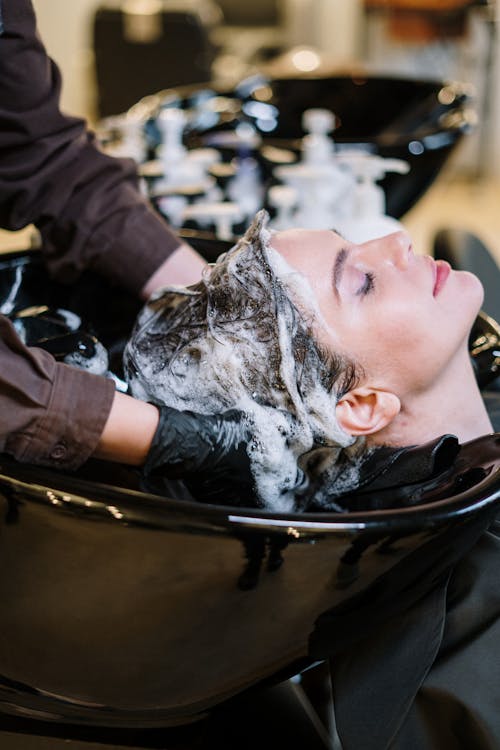
When washing, focus shampoo on the scalp rather than the hair lengths. Massage the shampoo into the scalp with fingertips, not fingernails, for 60 to 90 seconds. This ensures adequate cleansing and provides mechanical removal of dead skin cells and product residue. The lather that runs down the hair lengths during rinsing provides sufficient cleaning for the hair shaft.
Choose shampoos with a pH between 4.5 and 5.5 to maintain the acid mantle. Sulfate-free formulations are gentler but may not effectively cleanse oily scalps. The right cleanser balances adequate cleansing with minimal disruption to the scalp's protective barrier.
Scalp Exfoliation
Chemical exfoliation with salicylic acid at 2 to 3 percent concentration removes dead skin cell buildup, unclogs follicles, and reduces scalp flaking. Salicylic acid is oil-soluble, allowing it to penetrate into follicles where water-soluble ingredients cannot reach. Use a salicylic acid scalp treatment once weekly to maintain clear, unclogged follicles.
Physical exfoliation with gentle scalp scrubs or silicone scalp brushes provides mechanical removal of buildup and stimulates blood flow. Avoid aggressive scrubbing that can irritate the scalp and damage hair at the root. Gentle circular motions with moderate pressure are sufficient.
Scalp Massage
Regular scalp massage has limited but encouraging evidence for hair health. A study in ePlasty found that standardized scalp massage for 24 weeks increased hair thickness in participants. The proposed mechanisms include increased blood flow delivering more nutrients and oxygen to follicles, mechanical stretching of dermal papilla cells which may stimulate growth signaling, and reduced scalp tension which has been theorized to contribute to pattern hair loss.
Four to five minutes of daily scalp massage using fingertips with moderate pressure costs nothing, carries no risk, and may provide benefit. Use during shampoo application or with a scalp oil as part of your routine.
Protecting the Scalp Microbiome
Just as gut microbiome health influences digestive function, scalp microbiome balance influences scalp health. Avoid over-cleansing or using excessively harsh products that strip the scalp of all microorganisms. After treating conditions like dandruff with antifungal shampoos, rebalancing the microbiome with gentler products supports long-term health.
Probiotic scalp treatments are an emerging category with limited but growing evidence. Topical application of beneficial bacterial strains has shown promise in preliminary studies for reducing dandruff and scalp inflammation. This area is developing rapidly and may produce effective products in coming years.
Sun Protection
The scalp is frequently exposed to UV radiation, particularly at the part line and in areas of thinning hair. Sun damage to the scalp causes chronic inflammation, damages follicle stem cells, and increases skin cancer risk. The scalp is one of the most common sites for melanoma and other skin cancers.
Protect the scalp with hats, UV-protective spray sunscreen formulated for the scalp, or mineral sunscreen powder applied along the part line. According to the Skin Cancer Foundation, the scalp should be included in regular skin cancer screenings and self-examinations.
When to See a Dermatologist
Persistent scalp itching, pain, or burning that does not respond to over-the-counter treatments warrants evaluation. Sudden or patchy hair loss, scaling or crusting that bleeds or weeps, and any new or changing mole or lesion on the scalp should be examined by a dermatologist.
A scalp biopsy can diagnose conditions that are not clinically obvious, including early scarring alopecia, scalp psoriasis mimicking other conditions, and rare scalp disorders. Early diagnosis and treatment of inflammatory scalp conditions prevent permanent follicle damage and irreversible hair loss.
Building Your Scalp Care Routine
An effective scalp care routine does not need to be complex. Cleanse at an appropriate frequency for your scalp type with a pH-balanced shampoo. Exfoliate once weekly with a salicylic acid treatment. Massage your scalp daily for four to five minutes. Protect the scalp from sun exposure. Address any scalp conditions promptly rather than ignoring them.
This foundation supports the conditions that hair follicles need to function optimally: adequate blood flow, balanced oil production, controlled microbial populations, and absence of chronic inflammation. Your hair grows from your scalp, and its health starts there.
Sources and Further Reading
Health and Beyond uses reputable medical and scientific sources where possible. These links support or expand on the topics discussed above.
- British Journal of Dermatologyacademic.oup.com
- ePlastyncbi.nlm.nih.gov
- Skin Cancer Foundationskincancer.org