You made it through pregnancy, childbirth, and the sleepless first weeks with your newborn. Now, around three months after delivery, you are standing in the shower pulling alarming clumps of hair from your head. Hair covers your pillow, clogs the drain, and clings to every surface in your home. You might wonder if something is wrong — if you are losing your hair permanently, if a nutritional deficiency or thyroid problem is to blame, or if the stress of new motherhood is literally making your hair fall out.
The reality is much simpler and much more reassuring. Postpartum hair loss — medically known as postpartum telogen effluvium — is a normal physiological response to the dramatic hormonal shifts that follow childbirth. It affects roughly 40 to 50 percent of women in the months after delivery, and while it can look frightening, it is almost always temporary and self-resolving.
The Hormonal Science Behind Postpartum Hair Loss
To understand why hair falls out after pregnancy, you first need to understand what happens to your hair during pregnancy. Under normal circumstances, approximately 85 to 90 percent of your scalp hairs are in the anagen (active growth) phase at any given time, while 10 to 15 percent are in the telogen (resting) phase. At the end of the telogen phase, resting hairs naturally shed — most women lose 50 to 100 hairs daily under normal conditions without noticing any thinning.
During pregnancy, elevated estrogen and progesterone levels extend the anagen growth phase, preventing the normal daily shedding that keeps hair in a constant cycle of renewal. The result is that fewer hairs enter the resting and shedding phases, so hair becomes thicker and more voluminous during the second and third trimesters. Many pregnant women enjoy noticeably fuller, shinier hair — it is one of the few universally appreciated pregnancy side effects.
After delivery, estrogen and progesterone levels plummet rapidly back to pre-pregnancy baseline. This sudden hormonal withdrawal causes a large percentage of hairs — all those hairs that were held in the extended growth phase by pregnancy hormones — to simultaneously shift into the telogen resting phase. According to the American Academy of Dermatology, this synchronized transition means that roughly two to four months later, when those telogen hairs reach the end of their resting phase, they all shed at once rather than gradually.
What you are experiencing is not your hair dying or your follicles failing. It is your hair cycle resynchronizing after being disrupted by pregnancy hormones. The hairs you are losing were going to shed eventually — pregnancy simply delayed their natural shedding, and now they are all catching up at the same time.
Timeline: What to Expect and When
First Three Months Postpartum
Most women do not notice significant hair changes during the immediate postpartum period. You may still have the full, thick hair that developed during pregnancy. Some women notice a few extra hairs on their brush or pillow during this period, but nothing dramatic.
Three to Six Months Postpartum
This is when postpartum hair loss typically peaks. The shedding can be genuinely startling — handfuls of hair coming out in the shower, hair covering clothing and furniture, and visible thinning particularly around the temples, hairline, and part line. Some women describe it as losing hair in "clumps" or finding hair everywhere they look.
The volume of shedding varies considerably between women. Some experience mild thinning that only they notice, while others lose enough hair that the scalp becomes visible through the remaining hair. The extent of shedding often (but not always) correlates with how much thickening occurred during pregnancy — women who gained the most pregnancy-related fullness tend to lose more afterward because they have more "extra" hairs to shed.
Six to Twelve Months Postpartum
For most women, the excessive shedding slows significantly by about six months postpartum and resolves completely within twelve months. New regrowth typically becomes visible as short "baby hairs" sprouting around the hairline and part line during this period. These short hairs may initially stick up at awkward angles, creating a fuzzy fringe that some women find cosmetically frustrating even though it represents healthy recovery.
Twelve Months and Beyond
By the first birthday of your child, your hair should be well on its way back to its pre-pregnancy thickness and growth pattern. Complete restoration to your pre-pregnancy hair density typically occurs within 12 to 18 months after delivery. However, it is worth noting that some women feel their hair never quite returns to exactly the same thickness — this may reflect natural aging-related hair changes that were happening independently of pregnancy.
When Postpartum Hair Loss May Signal Something Else
While postpartum hair loss is overwhelmingly normal and temporary, certain red flags suggest you should discuss your hair loss with your doctor rather than assuming it is routine postpartum shedding.
Hair loss that begins before three months postpartum may indicate a different cause, as telogen effluvium typically has a two to four month delay between the triggering event and the onset of shedding.
Hair loss that continues beyond twelve months postpartum without improvement warrants investigation. By this point, your hormone levels have stabilized and normal hair cycling should have resumed. Persistent shedding may indicate thyroid dysfunction (extremely common postpartum), iron deficiency, or another underlying condition.
Patchy hair loss — distinct round or oval bald patches rather than diffuse thinning — may indicate alopecia areata, which can be triggered by the immune system changes of pregnancy and postpartum. This requires different treatment than telogen effluvium.
Thyroid dysfunction deserves particular attention. Postpartum thyroiditis affects approximately 5 to 10 percent of women and can cause hair loss that mimics or compounds normal postpartum shedding. Both hypothyroidism and hyperthyroidism cause hair thinning. According to the National Institute of Diabetes and Digestive and Kidney Diseases, a simple blood test can rule this out.
Iron deficiency is common postpartum due to blood loss during delivery and the increased iron demands of breastfeeding. Since iron deficiency independently causes hair shedding, it can amplify or prolong postpartum telogen effluvium. Ask your doctor to check your ferritin level — levels below 30 nanograms per milliliter are associated with increased hair loss.
Nutritional Support for Hair Recovery
While you cannot prevent the hormonal trigger of postpartum hair loss, you can ensure your body has the nutritional building blocks needed for efficient hair regrowth.
Protein
Hair is made primarily of keratin protein, and the rapidly dividing cells of the hair matrix require adequate amino acid supply. New mothers — especially those who are breastfeeding — need approximately 1.0 to 1.2 grams of protein per kilogram of body weight daily. Good sources include eggs, lean meats, fish, Greek yogurt, legumes, and nuts. Inadequate protein intake slows hair regrowth and can prolong the recovery period.
Iron
If your doctor confirms low ferritin levels, iron supplementation can accelerate hair recovery. Take iron supplements with vitamin C to enhance absorption and avoid taking them with calcium, coffee, or tea, which inhibit iron absorption. Dietary iron sources include red meat, dark leafy greens, lentils, fortified cereals, and pumpkin seeds.
Omega-3 Fatty Acids
Omega-3s support scalp health, reduce inflammation around hair follicles, and may help regulate the hair growth cycle. Fatty fish (salmon, sardines, mackerel), walnuts, chia seeds, and flaxseeds are excellent sources. If you are breastfeeding, omega-3s from fish or algae-based supplements also benefit your baby's brain development — a dual benefit.
Vitamin D
Vitamin D deficiency is extremely common postpartum and has been linked to hair loss in multiple studies. Ask your doctor to check your levels. Most experts recommend maintaining serum 25-hydroxyvitamin D above 30 nanograms per milliliter, with supplementation as needed to achieve this goal.
Biotin
While biotin deficiency can cause hair loss, clinical biotin deficiency is rare in women eating a varied diet. Taking biotin supplements when you are not deficient is unlikely to improve hair growth. If you want to ensure adequate intake, foods like eggs, almonds, sweet potatoes, and spinach provide natural biotin without the need for supplements.
What About Prenatal Vitamins?
Continuing your prenatal vitamin postpartum — especially while breastfeeding — ensures baseline coverage of iron, folic acid, vitamin D, and other nutrients. However, no supplement will prevent the hormonally driven shedding of postpartum telogen effluvium. Prenatal vitamins support the regrowth phase by ensuring nutrient availability for new hair production.
Hair Care During the Shedding Phase
How you handle your hair during the active shedding phase will not change how much hair falls out — that is determined by hormonal cycling — but thoughtful hair care can minimize breakage of remaining hairs and support the cosmetic appearance of your hair during recovery.
Gentle Handling
Avoid tight hairstyles that put tension on the hair root — ponytails, braids, buns, and clips that pull on the hairline can cause additional hair loss called traction alopecia on top of normal postpartum shedding. Opt for loose styles that do not stress the follicle.
Brush hair gently using a wide-toothed comb or a detangling brush designed to minimize pulling. Start from the ends and work upward to prevent snapping already-weakened hairs. Avoid brushing wet hair, which is significantly weaker and more prone to breakage.
Washing and Conditioning
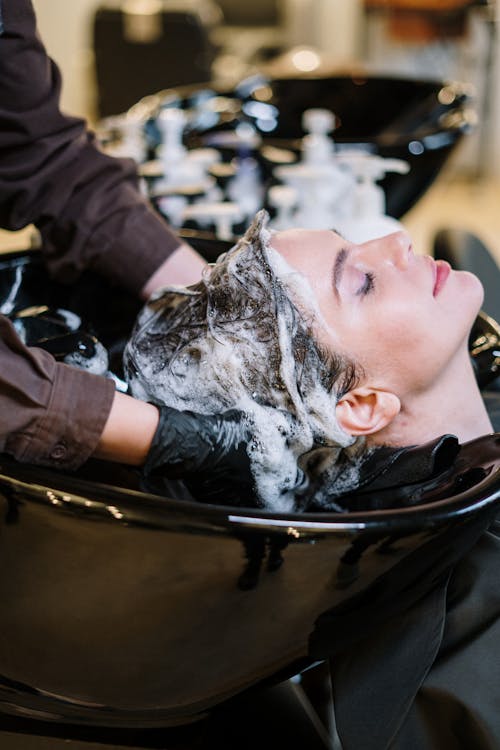
You may feel tempted to wash your hair less frequently to avoid seeing hair fall out. This does not actually reduce the total amount of shedding — it just means more hairs accumulate and come out in larger clumps during each wash, which looks more alarming. Washing on your normal schedule or every two to three days is perfectly fine.
Use a volumizing shampoo that does not weigh hair down and a lightweight conditioner applied only to the ends. Avoid heavy conditioning masks or oils applied to the scalp, which can make thinning hair appear more flat and sparse.
Heat Styling
Minimize the use of blow dryers, flat irons, and curling irons during the active shedding period. Heat damages the hair shaft and can cause breakage that compounds the visual thinning from telogen effluvium. When you do use heat tools, always apply a heat protectant and use the lowest effective temperature.
Chemical Treatments
Postpone hair coloring, perming, and chemical straightening treatments until the shedding phase has resolved and new growth is established. These treatments do not cause the hormonal shedding, but they can weaken the hair shaft and cause additional breakage during a time when your hair is already thinner than usual.
Styling Tips to Camouflage Thinning
While waiting for recovery, several styling strategies can help your hair appear fuller.
A shorter haircut can create the illusion of more volume because shorter hair is lighter and stands away from the scalp more easily. Layers add movement and texture that disguise thinning areas. Many women find that cutting their hair to shoulder length or above during the shedding phase makes the thinning far less noticeable.
Changing your part can instantly camouflage a widened part line. If you typically part your hair in the center, try a deep side part — this redistributes hair to cover areas where the scalp might be showing through.
Root-lifting sprays and volumizing powders applied at the base of the hair create lift at the scalp line. Dry shampoo absorbs oil and adds texture that makes fine, thinning hair appear thicker. Color-depositing products that match your hair color can be applied along the part line to reduce the visible contrast between hair and scalp.
The Emotional Side of Postpartum Hair Loss
The physical changes of postpartum hair loss are temporary, but the emotional impact can feel disproportionately heavy — especially coming on top of the exhaustion, body changes, and emotional upheaval of new motherhood. Your hair is tied to your identity and self-image, and watching it fall out during an already vulnerable time can trigger sadness, anxiety, and frustration.
These feelings are completely valid. Do not dismiss them because the condition is "just temporary" or "just cosmetic." If hair loss is significantly affecting your mood, self-confidence, or willingness to engage socially, talk to your partner, a friend, or your healthcare provider. Postpartum depression and anxiety are common and can amplify the distress caused by physical changes like hair loss.
Remind yourself that this is a temporary phase with a clear biological explanation and a predictable resolution timeline. The hair you are losing was always going to shed — pregnancy just delayed the inevitable and then dropped it on you all at once. Your follicles are intact, your regrowth is coming, and within a year, you will look back on the shedding phase as a distant memory.
Moving Forward
Postpartum hair loss is one of those aspects of motherhood that nobody warns you about in advance. It can feel isolating when you are the only one in your friend group dealing with clumps of hair in the drain while simultaneously navigating sleep deprivation and new-parent anxiety. But it is remarkably common, thoroughly understood by science, and overwhelmingly temporary.
Support your recovery with good nutrition, gentle hair care, and patience. Flag any concerns with your doctor, especially if shedding persists beyond twelve months or is accompanied by other symptoms. And extend yourself the same grace you would offer any friend going through a temporary but frustrating physical change — your body did something extraordinary, and your hair is simply taking its time to catch up.
Sources and Further Reading
Health and Beyond uses reputable medical and scientific sources where possible. These links support or expand on the topics discussed above.