The beauty industry spends billions annually marketing products for hair strands while largely ignoring the skin from which those strands grow. This approach is like fertilizing plant leaves while neglecting the soil. Your scalp is living tissue that houses approximately 100,000 hair follicles, each requiring adequate blood supply, proper sebum balance, a healthy microbiome, and an inflammation-free environment to produce strong, healthy hair. When scalp health deteriorates, hair quality follows, regardless of how many expensive conditioners and treatments you apply to the strands themselves.
The growing recognition of scalp health as the foundation of hair quality has shifted dermatological thinking and consumer awareness alike. Treating the scalp as a distinct skin ecosystem with its own needs, conditions, and maintenance requirements represents a more effective approach to hair concerns than addressing strand damage alone.
The Scalp as an Ecosystem
Your scalp is the thickest skin on your body, rich with blood vessels, sebaceous glands, and hair follicles that create a unique microenvironment distinct from skin elsewhere. This environment harbors a diverse microbiome of bacteria, fungi, and mites that, when balanced, contribute to scalp health and, when disrupted, drive conditions from dandruff to hair loss.
Sebaceous glands in the scalp are among the most active in the body, producing sebum that lubricates hair shafts, moisturizes scalp skin, and provides antimicrobial protection. The scalp produces more sebum per square centimeter than any other body surface. This high sebum production creates a lipid-rich environment that influences which microbial species thrive and which are kept in check.
The scalp microbiome is dominated by Malassezia yeasts and Cutibacterium bacteria, organisms that coexist harmlessly when balanced but can trigger inflammatory conditions when their populations shift. Malassezia feeds on sebum lipids, and its overgrowth is directly linked to seborrheic dermatitis and dandruff. Understanding this microbial balance explains why scalp conditions respond to antimicrobial treatments and why disrupting the microbiome through overwashing or harsh products can paradoxically worsen scalp problems.
According to the American Academy of Dermatology, scalp health directly influences hair growth cycle dynamics. Each hair follicle cycles through growth, regression, and resting phases. Scalp inflammation, restricted blood flow, excessive sebum, and microbial imbalance can shorten the growth phase, increase follicle miniaturization, and ultimately lead to thinner, weaker hair and accelerated shedding.
How Inflammation Sabotages Hair Growth
Chronic low-grade scalp inflammation is perhaps the most common and most underrecognized barrier to healthy hair growth. Unlike acute inflammation that produces obvious redness and pain, chronic microinflammation smolders beneath the surface, gradually damaging hair follicles without producing symptoms dramatic enough to prompt treatment.
Perifollicular inflammation, or inflammation around the hair follicle, disrupts the follicle's growth cycle and triggers premature entry into the resting phase. Over time, repeated inflammatory insults cause follicular miniaturization, where the follicle shrinks progressively with each growth cycle, producing thinner and shorter hair until eventually it stops producing visible hair altogether. This process drives androgenetic alopecia and contributes to thinning in many other hair loss conditions.
Inflammatory triggers on the scalp include microbial overgrowth, product irritation from sulfates and fragrances, mechanical stress from tight hairstyles, UV radiation damage, pollution exposure, and systemic inflammation from diet and stress that manifests in the scalp along with other tissues. Identifying and addressing individual inflammatory triggers forms the foundation of a scalp health strategy.
Oxidative stress compounds inflammatory damage. Free radicals generated by UV exposure, pollution, and metabolic processes damage follicular cells and the surrounding extracellular matrix. The scalp, frequently exposed to environmental stressors yet rarely protected by sunscreen, accumulates oxidative damage that accelerates follicle aging and reduces hair production capacity.
Product Buildup and Its Consequences
Modern hair care routines often involve layering multiple products including shampoo, conditioner, leave-in treatments, oils, serums, heat protectants, and styling products. While individual products may benefit the hair shaft, their collective residue accumulates on the scalp, creating a film that interferes with normal scalp function.
Silicone buildup from conditioners and styling products creates a waterproof coating on the scalp that traps sebum, dead skin cells, and bacteria beneath it. Over time, this layer suffocates the scalp environment, clogs follicular openings, and creates conditions favorable for microbial overgrowth. The irony is that many products designed to make hair look better simultaneously compromise the scalp health needed to grow better hair.
Product residue mixes with the scalp's natural sebum and dead skin cells to form a composite buildup that cannot be fully removed by regular shampooing, especially with gentle, sulfate-free cleansers. This explains why some people experience scalp itching, flaking, or oiliness despite washing frequently, as they are cleaning the surface without penetrating the accumulated residue layer.
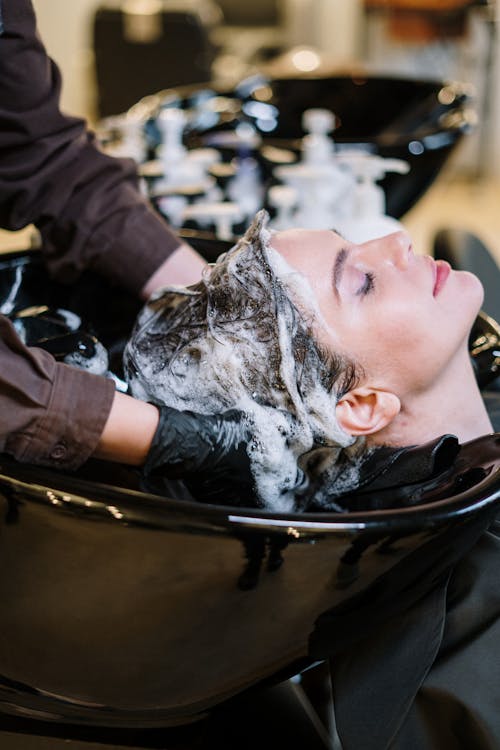
Clarifying treatments, whether through occasional use of clarifying shampoos, scalp scrubs with gentle physical exfoliants, or chemical exfoliants like salicylic acid, remove accumulated buildup and restore the scalp's ability to breathe, regulate sebum, and maintain microbial balance. Monthly clarifying sessions prevent chronic buildup while preserving the scalp's natural protective oils.
The Scalp Microbiome and Hair Quality
Research into the scalp microbiome has revealed that microbial diversity correlates with scalp health and hair quality, mirroring findings about gut microbiome diversity and digestive health. A diverse, balanced scalp microbiome provides competitive exclusion against pathogenic organisms, supports immune regulation, and contributes to the controlled inflammation resolution needed for normal follicular cycling.
Dandruff and seborrheic dermatitis, affecting up to 50 percent of the adult population, result primarily from Malassezia yeast overgrowth and the scalp's inflammatory response to byproducts of Malassezia's metabolism of sebum lipids. The oleic acid produced by Malassezia as it digests sebum penetrates the stratum corneum and triggers the irritation, flaking, and itching characteristic of these conditions.
According to Harvard Health Publishing, antifungal ingredients including zinc pyrithione, ketoconazole, selenium sulfide, and piroctone olamine effectively reduce Malassezia populations and manage dandruff symptoms. Rotating between different antifungal agents prevents the development of resistance and maintains efficacy over long-term use.
Bacterial balance matters alongside fungal balance. Staphylococcus species, when overgrown, contribute to folliculitis, itching, and inflammation that damages hair follicles. Maintaining scalp hygiene without stripping all microbial life supports the balanced ecosystem where commensal organisms keep potential pathogens in check.
Probiotics applied topically to the scalp represent an emerging approach to microbiome management. Early research suggests that specific bacterial strains applied to the scalp can improve microbial diversity, reduce inflammatory markers, and improve subjective scalp comfort. While this field remains in its infancy, the principle of supporting beneficial organisms rather than solely attacking harmful ones aligns with successful microbiome management strategies in other body sites.
Blood Flow and Nutrient Delivery
Hair follicles are among the most metabolically active structures in the body, dividing more rapidly than almost any other cell type during the growth phase. This intense metabolic demand requires robust blood supply delivering oxygen, glucose, amino acids, vitamins, and minerals to follicular cells.
Scalp blood flow decreases with age, potentially contributing to age-related hair thinning beyond hormonal influences. The dermal papilla at the base of each follicle depends on capillary blood flow to fuel hair production, and reduced perfusion correlates with follicular miniaturization and shortened growth phases.
Scalp massage increases local blood flow by 10 to 25 percent during and immediately following massage, according to studies using laser Doppler flowmetry. Regular scalp massage, performed for four to five minutes daily, has been shown in small studies to increase hair thickness over 24 weeks. While the evidence base remains modest, the mechanism is plausible, the intervention carries no risk, and many practitioners report improvements.
Minoxidil, the only topical medication FDA-approved for hair regrowth in both men and women, works partly through vasodilation that increases follicular blood supply. Its mechanism involves opening potassium channels in vascular smooth muscle, dilating the blood vessels that feed hair follicles and prolonging the growth phase of the hair cycle.
Exercise promotes scalp blood flow through systemic cardiovascular improvement. Regular aerobic activity increases cardiac output, improves vascular function, and reduces the peripheral vascular resistance that limits blood flow to extremities including the scalp. The stress reduction and hormonal benefits of exercise provide additional hair-supportive effects.
Building a Scalp-First Hair Care Routine
Transitioning to a scalp-health-centered approach does not require abandoning hair care but rather rebalancing priorities to address the foundation before the structure.
Cleansing frequency should match your scalp type rather than following arbitrary rules. Oily scalps may need daily cleansing to prevent sebum accumulation and microbial overgrowth, while drier scalps may thrive with every-other-day or twice-weekly washing. The goal is a clean but not stripped scalp that maintains its protective acid mantle and lipid barrier.
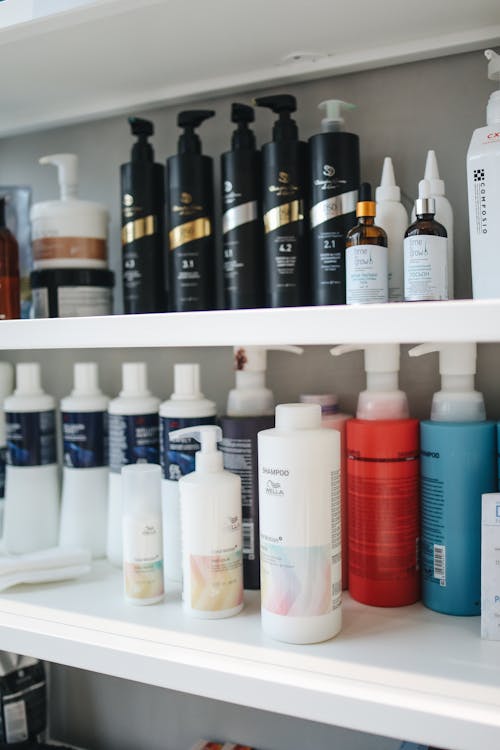
Choose shampoos based on scalp needs rather than hair type claims. A scalp prone to buildup benefits from periodic clarifying formulas. A scalp with dandruff needs antifungal active ingredients. A sensitive, easily irritated scalp requires fragrance-free, gentle surfactant formulas. The shampoo's job is to clean the scalp while the conditioner's job is to treat the hair shaft, and these functions should be optimized independently.
Apply conditioner to mid-lengths and ends only, keeping it away from the scalp where it contributes to buildup. This simple technique, practiced inconsistently by many, prevents the most common source of product accumulation on the scalp while still delivering moisture and detangling benefits to the hair.
Incorporate weekly scalp treatments as a non-negotiable part of your routine. Scalp serums containing ingredients like niacinamide, salicylic acid, tea tree oil, or zinc address specific concerns while chemical or physical exfoliation removes dead skin and product residue. Think of these treatments as the equivalent of a facial skincare routine adapted for the scalp.
Protect the scalp from sun exposure through hats, UV-protective sprays, or simple awareness about parting patterns that expose the same scalp area to repeated UV damage. Scalp sunburn causes inflammation, damages follicles, and increases skin cancer risk on a body area that is difficult to examine personally.
Monitor changes in your scalp condition as potential indicators of systemic health issues. New onset scalp itching, flaking, tenderness, or hair shedding can signal thyroid dysfunction, iron deficiency, hormonal changes, autoimmune conditions, or stress responses that warrant medical evaluation beyond topical treatment. Your scalp often reflects your internal health status before other symptoms appear, making it a valuable early warning system when you pay attention to what it communicates.
Sources and Further Reading
Health and Beyond uses reputable medical and scientific sources where possible. These links support or expand on the topics discussed above.
- American Academy of Dermatologyaad.org
- Harvard Health Publishinghealth.harvard.edu