Eczema affects more than 30 million Americans and hundreds of millions globally. Despite how common it is, effective management eludes many people. The standard advice to moisturize and avoid irritants barely scratches the surface of what eczema actually requires. People suffer for years with sleep disrupting itch, visible lesions that affect their confidence, and the constant low grade frustration of a condition that flares unpredictably.
The encouraging news is that eczema research has advanced dramatically in the past decade. New treatments have emerged. The understanding of what drives flares has deepened. And an informed management approach can take most cases from miserable to manageable, sometimes even to long stretches of clear skin.
This guide explains what eczema is, why it happens, and how to build a comprehensive approach that addresses the actual causes rather than just chasing symptoms.
What Eczema Actually Is
Eczema is a broad term that includes several related conditions. Atopic dermatitis is the most common and what most people mean when they say eczema. Others include contact dermatitis from allergens or irritants, dyshidrotic eczema that affects hands and feet, nummular eczema with coin shaped patches, and seborrheic dermatitis that often affects the scalp and face.
At the skin level, eczema involves two main problems working together. The skin barrier is compromised, meaning it does not hold moisture well and does not effectively block irritants and allergens from entering. Meanwhile the immune system overreacts to substances that normally should not cause problems, creating the inflammation that produces the visible rash and the intense itch.
These two problems feed each other. A damaged barrier lets more potential triggers through to reach the immune system. An overreactive immune system further damages the barrier. Breaking this cycle requires addressing both sides simultaneously.
The Genetics Behind Eczema
A significant portion of eczema traces to genetic variations in a protein called filaggrin. This protein is essential for building a functional skin barrier. People with filaggrin mutations often have dry skin, eczema, food allergies, and asthma. Roughly 10 percent of people in Western populations carry these mutations, and they are significantly more common in people with eczema.
Filaggrin deficiency explains why moisturizing is so important in eczema management. Your skin physically cannot retain moisture the way genetically normal skin does, so you have to supply it externally and repeatedly.
The atopic march describes how genetic predisposition often manifests in a specific pattern. Eczema typically starts in infancy. Food allergies often develop next. Asthma appears in childhood. Hay fever rounds out the pattern in later childhood and adolescence. Understanding this pattern helps predict and sometimes prevent subsequent conditions.
Common Triggers and How to Identify Yours
Eczema triggers vary enormously between people. What flares one person leaves another completely unaffected. Identifying your personal triggers is essential for long term management.
Common triggers include dry air, especially in winter heating or summer air conditioning. Hot water in showers strips protective oils and dries the skin. Fragranced products in soaps, lotions, laundry detergents, and cleaning products trigger many people. Wool and synthetic fabrics irritate sensitive skin. Sweating from heat or exercise can provoke flares. Stress consistently worsens eczema through hormonal and immune pathways. Certain foods, particularly dairy, eggs, nuts, soy, wheat, and fish, trigger some people but not others. Dust mites, pet dander, and pollen affect some eczema patients significantly. Seasonal changes often disrupt the skin and immune balance.
The best approach to identifying triggers is careful observation. Keep a simple diary for four to six weeks noting what you ate, products you used, stress levels, and environmental factors alongside eczema severity. Patterns often emerge that are not obvious from memory alone.
Allergy testing can identify some but not all triggers. Skin prick testing and blood tests reveal IgE mediated allergies but miss many relevant eczema triggers which work through different immune pathways. Patch testing specifically identifies contact dermatitis triggers and is worth considering if your eczema is localized.
The Foundation of Eczema Management
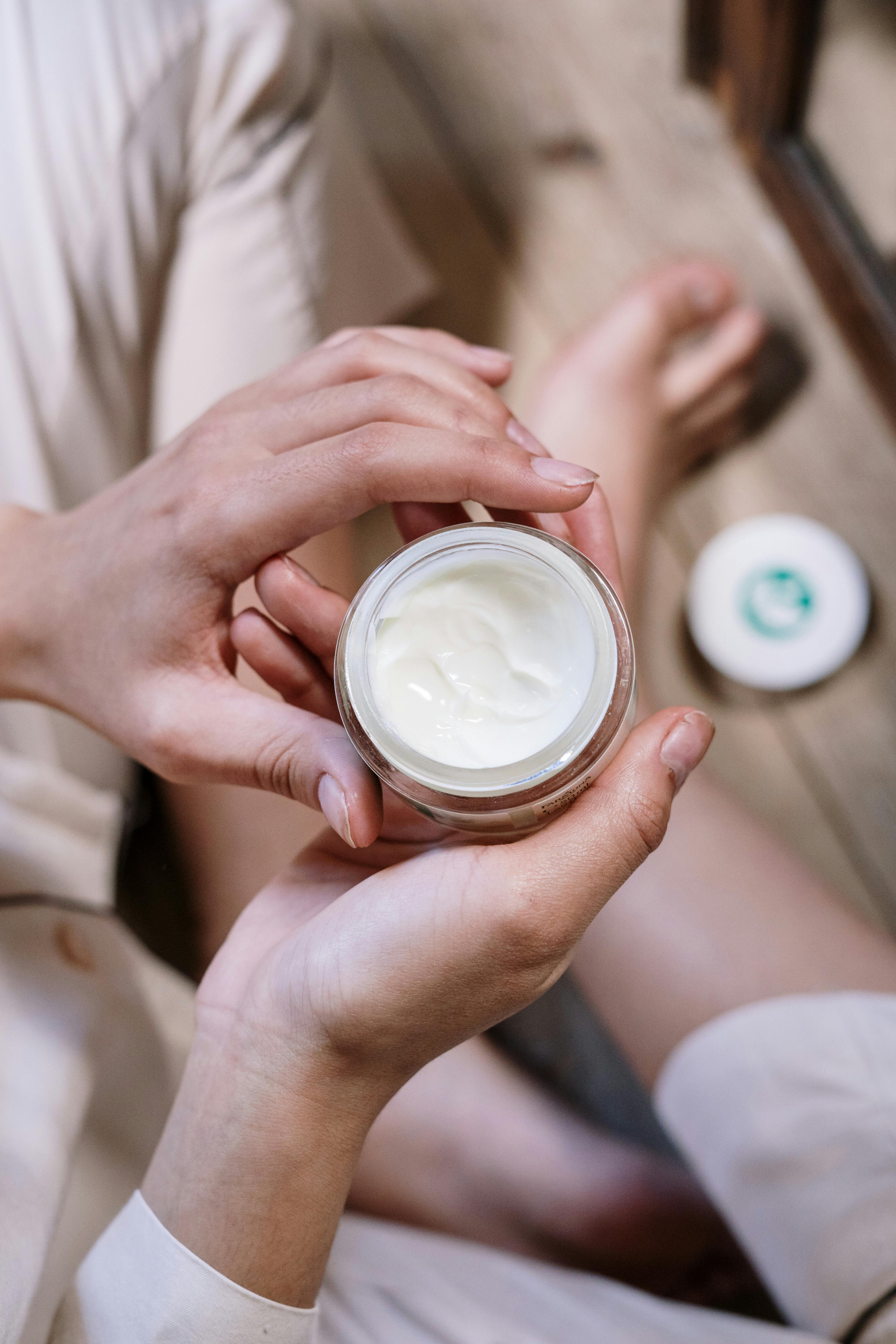
Consistent moisturization is the single most important habit in eczema management. Not occasional moisturizing. Consistent moisturizing, applied to the entire body or affected areas, at least once daily and often twice.
The best moisturizers for eczema are thick, fragrance free, and contain ingredients that both occlude and attract moisture. Petrolatum based products like Vaseline provide strong occlusion. Ceramide containing creams like CeraVe and Aveeno Eczema Therapy rebuild the barrier. Humectants like glycerin and hyaluronic acid attract moisture. Avoid products with fragrance, including natural fragrances from essential oils.
Application timing matters. Moisturize within three minutes of bathing when the skin is still damp. This traps moisture in the skin rather than letting it evaporate. Reapply during the day as needed, especially after washing hands, swimming, or any activity that removes the moisturizer.
The quantity needed surprises most people. A person with whole body eczema typically uses several hundred grams of moisturizer per week, not the small amounts most people apply. If your moisturizer lasts months, you are not using enough.
Bathing should be brief and lukewarm. Long hot showers dry the skin. Daily quick baths with gentle non soap cleansers followed immediately by moisturization is better than skipping bathing. Some eczema experts recommend daily soak and seal bathing where a 10 minute lukewarm bath is immediately followed by thick moisturizer.
Over the Counter Treatments
Beyond moisturizers, several over the counter options can help manage flares.
Hydrocortisone 1 percent cream reduces inflammation and itch during mild flares. Use for short periods of a few days to a week. Long term use of topical steroids, even mild ones, thins the skin and can cause rebound flares. Do not use on the face, armpits, or groin without medical guidance.
Colloidal oatmeal baths provide immediate relief during itchy flares. Products like Aveeno Soothing Bath Treatment or pure colloidal oatmeal added to warm water calm irritated skin.
Wet wrap therapy during severe flares involves applying moisturizer, then damp cotton clothing or wraps, topped with dry clothing, left on for several hours or overnight. This aggressive hydration helps severe flares rapidly but is not a daily strategy.
Antihistamines at bedtime can reduce nighttime itch that disrupts sleep. First generation antihistamines like diphenhydramine cause drowsiness which can help sleep but also affects next day alertness. Second generation antihistamines like cetirizine cause less drowsiness and provide daytime itch relief.
Prescription Treatments Worth Knowing About
When over the counter approaches fail, several prescription options exist.
Topical corticosteroids in various strengths remain first line prescription treatment for eczema flares. Used appropriately they control inflammation effectively. Used inappropriately they can thin skin and cause other side effects. Work with a physician to use the right strength in the right locations for the right duration.
Topical calcineurin inhibitors like tacrolimus and pimecrolimus provide an alternative to steroids, particularly for face and other sensitive areas. They work by suppressing immune activity without the skin thinning effects of steroids.
Topical JAK inhibitors like ruxolitinib cream are newer options that block inflammatory signaling pathways. Studies show significant eczema improvement with fewer side effects than systemic treatments.
Dupilumab, an injectable biologic, transformed severe eczema treatment when it was approved. It blocks key inflammatory signals and produces dramatic improvement in many patients who failed other treatments. Other biologics have since followed.
Oral JAK inhibitors provide systemic treatment for severe eczema. Medications like upadacitinib and abrocitinib offer fast, strong results but require monitoring for side effects.
Phototherapy using narrow band UVB can help severe or widespread eczema. Treatments require multiple sessions per week for months but produce good results in many patients.
The Role of the Gut and Immune System
Research increasingly links the gut microbiome to skin health including eczema. Early life antibiotic use, cesarean delivery, and lack of breastfeeding all correlate with higher eczema rates, likely through effects on gut microbiome development.
Probiotics show modest but real benefits in some eczema studies. Effects vary by strain, dose, and patient. Lactobacillus rhamnosus GG and Bifidobacterium lactis have the most supporting evidence. Probiotics may be particularly helpful during pregnancy and infancy for eczema prevention in high risk families.
Skin microbiome matters too. Eczema prone skin has less diverse bacterial communities and higher levels of Staphylococcus aureus. This bacterium produces toxins that drive inflammation and flares. Bleach baths using half a cup of bleach in a full tub of water, taken twice weekly, can reduce staph levels and improve severe eczema.
Eczema in Different Life Stages
Infant eczema often starts on the cheeks and spreads to arms and legs. Management focuses on gentle skin care, thick moisturizers, and identifying food triggers if present. Most infant eczema improves or resolves as children age, though children with significant eczema often develop other atopic conditions.
Childhood eczema typically involves the elbow and knee creases, neck, and hands. School related triggers like stress, food choices, and environmental exposures complicate management. Consistent routines become crucial.
Adolescent eczema often flares around hormonal changes and increased stress. Self image concerns add emotional weight to the physical condition.
Adult eczema can persist from childhood or emerge for the first time. New adult eczema deserves evaluation to rule out contact dermatitis from workplace exposures, food sensitivities, or other specific triggers.
Eczema during pregnancy is common and complex. Some women see improvement during pregnancy while others experience severe flares. Treatment options are limited by pregnancy safety concerns, making good skin care habits even more important.
Mental Health and Eczema
The eczema mental health connection runs both directions. Severe eczema causes significant psychological distress through the visible nature of the condition, the chronic sleep disruption from nighttime itch, and the physical discomfort. Depression and anxiety rates are significantly elevated in people with severe eczema.
Meanwhile stress worsens eczema through multiple mechanisms including cortisol effects, immune modulation, and often increased itching behavior. This creates a cycle where eczema causes stress which worsens eczema.
Interventions that address both sides help. Cognitive behavioral therapy reduces the scratching behavior that propagates flares. Stress management practices reduce the inflammatory drive. Treating the eczema effectively reduces the psychological burden.
Do not dismiss mental health as a soft concern. It is a legitimate part of eczema management that deserves attention.
Environmental Adjustments That Help
Humidifiers in dry climates or dry seasons can significantly reduce flares. Aim for 40 to 50 percent humidity in living spaces. Too high creates mold risk. Too low dries the skin.
Clothing choices matter. Cotton is generally best tolerated. Wool and synthetic fibers cause irritation for many. Loose fitting clothes reduce friction on sensitive areas.
Laundry matters. Use fragrance free detergent. Consider double rinsing to remove all detergent residue. Avoid fabric softener and dryer sheets which coat fibers with potential irritants.
Bedding deserves attention. Wash sheets weekly in hot water to reduce dust mite loads. Consider dust mite proof pillow and mattress covers if you are sensitive.
Climate considerations vary by person. Some people do better in warm humid climates. Others prefer cool dry climates. Most people have specific conditions that reliably trigger or calm their eczema.
Building a Long Term Management Plan
Eczema management is marathon, not sprint. The people who do best build sustainable routines and adjust as needed rather than chasing intensive interventions during flares.
Establish a daily skin care routine you can maintain for decades. Gentle cleansing, consistent moisturizing, and trigger avoidance form the core.
Identify your personal triggers and build environments that minimize them. This includes home, work, and travel.
Have a flare plan ready. Know what treatments you use when eczema worsens. Having hydrocortisone, antihistamines, or prescribed medications on hand prevents flares from spiraling.
Partner with a dermatologist for moderate to severe eczema. The treatment options have expanded dramatically and working with someone who knows the current landscape matters.
Track what works. Keep notes on which products, treatments, and environmental changes help. Over years this knowledge becomes invaluable for adapting to new situations.
Be kind to yourself. Eczema is not caused by personal failure. Flares do not mean you did something wrong. The condition involves genetics and immune function beyond your control. You can influence severity through good management but you cannot simply decide your way to clear skin.
With consistent care, most people with eczema can achieve long stretches of good skin punctuated by manageable flares rather than living in constant misery. The tools exist. Using them well is the work of a lifetime but the reward of comfortable skin is worth the effort.
Sources and Further Reading
Health and Beyond uses reputable medical and scientific sources where possible. These links support or expand on the topics discussed above.
- National Cancer Institute: Skin Cancercancer.gov
- MedlinePlus: Skin Conditionsmedlineplus.gov