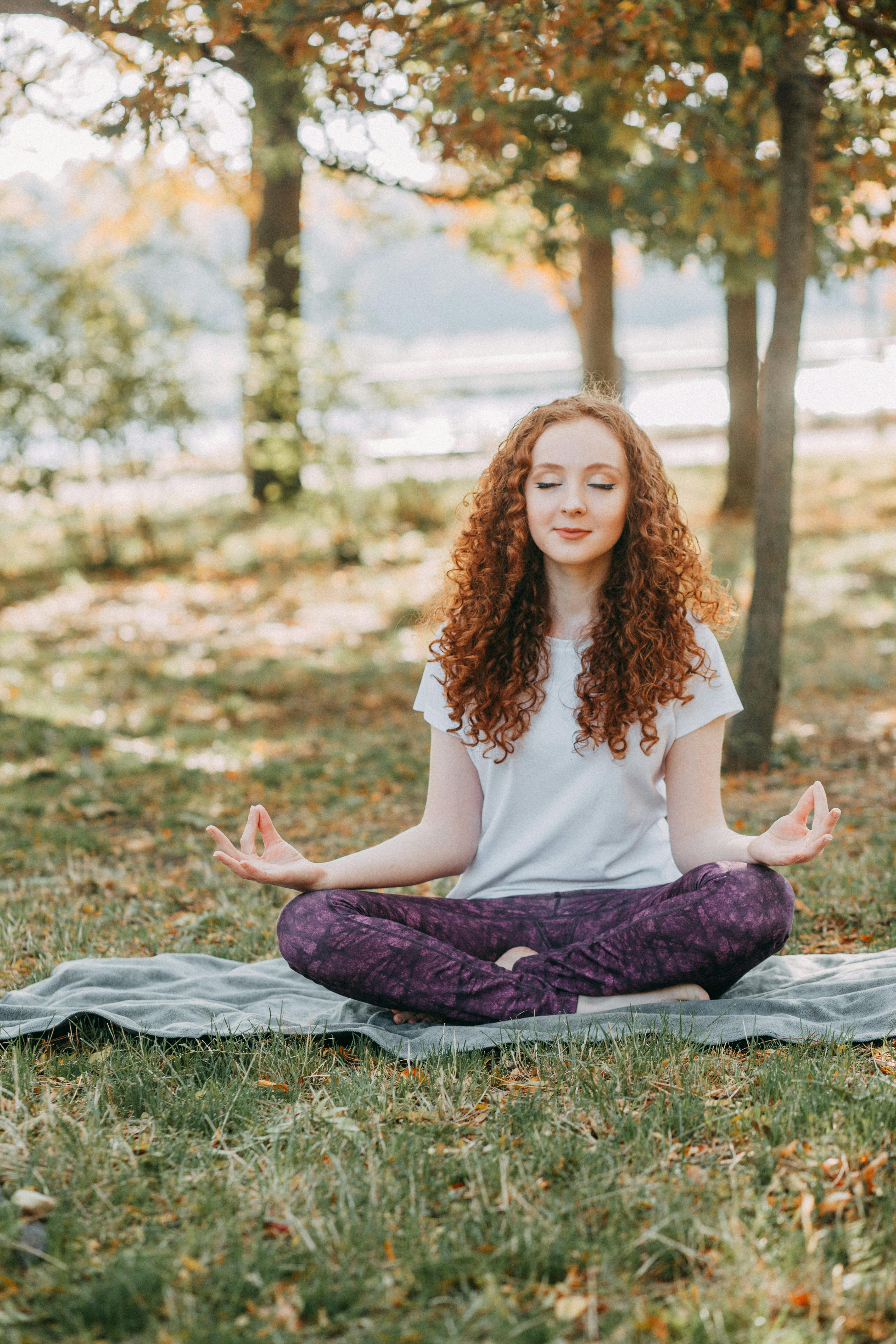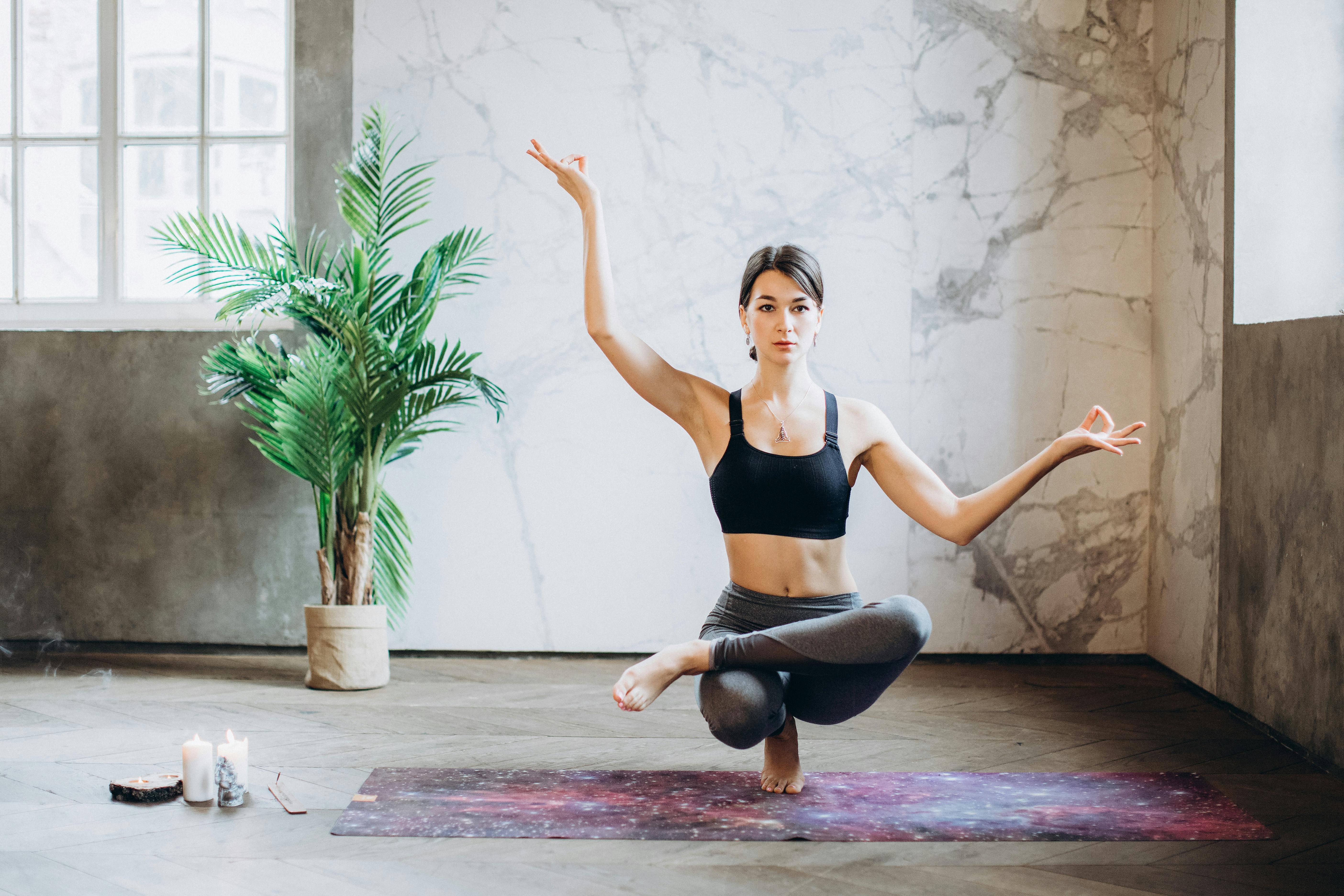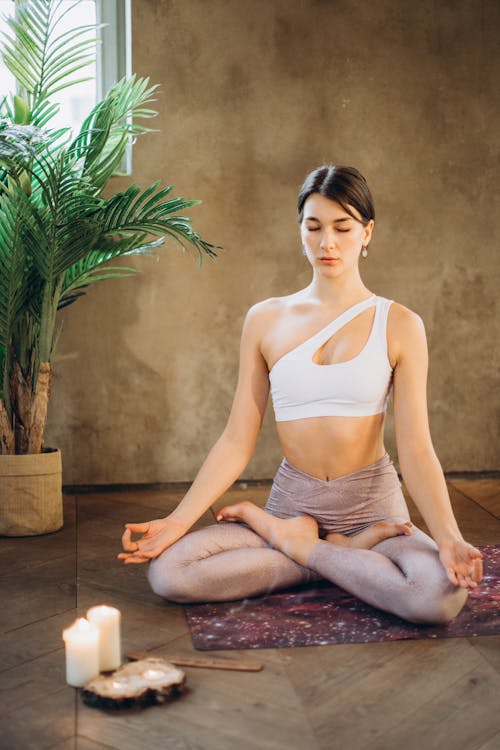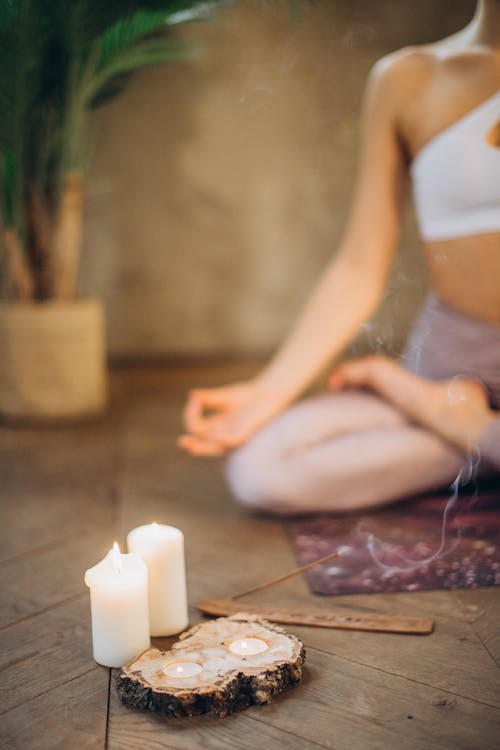
Breathing is the only vital function that operates both automatically and under voluntary control. You breathe roughly 20,000 times per day without thinking about it, yet you can also consciously alter your breathing pattern at any moment. This dual nature makes breathing a uniquely powerful tool — a direct, always-available interface between the conscious mind and the autonomic nervous system that regulates stress, arousal, heart rate, digestion, and emotional state.
Breathwork — the intentional manipulation of breathing patterns for therapeutic benefit — has ancient roots in yoga (pranayama), meditation, martial arts, and contemplative traditions worldwide. Modern science has validated what practitioners have known for millennia: specific breathing techniques produce measurable, reproducible changes in physiology and psychology that can be applied strategically for stress reduction, cognitive enhancement, sleep improvement, and emotional regulation.
The beauty of breathwork is its accessibility. It requires no equipment, no subscription, no special space, and no prior experience. Five minutes of practice produces immediate effects, and consistent practice builds lasting changes in how your nervous system responds to challenge.
The Science Behind Breathing and Your Nervous System
Understanding why breathing affects your mental and physical state makes the techniques more meaningful and helps you choose the right one for each situation.
The autonomic nervous system has two primary branches. The sympathetic branch activates the fight-or-flight response — increasing heart rate, redirecting blood to muscles, heightening alertness, and suppressing digestion. The parasympathetic branch, largely mediated by the vagus nerve, activates the rest-and-digest response — slowing heart rate, promoting digestion, reducing inflammation, and facilitating calm.
Breathing is the most direct voluntary pathway to shift the balance between these two branches. According to research published in Frontiers in Human Neuroscience, specific breathing patterns activate vagal pathways that directly shift the autonomic nervous system toward parasympathetic dominance within minutes.
The key variables in therapeutic breathing are rate (breaths per minute), ratio (relative length of inhale to exhale), depth (diaphragmatic versus chest breathing), and route (nose versus mouth). Manipulating these variables produces different physiological effects.
Slow breathing (below 10 breaths per minute, optimally around 5.5 to 6) increases heart rate variability (HRV) — a marker of autonomic flexibility and stress resilience. This is because slow breathing synchronizes heart rate with respiratory rhythm through a mechanism called respiratory sinus arrhythmia, creating coherence between cardiovascular and respiratory systems.
Extended exhales relative to inhales activate the parasympathetic nervous system. During inhalation, the sympathetic branch slightly accelerates heart rate. During exhalation, the parasympathetic branch slows it. Lengthening the exhale phase tips the balance toward calm. This is why sighing — a natural extended exhale — spontaneously occurs during stress relief.
Nasal breathing provides advantages over mouth breathing for most techniques. The nasal passages warm, humidify, and filter air. Nasal breathing also produces nitric oxide, a vasodilator that improves oxygen delivery and has antimicrobial properties. The gentle resistance of nasal breathing naturally slows the breathing rate compared to mouth breathing.
Diaphragmatic breathing (belly breathing) versus chest breathing engages different musculature and produces different autonomic effects. Chest breathing is associated with the sympathetic stress response, while diaphragmatic breathing activates vagal pathways and promotes parasympathetic tone. Many chronically stressed individuals default to shallow chest breathing without realizing it, perpetuating a sympathetic-dominant state.
Technique 1: The Physiological Sigh (Immediate Stress Relief)
This technique, highlighted by Stanford neuroscientist Dr. Andrew Huberman based on research published in Cell Reports Medicine00474-8), is the fastest evidence-based breathing technique for reducing acute stress. A single cycle takes approximately 10 seconds and can be performed in any setting without anyone noticing.
How to do it: Take two short inhales through the nose in quick succession — the first fills the lungs partially, the second tops them off completely — followed by one long, slow exhale through the mouth until the lungs are empty.
Why it works: The double inhale maximally inflates the alveoli (tiny air sacs in the lungs), including any that have partially collapsed during shallow stress breathing. This maximizes the surface area for carbon dioxide offloading. The extended exhale then activates the parasympathetic nervous system through vagal stimulation and efficiently expels CO2, which reduces the feeling of air hunger that accompanies stress.
When to use it: During acute stress moments — before a difficult conversation, during a traffic jam, when you feel anxiety rising, or anytime you need rapid calm without drawing attention to a breathing exercise. The Stanford study found that just five minutes of cyclic physiological sighing (repeating the pattern) reduced self-reported anxiety and improved mood more effectively than mindfulness meditation of equal duration.
Technique 2: Box Breathing (Focus and Composure)
Box breathing (also called four-square breathing) is used by Navy SEALs, first responders, and elite performers to maintain composure under pressure. Its equal-ratio pattern produces a balanced autonomic state — alert yet calm — that is ideal for situations requiring focus under stress.
How to do it: Inhale through the nose for 4 counts. Hold the breath for 4 counts. Exhale through the nose for 4 counts. Hold the breath empty for 4 counts. Repeat the cycle for 4 to 8 rounds.
Why it works: The equal duration of each phase creates rhythmic autonomic balance. The breath holds between inhale and exhale add an element of voluntary stress that builds tolerance to discomfort and enhances focus. The sustained attention required to maintain the count serves as an anchor that prevents the mind from spiraling into anxious or distracted thoughts.
When to use it: Before presentations, exams, or competitive events. During high-pressure work periods. When you need to transition from scattered thinking to sustained focus. Box breathing is particularly effective as a pre-task ritual that signals the brain to shift into a focused operational state.
Progression: As four counts becomes comfortable, extend to five or six counts per phase. Longer durations slow the breathing rate further and deepen the calming effect.
Technique 3: 4-7-8 Breathing (Sleep Onset)
Developed by Dr. Andrew Weil based on pranayama breathing practices, the 4-7-8 technique is specifically designed for sleep onset and has become one of the most widely recommended natural sleep aids by integrative medicine practitioners.
How to do it: Rest the tip of your tongue on the ridge of tissue behind your upper front teeth. Inhale quietly through the nose for 4 counts. Hold the breath for 7 counts. Exhale completely through the mouth, making a whooshing sound, for 8 counts. Repeat for 4 cycles initially, building to 8 cycles with practice.
Why it works: The extended exhale (8 counts) maximally activates the parasympathetic nervous system. The 7-count hold allows complete gas exchange and reduces the physiological arousal that keeps the mind alert. The specific ratio forces a breathing rate of approximately 2 to 3 breaths per minute — far below the normal waking rate of 12 to 20 — which powerfully shifts the autonomic state toward sleep readiness.
When to use it: In bed when ready to sleep, during middle-of-the-night awakenings, or as the final relaxation exercise in a pre-sleep routine. Some practitioners report that consistent practice over four to six weeks produces faster and more reliable sleep onset, suggesting that the technique trains a conditioned relaxation response over time.
Note: The 7-count hold may feel challenging initially. If so, reduce all phases proportionally (such as 3-5-6) and build up to the full ratio gradually. The ratio matters more than the absolute count.
Technique 4: Coherence Breathing (Sustained Calm)
Coherence breathing is the simplest technique — just slow, rhythmic breathing at a specific rate — and has arguably the strongest research base for long-term stress resilience and cardiovascular health.
How to do it: Breathe in through the nose for 5.5 seconds. Breathe out through the nose for 5.5 seconds. No pauses between inhale and exhale — create a smooth, continuous cycle. Continue for 5 to 20 minutes.
Why it works: The 5.5-second inhale and exhale produces a breathing rate of approximately 5.5 breaths per minute, which research has identified as the resonant frequency for most adults — the breathing rate that maximizes heart rate variability and creates optimal synchronization between cardiovascular, respiratory, and autonomic nervous system rhythms. According to research from the HeartMath Institute, breathing at resonant frequency for just 10 minutes produces measurable increases in HRV that persist for hours after the practice ends.
When to use it: As a daily meditation or relaxation practice (10 to 20 minutes), during commutes (as a passenger), during waiting periods, or anytime sustained calm rather than acute stress relief is the goal. Regular coherence breathing practice — even just 10 minutes daily — has been shown to reduce resting heart rate, lower blood pressure, decrease anxiety, and improve emotional regulation over weeks of consistent practice.
Technique 5: Energizing Breath (Alertness and Energy)
While most breathwork techniques promote calm, specific patterns can increase alertness and energy by temporarily activating the sympathetic nervous system in a controlled manner.
How to do it: Sit upright with a straight spine. Inhale forcefully through the nose while extending the arms overhead. Exhale forcefully through the nose while pulling the arms back down. Maintain a rapid pace of approximately 2 to 3 cycles per second. Continue for 30 seconds, rest for 30 seconds with normal breathing, and repeat for 3 rounds.
This is a simplified version of the yoga practice known as kapalabhati (skull-shining breath). The rapid, rhythmic breathing increases oxygen saturation, stimulates the sympathetic nervous system, and creates a physiological alertness response.
Why it works: Rapid, forceful breathing increases sympathetic nervous system activity, raises heart rate, increases blood flow to the brain, and produces a natural adrenaline-like effect. The short burst duration prevents the technique from becoming stressful — instead, it acts as a physiological "wake-up call" that transitions the body from lethargy to alertness.
When to use it: Upon waking when groggy, mid-afternoon during an energy dip, before exercise as a warm-up, or before any activity requiring high energy and alertness. Avoid this technique before sleep or during periods of anxiety, as it temporarily increases sympathetic activation.
Contraindications: Avoid vigorous breathing techniques if you are pregnant, have uncontrolled hypertension, a seizure disorder, or recent abdominal surgery. Start gently and stop if you experience dizziness.
Building a Breathwork Practice
Consistency transforms occasional stress relief into lasting physiological change. Research demonstrates that regular breathwork practice produces cumulative benefits including permanently improved HRV, reduced baseline cortisol, better emotional regulation, and enhanced stress resilience.
Start with one technique that matches your most pressing need. If sleep is your primary concern, practice 4-7-8 breathing nightly. If chronic stress dominates, commit to 10 minutes of coherence breathing daily. If you need acute stress management tools, practice the physiological sigh throughout the day until it becomes automatic during stressful moments.
Anchor the practice to an existing habit. Practice coherence breathing during your morning coffee. Use box breathing before the first meeting of each workday. Perform 4-7-8 breathing as the last thing you do before turning off the lights. Habit-stacking eliminates the decision fatigue of "when should I practice?" and dramatically improves consistency.
Track your progress through subjective and objective measures. Journal about sleep quality, stress levels, and emotional regulation weekly. If you use a wearable device, monitor HRV trends as a physiological marker of practice effects. Most people notice subjective improvements within the first week and measurable HRV improvements within two to four weeks of daily practice.
The power of breathwork lies in its simplicity, accessibility, and immediacy. In a world that markets expensive solutions to stress, poor sleep, and scattered attention, the most effective tool is one you carry with you at every moment — your own breath.
Sources and Further Reading
Health and Beyond uses reputable medical and scientific sources where possible. These links support or expand on the topics discussed above.
- Frontiers in Human Neurosciencefrontiersin.org
- Cell Reports Medicinecell.com
- HeartMath Instituteheartmath.com