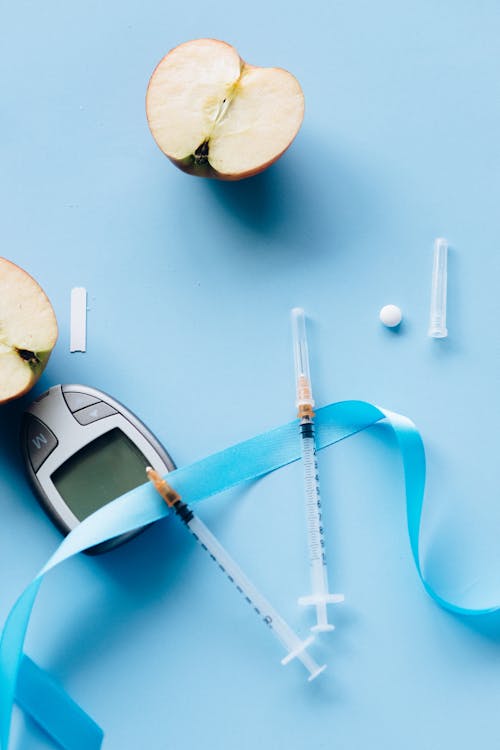
Time-restricted eating has generated enormous interest in the health community, and for good reason. Unlike calorie counting or macronutrient tracking, this approach focuses on a deceptively simple variable: when you eat. By confining all food intake to a defined window—typically 8 to 12 hours—and extending the overnight fast, time-restricted eating leverages your body's internal clock to improve metabolic function in ways that go beyond what calorie reduction alone can achieve.
The science behind this approach rests on decades of circadian biology research showing that virtually every metabolic process in the human body follows a 24-hour rhythm. Insulin sensitivity, glucose tolerance, fat oxidation, inflammatory signaling, and even gut microbiome activity all fluctuate according to your circadian clock. Eating at times when these processes are optimized produces different metabolic outcomes than eating the same food when your metabolism is at its nadir. Time-restricted eating is fundamentally about aligning food intake with the biological windows when your body is best prepared to handle it.
The Circadian Foundation
Your body doesn't process food the same way at every hour. This isn't opinion—it's measurable physiology. Insulin sensitivity peaks in the morning hours and declines progressively throughout the day and into the evening. Glucose tolerance follows the same pattern. Your pancreatic beta cells release insulin more efficiently in response to morning meals than evening meals. Even your gut motility and digestive enzyme production follow circadian rhythms, operating most efficiently during daylight hours.
These rhythms are governed by a master clock in the suprachiasmatic nucleus of the hypothalamus, which synchronizes to the light-dark cycle, and peripheral clocks in every organ including the liver, pancreas, gut, and muscle tissue. These peripheral clocks are strongly influenced by eating patterns. When you eat at consistent times, peripheral clocks synchronize with the master clock, and metabolic processes run smoothly. When eating patterns become erratic—late-night snacking, skipping breakfast, eating across a 15-hour window—peripheral clocks desynchronize from the master clock, creating what researchers call circadian misalignment.
Circadian misalignment has measurable metabolic consequences. Studies placing healthy subjects on schedules that force eating during circadian night phases show rapid development of glucose intolerance, elevated inflammatory markers, and disrupted lipid metabolism—even when calorie intake remains constant. Shift workers, who chronically eat during circadian night, have dramatically elevated rates of type 2 diabetes, obesity, and cardiovascular disease. Their metabolic dysfunction isn't solely from sleep disruption—the timing of food intake is an independent contributor.
What Time-Restricted Eating Actually Does
Time-restricted eating (TRE) works through several metabolic pathways that are distinct from the effects of simple calorie reduction.
Extending the Fasting Window
When you compress your eating into 8 to 10 hours, you automatically extend your fasting period to 14 to 16 hours. During this extended fast, several metabolic shifts occur that wouldn't happen if you were nibbling throughout a 14 to 16 hour eating window.
Insulin levels drop to baseline. In a typical modern eating pattern spanning 14 or more hours, insulin rarely returns to true fasting levels because each meal or snack triggers a new insulin response before the previous one has fully resolved. Chronically elevated insulin inhibits lipolysis (fat breakdown) and keeps cells in storage mode. Extended fasting allows insulin to drop low enough for fat mobilization and oxidation to proceed efficiently.
Hepatic glycogen depletes. Your liver stores about 80 to 100 grams of glycogen, which supplies glucose between meals. When this store is not regularly depleted—because food comes in before it runs out—the liver's metabolic flexibility declines. Periodic glycogen depletion during TRE prompts the liver to maintain its capacity for glycogenolysis and gluconeogenesis, improving overall metabolic flexibility.
Autophagy activates. After roughly 12 to 16 hours of fasting, cells begin ramping up autophagy—the cellular recycling process that clears damaged proteins, dysfunctional mitochondria, and other cellular debris. Autophagy is increasingly recognized as essential for maintaining cellular health and preventing the accumulation of damaged components that contribute to insulin resistance and chronic disease.
Circadian Realignment
By establishing consistent eating and fasting periods, TRE helps resynchronize peripheral clocks with the master clock. The first meal of the day acts as a powerful zeitgeber (time cue) for peripheral organs, particularly the liver. When this first meal arrives at a consistent time each morning, liver clock genes that regulate glucose metabolism, lipid processing, and bile acid production operate in their optimal temporal sequence.
This circadian realignment effect explains why TRE produces metabolic benefits even when total calorie intake doesn't change. Two randomized controlled trials—one at the Salk Institute and another at the University of Adelaide—demonstrated that TRE improved insulin sensitivity, reduced blood pressure, and lowered inflammatory markers in participants who ate the same number of calories as control groups eating over longer windows.
Enhanced Fat Oxidation
During the fasting window of TRE, the body shifts its fuel preference from glucose to fatty acids. This metabolic switch is impaired in people with metabolic syndrome, who tend to remain locked in glucose-burning mode even during fasting. Regular practice of TRE appears to train the metabolic machinery to transition between fuel sources more efficiently—a quality called metabolic flexibility that is strongly associated with insulin sensitivity and overall metabolic health.
Research using respiratory exchange ratio measurements shows that TRE practitioners spend more hours per day in fat-oxidizing states than matched controls eating the same calories over longer windows. Over weeks and months, this increased fat oxidation contributes to visceral fat reduction and improved hepatic lipid profiles.
Optimal Eating Windows: What the Evidence Shows
Not all TRE protocols produce the same results. The timing, duration, and consistency of the eating window all influence metabolic outcomes.
Early Time-Restricted Eating
The strongest metabolic evidence supports early TRE—eating from roughly 7 or 8 AM to 3 or 4 PM, with the largest meals consumed earlier in the day. This pattern aligns food intake with the period of peak insulin sensitivity and glucose tolerance, maximizing the body's ability to handle carbohydrates and process nutrients efficiently.
A landmark study by Dr. Courtney Peterson at the University of Alabama Birmingham compared early TRE (eating between 8 AM and 2 PM) with a control eating pattern (8 AM to 8 PM) in men with prediabetes. The early TRE group showed dramatically improved insulin sensitivity, reduced blood pressure, decreased oxidative stress, and reduced evening appetite—despite eating the same number of calories as the control group. Importantly, the early TRE group achieved these benefits without losing weight, demonstrating that the timing itself drove the improvements.
Subsequent studies have confirmed that early eating windows produce greater improvements in fasting glucose, insulin sensitivity, and blood pressure than late eating windows of the same duration.
Late Time-Restricted Eating
Late TRE—skipping breakfast and eating from roughly noon to 8 PM—is the most popular version in practice because it aligns with social eating patterns and feels easier for many people. The metabolic evidence for late TRE is more mixed than for early TRE, but it still shows benefits compared to unrestricted eating.
The 16:8 protocol (16 hours fasting, 8 hours eating, typically noon to 8 PM) has been studied in several randomized controlled trials. Results consistently show modest reductions in body weight, improvements in fasting insulin, and decreases in inflammatory markers compared to ad libitum eating. However, the magnitude of improvement in insulin sensitivity and blood pressure is generally smaller than what early TRE achieves.
The primary concern with late TRE is that large evening meals coincide with the circadian nadir of insulin sensitivity. Your pancreas produces less insulin in response to evening meals, and the insulin it does produce works less efficiently at peripheral tissues. Consuming the majority of daily calories during this metabolic low point partially counteracts the benefits of the compressed eating window.
Practical Middle Ground
For most people, an eating window from approximately 8 or 9 AM to 5 or 6 PM represents a practical compromise between metabolic optimization and lifestyle compatibility. This 9 to 10 hour window captures much of the circadian benefit of early TRE while still allowing an evening meal with family—a factor that strongly influences long-term adherence.
Regardless of the specific window chosen, front-loading calories toward the earlier portion of the day appears to amplify metabolic benefits. Eating a large breakfast, moderate lunch, and small early dinner within a TRE framework produces better metabolic outcomes than the reverse pattern, even within the same time window.
Who Benefits Most from Time-Restricted Eating
TRE is not equally beneficial for everyone. The metabolic improvements are most pronounced in people who are already metabolically compromised.
People with prediabetes or insulin resistance show the greatest improvements in insulin sensitivity and glucose control with TRE. For this population, TRE may be one of the most practical and sustainable interventions available, requiring no calorie counting, no food restriction, and no specialized knowledge—just a clock.
People who currently eat over long daily windows (14+ hours) experience significant metabolic improvements simply from compressing their eating window to 10 hours, even without changing what they eat. This low-barrier entry point makes TRE an effective first-step intervention for people who find dietary composition changes overwhelming.
Shift workers face unique challenges. Standard TRE advice doesn't apply directly because their circadian rhythms are already disrupted. However, maintaining consistent eating windows relative to their sleep schedule—even if those windows don't align with typical daytime hours—can help reduce the metabolic damage of shift work.
People with a history of eating disorders should approach TRE with caution. The explicit rules about when eating is and isn't allowed can trigger restrictive patterns in vulnerable individuals. Anyone with a history of disordered eating should discuss TRE with a healthcare provider before implementing it.
Implementation Guide
Starting TRE works best when approached gradually rather than jumping immediately into an aggressive protocol.
Week 1-2: Establish your baseline. Track when you actually eat each day for a week, including snacks, beverages with calories, and late-night eating. Most people discover they eat over a 12 to 15 hour window. Simply becoming aware of this pattern is the first step.
Week 3-4: Compress to 12 hours. Close the eating window by eliminating late-night snacking. If you currently eat from 7 AM to 10 PM, shift to 7 AM to 7 PM. This modest change is enough to begin improving circadian alignment and is sustainable for virtually everyone.
Week 5-6: Narrow to 10 hours. Move your eating window to something like 8 AM to 6 PM. At this stage, most people notice improvements in morning energy, reduced afternoon fatigue, and better sleep quality.
Week 7+: Experiment with 8-9 hours if desired. An 8 AM to 4 or 5 PM window captures most of the metabolic benefits without significant lifestyle disruption. Some people thrive with narrower windows, but the incremental benefits below 8 hours are modest for most individuals and adherence becomes increasingly challenging.
What to Consume During the Fasting Window
Water, black coffee, and plain tea do not break the fast from a metabolic standpoint. Coffee in particular may enhance the metabolic benefits of fasting by promoting fat oxidation and supporting autophagy. Adding cream, sugar, or artificial sweeteners introduces either calories or insulin responses that diminish the fasting state.
Sparkling water, herbal teas, and electrolytes (sodium, potassium, magnesium) dissolved in water are fine during the fasting window and can help with adherence, particularly during the adaptation period.
Managing Hunger During Adaptation
The first one to two weeks of TRE often involve hunger during the new fasting periods. This hunger is largely driven by ghrelin, the hunger hormone, which is released on the schedule your body has learned from previous eating patterns. As you establish a new pattern, ghrelin secretion adjusts to match the new eating window, and the hunger that felt urgent in week one typically becomes negligible by week three or four.
Staying hydrated, consuming adequate calories during the eating window (TRE is not about calorie restriction), and getting enough protein and fiber at meals all help manage adaptation hunger.
Common Mistakes and How to Avoid Them
Undereating during the eating window. TRE is a timing strategy, not a calorie restriction strategy. Chronically undereating during the eating window triggers adaptive thermogenesis, muscle loss, and hormonal disruption that ultimately worsen metabolic health.
Prioritizing window duration over food quality. An 8-hour eating window filled with ultra-processed foods produces worse metabolic outcomes than a 12-hour window of whole foods. TRE amplifies the benefits of good nutrition—it doesn't replace the need for it.
Ignoring consistency. The circadian benefits of TRE depend on regularity. Eating at consistent times trains your peripheral clocks. Shifting your window by several hours on weekends—social jet lag—undermines the circadian alignment that drives TRE's metabolic benefits.
Exercising intensely while fasted without adaptation. High-intensity exercise during the fasting window is fine for adapted individuals but can cause hypoglycemia, excessive cortisol release, and poor performance during the adaptation period. Start with light fasted exercise and progress gradually.
The Evidence in Context
Time-restricted eating is not a panacea. It works best as part of a comprehensive metabolic health strategy that includes nutrient-dense food, regular physical activity, adequate sleep, and stress management. Its unique contribution is providing a practical framework for leveraging circadian biology—something no amount of calorie counting or macronutrient optimization can achieve.
The most compelling aspect of TRE may be its simplicity. In a nutrition landscape cluttered with conflicting advice about what to eat, TRE shifts the conversation to when to eat—a variable that is straightforward to control, requires no specialized knowledge, and produces measurable metabolic improvements within weeks. For anyone looking to improve insulin sensitivity, reduce inflammatory markers, and support long-term metabolic health, aligning your eating pattern with your circadian biology is one of the most evidence-based and accessible strategies available.
Sources and Further Reading
Health and Beyond uses reputable medical and scientific sources where possible. These links support or expand on the topics discussed above.
- Circadian misalignmentniddk.nih.gov