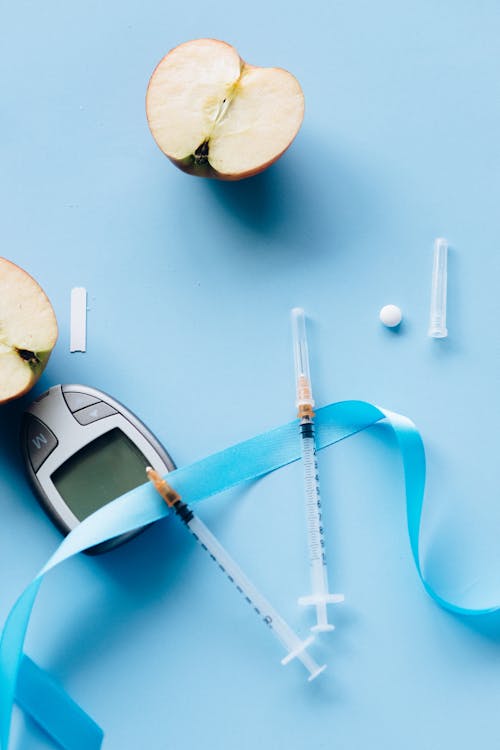
Here is a statistic that should stop you in your tracks: only about 12 percent of American adults qualify as metabolically healthy. That means nearly nine out of ten people have at least one marker of metabolic dysfunction, whether they know it or not. This is not about being overweight. Plenty of normal-weight individuals carry hidden metabolic risk, while some overweight people have perfectly normal metabolic markers. The disconnect between appearance and metabolic reality is one of the reasons this crisis has grown so quietly and so large.
Metabolic health refers to how efficiently your body processes and distributes energy from the food you eat. When the system works well, blood sugar remains stable, insulin does its job without excessive demand, triglycerides stay low, blood pressure behaves, and waist circumference stays within healthy ranges. When the system breaks down, those markers shift, often long before any diagnosable disease appears. The progression from metabolic dysfunction to Type 2 diabetes, cardiovascular disease, and other chronic conditions is neither sudden nor inevitable. It is a gradual process that offers numerous opportunities for intervention.
This guide explains what metabolic health actually means, how insulin resistance develops, what metabolic syndrome is and why it matters, and most importantly what you can do about all of it. The strategies here are drawn from endocrinology research, clinical trials, and the emerging science of continuous glucose monitoring.
What Is Insulin Resistance and Why Should You Care
Insulin is a hormone produced by the beta cells of your pancreas. Its primary role is to act as a key that unlocks your cells to allow glucose from your bloodstream to enter and be used for energy. When you eat carbohydrates, they are broken down into glucose, which enters the blood. Rising blood glucose signals the pancreas to release insulin, which facilitates glucose uptake by muscle, fat, and liver cells. Blood sugar drops back to baseline, insulin secretion decreases, and the system resets.
Insulin resistance occurs when cells become less responsive to insulin's signal. The lock has not changed, but the key no longer turns as easily. The pancreas compensates by producing more insulin, creating a condition called hyperinsulinemia. For a time, the extra insulin keeps blood sugar within normal ranges, which is why standard fasting glucose tests can miss early insulin resistance. The problem is happening at the insulin level before it shows up in blood sugar.
Over months and years, the pancreas works harder and harder to maintain glucose control. Eventually, it cannot keep up, and blood sugar begins to rise. This is when pre-diabetes develops, defined as fasting glucose between 100 and 125 milligrams per deciliter or hemoglobin A1C between 5.7 and 6.4 percent. Without intervention, roughly 70 percent of people with pre-diabetes progress to Type 2 diabetes.
But the damage from insulin resistance extends far beyond blood sugar. Chronically elevated insulin promotes fat storage, particularly visceral fat around the organs. It drives inflammation, increases triglycerides, raises blood pressure, and contributes to fatty liver disease. Many researchers now view insulin resistance as the unifying thread connecting most of the chronic diseases that dominate modern healthcare.
Metabolic Syndrome: Five Markers That Matter
Metabolic syndrome is diagnosed when a person has three or more of the following five criteria simultaneously. Waist circumference greater than 40 inches in men or 35 inches in women. Triglycerides of 150 milligrams per deciliter or higher. HDL cholesterol below 40 milligrams per deciliter in men or below 50 in women. Blood pressure of 130/85 or higher. Fasting glucose of 100 milligrams per deciliter or higher.
Each of these markers individually increases disease risk. Together, they multiply it. People with metabolic syndrome have a five-fold increased risk of developing Type 2 diabetes and roughly double the risk of cardiovascular events over the next five to ten years compared to those without it.
The prevalence is staggering. Approximately 35 percent of American adults meet the criteria for metabolic syndrome. The rate rises sharply with age, reaching over 50 percent in adults over 60. But metabolic syndrome is increasingly appearing in younger populations as well, driven by dietary patterns, sedentary behavior, and rising obesity rates.
The Root Causes of Metabolic Dysfunction
Insulin resistance does not develop randomly. It results from the interaction of several factors, some modifiable and some not.
Dietary patterns play a central role. Diets high in refined carbohydrates, added sugars, and processed foods create repeated blood sugar spikes that demand large insulin responses. Over time, this chronic stimulation contributes to receptor downregulation, the cellular equivalent of turning down the volume on a signal that has been too loud for too long.
Excess visceral fat is both a cause and consequence of insulin resistance. Visceral fat cells are metabolically active, secreting inflammatory cytokines and free fatty acids that directly impair insulin signaling in the liver and muscles. This creates a positive feedback loop where insulin resistance promotes fat storage, and more fat worsens insulin resistance.
Physical inactivity reduces the number of glucose transporters on muscle cell surfaces and decreases mitochondrial function, both of which impair glucose uptake. Muscle is the primary destination for insulin-mediated glucose disposal, so muscle that is not regularly contracting becomes less efficient at clearing glucose from the blood.
Sleep deprivation has a surprisingly powerful effect on metabolic health. Studies have shown that just four days of sleeping four to five hours per night can reduce insulin sensitivity by 25 to 30 percent. The mechanisms involve disrupted cortisol patterns, altered hunger hormones, and impaired glucose tolerance.
Chronic stress elevates cortisol, which directly opposes insulin's action by stimulating glucose production in the liver and reducing glucose uptake in peripheral tissues. While acute stress responses are normal and temporary, chronic stress creates a persistent hormonal environment that promotes insulin resistance.
Genetics influence susceptibility, with certain populations having higher baseline risk. However, genetic predisposition is not destiny. Lifestyle factors can dramatically modify genetic risk, a point consistently demonstrated in prevention studies.
How to Reverse Insulin Resistance
The most encouraging aspect of metabolic health is its responsiveness to intervention. Unlike many health conditions where damage is permanent, insulin resistance can be substantially improved and in many cases reversed through lifestyle changes. The evidence for this is robust and comes from some of the largest prevention trials ever conducted.
Dietary Strategies
The Diabetes Prevention Program trial demonstrated that lifestyle intervention reduced the progression from pre-diabetes to diabetes by 58 percent, outperforming the medication metformin by a significant margin. The dietary component focused on reducing total calories, limiting fat intake, and increasing fiber-rich whole foods.
Subsequent research has refined our understanding of which dietary approaches work best for metabolic health. Several principles emerge consistently across studies.
Reducing refined carbohydrates and added sugars is the single most impactful dietary change for improving insulin sensitivity. This does not mean eliminating all carbohydrates. It means prioritizing complex carbohydrates from vegetables, legumes, and whole grains over simple sugars, refined flour products, and sweetened beverages. The difference in glycemic response between a bowl of steel-cut oats and a bowl of processed cereal is enormous, even though both are carbohydrate sources.
Increasing fiber intake, particularly soluble fiber from sources like oats, beans, lentils, and vegetables, slows glucose absorption and reduces post-meal blood sugar spikes. Most Americans consume roughly 15 grams of fiber daily; the target should be 25 to 35 grams. Each additional 10 grams of daily fiber is associated with meaningful improvements in metabolic markers.
Prioritizing protein at every meal helps stabilize blood sugar, promotes satiety, and supports muscle mass, the primary tissue responsible for glucose disposal. Meals combining protein, healthy fat, and fiber-rich carbohydrates produce markedly more stable blood sugar responses than carbohydrate-heavy meals eaten in isolation.
Time-restricted eating, a form of intermittent fasting where food intake is limited to a specific window each day, has shown promise for improving insulin sensitivity in multiple trials. An eight to ten hour eating window, such as eating between 8 AM and 6 PM, appears to improve metabolic markers even without calorie restriction. The benefit likely relates to aligning food intake with circadian rhythms and allowing insulin levels to drop during the extended fasting period.
The Mediterranean diet has particularly strong evidence for metabolic health improvement. The PREDIMED trial, which randomized over 7400 participants, found that a Mediterranean diet supplemented with extra-virgin olive oil or nuts significantly reduced the incidence of Type 2 diabetes and cardiovascular events. The combination of healthy fats, abundant vegetables, moderate protein, and limited processed food aligns well with metabolic health principles.
Exercise: The Metabolic Reset Button
Exercise improves insulin sensitivity through mechanisms that are independent of weight loss, making it valuable even for people whose weight does not change. A single bout of moderate exercise increases insulin sensitivity for 24 to 48 hours. Regular exercise creates cumulative and lasting improvements.
Both aerobic exercise and resistance training improve insulin sensitivity, but they do so through partially different mechanisms. Aerobic exercise improves cardiovascular fitness, increases mitochondrial density, and enhances the oxidative capacity of muscle tissue. Resistance training builds muscle mass, increases the total surface area of glucose transporters, and improves the mechanical function of the glucose disposal system.
The optimal approach combines both types. The American Diabetes Association recommends at least 150 minutes per week of moderate-intensity aerobic activity plus resistance training on two or more days per week. However, any amount of activity is better than none, and the greatest relative improvement in insulin sensitivity comes from moving from sedentary to moderately active.
Post-meal walks deserve special mention. Walking for even 10 to 15 minutes after eating significantly blunts the post-meal blood sugar rise. A 2022 meta-analysis found that light walking after meals reduced post-prandial glucose by an average of 17 percent compared to sitting. This simple habit, requiring no special equipment or gym membership, is one of the most accessible and effective metabolic health interventions available.
Sleep and Stress Management
Given the powerful effects of sleep deprivation and chronic stress on insulin sensitivity, addressing these factors is not optional for anyone serious about metabolic health improvement.
Sleep hygiene practices, including consistent bed and wake times, a cool and dark sleep environment, limited caffeine after noon, and screen avoidance before bed, form the foundation. For people with suspected sleep apnea, which is highly prevalent in those with metabolic syndrome, sleep testing and treatment with CPAP can produce rapid improvements in insulin sensitivity.
Stress management techniques with evidence for metabolic benefit include mindfulness meditation, which has been shown to reduce cortisol levels and improve glycemic control in multiple trials; regular physical activity, which modulates the stress response system; and cognitive behavioral strategies for addressing chronic stressors. The approach matters less than the consistency: any stress management practice is effective only when performed regularly.
Continuous Glucose Monitors: A Window Into Your Metabolism
Continuous glucose monitors, or CGMs, have moved beyond their traditional role in diabetes management to become a tool for metabolic health optimization in the general population. These small sensors, worn on the arm or abdomen, measure interstitial glucose levels every few minutes and transmit the data to a smartphone app.
For people without diabetes, CGMs provide real-time feedback on how specific foods, meals, exercise, sleep, and stress affect blood sugar. This individualized data often reveals surprises. Two people eating the identical meal can have dramatically different glucose responses based on their individual metabolic health, microbiome composition, and other factors.
The practical value of CGM data lies in pattern recognition. Over two to four weeks of monitoring, clear patterns emerge: which meals cause spikes, which exercise timing is most effective, how sleep quality affects next-day glucose control, and which food combinations produce the flattest glucose curves. This information allows highly personalized dietary and lifestyle adjustments.
Companies like Levels and Nutrisense now offer CGM programs for metabolic health optimization in non-diabetic populations. While the cost remains a barrier for some, prices have been declining, and many users find that even a one-month trial period provides enough data to inform lasting behavior changes.
Key Biomarkers to Track
Beyond the metabolic syndrome criteria, several biomarkers provide deeper insight into metabolic health and can help track improvement over time.
Fasting insulin is arguably the earliest indicator of developing insulin resistance. A fasting insulin level above 10 microunits per milliliter suggests emerging insulin resistance even when fasting glucose is still normal. This test is not always included in standard panels but can be requested.
Hemoglobin A1C reflects average blood sugar over the preceding two to three months. A level below 5.7 percent is considered normal; 5.7 to 6.4 percent indicates pre-diabetes. Tracking A1C over time provides a reliable measure of metabolic improvement.
Triglyceride-to-HDL ratio is a simple calculation that serves as a proxy for insulin resistance. A ratio below 2.0 is associated with good insulin sensitivity. A ratio above 3.0 suggests significant insulin resistance. This calculation uses two values that are routinely included in standard lipid panels.
High-sensitivity C-reactive protein measures systemic inflammation, which both contributes to and results from metabolic dysfunction. Tracking hs-CRP alongside other metabolic markers provides a more complete picture of metabolic health status.
Putting It All Together
Improving metabolic health is not about following a rigid protocol. It is about understanding the underlying mechanisms and making consistent, evidence-based adjustments to diet, activity, sleep, and stress management. The most effective approach is one that you can sustain over months and years, not one that requires unsustainable willpower.
Start with the changes that are easiest for you and build from there. If you enjoy cooking, begin with dietary modifications. If you enjoy movement, start with an exercise habit. If sleep has been a struggle, address that first. Each intervention reinforces the others, creating a positive cycle where improved insulin sensitivity makes it easier to maintain a healthy weight, better sleep improves dietary choices, and increased energy supports more physical activity.
The remarkable responsiveness of metabolic health to lifestyle intervention means that meaningful improvement is possible at any starting point. Even modest changes, consistently applied, produce measurable results. The 12 percent of Americans who are metabolically healthy do not have to be a permanent minority. With the right information and sustained effort, metabolic health is within reach for the vast majority of people willing to make the investment.
Sources and Further Reading
Health and Beyond uses reputable medical and scientific sources where possible. These links support or expand on the topics discussed above.
- CDC: About Diabetescdc.gov
- NIDDK: Diabetes Overviewniddk.nih.gov
- NIH Office of Dietary Supplements: Fact Sheetsods.od.nih.gov