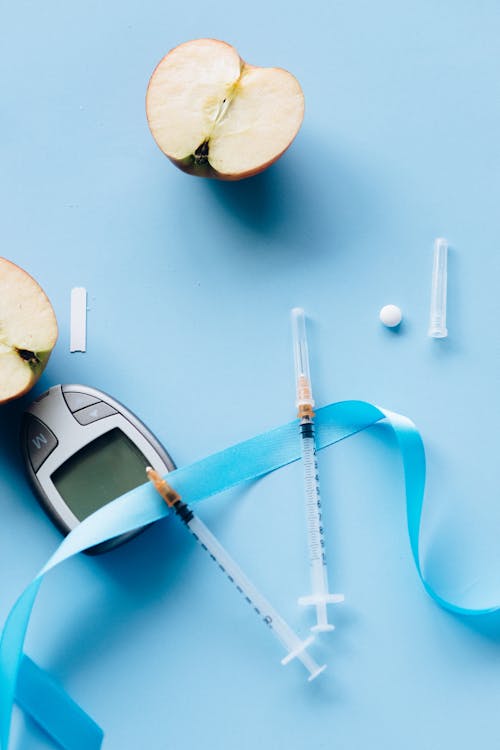
You can eat a clean diet, exercise regularly, sleep seven hours a night, and still watch your metabolism deteriorate if chronic stress goes unaddressed. This isn't a motivational platitude—it's endocrinology. Cortisol, the primary stress hormone produced by the adrenal glands, exerts direct control over blood sugar regulation, fat storage patterns, appetite signaling, and inflammatory pathways. When stress is acute and temporary, cortisol does its job and returns to baseline. When stress becomes chronic, cortisol stays elevated and systematically rewires your metabolism in ways that promote visceral fat accumulation, insulin resistance, and the full constellation of metabolic syndrome.
The cortisol-metabolism connection explains one of the most frustrating experiences in health: doing everything "right" with diet and exercise but failing to lose weight, or gaining weight in the midsection despite consistent effort. It's not a willpower problem. It's a hormonal one.
How Cortisol Works Under Normal Conditions
Cortisol follows a natural circadian rhythm called the cortisol awakening response. Levels peak in the early morning—roughly 30 to 45 minutes after waking—providing the energy, alertness, and blood sugar mobilization you need to start the day. Throughout the day, cortisol gradually declines, reaching its lowest point around midnight, when it supports the deep sleep and cellular repair processes that happen overnight.
This rhythm is precisely coordinated with other metabolic hormones. Morning cortisol works synergistically with insulin to ensure adequate glucose is available for the brain and muscles. Evening cortisol decline allows melatonin to rise, growth hormone to peak during deep sleep, and insulin sensitivity to reset for the next day.
During acute stress—a near-miss car accident, a heated argument, an intense workout—cortisol spikes rapidly. This spike triggers a coordinated metabolic response: the liver releases stored glucose through glycogenolysis and gluconeogenesis, fatty acids are mobilized from adipose tissue, insulin sensitivity temporarily decreases (to keep glucose available for the brain and muscles), immune function is temporarily suppressed (to prioritize immediate survival), and appetite is suppressed (eating during a crisis isn't adaptive).
Once the stressor passes, cortisol returns to baseline within an hour or two, and all these metabolic effects reverse. The system is elegant and efficient—when it works as designed.
What Happens When Cortisol Stays Elevated
Chronic stress—from work pressure, financial anxiety, relationship conflict, caregiving burden, chronic pain, sleep deprivation, or any sustained source of psychological or physiological stress—keeps cortisol elevated beyond its intended operating window. The metabolic consequences are extensive and interconnected.
Visceral Fat Accumulation
Visceral adipose tissue contains significantly more cortisol receptors (glucocorticoid receptors) than subcutaneous fat in other body regions. When cortisol circulates at chronically elevated levels, it preferentially activates these receptors, directing fat storage toward the abdominal visceral compartment.
Cortisol also activates the enzyme 11-beta-hydroxysteroid dehydrogenase type 1 (11β-HSD1) within visceral fat tissue. This enzyme converts inactive cortisone into active cortisol locally, creating a self-amplifying loop: stress raises cortisol, cortisol promotes visceral fat, visceral fat produces more local cortisol, which promotes more visceral fat. Breaking this cycle requires addressing cortisol at the systemic level, not just targeting visceral fat through diet and exercise.
This mechanism explains the characteristic "stress belly"—central weight gain that occurs or persists despite reasonable dietary and exercise habits. People under chronic stress often notice their body composition shifting toward central adiposity even when their total weight hasn't changed significantly.
Blood Sugar Dysregulation
Under chronic stress, cortisol continuously stimulates hepatic gluconeogenesis—the liver's production of new glucose from amino acids and glycerol. This keeps fasting blood sugar elevated even when dietary carbohydrate intake is low. Simultaneously, cortisol reduces insulin sensitivity in muscle tissue, meaning glucose that the liver produces can't be efficiently cleared from the bloodstream.
The result is a metabolic double hit: more glucose production and less glucose clearance. The pancreas compensates by producing more insulin, creating hyperinsulinemia that promotes fat storage (particularly visceral), suppresses fat burning, and accelerates the progression toward insulin resistance and prediabetes.
For people already managing prediabetes or type 2 diabetes, chronic stress can make blood sugar nearly impossible to control through diet alone because cortisol is overriding the dietary signals. This is why stress management is increasingly recognized as a core component of diabetes management rather than a supplementary lifestyle recommendation.
Appetite and Cravings
Chronic cortisol elevation disrupts the normal appetite regulation system in ways that specifically promote overconsumption of calorie-dense foods.
Cortisol increases levels of neuropeptide Y, a powerful appetite stimulant in the hypothalamus that specifically drives cravings for carbohydrate-rich and fat-rich foods. It also reduces the sensitivity of the brain's reward circuitry to normal food stimulation, requiring increasingly palatable (highly processed, sugar-and-fat-rich) foods to produce the same dopamine response. This explains why stress eating gravitates toward ice cream, chips, cookies, and fast food rather than toward salads and steamed vegetables.
Cortisol also interferes with leptin signaling. Leptin is the hormone produced by fat cells that tells your brain you have adequate energy stores and can stop eating. Elevated cortisol creates functional leptin resistance, where the brain doesn't receive the satiety signal despite adequate or excessive fat stores. The result is persistent hunger and overeating driven by hormonal disruption rather than genuine caloric need.
Muscle Catabolism
Cortisol is inherently catabolic—it breaks down tissues to liberate energy substrates. Under chronic elevation, cortisol promotes the breakdown of muscle protein to supply amino acids for hepatic gluconeogenesis. This muscle loss reduces the body's primary glucose disposal tissue, worsening insulin resistance and reducing resting metabolic rate.
The combination of muscle loss and visceral fat gain—sarcopenic obesity—creates one of the worst metabolic phenotypes: less tissue to clear glucose from the blood, more tissue producing inflammatory cytokines, lower metabolic rate requiring fewer calories to maintain weight, and greater difficulty building or maintaining the muscle mass needed to reverse the pattern.
Inflammatory Amplification
While acute cortisol is anti-inflammatory, chronic cortisol elevation paradoxically promotes inflammation. Sustained exposure to cortisol causes immune cells to develop glucocorticoid resistance—they become less responsive to cortisol's anti-inflammatory signal. Meanwhile, the visceral fat accumulated under cortisol's influence produces its own inflammatory cytokines. The net result is a state of chronic, low-grade inflammation that further impairs insulin sensitivity and accelerates metabolic deterioration.
The Sleep-Cortisol-Metabolism Triangle
Sleep deprivation is both a cause and a consequence of cortisol dysregulation, creating a feedback loop that compounds metabolic damage.
When you don't sleep enough, cortisol levels fail to decline adequately overnight. The next morning's cortisol awakening response is blunted—not because cortisol is low, but because it never dropped low enough to create the contrast. You wake feeling unrested, reach for caffeine and sugar for energy, experience heightened stress reactivity throughout the day, and struggle to fall asleep that night because cortisol remains elevated at bedtime. The cycle repeats and intensifies.
Studies have demonstrated that sleeping fewer than six hours per night for just one week increases cortisol levels by 37 to 45 percent in the evening—precisely when cortisol should be at its lowest. This disrupted rhythm elevates overnight blood sugar, promotes visceral fat storage during sleep (when fat oxidation should dominate), and impairs the growth hormone pulse that supports tissue repair and metabolic recovery.
Addressing sleep is therefore not supplementary to cortisol management—it's foundational. Without adequate sleep, every other cortisol-lowering strategy is fighting against a persistent physiological headwind.
Measuring Cortisol: What Tests Reveal
Standard single-point serum cortisol tests are often inadequate for detecting chronic stress-related cortisol dysfunction because cortisol fluctuates throughout the day. A normal morning cortisol doesn't tell you whether evening cortisol is inappropriately elevated.
Four-point salivary cortisol testing provides the most useful picture of cortisol rhythm. Saliva samples taken at waking, noon, afternoon, and bedtime map the diurnal curve, revealing whether the pattern is normal (high morning, progressive decline) or flattened (blunted morning peak and elevated evening levels—the signature of chronic stress).
DUTCH (Dried Urine Test for Comprehensive Hormones) testing measures cortisol metabolites over a full day, providing information about total cortisol production, cortisol metabolism, and the balance between cortisol and cortisone. This test offers the most comprehensive assessment but is more expensive and requires functional medicine practitioner interpretation.
Hair cortisol measures average cortisol exposure over the previous one to three months, providing a long-term stress assessment that isn't affected by acute fluctuations. It's increasingly used in research to correlate chronic stress with metabolic outcomes.
For practical purposes, if you have central weight gain that doesn't respond to diet and exercise, elevated fasting blood sugar despite reasonable carbohydrate intake, difficulty sleeping despite adequate sleep hygiene, or persistent fatigue with afternoon energy crashes, cortisol dysregulation should be considered as a contributing factor.
Evidence-Based Cortisol Management Strategies
Structured Stress Reduction Practices
Mindfulness meditation has the strongest evidence base for cortisol reduction among stress management practices. A meta-analysis published in Health Psychology Review found that mindfulness-based interventions significantly reduced salivary cortisol levels, with effects accumulating over eight or more weeks of practice. Even 10 to 15 minutes of daily practice produces measurable changes in cortisol rhythm when maintained consistently.
Diaphragmatic breathing activates the vagus nerve, triggering the parasympathetic nervous system and directly suppressing cortisol release. Techniques like box breathing (4-count inhale, 4-count hold, 4-count exhale, 4-count hold) or physiological sighs (double inhale through the nose, extended exhale through the mouth) can reduce cortisol within minutes and are practical enough to use during stressful moments throughout the day.
Time in nature produces cortisol reductions that are measurable after just 20 minutes of exposure. Japanese research on "forest bathing" has documented significant drops in cortisol, blood pressure, and heart rate from walking in natural environments. Even urban parks provide some benefit compared to indoor settings.
Exercise Optimization
Exercise is a powerful cortisol modulator, but the relationship is nuanced. Acute exercise raises cortisol temporarily—this is a normal, healthy stress response that triggers beneficial adaptations. However, excessive exercise volume or intensity without adequate recovery can keep cortisol chronically elevated and compound stress-related metabolic damage.
For people already under significant psychological stress, moderate-intensity exercise (walking, swimming, cycling at conversational pace, moderate strength training) provides metabolic benefits without adding excessive cortisol load. High-intensity training should be limited to two or three sessions per week with adequate recovery days between sessions.
Yoga combines physical movement with breathing practices and mindfulness, making it particularly effective for cortisol management. Multiple studies show that regular yoga practice reduces cortisol, improves insulin sensitivity, and reduces visceral fat—possibly through cortisol-mediated mechanisms that diet and conventional exercise alone don't address.
Nutritional Strategies
Avoiding blood sugar swings reduces cortisol by preventing the reactive hypoglycemia that triggers stress hormone release. Eating balanced meals with protein, fat, and fiber at regular intervals prevents the blood sugar crashes that prompt cortisol secretion to mobilize emergency glucose.
Adequate magnesium intake supports cortisol regulation because magnesium is required for proper HPA axis function and is depleted during periods of chronic stress. Foods rich in magnesium include dark leafy greens, nuts, seeds, dark chocolate, and legumes. Supplementation with 200 to 400 mg of magnesium glycinate before bed may improve both cortisol rhythm and sleep quality.
Ashwagandha is the most evidence-supported adaptogen for cortisol reduction. Multiple randomized controlled trials have shown that 300 to 600 mg of KSM-66 ashwagandha extract daily reduces cortisol by 11 to 30 percent while improving stress perception, anxiety, and sleep quality. It's not a substitute for addressing the sources of chronic stress, but it may provide a pharmacological bridge while lifestyle modifications take effect.
Limiting caffeine after noon prevents afternoon and evening cortisol elevation. Caffeine stimulates cortisol release, and its half-life of 5 to 7 hours means that afternoon coffee can keep cortisol elevated during the critical evening decline phase, disrupting sleep onset and perpetuating the stress-sleep-cortisol cycle.
Social Connection
Human connection is a powerful cortisol buffer. Positive social interactions stimulate oxytocin release, which directly suppresses cortisol and activates the parasympathetic nervous system. Studies have shown that people with strong social networks have lower cortisol levels, better cortisol recovery after stress, and lower rates of metabolic syndrome.
Isolation and loneliness, conversely, are associated with chronically elevated cortisol and accelerated metabolic decline. Prioritizing meaningful social contact—even brief daily interactions with people you trust—provides a stress-buffering effect that supplements every other cortisol management strategy.
Breaking the Cycle
The cortisol-metabolism connection creates a vicious cycle: stress raises cortisol, cortisol promotes visceral fat and insulin resistance, metabolic dysfunction impairs sleep and energy, poor sleep and low energy increase stress reactivity, and the cycle reinforces itself.
Breaking this cycle requires addressing multiple entry points simultaneously. You can't out-exercise chronic stress. You can't out-diet it either. But you can systematically reduce cortisol's metabolic impact by combining stress management practices, sleep optimization, appropriate exercise, supportive nutrition, and social connection into a comprehensive strategy.
The metabolic improvements won't be instantaneous—cortisol-driven adaptations develop over months and take weeks to months to reverse. But as cortisol rhythm normalizes, you'll notice improvements in sleep quality first, followed by reduced cravings and more stable energy, then gradual changes in body composition as visceral fat becomes accessible for mobilization.
Addressing stress isn't a soft, optional complement to "real" metabolic interventions. It is a core metabolic intervention—one that determines whether everything else you do for your health works as effectively as it should.
Sources and Further Reading
Health and Beyond uses reputable medical and scientific sources where possible. These links support or expand on the topics discussed above.
- stress management is increasingly recognizedcdc.gov
- meta-analysis published in Health Psychology Reviewpubmed.ncbi.nlm.nih.gov