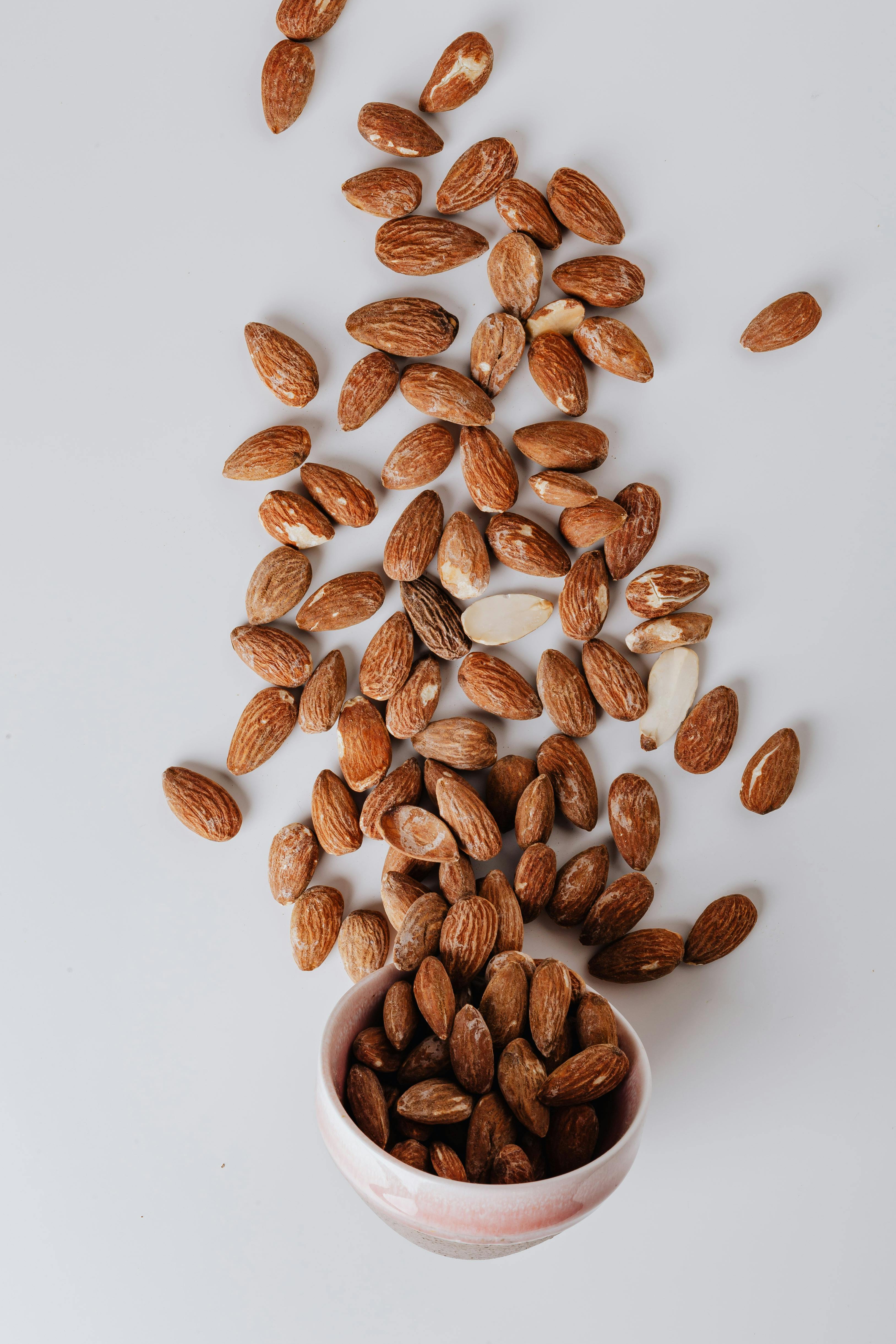
Spinach smoothies. Almond butter. Chocolate. Beets. Sweet potatoes. Swiss chard. These foods sit at the top of essentially every healthy eating list. The conventional wisdom says eat more of them. The Instagram nutrition accounts celebrate them. The expert recommendations promote them.
But for a substantial subset of the population, perhaps larger than anyone realizes, these supposedly ideal foods are silently damaging tissue. Causing joint pain. Depositing crystals in kidneys. Disrupting thyroid function. Producing symptoms attributed to fibromyalgia, autoimmune disease, anxiety, and various mystery ailments. The culprit is a plant compound called oxalate, and it deserves far more attention than it receives.
What follows is what oxalates are, who has problems with them, how to recognize oxalate toxicity, and the complicated business of reducing oxalate load without triggering worse problems through too rapid a change.
What Oxalates Are
Oxalate, or oxalic acid when in its acid form, is a compound produced by many plants as a defense mechanism. It binds minerals like calcium, magnesium, and iron and makes them less available to herbivores that consume the plant. From the plants perspective it is anti nutritional protection. From the consumers perspective it is a problem.
Oxalates come from two sources in humans. Dietary oxalate from plant foods contributes the majority. Endogenous oxalate produced by the liver from various precursors contributes a smaller amount normally but can increase dramatically under certain conditions including high dose vitamin C supplementation, excess fructose intake, and certain genetic variations.
The total oxalate load in the body is the combination of what comes in and what the body makes. When this load exceeds what the body can excrete through kidneys and bowel, oxalates form crystals that deposit in tissues throughout the body.
Where Oxalates Cause Damage
Oxalate crystals are sharp, like microscopic shards of glass. They can deposit essentially anywhere in the body and cause mechanical irritation and inflammation.
Kidney stones are the best known manifestation. Most kidney stones are calcium oxalate stones. Recurrent kidney stone formers often have elevated urinary oxalate levels. Preventing recurrence often involves dietary oxalate reduction.
Joint deposits cause pain, stiffness, and reduced mobility. Crystals in joint spaces produce inflammatory response similar to gout but from a different underlying substance. Fibromyalgia symptoms in some patients resolve substantially on low oxalate diets.
Thyroid gland deposits can impair function. Oxalate crystals have been documented in thyroid tissue and may contribute to hypothyroidism particularly in people whose thyroid issues do not respond to standard treatment.
Eye tissue can be affected. Oxalate crystals in the eye can cause visual disturbances, eye pain, and in severe cases vision loss.
Heart tissue can be affected. Oxalate deposits in heart muscle can contribute to cardiomyopathy. Rare genetic forms of oxalate overproduction cause cardiac disease.
Skin eruptions and rashes sometimes have oxalate involvement.
Vulvar pain in women has been linked to oxalate sensitivity in some cases. Low oxalate diets have resolved otherwise unexplained vulvodynia in selected patients.
Autism spectrum symptoms appear to worsen with high oxalate intake in a subset of children. Clinical observation in this population has led to low oxalate dietary interventions.
Urinary tract issues including painful urination and bladder inflammation can have oxalate involvement.
Why Some People Are Susceptible
Not everyone has problems with normal dietary oxalate intake. Understanding susceptibility factors helps identify who is at risk.
Gut health matters enormously. Normal gut bacteria include species that break down oxalates in the intestine before they can be absorbed. Oxalobacter formigenes is the most studied of these. Antibiotic use, particularly repeated courses, can eliminate these protective bacteria. Many people have no measurable Oxalobacter due to antibiotic damage. Without this protection dietary oxalate is absorbed in larger quantities.
Gut inflammation increases oxalate absorption. Inflammatory bowel disease, leaky gut, and chronic gut issues all promote oxalate absorption.
Fat malabsorption increases oxalate absorption dramatically. This is because calcium normally binds oxalate in the gut and prevents absorption. When fat is malabsorbed, the calcium preferentially binds to the fat instead, leaving oxalate free to be absorbed. People with gallbladder issues, pancreatic insufficiency, celiac disease, Crohn disease, and post bariatric surgery all have increased oxalate absorption.
Calcium deficiency promotes absorption through the same mechanism. Without adequate calcium in the gut to bind oxalate, more is absorbed.
Vitamin B6 deficiency increases endogenous oxalate production because B6 is a cofactor for an enzyme that converts oxalate precursors to other compounds.
Certain genetic variants increase oxalate production. Primary hyperoxaluria is a rare inherited condition that causes severe oxalate overproduction. Milder genetic tendencies are more common.
High vitamin C supplementation above one or two grams daily increases oxalate production. Vitamin C is metabolized partly to oxalate.
Excess fructose particularly from added sugars increases oxalate production.
Foods High In Oxalate
The following foods contain significant oxalate. This is a partial list.
Leafy greens. Spinach is the highest with massive amounts per serving. Swiss chard, beet greens, and amaranth leaves are also very high.
Beets and beet products.
Sweet potatoes particularly with skin.
Potatoes particularly with skin.
Nuts. Almonds, cashews, peanuts are high. Almond butter and almond flour concentrate the oxalate.
Seeds. Sesame seeds and poppy seeds are notably high.
Chocolate and cocoa.
Tea, particularly black tea.
Soy products. Tofu, soy milk, and edamame.
Wheat bran and whole grains in general contain moderate amounts.
Rhubarb.
Star fruit.
Many berries in smaller amounts.
Some spices including turmeric, cinnamon, and black pepper contain oxalate.
Buckwheat, quinoa, and some grains considered healthy are moderate to high.
Foods Low In Oxalate
Most animal foods are essentially oxalate free. Meat, poultry, fish, eggs, and dairy contain negligible amounts.
Many vegetables are low including cabbage, cauliflower, broccoli in moderation, mushrooms, cucumbers, zucchini, bell peppers, and lettuces.
Some fruits are low including apples, bananas, melons, peaches, and grapes.
White rice is low.
Most fats and oils are low.
How To Assess Your Own Situation
Testing for oxalate issues is limited and imperfect. Urinary oxalate measurements can identify high excreters. Kidney stone analysis after stone passage can confirm calcium oxalate stones. Organic acid testing through functional medicine panels sometimes shows elevated oxalate markers though interpretation is contested.
Clinical assessment matters more than lab testing for most people. Symptoms that might suggest oxalate issues include unexplained joint or muscle pain that does not fit other diagnoses, history of kidney stones, eye pain or visual issues, chronic urinary symptoms, fibromyalgia like pain, vulvodynia, and autoimmune conditions that have not responded to standard approaches.
A careful trial of a lower oxalate diet with attention to symptoms can be diagnostic. If symptoms substantially improve on reduced oxalate intake and recur with reintroduction, oxalate sensitivity is likely.
The Dumping Problem
Here is where oxalate reduction gets complicated. When you abruptly lower dietary oxalate intake, the body begins to release oxalate that has been stored in tissues. This is called oxalate dumping. It can produce a wide range of symptoms including fatigue, pain, digestive issues, mood changes, skin eruptions, and flu like feelings.
Dumping can last weeks to months as stored oxalate is mobilized and excreted. For people with substantial tissue storage the process can be rough.
This has led oxalate educated practitioners to recommend gradual reduction rather than rapid change. Typical guidance is to reduce oxalate intake by no more than about twenty five percent per week. This slower reduction allows the body to excrete released oxalate without overwhelming excretion capacity.
Sudden dramatic reductions like going from a high oxalate vegan diet to an essentially zero oxalate carnivore diet can trigger intense dumping reactions. This is one reason some people feel worse initially on carnivore diets before feeling better.
Supporting Excretion
When reducing oxalate intake or dealing with dumping, several strategies support safe clearance.
Calcium with meals binds dietary oxalate in the gut and prevents absorption. Supplemental calcium citrate at each meal is a standard recommendation. Calcium from food at the same meal as oxalate containing foods also helps.
Magnesium also binds oxalate. Magnesium citrate in particular is useful.
Vitamin B6 is a cofactor for oxalate metabolism. Adequate B6 reduces endogenous production. Fifty to one hundred milligrams daily is often used.
Hydration increases urinary clearance. Aim for enough water to produce pale yellow urine throughout the day.
Citrate in the urine inhibits calcium oxalate stone formation. Lemon water, orange juice, and potassium citrate supplements increase urinary citrate.
Probiotic support for oxalate metabolizing bacteria. While Oxalobacter formigenes itself is not available as a supplement, certain lactobacillus strains have some oxalate metabolizing capacity.
Biotin and arginine may help some people. Protocols vary and individual response varies.
The Dietary Approach
Rather than attempting a strict zero oxalate diet, most people do better with a moderate reduction. Complete elimination is difficult to sustain and not usually necessary.
Identify your highest oxalate intake sources and reduce those first. For many people this means reducing or eliminating spinach smoothies, large amounts of almonds, and multiple cups of black tea daily.
Keep meals containing calcium sources alongside moderate oxalate foods to reduce absorption.
Avoid concentrated oxalate sources if you have known sensitivity. Spinach in large quantities, almond flour baking, large doses of chocolate.
Cooking and preparing oxalate containing vegetables with certain methods reduces content. Boiling leafy greens and discarding the water removes significant oxalate. Soaking and cooking removes some.
Increase low oxalate vegetables and varied plant foods to maintain nutritional diversity without the oxalate burden.
Include more animal foods if your diet is heavily plant based. Animal foods are naturally oxalate free and high in bioavailable nutrients.
Special Populations
People with autism spectrum conditions and their caregivers should be aware of the potential role of oxalate. Low oxalate diets have shown benefit in some cases though outcomes vary.
Women with vulvodynia or painful bladder conditions that have not responded to other treatments may benefit from an oxalate trial.
Kidney stone formers should work with their physicians on oxalate management while ensuring adequate fluid intake and appropriate calcium.
People with gut dysbiosis from antibiotic history or chronic gut issues may be particularly oxalate sensitive and benefit from gut restoration alongside dietary changes.
Fibromyalgia patients who have not found clear explanations or effective treatment may benefit from a trial of oxalate reduction.
Athletes who have adopted diets heavy in oxalate rich green smoothies, almond butter, chocolate, and energy bars without realizing the cumulative oxalate load may see performance and recovery improvements with modification.
The Balance Question
Oxalate avoidance can become excessive. Many people benefit from some reduction. Very few benefit from zero oxalate. Oxalate containing foods contain other valuable nutrients, fiber, antioxidants, and compounds that support health.
The goal is avoiding toxic overload rather than complete elimination. Most healthy people can handle moderate oxalate intake without problems if their gut is healthy, calcium intake is adequate, and hydration is good.
Obsessive avoidance of common foods based on oxalate concerns can lead to nutritional narrowing, social eating difficulties, and disordered relationships with food. Balance matters.
Working With A Practitioner
Oxalate issues are underappreciated by most conventional practitioners. Finding a nutrition oriented physician, functional medicine provider, or registered dietitian with specific oxalate knowledge is valuable if you suspect oxalate involvement in your symptoms.
Specific practitioners and online communities have developed substantial expertise in oxalate management. Their guidance on gradual reduction, handling dumping symptoms, and balancing oxalate reduction with other dietary priorities can save substantial trial and error.
The Bottom Line
Oxalates are a real and underappreciated factor in various chronic health conditions. Some people handle dietary oxalates well. Others do not. The difference often comes down to gut health, calcium and magnesium status, vitamin B6, genetic factors, and overall oxalate load.
If you have unexplained symptoms and a diet heavy in oxalate rich foods, consider whether oxalates could be contributing. A careful assessment and gradual dietary adjustment may produce surprising benefits. For some people the effects are dramatic.
Not everyone needs to worry about oxalates. For those who do, attention to this hidden factor can produce results that conventional approaches have failed to achieve.
Sources and Further Reading
Health and Beyond uses reputable medical and scientific sources where possible. These links support or expand on the topics discussed above.
- Dietary Guidelines for Americansdietaryguidelines.gov
- NIH Office of Dietary Supplements: Fact Sheetsods.od.nih.gov