Every few years a new anti inflammatory food becomes a magazine headline. Turmeric in 2015. Fatty fish before that. Now it is bitter herbs, cruciferous vegetables, or whatever the algorithm decides to surface this month. The implication is always the same. Add this food, and inflammation will decrease.
The reality is both more useful and less exciting. Chronic low grade inflammation is driven primarily by the overall pattern of how you eat, not by any single miracle ingredient. A turmeric latte does not meaningfully reduce inflammation in someone eating ultra processed food three times a day. A handful of blueberries will not overcome a diet built around refined carbohydrates and industrial oils. The body responds to the aggregate of what you put into it, not to a spoonful of something labeled healthy.
This article walks through what chronic inflammation actually is, why it matters, the food patterns that fuel it, the food patterns that resolve it, and how to build an anti inflammatory way of eating that you can sustain for years rather than just a week of forced compliance.
What Chronic Inflammation Is and Why It Matters
Acute inflammation is the body normal response to injury or infection. A cut. A twisted ankle. A cold virus. The immune system floods the area with cells and signaling molecules that clear the threat, clean up damage, and support healing. Redness, heat, swelling, and pain are the visible signs. When the threat is resolved, the inflammation resolves. This is how it is supposed to work.
Chronic inflammation is different. It is low grade, persistent, and often below the level of conscious awareness. The immune system stays partially activated all the time, producing inflammatory signals that gradually damage tissues over years. You do not feel it the way you feel an acute injury. But your blood tests might show elevated C reactive protein. Your blood vessels are developing plaques. Your pancreas is working harder to keep glucose down. Your brain is processing the cumulative effects.
Most major modern diseases now have a chronic inflammation component in their causation. Cardiovascular disease. Type 2 diabetes. Alzheimer disease. Many cancers. Autoimmune conditions. Depression in some cases. Chronic pain syndromes. The list is long because the mechanism is central.
The good news is that diet is one of the most powerful levers for reducing chronic inflammation. Research has documented this repeatedly. The pattern of what you eat over months and years shifts inflammatory markers substantially.
The Patterns That Drive Inflammation
Ultra Processed Foods
The single biggest inflammatory pattern in modern diets is reliance on ultra processed foods. These are products that have been industrially transformed beyond recognition from their original ingredients and usually contain additives, emulsifiers, preservatives, refined oils, and refined sugars not found in home cooking. Packaged snacks. Fast food. Sweetened beverages. Breakfast cereals. Many frozen meals. Most packaged baked goods.
Populations eating more ultra processed food have higher inflammatory markers, higher disease rates, and shorter life expectancy across many studies. Reducing ultra processed food intake is the single highest leverage change most people can make.
Refined Carbohydrates and Added Sugars
White bread, pastries, most breakfast cereals, sweetened beverages, candy, and desserts produce rapid blood sugar spikes. Each spike drives a small insulin surge and a brief inflammatory response. Eaten occasionally, this is fine. Eaten all day every day, it produces chronic metabolic stress and inflammation.
Industrial Seed Oils in Excess
As discussed in the separate seed oils article, the amounts of linoleic acid that modern diets deliver, largely through ultra processed and restaurant foods, contribute to inflammatory signaling and oxidative stress at the tissue level.
Excessive Alcohol
More than modest amounts of alcohol produces direct inflammatory effects on the liver, gut, and other tissues. The threshold for alcohol to become inflammatory varies by person but is lower than most people realize.
Low Fiber and Poor Gut Health
A gut microbiome deprived of fiber shifts toward species that promote inflammation, and the gut lining becomes more permeable. Low fiber diets are pro inflammatory almost regardless of what else the diet contains.
Chronic Overfeeding
Consistently eating beyond caloric needs produces excess fat storage, and visceral fat tissue secretes inflammatory cytokines. The tissue itself becomes a source of chronic inflammation.
The Patterns That Resolve Inflammation
Whole Plant Foods in Abundance
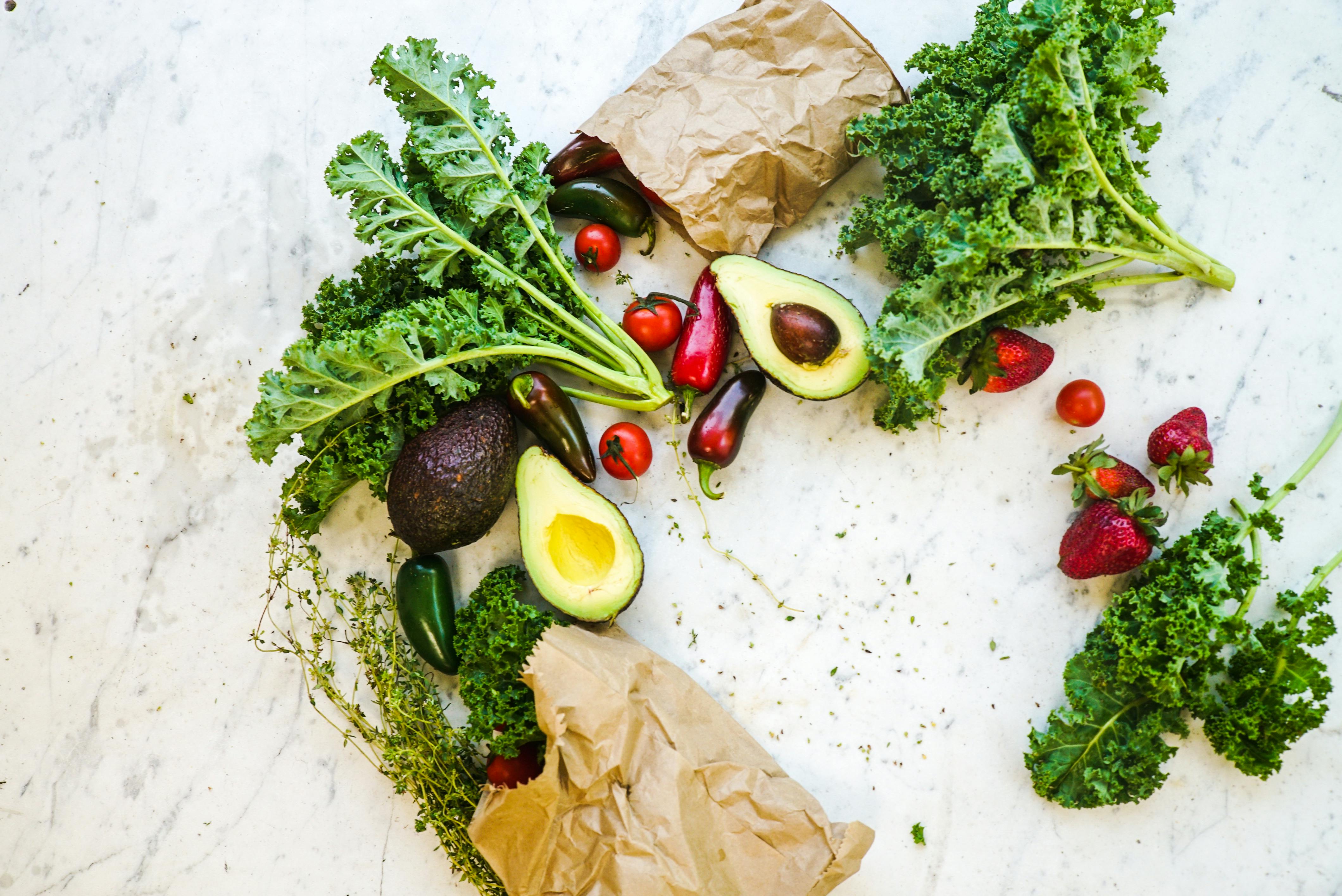
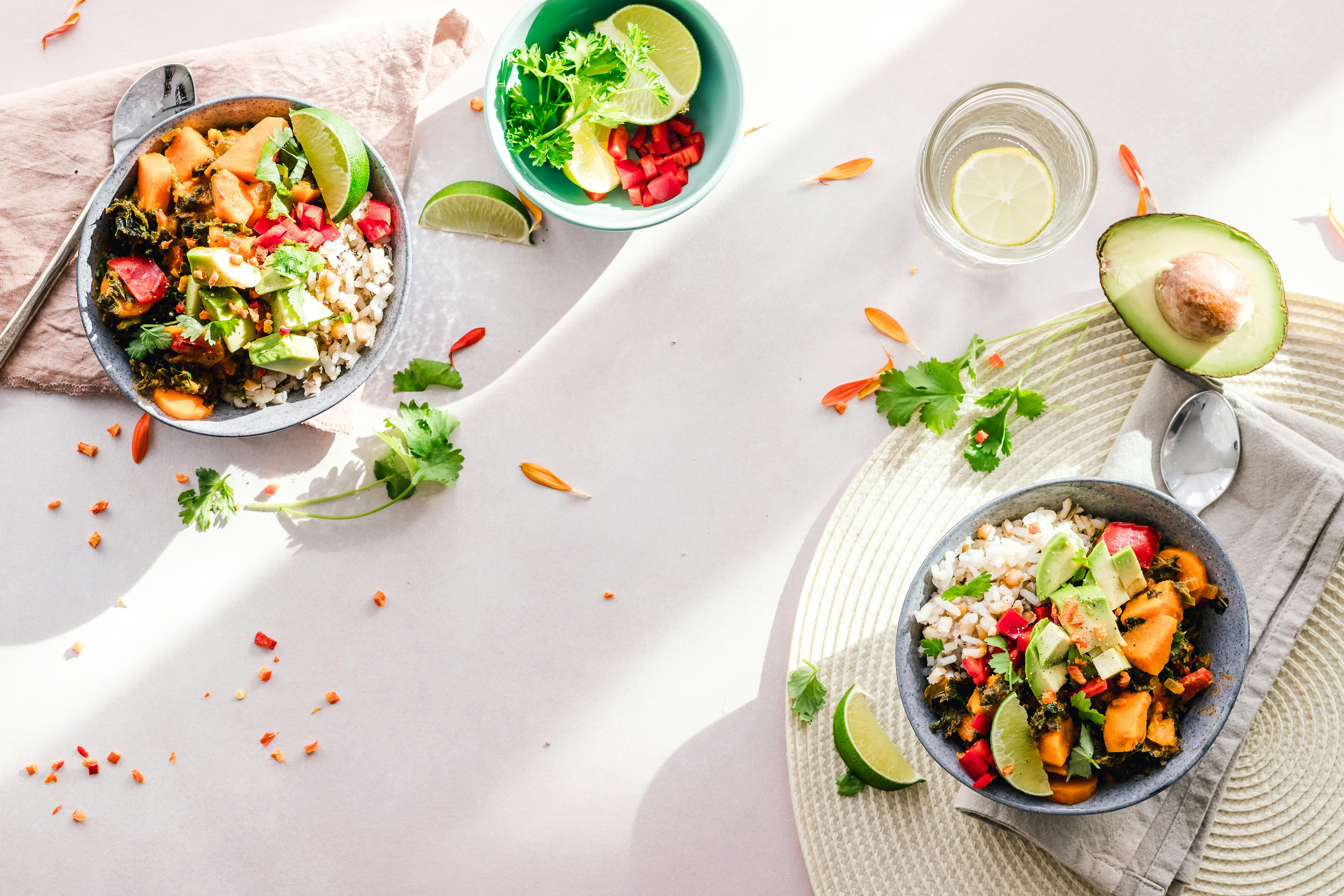
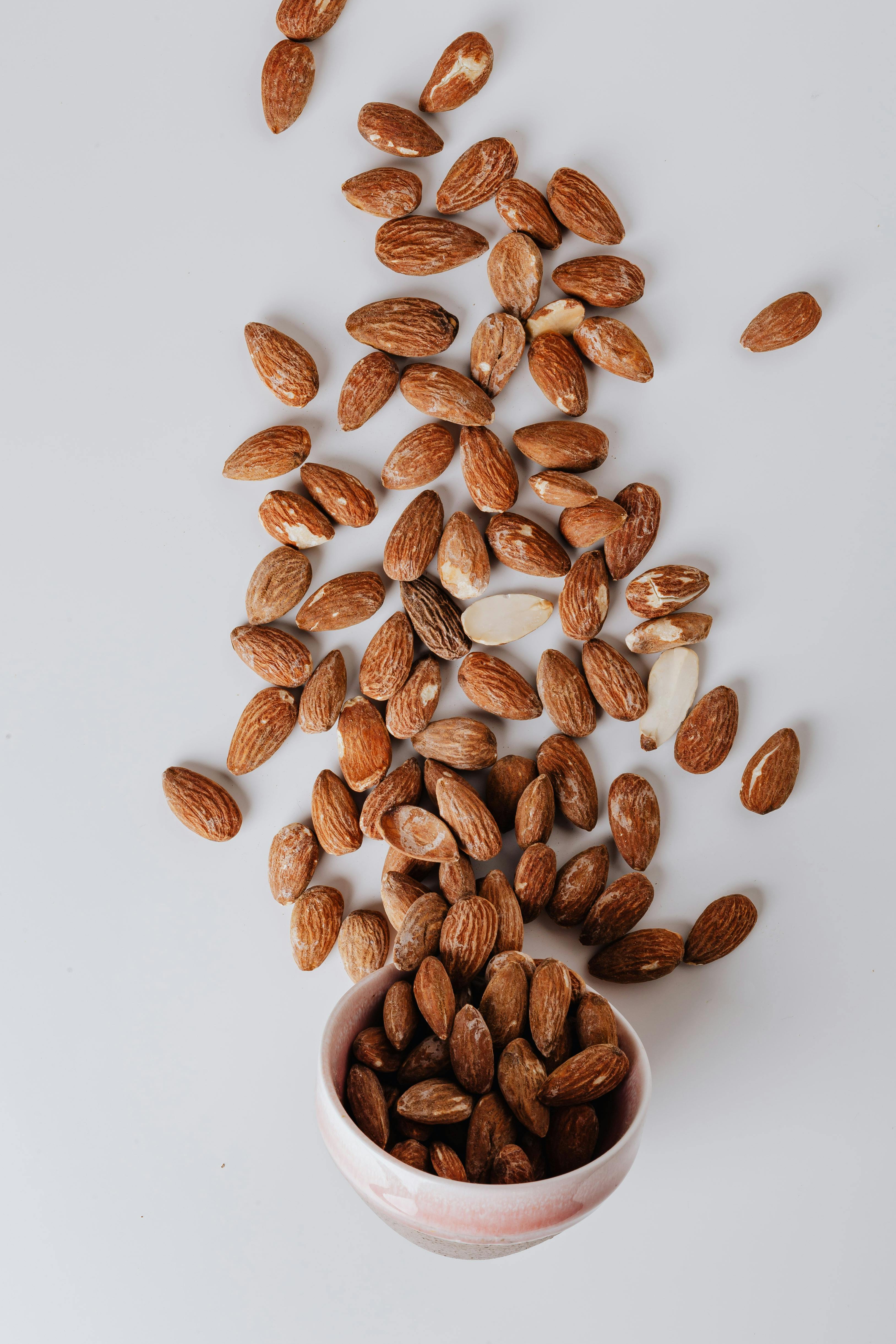
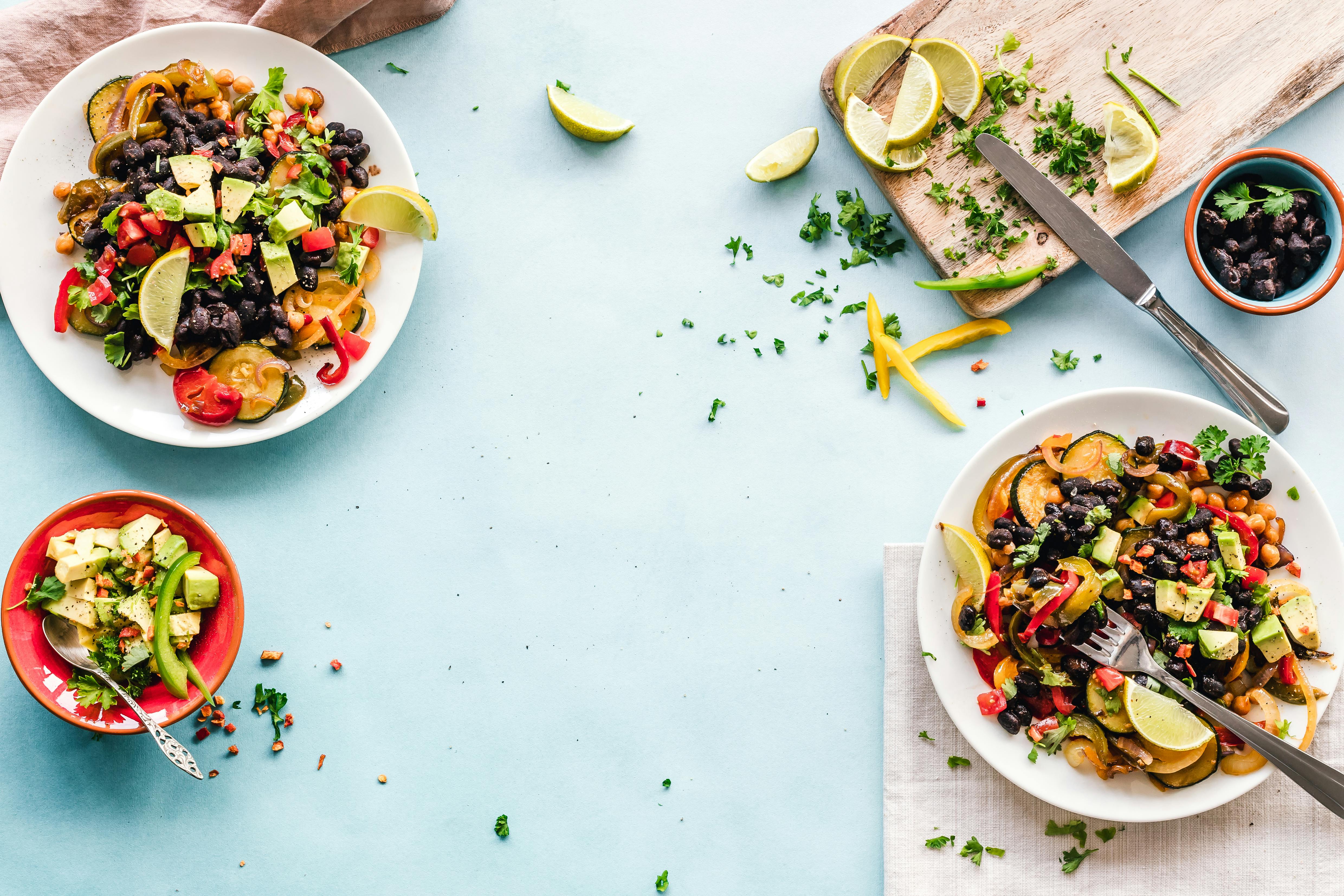
Vegetables, fruits, legumes, whole grains, nuts, and seeds provide fiber, polyphenols, vitamins, minerals, and fermentable substrates for gut bacteria. Diets rich in these foods produce lower inflammatory markers across studies.
A practical target is thirty different plant foods per week. This sounds like a lot but is easier than it seems. Each different vegetable, fruit, legume, whole grain, nut, seed, herb, and spice counts. A varied diet naturally reaches this target. A monotonous one does not.
Healthy Fats From Whole Sources
Fatty fish, olive oil, avocados, nuts, seeds, and eggs provide fats that support rather than undermine inflammatory balance. Omega 3 fats from fish are particularly important, as covered in the dedicated omega 3 article.
Fermented Foods
Yogurt with live cultures, kefir, kimchi, sauerkraut, miso, tempeh, and natto provide beneficial bacteria and fermentation metabolites that support gut health and reduce inflammation. Regular consumption, not occasional, is what matters.
Herbs and Spices
This is where the individual ingredient conversation has some merit. Turmeric, ginger, garlic, rosemary, oregano, thyme, cinnamon, and black pepper all contain compounds with documented anti inflammatory effects. They are not single handedly responsible for anti inflammatory eating, but used regularly they contribute.
Coffee and Tea
Regular coffee and green or black tea consumption is associated with lower inflammatory markers in most studies. The polyphenol content is substantial. As long as caffeine does not interfere with your sleep or anxiety, these beverages contribute rather than detract.
Moderate Protein From Varied Sources
Adequate protein supports muscle and immune function. The source matters. Legumes, fish, poultry, eggs, and modest amounts of quality red meat all have a place. Heavy reliance on processed meats, like hot dogs, bacon in large quantities, and cured meats, is associated with higher inflammation and should be limited.
A Practical Daily Pattern
Breakfast might include eggs with spinach and tomatoes, a slice of sourdough or whole grain bread, and a small bowl of berries with yogurt. Or oats with walnuts, cinnamon, and fresh fruit.
Lunch might be a large salad with a variety of vegetables, chickpeas or lentils, olive oil and vinegar, feta cheese, and pumpkin seeds. Or a grain bowl with quinoa, roasted vegetables, chicken, and tahini dressing.
Afternoon snack might be an apple with almond butter, or a handful of walnuts with a piece of dark chocolate.
Dinner might include salmon or sardines with roasted broccoli, sweet potato, and a green salad. Or a vegetable forward stir fry over brown rice with tofu or chicken.
Herbs and spices appear in every meal. Meals are built around vegetables and fiber rich foods rather than refined grains or processed components. Ultra processed foods appear rarely rather than daily.
This is not restrictive. It is abundant. Most people who shift toward this pattern report eating more food by volume while losing fat and feeling better. The calories are there, just coming from foods with much better effects on the body.
Common Pitfalls
Going extreme and unsustainable. A thirty day strict elimination diet followed by returning to previous eating patterns provides little long term benefit. Gradual, sustainable shifts produce better outcomes than aggressive short term projects.
Adding anti inflammatory foods without removing pro inflammatory ones. Taking turmeric capsules does not offset the daily soda, packaged snacks, and fried food. The subtractions matter more than the additions.
Obsessing over single foods or nutrients. The pattern over months is what matters. One meal that is less than ideal does not undo a generally good pattern. One perfect meal does not offset a generally poor pattern.
Ignoring the rest of lifestyle. Sleep, stress, exercise, and social connection all affect inflammation. Diet alone, even a very good one, cannot fully compensate for chronic sleep deprivation, unmanaged stress, or sedentary living.
How Long Until You Notice
Subjectively, many people report better energy, less joint stiffness, clearer skin, and better digestion within a few weeks of shifting to an anti inflammatory pattern. Sleep quality often improves.
Objectively, inflammatory markers like C reactive protein shift within weeks to months. Lipid profiles and blood sugar markers often improve in the same timeframe. Longer term markers like HbA1c update over a few months.
The deeper benefits, reduced disease risk over decades, cannot be felt in the moment. They show up as the diseases you did not get, the medications you did not need, the independence you retained as you aged. These benefits are not less real for being invisible.
The Bottom Line
Anti inflammatory eating is not a specific protocol you follow for a month and check off. It is a way of organizing your daily food choices that serves your long term health. The pattern is not complex. Whole plant foods in abundance. Quality protein. Healthy fats. Minimal ultra processed foods. Plenty of variety.
Build this pattern slowly. Make it enjoyable. Find recipes you look forward to cooking. The goal is not perfection. It is a durable shift in the default choices you make so the anti inflammatory pattern becomes the natural way you eat rather than a project you have to sustain by willpower. That kind of change holds across decades, and that is where the real benefit compounds.
Sources and Further Reading
Health and Beyond uses reputable medical and scientific sources where possible. These links support or expand on the topics discussed above.
- Dietary Guidelines for Americansdietaryguidelines.gov
- NIH Office of Dietary Supplements: Fact Sheetsods.od.nih.gov