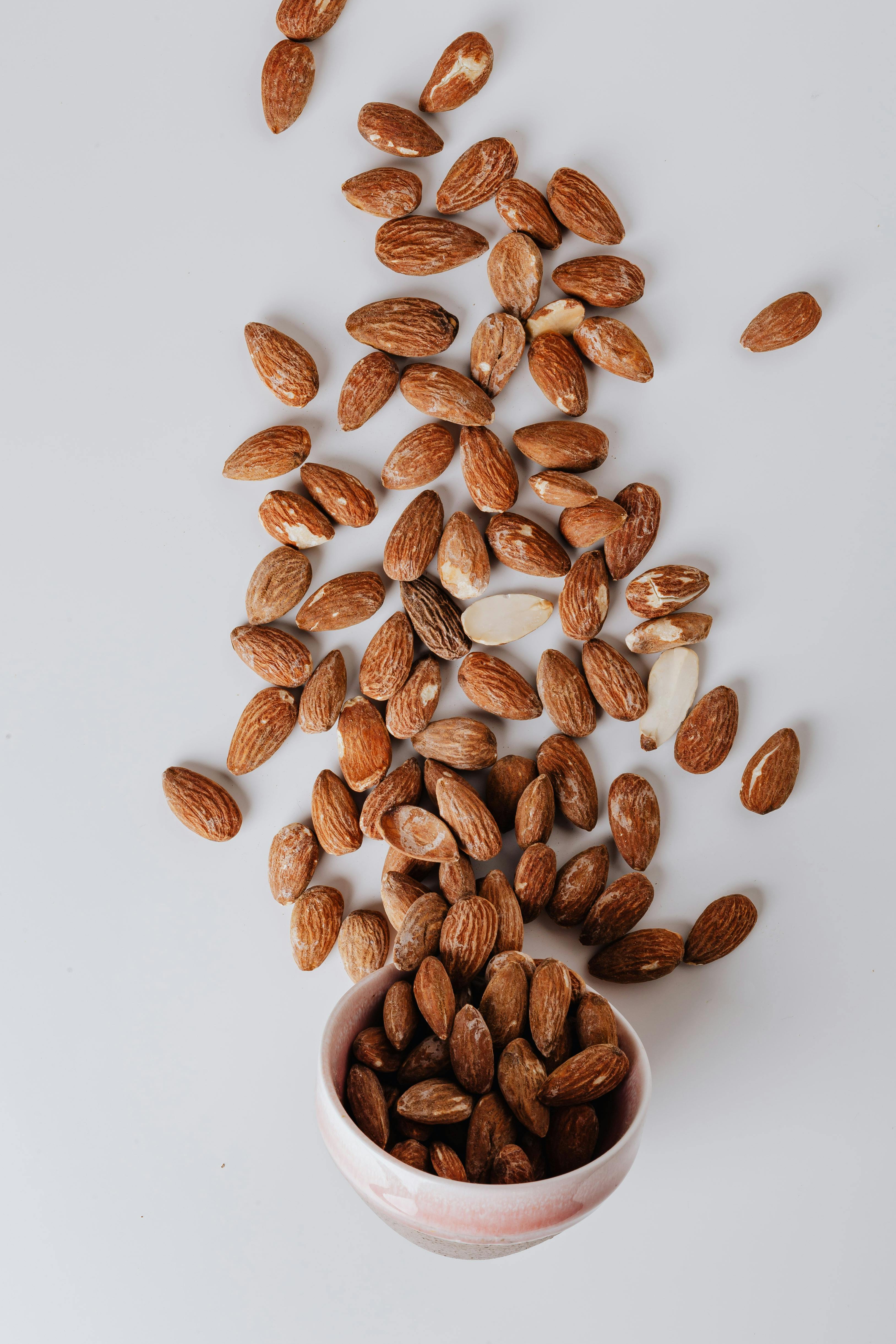
If you have been eating what everyone considers a healthy diet but still dealing with joint pain, kidney stones, fatigue, brain fog, or other unexplained symptoms, there is a chance that oxalates are part of your problem. Oxalates are naturally occurring compounds found in many plant foods, including some of the most celebrated health foods like spinach, almonds, sweet potatoes, and chia seeds. For most people they cause no issues, but for a growing number of people they appear to contribute to a surprising range of problems.
This is a topic that sits at the edge of mainstream nutrition. Conventional medicine takes oxalates seriously only for kidney stone prevention, while functional medicine has expanded the conversation to include broader effects on health. The truth probably lies somewhere in between, but understanding oxalates can be genuinely useful for some people.
What Oxalates Are
Oxalates are natural compounds that many plants produce as a defense mechanism against being eaten. They are also produced in small amounts by the human body as a byproduct of metabolism. Chemically, oxalates are the salts of oxalic acid, a simple organic acid.
The issue with oxalates is that they bind to minerals, particularly calcium, forming crystals that are largely insoluble. When these crystals form in the kidneys, they become kidney stones. When they form in other tissues, they may cause inflammation, pain, and other problems.
In a healthy person with good gut function, most oxalates from food are broken down by gut bacteria or bound in the intestine and excreted in stool. A smaller amount is absorbed and excreted in urine. Problems develop when more oxalate is absorbed than the body can handle or excrete safely.
Foods High In Oxalates
The oxalate content of foods varies widely and sometimes surprisingly. Some of the highest oxalate foods include spinach, Swiss chard, rhubarb, beet greens, almonds, cashews, peanuts, sesame seeds, chia seeds, dark chocolate, cocoa, sweet potatoes, buckwheat, amaranth, quinoa, black tea, raspberries, kiwi, tofu, tempeh, and starfruit.
Moderate oxalate foods include sweet potatoes, beets, carrots, celery, potatoes, blackberries, strawberries, grains like wheat and oats, many beans and lentils, and many nuts.
Low oxalate options include most animal foods including meat, fish, eggs, and dairy, cabbage, cauliflower, cucumbers, lettuce, mushrooms, onions, peas, zucchini, apples, avocados, bananas, cherries, grapes, melons, and white rice.
Notice that many of the highest oxalate foods are the ones celebrated in health circles. Green smoothies loaded with spinach, daily handfuls of almonds, chia pudding, and sweet potato bowls can add up to very high oxalate loads compared to what most traditional diets contained.
The Modern Oxalate Problem
Human beings have eaten plants with oxalates for all of history, but there are reasons modern oxalate exposure may be higher and more problematic than in the past.
Health trends have dramatically increased consumption of certain high oxalate foods. Spinach smoothies were not a traditional staple in most cultures. Almond milk, almond butter, and almond flour have replaced lower oxalate alternatives. Chia and flax seeds are added to countless recipes. Dark chocolate consumption has expanded.
Antibiotic use has damaged the gut bacteria populations, particularly Oxalobacter formigenes, that evolved to break down dietary oxalates. Many people now have very low or absent levels of this protective bacterium.
Digestive issues including inflammatory bowel disease, fat malabsorption, gastric bypass surgery, and bile acid problems can increase oxalate absorption from the gut. With modern rates of these issues being high, more people have compromised oxalate handling.
Chronic inflammation and leaky gut may allow more oxalate to cross from the intestine into circulation where it can cause problems throughout the body.
Kidney Stones And Beyond
The most well-established oxalate issue is kidney stones. About seventy to eighty percent of kidney stones are calcium oxalate, and dietary oxalate clearly contributes to their formation in susceptible people. Anyone with a history of kidney stones should be aware of their oxalate intake.
Beyond kidneys, oxalate crystals have been found in many tissues throughout the body, including blood vessels, joints, thyroid, bones, muscles, eyes, and brain tissue. Whether these deposits cause symptoms is less well-established in conventional medicine but is an area of growing research interest.
Conditions associated with high oxalate levels in functional medicine circles include vulvodynia, interstitial cystitis, autism spectrum disorders, mitochondrial dysfunction, fibromyalgia, chronic fatigue, joint pain, muscle pain, cognitive issues, and skin conditions.
The research connecting oxalates to these broader issues is preliminary, but the case reports and clinical experience of many practitioners suggest something real is going on for some people.
Signs You May Have An Oxalate Problem
Recurring kidney stones, particularly calcium oxalate stones, are the clearest indication that oxalate handling is impaired.
Mystery symptoms that flare after meals high in oxalates, particularly pain in joints, muscles, or specific body areas, may suggest oxalate sensitivity.
Burning pain in the skin, hands, feet, eyes, or other areas can sometimes reflect oxalate issues.
Sand-like or gritty sensations in the eyes, skin, or urine can suggest oxalate crystal formation.
Worsening symptoms when eating popular health foods like spinach smoothies or almond butter may indicate sensitivity.
Chronic fatigue that has not responded to other interventions, particularly when combined with any of the above, warrants considering oxalates.
The gold standard test is a twenty-four hour urine oxalate test, which measures how much oxalate you are excreting. High urinary oxalate indicates either high intake or impaired absorption control.
The Oxalate Dumping Phenomenon
One of the most confusing aspects of oxalates is the phenomenon of oxalate dumping. When people with high body burdens of oxalates suddenly reduce their intake dramatically, stored oxalates may be mobilized from tissues and eliminated. This can cause temporary worsening of symptoms.
Symptoms of dumping can include fatigue, body pain, skin eruptions, mood changes, digestive upset, and kidney pain or urinary symptoms. These episodes are typically self-limited but can be confusing if you do not understand what is happening.
This is why gradual reduction is often recommended rather than dramatic elimination. Going from a very high oxalate diet to a very low one overnight can trigger dumping that discourages people from continuing.
A Graduated Approach
If you suspect oxalates are an issue, a graduated approach typically works best.
Start by identifying the biggest oxalate sources in your diet. For many people this is spinach smoothies, almond products, chocolate, and specific seeds like chia. Reducing these by half is a reasonable starting point.
Ensure adequate calcium intake with meals. Calcium binds oxalate in the intestine and reduces absorption. Dairy products, calcium-rich vegetables, or calcium supplements with meals can significantly reduce oxalate uptake.
Support gut health. Address any gut issues that may be contributing to excessive absorption. Probiotics containing Lactobacillus and Bifidobacterium species can help, though true Oxalobacter formigenes probiotics are not widely available.
Drink plenty of water. Dilute urine reduces kidney stone formation risk and supports elimination.
Eat cooked rather than raw versions of higher oxalate vegetables when possible. Cooking reduces oxalate content in some foods, particularly when water is discarded as with boiled vegetables.
Monitor symptoms as you make changes. Some people notice improvements within weeks, others take months as body stores gradually clear.
When To Stay Moderate Rather Than Go Low
Not everyone needs to worry about oxalates. The typical healthy person with no symptoms, no kidney stone history, and good digestive function can eat a wide variety of plants without issue.
Complete oxalate avoidance eliminates many nutritious foods and can be both psychologically stressful and nutritionally limiting. The goal for most people is moderation and awareness rather than elimination.
Target oxalate intake for most people should be well under one hundred milligrams per day, with some sources suggesting fifty milligrams is better for sensitive individuals. The standard American diet ranges widely, with some estimates of daily intake from one hundred fifty to several hundred milligrams.
Working With Specific Conditions
For recurrent kidney stones, oxalate awareness is standard medical advice. Work with a urologist or nephrologist for a tailored approach that considers your specific stone composition, urinary chemistry, and other risk factors.
For autism families exploring dietary interventions, oxalates are an area some parents and practitioners find helpful. This should ideally be done with professional support to ensure nutritional adequacy.
For chronic pain, fatigue, or mystery symptoms, a trial of moderate oxalate reduction for two to three months may be worth trying alongside other interventions. If symptoms improve, you have information to work with.
Oxalate And Vitamin C
A note of caution: high doses of vitamin C can be converted to oxalate in the body, potentially contributing to oxalate burden. For most people this is not a significant issue, but people with known oxalate problems or kidney stones should use caution with vitamin C supplements above one or two grams daily.
This does not apply to dietary vitamin C from food in normal amounts.
Cooking Matters
How you prepare foods affects oxalate content. Boiling vegetables and discarding the cooking water can reduce oxalates significantly in some foods, particularly spinach where reductions of thirty to ninety percent have been reported.
Soaking and rinsing legumes, grains, and nuts reduces antinutrients including oxalates to some degree, though the effect on oxalates specifically is variable.
Fermentation may reduce oxalates in some foods, though data is limited.
Steaming retains more oxalates than boiling with discarded water.
The Bottom Line
Oxalates are a legitimate health consideration for some people, though not necessarily everyone. If you have recurring kidney stones, chronic unexplained symptoms, or patterns that suggest oxalate sensitivity, evaluating your oxalate intake is worth doing.
The modern health-focused diet, ironically, may contain more oxalates than traditional eating patterns. Green smoothies, almond products, chia, and dark chocolate all contribute. This does not mean these foods are bad, but it does mean awareness of your total load matters.
A thoughtful approach combines moderation rather than elimination, adequate calcium and hydration, gut health support, and individual symptom monitoring. For the right person, reducing oxalates can resolve stubborn symptoms that no one thought had a dietary cause. For others, it is simply one more piece of awareness that helps inform thoughtful food choices.
Do not let this become another source of anxiety about eating. Most people do not need to worry about oxalates intensely. But knowing they exist and paying attention if symptoms suggest sensitivity can be a useful tool in the broader pursuit of personal health.
Sources and Further Reading
Health and Beyond uses reputable medical and scientific sources where possible. These links support or expand on the topics discussed above.
- Dietary Guidelines for Americansdietaryguidelines.gov
- NIH Office of Dietary Supplements: Fact Sheetsods.od.nih.gov