Diet trends come and go with remarkable frequency. Atkins, South Beach, Paleo, Keto, Carnivore, and countless others have had their moments. Through all of them, the Mediterranean diet has quietly remained the top recommendation of scientific bodies, nutrition researchers, and medical experts. This is not because it is trendy or novel but because it has the strongest and longest-standing evidence base of any dietary pattern.
The Mediterranean diet is not really a diet in the sense most people use the word. It is a pattern of eating that emerged in the coastal regions of Greece, Italy, Spain, and southern France over millennia and was first systematically studied in the 1950s and 1960s. What makes it notable is the combination of what people eat, how they prepare food, and how meals fit into the broader rhythm of life.
How The Mediterranean Diet Was Discovered
The Mediterranean diet came to scientific attention through the Seven Countries Study led by Ancel Keys starting in the 1950s. Researchers noticed that people in certain Mediterranean regions, particularly Crete and southern Italy, had remarkably low rates of heart disease despite high dietary fat intake.
The key insight was that not all fats are equivalent. The fat in the Mediterranean diet came largely from olive oil and fish rather than animal fats and processed vegetable oils. The pattern of food combinations and the lifestyle context also seemed to matter.
Subsequent decades of research have confirmed and expanded the original findings. The Mediterranean diet is now associated with reduced risk of heart disease, stroke, type 2 diabetes, cognitive decline, certain cancers, and overall mortality. The PREDIMED trial and similar large-scale studies have provided clinical trial evidence to supplement the observational research.
The Core Components
The Mediterranean diet is built around several key food groups and patterns.
Vegetables and fruits appear at essentially every meal and often as snacks. The variety is important, with seasonal and local produce featured prominently. Cooked and raw preparations are both common.
Whole grains including bread, pasta, rice, and more traditional grains like farro and bulgur provide the starchy foundation of many meals. These are typically minimally processed and eaten in moderate quantities rather than as the dominant component.
Legumes including beans, lentils, and chickpeas appear regularly, often in soups, stews, and side dishes. They provide protein, fiber, and satiety, often replacing meat as a main protein source.
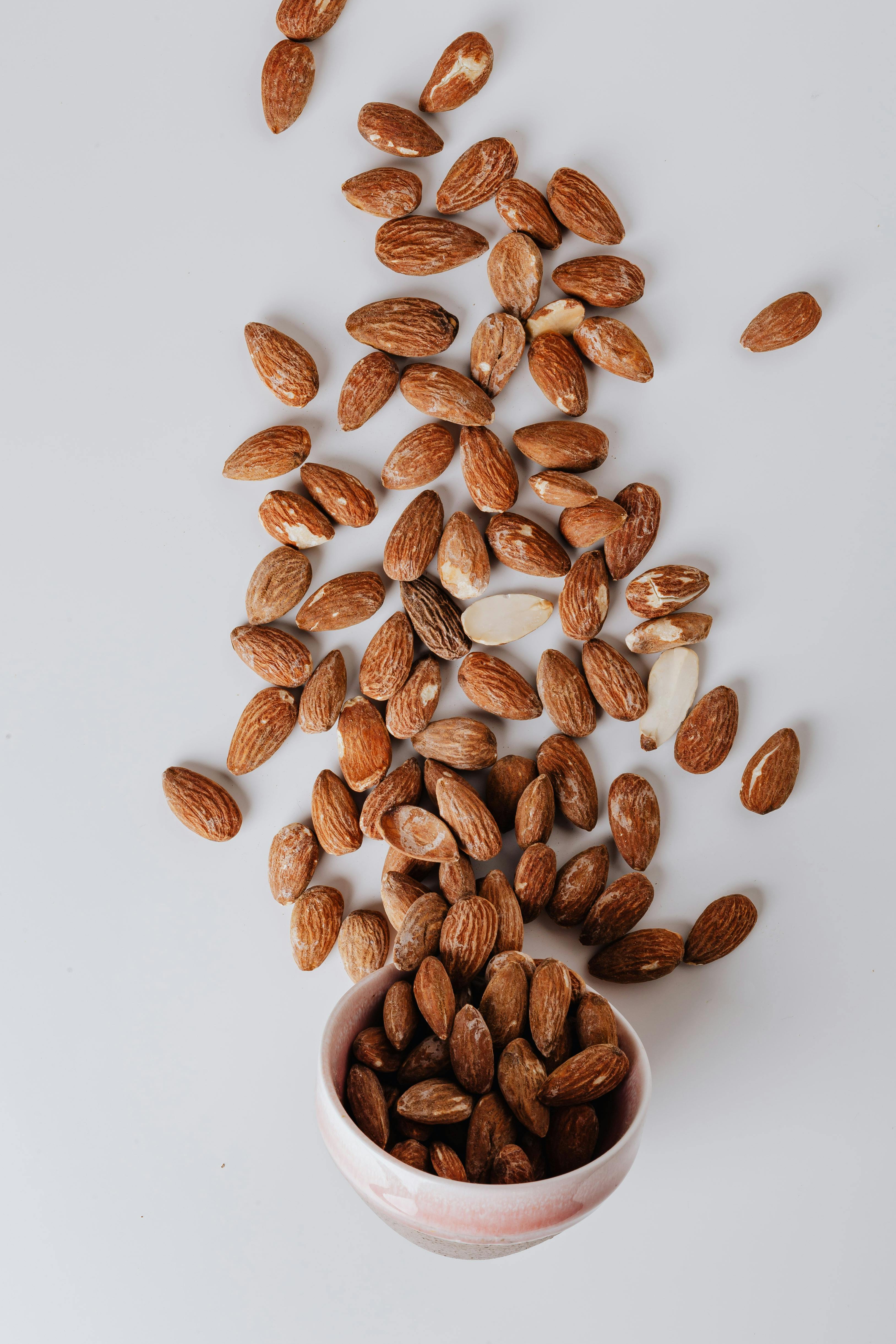
Nuts and seeds are consumed regularly as snacks and incorporated into meals. Almonds, walnuts, and pistachios are particularly common.
Olive oil is the primary source of added fat. It is used generously for cooking, dressing vegetables, finishing dishes, and even as a dip. The quality of olive oil matters, with extra virgin olive oil providing the most beneficial compounds.
Fish and seafood appear several times per week. Small oily fish like sardines and anchovies are emphasized, as are the various preparations of larger fish available in Mediterranean regions.
Poultry and eggs appear moderately, providing protein without emphasis on red meat.
Dairy, particularly cheese and yogurt, is consumed regularly but in moderate amounts. Fermented dairy products like yogurt are particularly valued.
Red meat is eaten sparingly, perhaps a few times per month in traditional patterns, though modern adaptations vary.
Herbs, spices, garlic, and onions flavor most dishes, reducing the need for salt and providing additional beneficial compounds.
Wine, particularly red wine, is consumed moderately with meals in many Mediterranean traditions. This is not essential to the diet and the alcohol component is appropriately controversial.
Water is the primary beverage, with coffee, tea, and occasional wine completing most drinks.
What Is Not Featured
Understanding what the Mediterranean diet avoids is as important as what it includes.
Ultra-processed foods are minimal in traditional Mediterranean eating. Packaged snacks, processed meats, refined grain products, and manufactured foods generally are not part of the pattern.
Sugary drinks are essentially absent. Soda, energy drinks, and sweet beverages are not part of traditional Mediterranean beverage patterns.
Added sugars are limited. Sweet dishes exist but are eaten occasionally rather than as daily staples. Desserts are often fruit-based.
Highly processed vegetable oils like soybean, corn, and cottonseed oil are not part of traditional Mediterranean cooking.
Fast food and commercial restaurant fare with its high sodium, processed ingredients, and large portions diverge significantly from Mediterranean eating.
The Critical Role Of Olive Oil
Olive oil deserves special attention because it is the defining ingredient of the Mediterranean diet and the subject of extensive research.
Extra virgin olive oil contains not just the monounsaturated fats that provide some benefits but hundreds of bioactive compounds including polyphenols with anti-inflammatory and antioxidant effects. Compounds like oleocanthal have been shown to have anti-inflammatory activity similar to ibuprofen.
The quality and freshness of olive oil matter significantly. Older oil and lower-quality oil have diminished polyphenol content. Look for extra virgin olive oil from recent harvests, stored in dark bottles, and with verified production.
Using olive oil generously is the Mediterranean way. Two to four tablespoons daily is typical, used for cooking, salad dressings, and finishing dishes. Some Mediterranean research showed the largest benefits in groups using the highest olive oil intakes.
Good olive oil tastes peppery and slightly bitter, indicating high polyphenol content. Very mild, buttery oils may be less therapeutic even though they taste pleasant.
Fish And Seafood Emphasis
Fish, particularly small oily fish, is another distinctive Mediterranean feature. Sardines, anchovies, and mackerel are eaten frequently and provide both quality protein and omega-3 fatty acids.
The frequency of fish consumption in traditional Mediterranean patterns, at least two or three times weekly, contributes meaningfully to cardiovascular benefits. Omega-3 fatty acids reduce inflammation, support cardiovascular function, and contribute to brain health.
Small fish have advantages beyond their omega-3 content. They are lower in mercury than larger predatory fish and have smaller environmental impacts. They are also more affordable than many other seafood options.
Shellfish including mussels, clams, and octopus appear in many Mediterranean cuisines and provide similar benefits.
Plant Diversity
The sheer variety of plants in Mediterranean cooking is a defining feature. A typical Mediterranean eater consumes perhaps forty or more different plant foods weekly including vegetables, fruits, herbs, grains, legumes, nuts, and seeds.
This diversity supports gut microbiome health, which depends on varied plant fibers and polyphenols. It also provides a wide range of phytochemicals that contribute to the diet anti-inflammatory and antioxidant effects.
Modern Western eating often features much less plant diversity, with people eating relatively few different vegetables and fruits on repeat. Deliberately increasing plant variety, even with simple additions, moves toward Mediterranean principles.
Fresh herbs deserve specific mention. Basil, oregano, rosemary, thyme, mint, and parsley appear constantly in Mediterranean cooking. They contribute flavor without sodium and provide additional beneficial compounds.
The Lifestyle Component
Traditional Mediterranean eating happened in a broader lifestyle context that included daily physical activity, strong social connections, unhurried meals, and time spent outdoors.
Meals were often shared with family and friends, eaten slowly, and savored. This social and psychological context may contribute significantly to the health benefits beyond the food itself.
Daily physical activity was built into life through walking, gardening, and manual labor rather than dedicated exercise sessions. This movement pattern differs from modern sedentary work with occasional intense exercise.
Afternoon rest, the traditional siesta in Mediterranean countries, may contribute to cardiovascular and cognitive health. Though incompatible with many modern work schedules, the pattern of shorter work days and social evenings differs from contemporary patterns.
Health Benefits In Detail
Cardiovascular benefits are the most studied. Mediterranean diets reduce heart attack risk, stroke risk, and cardiovascular mortality substantially. Clinical trials have shown reductions of around thirty percent in major cardiovascular events.
Type 2 diabetes risk is reduced and blood sugar control in diabetics improves with Mediterranean patterns. The combination of whole foods, quality fats, and reduced refined carbohydrates supports metabolic health.
Cognitive benefits include reduced risk of Alzheimer disease and slower cognitive decline with aging. The anti-inflammatory and antioxidant effects support brain health.
Cancer risk, particularly for breast, colorectal, and other common cancers, is reduced with Mediterranean eating. The mechanisms likely involve both specific beneficial compounds and the avoidance of pro-cancer dietary factors.
Longevity effects are among the most impressive findings. Mediterranean eating is associated with reduced all-cause mortality, meaning people live longer on this pattern compared to typical Western eating.
Weight management is generally better on Mediterranean patterns despite no specific caloric restriction. The satiating effect of whole foods, adequate fat, and protein naturally supports weight regulation.
Implementing It Practically
You do not need to live in a Mediterranean country to eat this way. Practical implementation follows several principles.
Make plant foods the foundation of every meal. Vegetables, fruits, legumes, or whole grains should be present at most meals.
Use olive oil generously. Cook with it, dress salads with it, drizzle it on finished dishes. Invest in quality oil and use it while fresh.
Eat fish several times weekly. Sardines on toast, canned tuna in a salad, or prepared fish as a main dish all contribute.
Include legumes regularly. A can of chickpeas or beans added to a meal is simple and effective.
Snack on nuts and fruit rather than processed options. A handful of walnuts and an apple is classic Mediterranean snacking.
Cook with herbs and garlic. Build flavor through these rather than heavy salt, sugar, and fat.
Eat slowly and socially when possible. The pace and social context of meals matters.
Drink water as your primary beverage, with moderate wine only if you already drink alcohol.
Common Pitfalls
Several common mistakes reduce the benefits of attempting a Mediterranean approach.
Using poor quality olive oil negates much of the benefit. Cheap oil often lacks the beneficial polyphenols, and some products are adulterated.
Focusing on single foods rather than the pattern misses the point. Mediterranean eating is about the combination and proportions, not just adding olive oil to a standard Western diet.
Including processed Mediterranean-style foods defeats the purpose. Packaged Greek yogurt with added sugar or jarred tomato sauce with seed oils are not traditional Mediterranean foods.
Treating it as a low-fat diet misunderstands the pattern. Adequate fat from olive oil, nuts, and fish is essential. Low-fat adaptations lose much of the benefit.
Overdoing grains and pasta shifts the balance away from plants. Pasta in Mediterranean eating is a sometimes component, not a daily staple, and portions are moderate.
Adapting To Your Context
The Mediterranean diet does not require eating only Mediterranean foods. The principles apply to many culinary traditions.
Japanese eating emphasizes fish, vegetables, and minimal processed foods with similar benefits. Traditional Mexican eating with beans, vegetables, and moderate animal protein shares principles. Many traditional eating patterns worldwide share the core features of plant-based, minimally-processed eating.
Adapt to what is available, affordable, and appealing in your local context. Canned sardines and frozen vegetables work. You do not need Mediterranean imports to eat this way.
The Bottom Line
The Mediterranean diet holds up as the most evidence-supported approach to healthy eating for good reason. The combination of whole foods, beneficial fats, variety, and moderation provides nutrients and beneficial compounds while avoiding the problems of highly processed eating.
You do not need to perfect it immediately. Moving toward Mediterranean principles gradually, in ways that work for your life, produces meaningful benefits. Adding more plants, using olive oil, eating fish regularly, and reducing processed foods are concrete steps.
Over years and decades, this pattern of eating reduces disease risk, supports cognitive function, and contributes to healthy aging. For people looking for an eating approach that is both pleasurable and supported by strong evidence, the Mediterranean diet remains the best-documented choice available.
Sources and Further Reading
Health and Beyond uses reputable medical and scientific sources where possible. These links support or expand on the topics discussed above.
- Dietary Guidelines for Americansdietaryguidelines.gov
- NIH Office of Dietary Supplements: Fact Sheetsods.od.nih.gov