What Functional Fitness Actually Means
The fitness industry has co-opted the term functional fitness to describe everything from standing on a BOSU ball while doing bicep curls to elaborate obstacle course-style workouts that look impressive on social media but bear little resemblance to actual human movement demands. Stripped of marketing hype, functional fitness has a straightforward definition: training that improves your ability to perform the physical tasks required in daily life, work, sport, and recreation with reduced injury risk and greater efficiency.
Functional training organizes exercises around movement patterns rather than isolated muscles. Your body does not think in terms of biceps and quadriceps when you pick up a heavy grocery bag, climb a flight of stairs, or catch yourself from a stumble. It coordinates multiple muscle groups across multiple joints simultaneously to produce, resist, and redirect force through integrated kinetic chains. Training that respects this reality produces physical capabilities that transfer seamlessly from the gym to the demands of everyday living.
The concept has deep roots in rehabilitation medicine. Physical therapists have long recognized that recovering from injury requires retraining movement patterns, not just strengthening individual muscles. A knee replacement patient does not need stronger quadriceps in isolation. They need the coordinated ability to rise from a chair, walk on uneven surfaces, and descend stairs safely. The American Physical Therapy Association has promoted movement-based training approaches for decades, and the principles have gradually migrated from clinical rehabilitation into mainstream fitness programming.
What makes this approach especially relevant today is the growing disconnect between modern lifestyles and our bodies' movement requirements. Humans evolved to squat, carry, climb, push, pull, rotate, and walk for miles daily. Sedentary work culture has reduced many adults' movement vocabulary to sitting, standing, and walking on flat surfaces. Functional fitness restores the movement diversity that keeps joints healthy, prevents falls, maintains independence with aging, and builds resilience against the physical challenges life inevitably presents.
The Seven Foundational Movement Patterns
Every complex human movement can be decomposed into combinations of seven fundamental patterns. Training these patterns through a full range of motion with progressive resistance builds comprehensive functional capacity that transfers to virtually any physical task.
The Squat Pattern
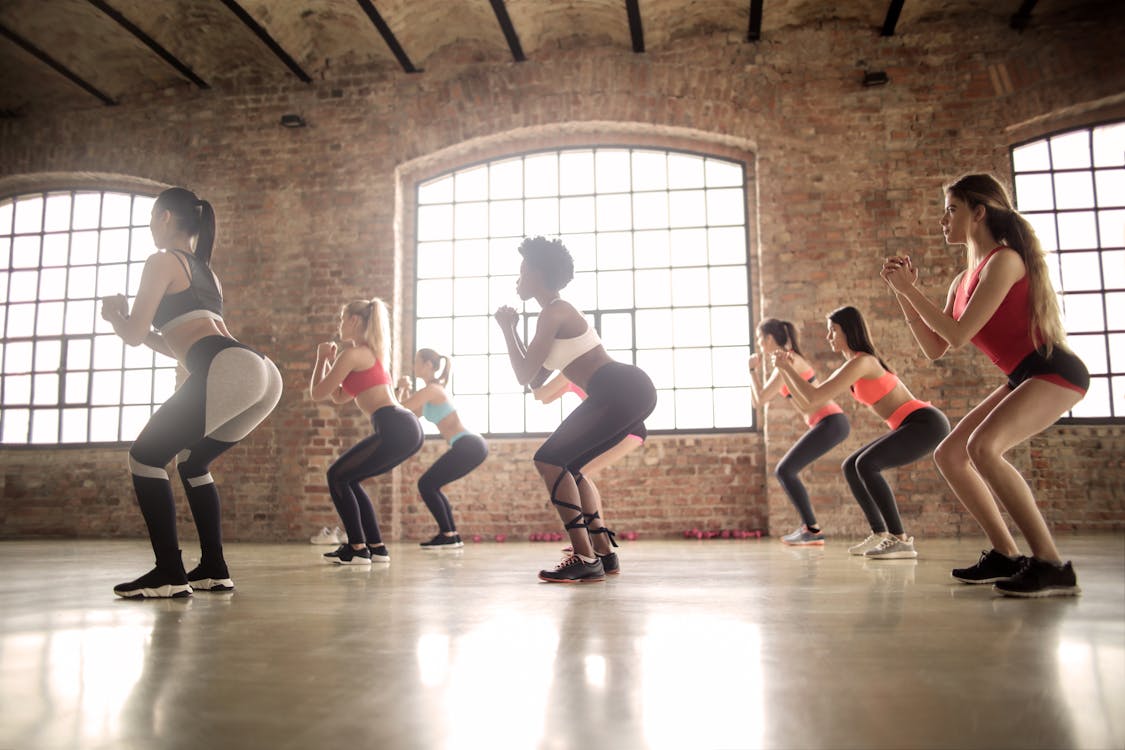
Squatting is the foundational lower-body movement pattern, required every time you sit down, stand up, pick something off the floor, or lower yourself to interact with children or pets. The squat involves simultaneous flexion at the hip, knee, and ankle joints while maintaining a neutral spine under load.
Functional squat training begins with bodyweight squats performed to a depth that your mobility allows while maintaining proper form. Progression involves adding depth, adding external load through goblet squats or barbell variations, and introducing single-leg variations like Bulgarian split squats that challenge balance and correct strength imbalances between legs.
The depth of your squat matters for functional capacity. Getting into and out of a low position, whether it is a deep garden bed, a floor-level shelf, or a low chair, requires full-depth squatting ability. Many adults have lost this range of motion through disuse, and restoring it through progressive practice is one of the most impactful functional fitness investments you can make.
The Hinge Pattern
Hip hinging involves bending at the hips while maintaining a neutral spine, the movement pattern used when picking objects off the floor, bending over a sink, or shoveling snow. The hinge loads the posterior chain, including the hamstrings, glutes, and spinal erectors, which function as the primary engines for lifting and carrying tasks.
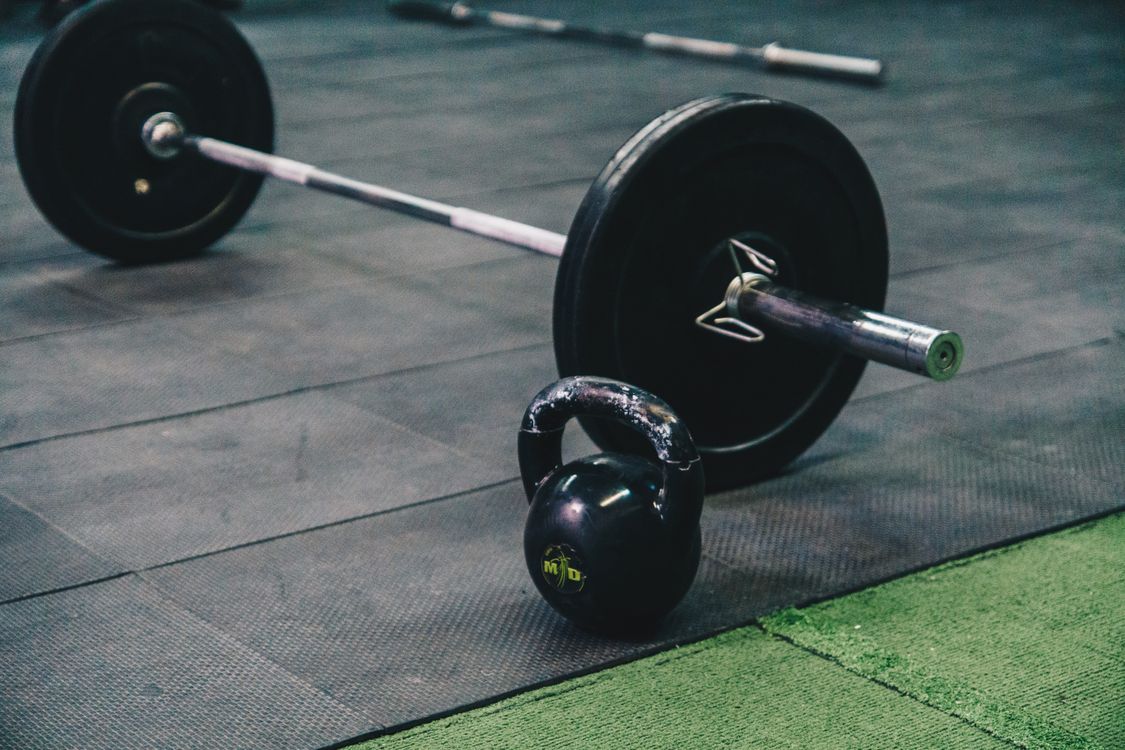
Deadlift variations serve as the primary hinge training exercises. Conventional deadlifts, Romanian deadlifts, kettlebell swings, and single-leg deadlifts all train the hinge pattern with different emphasis and complexity. The critical skill in all hinge variations is maintaining spinal neutrality while the load transfers through the hip joint, a pattern that directly prevents the lower back injuries so common among adults who bend improperly during daily activities.
The Push Pattern
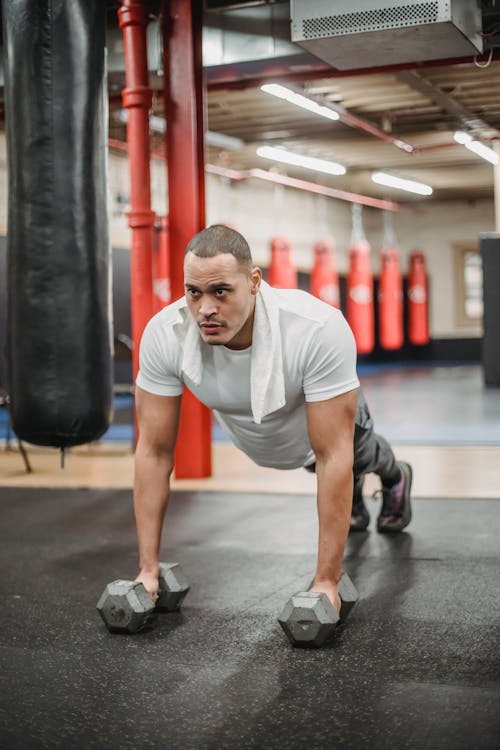
Pushing involves extending the arms against resistance in horizontal or vertical directions. Opening heavy doors, pushing a stroller uphill, placing luggage in overhead compartments, and getting up from the floor all require pushing capacity. Push-ups, overhead presses, and chest press variations train this pattern through different angles.
Horizontal pushing develops the chest, anterior deltoids, and triceps. Vertical pushing emphasizes the shoulders with assistance from the upper chest and triceps. Both directions are essential for comprehensive functional capacity, and neglecting either creates imbalances that compromise shoulder health over time.
The Pull Pattern
Pulling draws objects toward your body or your body toward fixed objects. Opening drawers, rowing a boat, climbing, and carrying shopping bags all involve pulling patterns. Rows, pull-ups, and their many variations develop the upper back, biceps, and grip strength that support pulling demands.
Grip strength deserves special attention within the pull category because it often becomes the limiting factor in real-world tasks before the larger pulling muscles fatigue. Research published in the Journal of Strength and Conditioning Research has identified grip strength as one of the strongest predictors of all-cause mortality and functional independence in aging populations, making it a critical training priority.
The Carry Pattern
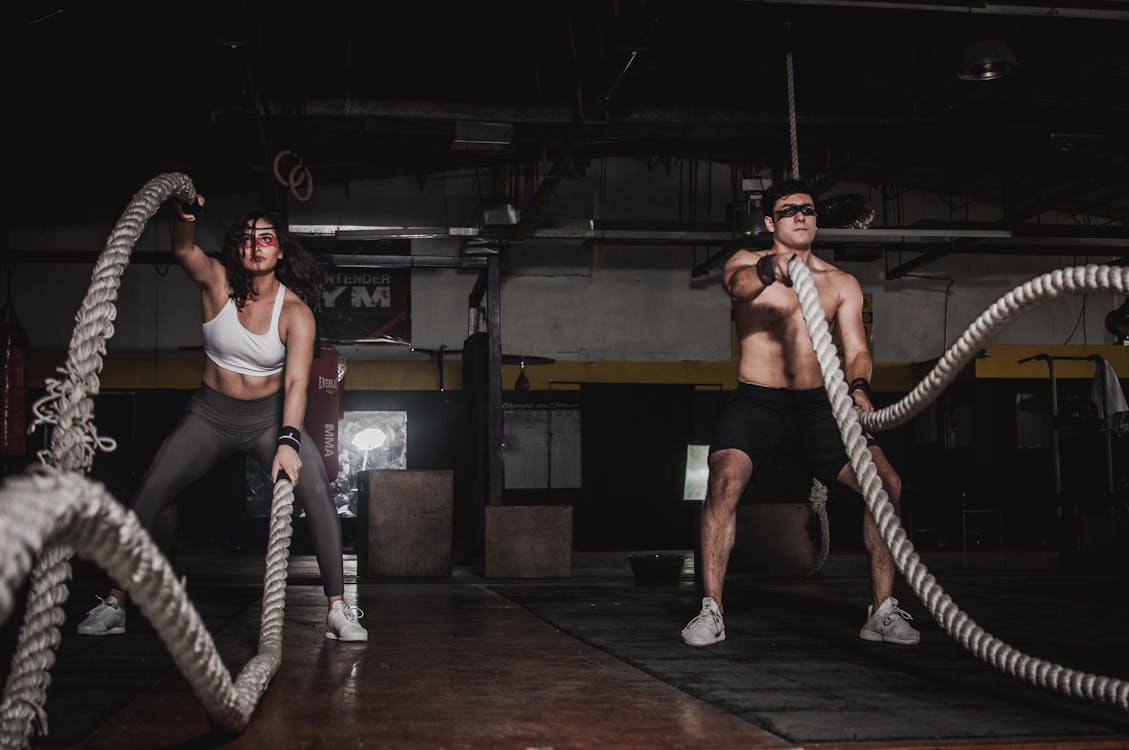
Loaded carries are arguably the most functional exercise category because they replicate the most common real-world physical demand: moving objects from one place to another while walking. Farmer's walks, suitcase carries, overhead carries, and front-loaded carries each challenge stability, grip, core bracing, and cardiovascular endurance simultaneously.
The carry pattern trains the body as an integrated unit. Your core stabilizes against shifting loads, your grip maintains hold on the implement, your legs propel you forward under load, and your cardiovascular system delivers oxygen to working muscles throughout. No isolation exercise replicates this comprehensive demand, which is why carries feature prominently in functional fitness programming.
The Rotation Pattern
Nearly every athletic movement and many daily activities involve rotational force production or resistance. Throwing a ball, swinging a golf club, turning to reach for something behind you, and transferring objects from one surface to another all require rotational capacity. The obliques, transverse abdominis, and hip rotators drive and control rotational movement.
Wood chops, cable rotations, medicine ball throws, and rotational lunges train the ability to generate and control rotational force through the torso. Anti-rotation exercises like Pallof presses train the equally important ability to resist unwanted rotation, protecting the spine during asymmetric loading.
The Gait Pattern
Walking, running, climbing stairs, and lunging all represent variations of the gait pattern, which involves single-leg stance and coordinated contralateral arm-leg movement. Single-leg exercises like lunges, step-ups, and single-leg deadlifts train the balance, stability, and unilateral strength that gait demands.
Falls are a leading cause of injury and loss of independence in older adults, and fall prevention fundamentally requires single-leg strength and balance competency. Training the gait pattern through progressive single-leg exercises builds the neuromuscular control that prevents falls long before advanced age makes them a primary concern.
Designing a Functional Fitness Program
A well-designed functional fitness program includes all seven movement patterns within each training week, with exercise selection and loading appropriate to your current capacity and goals.
Sample Weekly Program Structure
Day One: Push and Pull Focus Warm up with thoracic spine rotations, band pull-aparts, and arm circles. Perform push-ups or bench press for three to four sets of eight to twelve reps. Follow with barbell or dumbbell rows for matching volume. Add overhead pressing for three sets of eight to ten reps. Finish with face pulls and farmer's walks for two to three sets each.
Day Two: Squat and Hinge Focus Warm up with hip circles, bodyweight squats, and hamstring sweeps. Perform goblet squats or back squats for three to four sets of eight to twelve reps. Follow with Romanian deadlifts for three to four sets of eight to ten reps. Add Bulgarian split squats for three sets of ten per leg. Finish with single-leg calf raises and core work.
Day Three: Integrated Movement Day Warm up with a dynamic movement flow including inchworms, world's greatest stretch, and lateral lunges. Perform kettlebell swings for four sets of twelve. Add Turkish get-ups for three sets of three per side. Include walking lunges with rotation for three sets of ten per side. Finish with suitcase carries and crawling patterns.
This three-day framework covers all seven movement patterns while allowing for progression in both loading and complexity. The integrated day specifically trains movement quality, coordination, and the ability to transition between patterns, which is how your body actually functions outside the gym.
Progression Strategies for Functional Training
Functional fitness progression extends beyond adding weight. While increasing load remains an important variable, other progression pathways often deliver more relevant functional improvements.
Stability reduction progresses exercises from stable to unstable surfaces or from bilateral to unilateral stances. A barbell squat on flat ground progresses to a single-leg squat, increasing the balance and stabilization demands that more closely replicate real-world conditions where surfaces are uneven and loads are asymmetric.
Movement complexity adds coordination challenges by combining patterns. A squat-to-press combines lower body and upper body patterns. A reverse lunge with rotation combines gait and rotation patterns. These combination movements challenge your brain's ability to coordinate multiple patterns simultaneously, which is exactly what daily activities demand.
Speed variation introduces both slow, controlled tempos for strength and stability, and explosive speeds for power development. The ability to generate force quickly matters for catching yourself from a stumble, reacting to unexpected events, and performing athletic movements. Power diminishes faster than strength with aging, making explosive training increasingly important for long-term functional capacity.
Environmental variation takes training outdoors, onto uneven surfaces, or into conditions that challenge proprioception and adaptability. Trail walking, sand training, or simply performing exercises on grass instead of a flat gym floor introduces the sensory challenges that build genuine functional resilience.
Functional Fitness Across the Lifespan
The specific demands of functional fitness shift with age, but the underlying principles remain constant at every stage of life.
For adults in their twenties and thirties, functional fitness emphasizes building a broad base of movement competency, addressing imbalances created by sedentary work, and establishing training habits that will support decades of physical capacity. Injury prevention through proper movement mechanics pays enormous dividends by avoiding the chronic issues that accumulate from years of improper loading.
In your forties and fifties, the priority shifts toward maintaining power output, preserving mobility, and building the specific capacities that protect against the most common injuries and functional declines of middle age. Single-leg strength becomes increasingly important as balance begins to decline. Grip strength training protects against the loss of hand function that subtly erodes independence.
Beyond sixty, functional fitness focuses directly on the activities of daily living, including rising from chairs, climbing stairs, carrying groceries, and maintaining balance during unexpected perturbations. The exercises may look simpler than those performed by younger adults, but they are precisely targeted at the capacities that determine whether you live independently or require assistance.
Functional fitness is not a trend or a marketing category. It is a philosophy of training that honors the body's design, prepares you for life's physical demands, and builds the kind of strength that actually matters when the gym doors are behind you. Train movements, not muscles, and your body will reward you with decades of capable, confident physical function.
Sources and Further Reading
Health and Beyond uses reputable medical and scientific sources where possible. These links support or expand on the topics discussed above.
- American Physical Therapy Associationapta.org
- Journal of Strength and Conditioning Researchjournals.lww.com