Why Most Beginners Fail and How This Program Prevents It
The fitness industry has a dirty secret: the vast majority of people who start exercising quit within the first three months. Gym membership data consistently shows that January sign-ups drop off by March, home equipment purchased with good intentions becomes an expensive clothes rack, and running shoes bought in a burst of motivation gather dust in the closet. The problem is rarely laziness or lack of desire. The problem is that most beginner programs are designed by experienced exercisers who have forgotten what it feels like to start from zero.
Effective beginner programs share three characteristics that separate them from the programs that produce three-month dropouts. First, they start embarrassingly easy. The initial workouts should feel almost too simple, building the habit of showing up before challenging the body. Second, they progress gradually enough that each week feels achievable but slightly more demanding than the last. Third, they build competence in fundamental movement patterns before introducing complexity or heavy loads.
This twelve-week program was designed around those three principles and informed by exercise adherence research from the American College of Sports Medicine, which identifies progressive structure, realistic time commitments, and early success experiences as the strongest predictors of long-term exercise adherence. You will train three days per week, with sessions lasting thirty to forty-five minutes. No gym membership is required for the first four weeks. The program gradually introduces equipment as your confidence and competence grow.
Before You Start: Setting Your Baseline
Before beginning week one, establish baseline measurements that will help you track progress objectively. Subjective feelings of improvement are important but unreliable, especially during the first few weeks when soreness and unfamiliarity can mask genuine fitness gains.
Resting heart rate measured upon waking provides a reliable indicator of cardiovascular fitness improvement. Place two fingers on your wrist or neck, count beats for thirty seconds, and multiply by two. Record this number. Repeat the measurement weekly under the same conditions. A declining resting heart rate over twelve weeks confirms cardiovascular adaptation.
Bodyweight squats in one minute tests lower-body muscular endurance. Perform as many bodyweight squats as possible with proper form in sixty seconds. Record the number. You will repeat this test at weeks four, eight, and twelve.
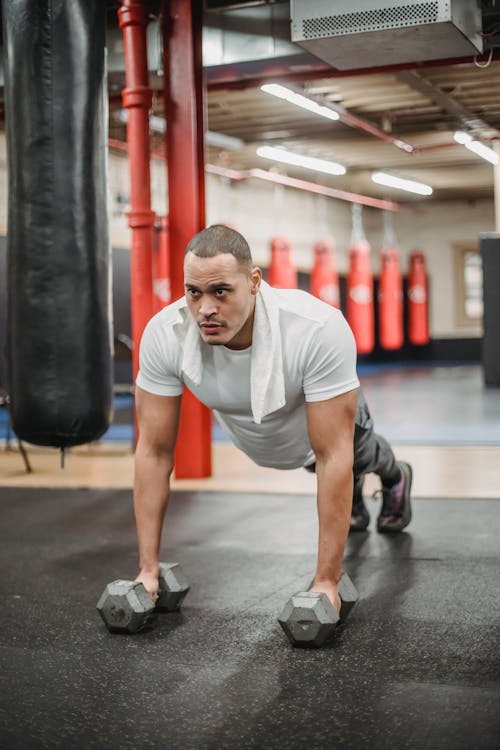
Push-ups to failure tests upper-body strength endurance. Perform as many push-ups as possible, using wall push-ups, knee push-ups, or standard push-ups depending on your current ability. Record both the variation used and the number completed.
A timed one-mile walk tests baseline cardiovascular fitness without the impact stress of running. Walk one mile as briskly as possible on a flat surface and record your time. Most beginners complete a mile walk in fifteen to twenty minutes.
These four measurements take less than fifteen minutes to complete and provide objective data points that demonstrate progress even during weeks when subjective improvement feels minimal.
Phase One: Foundation (Weeks 1-4)
The first four weeks focus on three objectives: establishing the exercise habit, learning fundamental movement patterns with proper form, and building the baseline conditioning necessary for more demanding work in later phases. Every session begins with a five-minute warm-up of walking or marching in place and ends with five minutes of gentle stretching.
Week 1-2 Schedule (Three Sessions Per Week)
Session A: Lower Body Focus
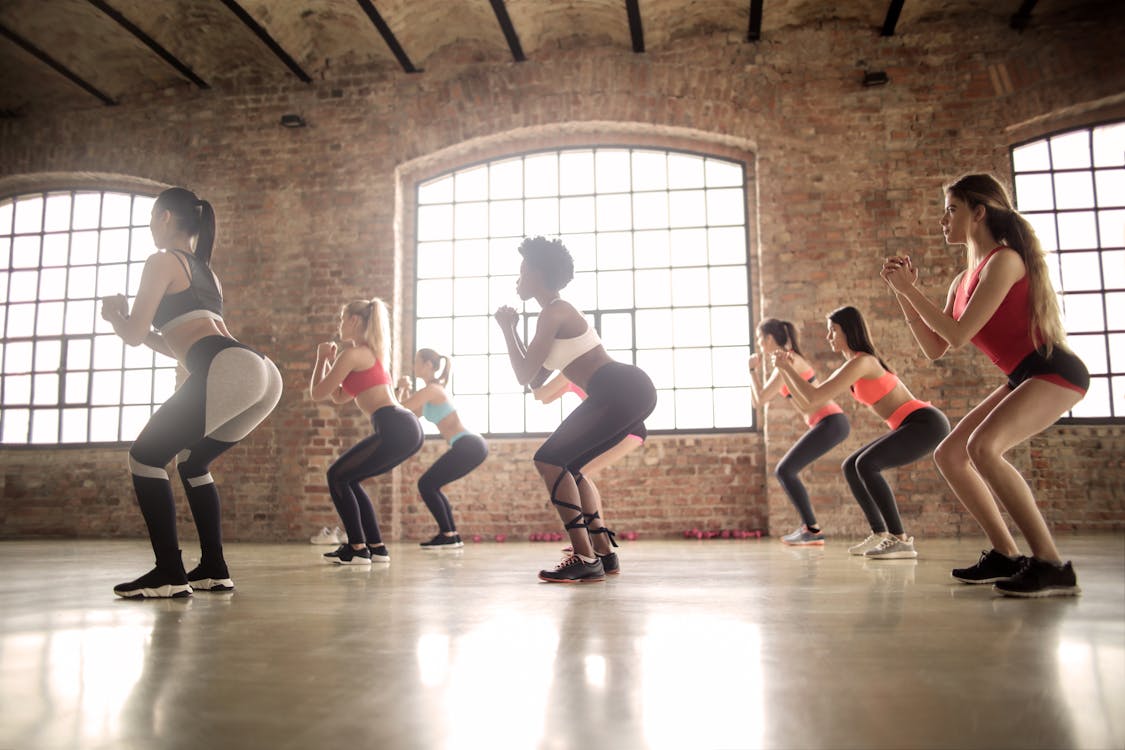
Start with bodyweight squats, performing two sets of ten repetitions with sixty seconds of rest between sets. Focus on sitting back as if lowering into a chair, keeping your chest upright and your knees tracking over your toes. If full-depth squats are not accessible, squat to a chair or bench and stand back up.
Follow with stationary lunges, performing two sets of eight per leg. Hold onto a wall or counter for balance if needed. Step forward into a lunge position, lower until both knees reach approximately ninety degrees, and push back to standing.
Finish with a ten-minute walk at a pace that elevates your breathing slightly but allows conversation. This cardiovascular component builds aerobic base without the joint stress of running.
Session B: Upper Body and Core Focus
Begin with wall push-ups, performing two sets of ten. Stand arm's length from a wall, place palms flat against it at shoulder height, and perform push-ups against the wall. As this becomes easy over the first two weeks, progress to push-ups with hands on a counter or elevated surface.
Follow with standing rows using a resistance band or a filled backpack held against your chest while hinging forward. Perform two sets of ten, pulling the band or squeezing your shoulder blades together against the resistance.
Add a plank hold, starting with whatever duration you can maintain with a straight body from shoulders to ankles. Record your time. Perform two attempts with sixty seconds of rest between them. Most complete beginners hold between ten and thirty seconds initially.
Finish with a ten-minute walk at conversational pace.
Session C: Full Body Circuit
Perform each exercise for thirty seconds, rest thirty seconds, and move to the next. Complete two rounds of the following circuit: bodyweight squats, wall push-ups, standing marches with high knees, plank hold, and standing calf raises. Total time including rest: approximately fifteen minutes. Follow with a fifteen-minute walk.
Week 3-4 Progression
Increase bodyweight squats and wall push-ups to three sets of twelve. Progress lunges to three sets of ten per leg. Increase plank duration by ten to fifteen seconds. Extend walks to fifteen minutes and increase pace slightly. Add one new exercise: glute bridges, performing three sets of twelve. This exercise strengthens the posterior chain and teaches hip extension mechanics that will be essential for later phases.
The full-body circuit adds one round, performing three total rounds instead of two. Reduce rest between exercises from thirty seconds to twenty seconds.
Phase Two: Building (Weeks 5-8)
Phase two introduces light external resistance and increases cardiovascular demands. If you have access to dumbbells, a set of adjustable dumbbells ranging from five to twenty-five pounds covers all needs for this phase. If not, filled water jugs, a loaded backpack, or resistance bands provide adequate resistance.
Week 5-6 Schedule
Session A: Lower Body Strength
Goblet squats holding a dumbbell or household object at chest level: three sets of ten. The added weight increases the strength stimulus while the front-loaded position improves core engagement and squat depth.
Romanian deadlifts with light dumbbells: three sets of ten. This hip-hinge movement targets the hamstrings and glutes while teaching the spine-neutral hinging pattern critical for safe lifting in daily life.
Walking lunges: three sets of ten per leg, adding light hand weights if bodyweight feels easy.
Single-leg glute bridges: three sets of eight per leg.
Finish with fifteen minutes of brisk walking or, if ready, alternating one minute of jogging with two minutes of walking for fifteen minutes total.
Session B: Upper Body Strength
Incline push-ups with hands on a bench or sturdy chair: three sets of as many reps as possible. If you can complete twelve or more, progress to knee push-ups or full push-ups.
Dumbbell rows: three sets of ten per arm. Place one hand and knee on a bench, hold a dumbbell in the opposite hand, and row it toward your hip.
Overhead press with dumbbells: three sets of ten. Press dumbbells from shoulder height to full arm extension overhead.
Plank: three sets, each held as long as possible with good form.
Dead bugs for core stability: three sets of eight per side. Lie on your back with arms extended toward the ceiling and knees at ninety degrees. Slowly extend one leg while lowering the opposite arm, maintaining a flat lower back against the floor.
Session C: Conditioning Circuit
Perform each exercise for forty seconds with twenty seconds of rest. Complete three rounds: goblet squats, push-up variation, dumbbell rows, walking lunges, plank, and jumping jacks or step jacks. Rest ninety seconds between rounds. Follow with a ten-minute walk cooldown.
Week 7-8 Progression
Increase all strength exercises to three sets of twelve before adding weight. When twelve reps feels manageable with good form, increase the weight by the smallest increment available and return to sets of ten. This progressive overload pattern will continue through the remainder of the program.
Increase cardiovascular components. If you have been walking, begin incorporating walk-jog intervals: jog one minute, walk two minutes, repeat for twenty minutes. If already comfortable jogging, extend continuous jog duration to ten to fifteen minutes at a conversational pace. The Centers for Disease Control and Prevention recommends building toward 150 minutes of moderate-intensity aerobic activity per week, and this phase brings you progressively closer to that target.
Phase Three: Advancing (Weeks 9-12)
Phase three increases training complexity, introduces more challenging exercise variations, and extends cardiovascular endurance. Sessions extend to forty to fifty minutes as your work capacity has now developed to handle longer training durations without excessive fatigue.
Week 9-10 Schedule
Session A: Lower Body Strength
Bulgarian split squats with rear foot elevated on a bench: three sets of eight per leg. This single-leg variation dramatically increases balance demands and addresses strength imbalances between legs.
Dumbbell Romanian deadlifts: three sets of twelve with increased weight from phase two.
Goblet squats with a three-second lowering phase: three sets of ten. The slow eccentric increases time under tension and builds strength through the entire range of motion.
Single-leg calf raises: three sets of fifteen per leg.
Twenty-minute cardiovascular session: continuous jogging if able, or walk-jog intervals progressing toward longer jog periods.
Session B: Upper Body Strength
Push-ups: three sets of as many reps as possible using the most challenging variation you can perform with good form. Most people progress from incline to knee to full push-ups across the twelve-week program.
Dumbbell rows: three sets of twelve with increased weight.
Overhead press: three sets of twelve with increased weight.
Dumbbell chest press lying on the floor or a bench: three sets of ten. This exercise introduces horizontal pressing with free weights, building on the push-up foundation established in earlier phases.
Core circuit: plank (maximum hold), dead bugs (twelve per side), and bird dogs (ten per side), performed back-to-back with thirty seconds of rest between exercises. Complete two rounds.
Session C: Full Body Power and Conditioning
This session introduces faster-paced movements that build power and cardiovascular fitness simultaneously. Perform four rounds of: ten jump squats or fast bodyweight squats, eight push-ups, ten dumbbell rows per arm, twelve walking lunges, and thirty seconds of mountain climbers. Rest sixty to ninety seconds between rounds. Follow with a five-minute cooldown walk.
Week 11-12 Progression
Continue adding weight to strength exercises when you can complete all prescribed sets and reps with good form. During these final two weeks, attempt to set personal bests on each exercise, applying the progressive overload that has been building throughout the program.
Extend cardiovascular sessions to twenty-five to thirty minutes. If you began the program unable to jog, you should now be able to sustain continuous jogging for ten to twenty minutes within the cardiovascular portion of each session. This progression from zero running capacity to sustained jogging in twelve weeks follows the same trajectory used by popular couch-to-5K programs.
Week 12: Retest and Celebrate
During the final week, repeat the four baseline tests you performed before week one. Compare your resting heart rate, one-minute squat count, push-up count (using the same variation for fair comparison, then also testing a harder variation), and one-mile walk time against your starting numbers.
Typical improvements over twelve weeks of consistent training include a resting heart rate reduction of five to ten beats per minute, a fifty to one hundred percent increase in one-minute squat count, a doubling or tripling of push-up capacity, and a one to three minute reduction in mile walk time. These numbers represent genuine physiological adaptation, not just familiarity with the movements.
What Comes After Week 12
The twelve-week beginner program creates a foundation of movement competence, basic strength, cardiovascular fitness, and training habits. From this foundation, you have several paths forward depending on your goals.
For general fitness, continue training three to four days per week with progressive overload, gradually increasing weights and reducing rest periods. Begin exploring more advanced exercise variations and consider adding a fourth training day.
For strength focus, transition to a structured strength program built around compound barbell movements including squats, deadlifts, bench press, and overhead press. Your bodyweight and dumbbell foundation has prepared your joints, connective tissue, and movement patterns for barbell training.
For running, follow a structured 5K training plan that builds upon the cardiovascular base established in this program. Your walk-jog progression has already covered the critical early adaptation period that causes most running injuries.
For body composition, maintain your training program while dialing in nutrition. The muscle you have built over twelve weeks increases your resting metabolic rate and improves insulin sensitivity, both of which support fat loss when combined with a moderate caloric deficit.
The most important outcome of this twelve-week program is not the physical changes, though those will be real and measurable. The most important outcome is proving to yourself that you can show up consistently, follow a plan, and improve. That proof becomes the foundation for everything that follows in your fitness journey, whether that journey lasts another twelve weeks or the rest of your life.
Sources and Further Reading
Health and Beyond uses reputable medical and scientific sources where possible. These links support or expand on the topics discussed above.